
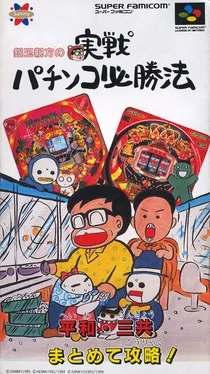
Gindama Oyakata no Jissen Pachinko Hisshouhou
Buy
Part of collection:
Jissen Pachi-Slot Hisshouhou!
(last 3 games)
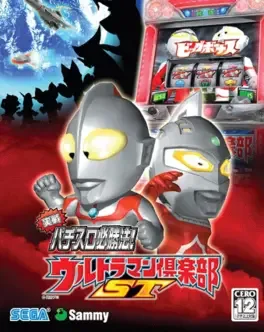
A virtual slots game for the PlayStation 2 that simulates the 2005 pachi-slot machine Ultraman Club ST (itself based on the Ultraman Club video game adaptations of the '60s tokusatsu television series Ultraman).
A slot machine simulator.
Could be interesting
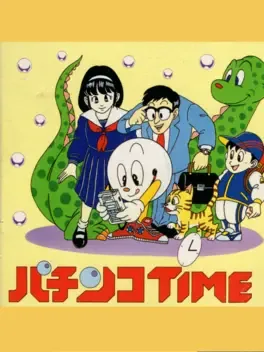
Pachinko Time sees you participating in the Japanese past time of pachinko, where you launch numerous balls onto a board, pinball-style, aiming at specific receptacles to extend game play. It offers offers 100 different virtual tables to play at, each requiring you whittle down a specific target score to zero before you run out of balls. Each area on the world map features a number of different tables; completing three will allow access to new areas with more tables.
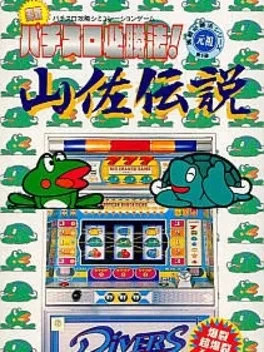
Slots game developed by Sammy Corporation in 1996.
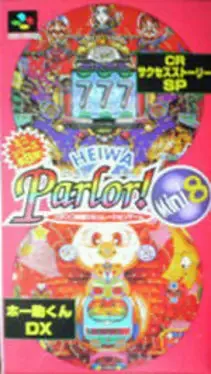
Pachinko game developed by Telenet Japan in 1998. The last of eight games in the Mini series, which focuses on two pachinko machines apiece.
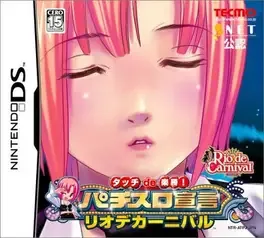
Touch de Rakushou! Pachi-Slot Sengen: Rio de Carnival is a portable incarnation of the Rakushou! Pachi-Slot Sengen series.
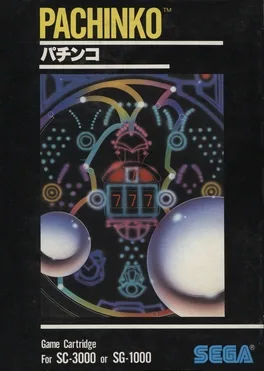
Press 1 on the alpha-numeric keyboard. A giant Pachinko game appears on your TV. You and your opponent are at the lower part of the screen. The digital readout scoreboard will appear at the bottom of the screen when play begins. The left hand control maneuvers the player at the left. The right hand control maneuvers the player at the right. Push the joystick left to go left. Push it right to go right. You can play another person or the computer. To signal the computer you're in the game, press the action button or move the joystick of your hand control in any direction. If the computer does not get a response from either of the hand controls, it will play by itself. Each of the players on the screen has an energizer. Press the action button to flip up your energizer and hit one of the balls. When you hit the ball with your energizer, it will change to your color and rocket back into play. If your energizer is completely raised when it hits, the ball will continue its same horizontal direction. If your energizer is not completely raised, the horizontal direction of the ball is reversed. A player will move at one-half normal speed when the action button is depressed. If a ball hits a player, it will begin to lose its energy. If your opponent's ball hits the rotor at your side of the screen, the ball will change to your color. If your ball hits your opponent's rotor, the ball will change to your opponent's color. The Magic Mountain is centered at the bottom of the playing field. If you bounce the ball off the Magic Mountain, the numbers in the cups will change. You have a better chance of scoring in the cups on your side of the screen, so it's good strategy to get higher numbers in the cups on your side and lower numbers in the cups on your opponent's side. CAUTION! BEWARE OF THE TROUBLESHOOTER! He's the unpredictable, uncontrollable spoilsport who keeps running back and forth across the center of the screen. The Troubleshooter is a lot of trouble because he keeps trying to take your ball out of play and shoot it over to your opponent. The game ends at 100 points or any pre-agreed multiple of 100 points. You can also play against the clock. To play again, press the RESET key on the alpha-numeric keyboard and then press 1.
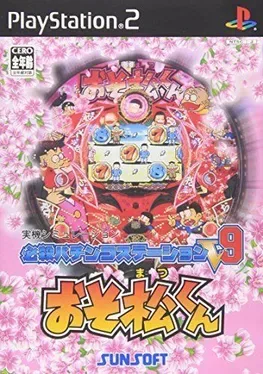
The first Osomatsu pachinko game for PlayStation 2
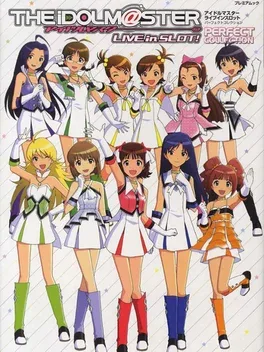
A The Idolmaster themed pachinko game.
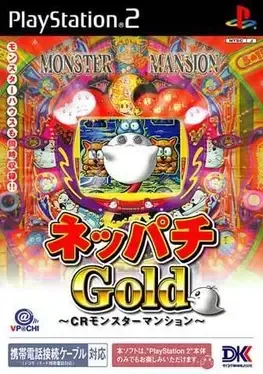
A comedic horror-themed pachislot game for PlayStation 2.
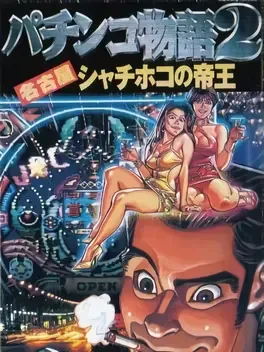
Pachinko game sequel created by KAZe and KSS in 1995 for the Super Famicom.
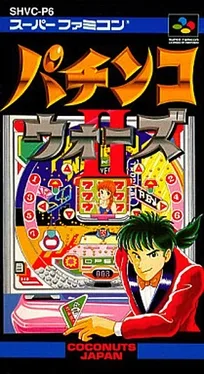
Pachinko game published by Coconuts Japan in 1993 for the Super Famicom. It is the sequel to the 1992 Super Famicom game Pachinko Wars.