


Buy
Parent game
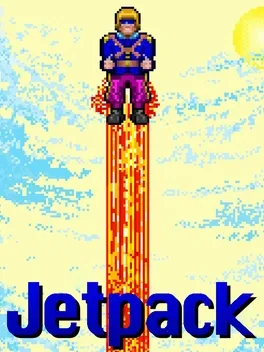
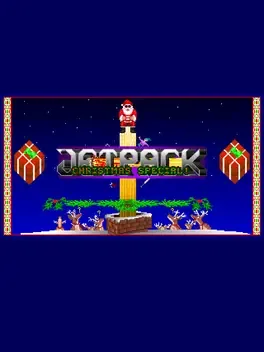
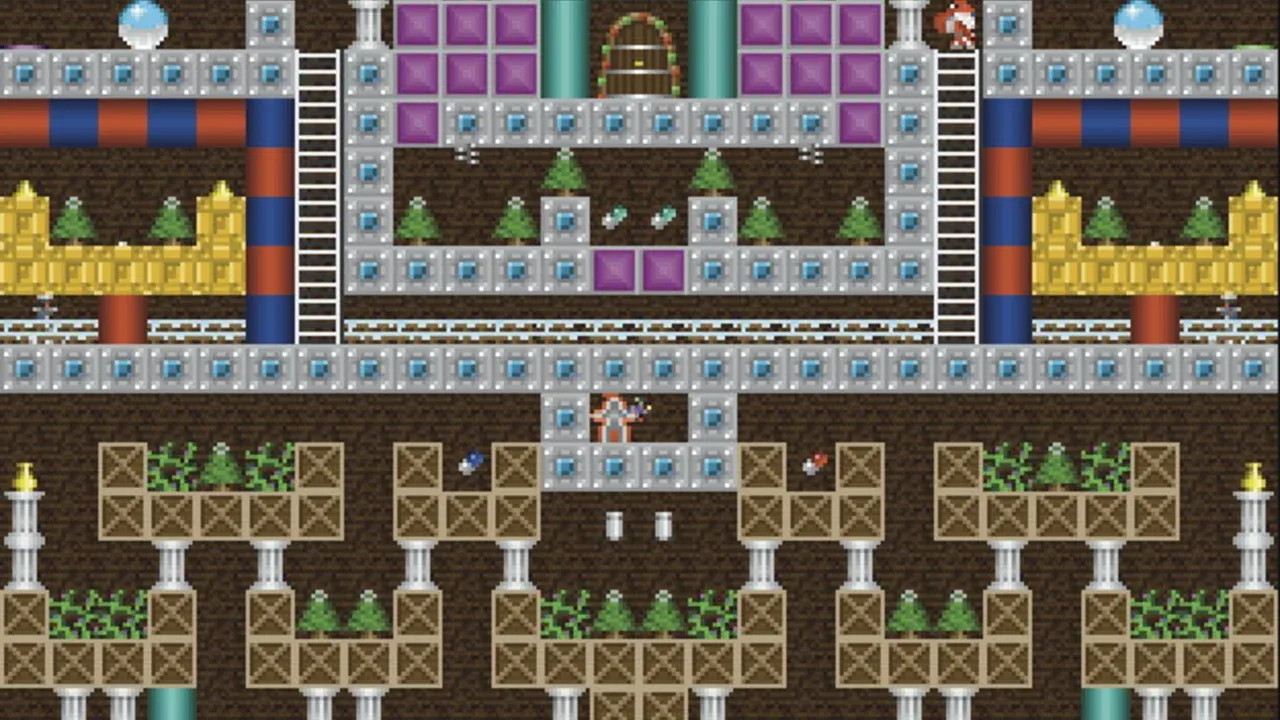
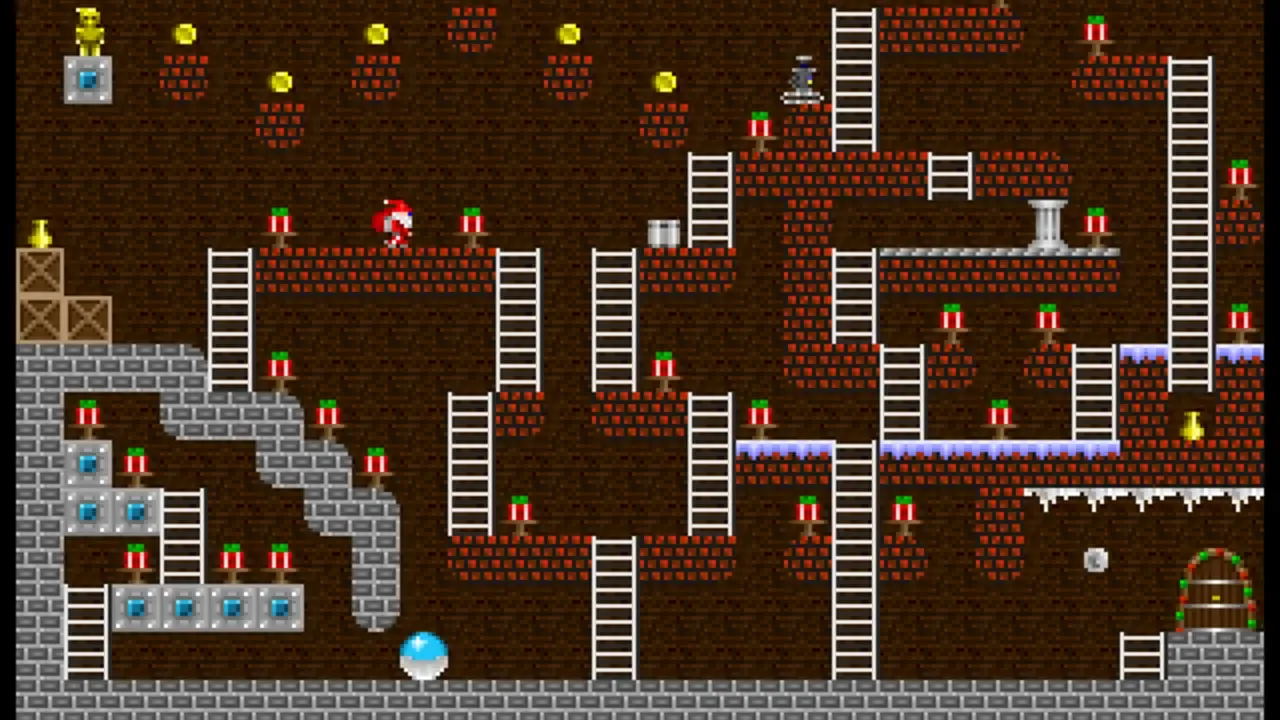
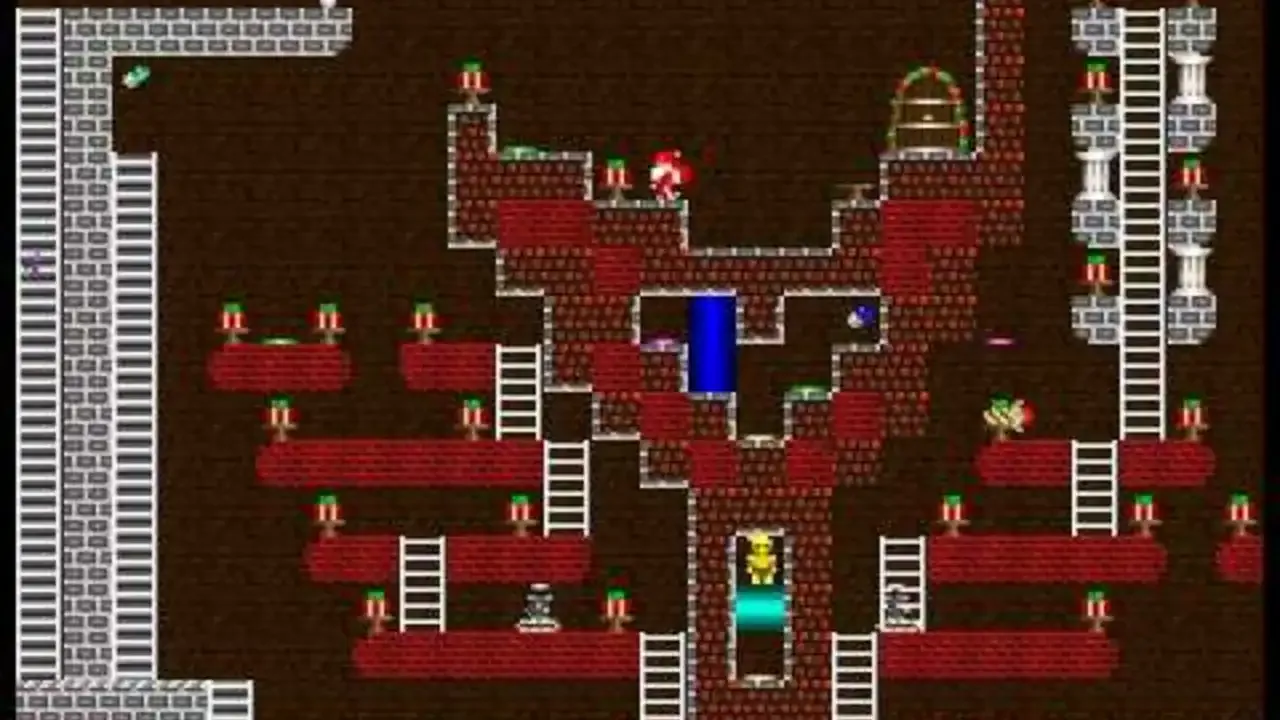
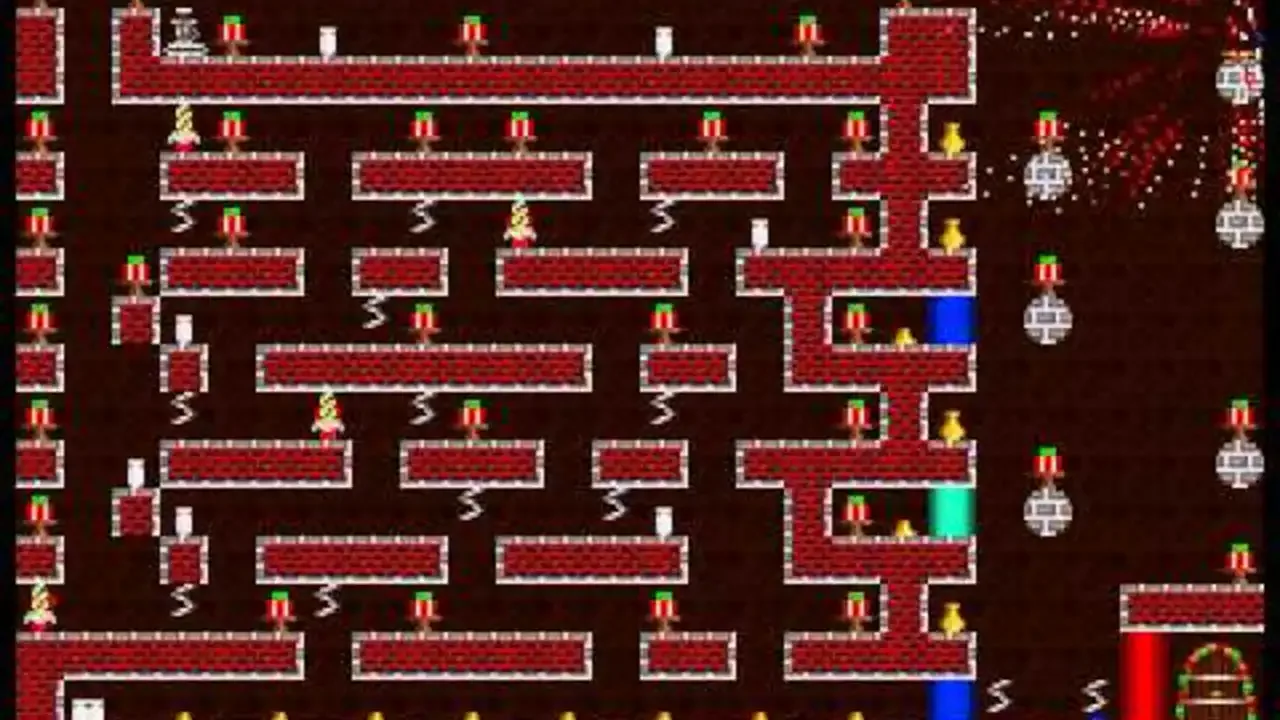
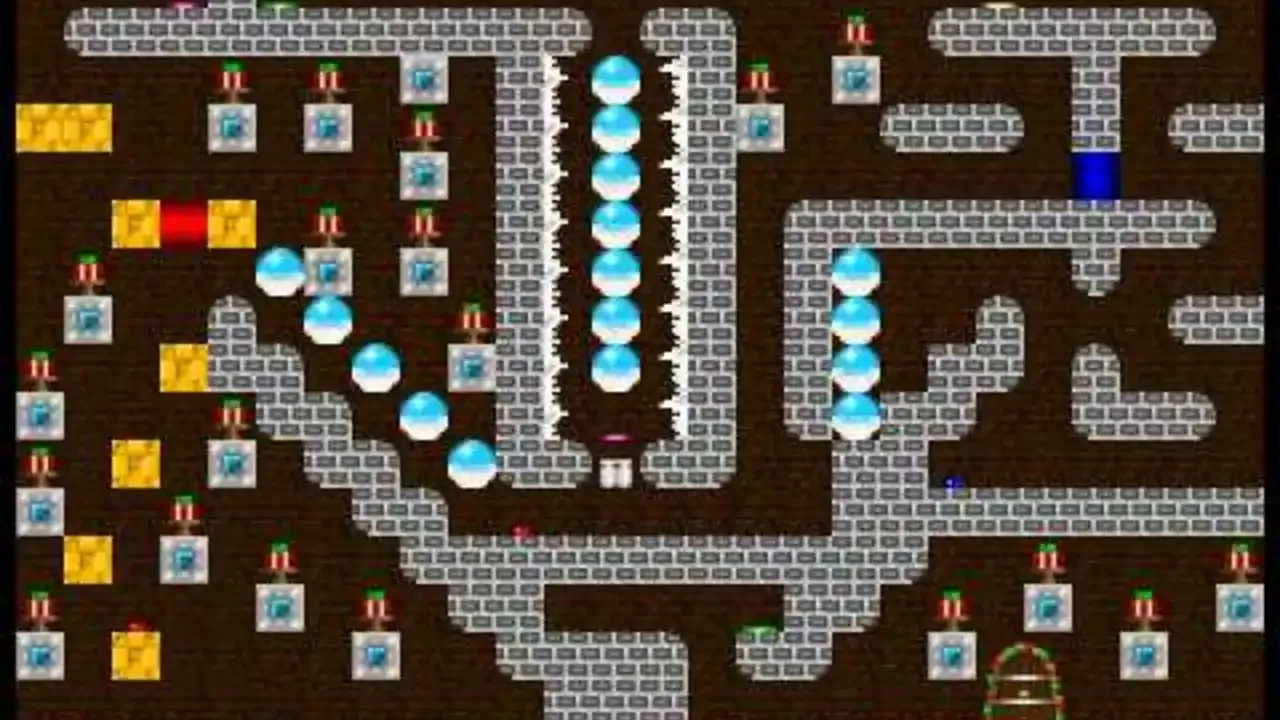
Jetpack is a platform game available as freeware, originally published as shareware by Software Creations in 1993. The object of the levels is to collect all of the green emeralds scattered around the level while avoiding obstacles and enemies. Once accomplished, a door opens which the player must go through in order to advance to the next level. There is a single player, and a local multiplayer mode. The multiplayer mode supports up to eight players, where players take turns on the same machine. The player is aided in his quest by a jetpack and a phase shifter, which allows tunnelling through certain walls. The environments, which usually consist of mazes of bricks, also feature vines, gold, ladders, ice, boxes, pillars, and conveyor belts. Other obstacles include jagged rocks, force fields, teleport pads, and indestructible bricks. In order to keep his jetpack running, the player has to collect fuel, by means of single/double tanks or fuel grids. The game includes a simple level editor. Numerous levels have been published on Adept Software's website. The registered game features 100 pre-built levels. The developers also released a hintbook containing screenshots and a short piece of advice for every level.
Could be interesting
Jetpack is a platform game available as freeware, originally published as shareware by Software Creations in 1993. The object of the levels is to collect all of the green emeralds scattered around the level while avoiding obstacles and enemies. Once accomplished, a door opens which the player must go through in order to advance to the next level. There is a single player, and a local multiplayer mode. The multiplayer mode supports up to eight players, where players take turns on the same machine. The player is aided in his quest by a jetpack and a phase shifter, which allows tunnelling through certain walls. The environments, which usually consist of mazes of bricks, also feature vines, gold, ladders, ice, boxes, pillars, and conveyor belts. Other obstacles include jagged rocks, force fields, teleport pads, and indestructible bricks. In order to keep his jetpack running, the player has to collect fuel, by means of single/double tanks or fuel grids. The game includes a simple level editor. Numerous levels have been published on Adept Software's website. The registered game features 100 pre-built levels. The developers also released a hintbook containing screenshots and a short piece of advice for every level.
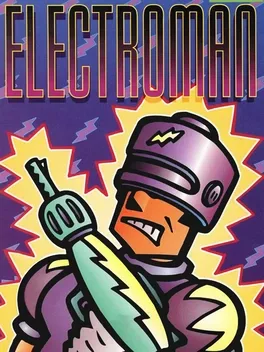
Electro Man seeks revenge against the robots which wronged him.
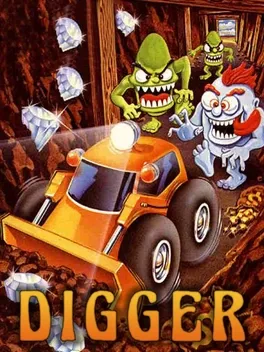
Diggger is an action game in which the player digs tunnels, attempting to collect all of the emeralds on each level without being caught by monsters. The regular 'Nobbin' monsters are easily outwitted at first since they can't dig tunnels for themselves. However the game becomes more difficult as the amount of dug tunnels increases, and superior 'Hobbin' monsters begin to appear.
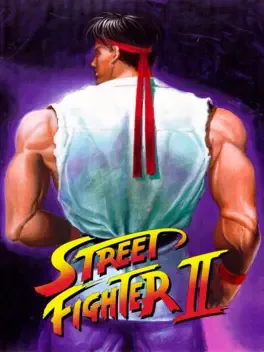
A sequel to Street Fighter, Street Fighter II improved upon the many concepts introduced in the first game, including the use of command-based special moves and a six-button configuration, while offering players a selection of multiple playable characters, each with their own unique fighting style and special moves. Street Fighter II is credited with starting the fighting game boom during the 1990s. Its success led to the production of several updated versions, each offering additional features and characters over previous versions, as well as many home versions. Some home versions of the Street Fighter II games have sold millions of copies, with the SNES port of the first Street Fighter II being Capcom's best-selling consumer game of all time as of 2008. Street Fighter II follows several of the conventions and rules already established by its original 1987 predecessor. The player engages opponents in one-on-one, close-quarters combat in a series of best-of-two-out-of-three matches. The objective of each round is to deplete the opponent's vitality before the timer runs out. If both opponents knock each other out at the same time or the timer runs out with both fighters having an equal amount of vitality left, a "double KO" or "draw game" is declared. Additional rounds will be played until sudden death. In the first Street Fighter II, a match could last up to 10 rounds if there was no clear winner; this was reduced to 4 rounds in the Champion Edition and onward. If there is no clear winner by the end of the final round, then either the computer-controlled opponent will win by default in a single-player match, or both fighters will lose in a 2-player match. After every third match in single-player mode, the player will participate in a "bonus game" for additional points. The bonus games include (in order) a car-breaking event; a barrel-breaking bonus game where the barrels are dropped off from a conveyor belt above the player; and a drum-breaking bonus game where drums are flammable and piled over each other. The bonus games were removed from the arcade version of Super Street Fighter II Turbo. As in the original, the game's controls use an eight-directional joystick and six attack buttons. The player uses the joystick to jump, crouch, move the character towards or away from the opponent, and guard against the opponent's attacks. There are three punch buttons and three kick buttons, each with varying strength and speed (Light, Medium, and Heavy). The player can perform a variety of basic moves in any position, including grabbing/throwing attacks, which were not featured in the original Street Fighter. Like in the original, the player can perform special moves by inputting a combination of directional and button-based commands. Street Fighter II differs from the original in that it features multiple playable characters, each with distinct fighting styles and special moves. Additionally, the player can "cancel" an animation by performing another move, enabling combinations of basic and special moves. Both of these features would be expanded upon in subsequent installments.
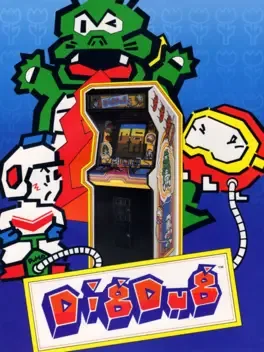
Dig Dug is a 1-2 player arcade game in which you have to use your shovel to dig your way through the earth. Stopping you from doing this are two monsters, called Pooka and Fygar, who will continually chase you around. The only weapon that you carry is an air pump, which you can use to inflate the monsters to the point where they explode. (if you start to inflate them but stop doing so, the monsters will get turned back to their normal selves). Furthermore, rocks are scattered throughout the earth, and you can use these rocks to squash them. If the monsters do not find you for several seconds, they will eventually get turned into ghosts, which are able to walk through the earth. They are invincible and cannot be killed. From time to time, vegetables will appear in the center, and you can get these for points.
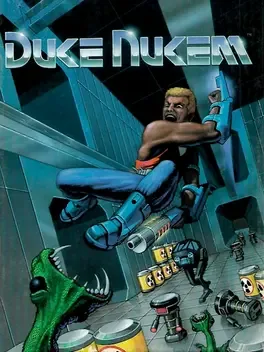
Duke Nukem is the debut of the world’s greatest wise-cracking, alien-punching, gun-toting badass - a man who would later go on to combine both ass-kicking and bubblegum in a revolutionary way. In a world ravaged by Dr. Proton’s villainous ambitions, the original video game action hero must rise against the evil scientist’s army of sinister Techbots. And although Duke isn’t exactly what the Doctor ordered, he’s exactly what the world needed.
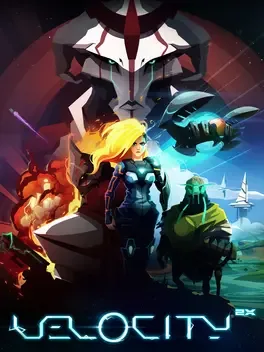
This critically acclaimed sequel to Velocity Ultra weaves together two classic game formats into one seamless adventure, featuring puzzle-platforming action alongside award-winning top-down shoot 'em-up gameplay!
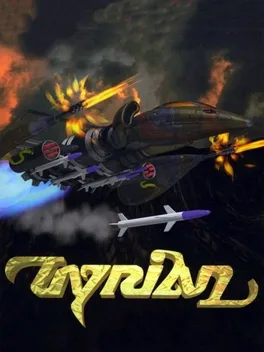
Tyrian is a scrolling shooter computer game developed by World Tree Games Productions and published in 1995 by Epic MegaGames. The game was officially released as freeware in 2004, and the graphics were made available under an open license in April 2007. Tyrian was programmed by Jason Emery, illustrated by Daniel Cook, and its music composed by Alexander Brandon and Andras Molnar.
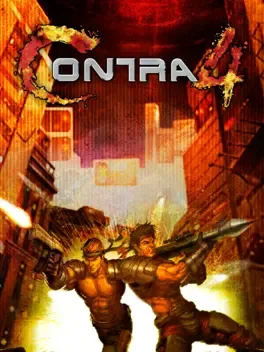
The action franchise that started it all is celebrating its 20th anniversary with an all-new adventure on Nintendo DS! Set after the events of Contra III: Alien Wars, the game follows mercenaries Bill Rizer and Lance Bean as they battle to save the world from a new extraterrestrial threat. Contra 4 takes advantage of the dual screens of the Nintendo DS to deliver larger than life action, with massive enemies, detailed platforming and mind-blowing set pieces.
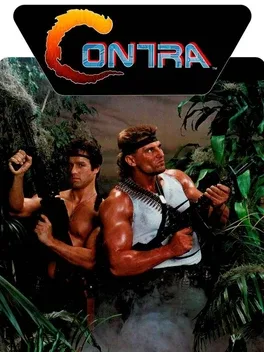
Contra (also known as Gryzor in Oceania and Europe), is a 1987 run and gun action game developed and published by Konami originally released as a coin-operated arcade game on February 20, 1987. The game had multiple ports, including for various computer formats. Several Contra sequels were produced following the original game.