
Marble Madness


Buy
Part of collection:
Marble Madness
(last 3 games)
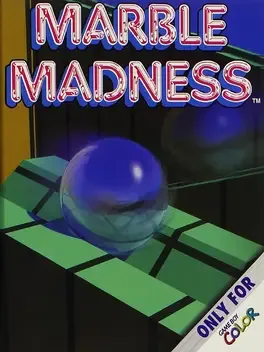
A port for Game Boy Color.
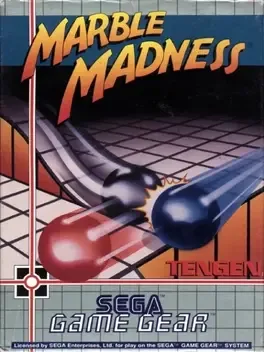
A port for Game Gear and Master System.
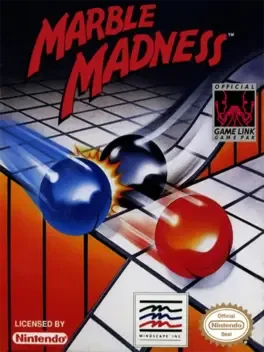
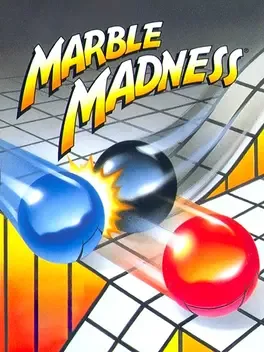
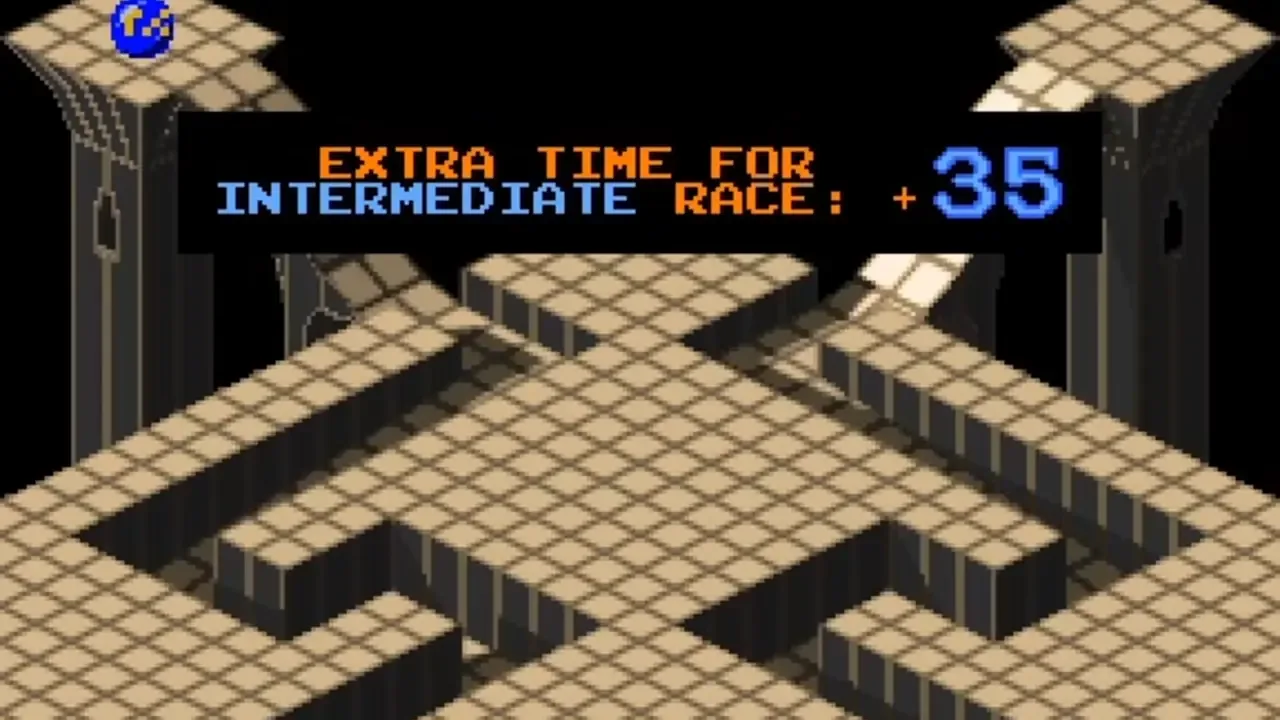
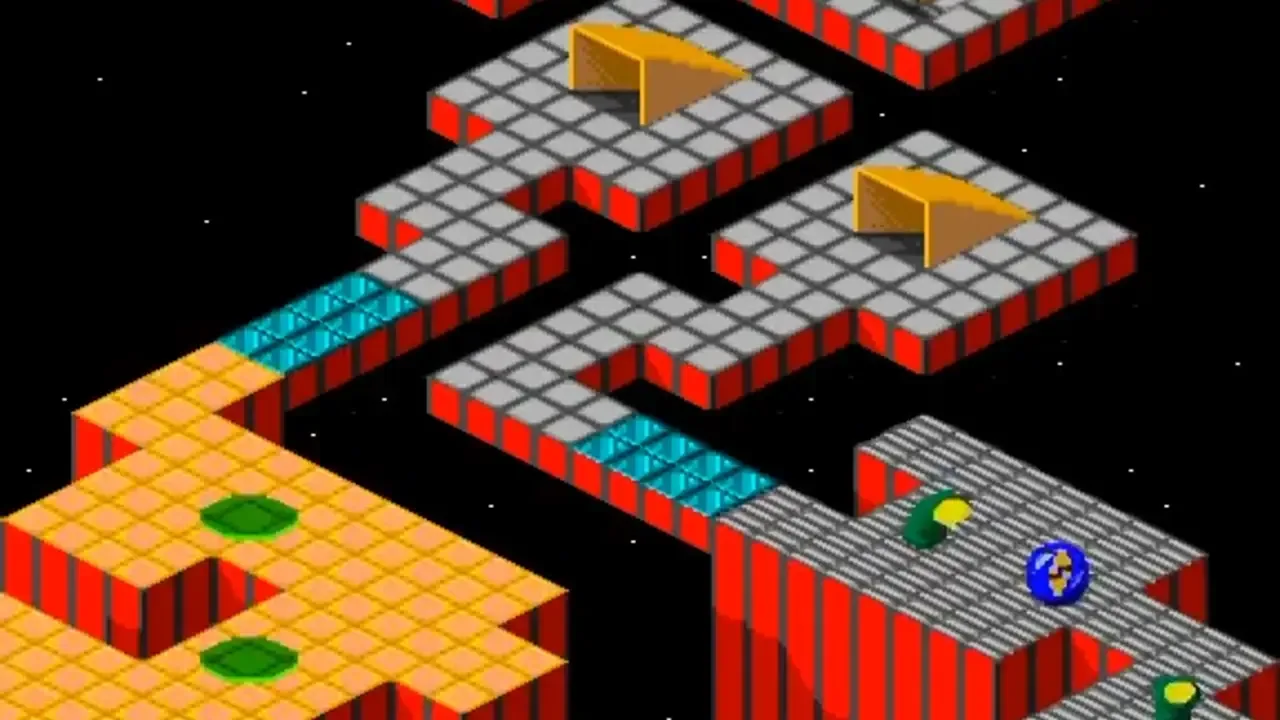
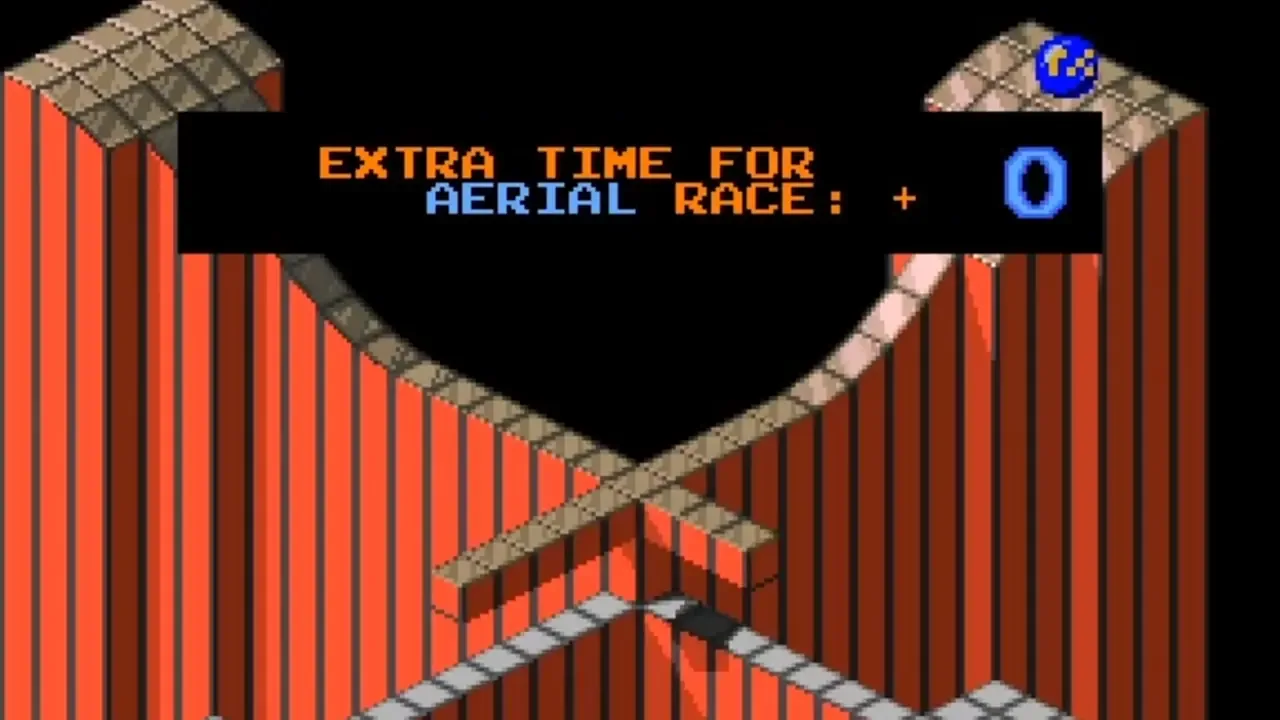
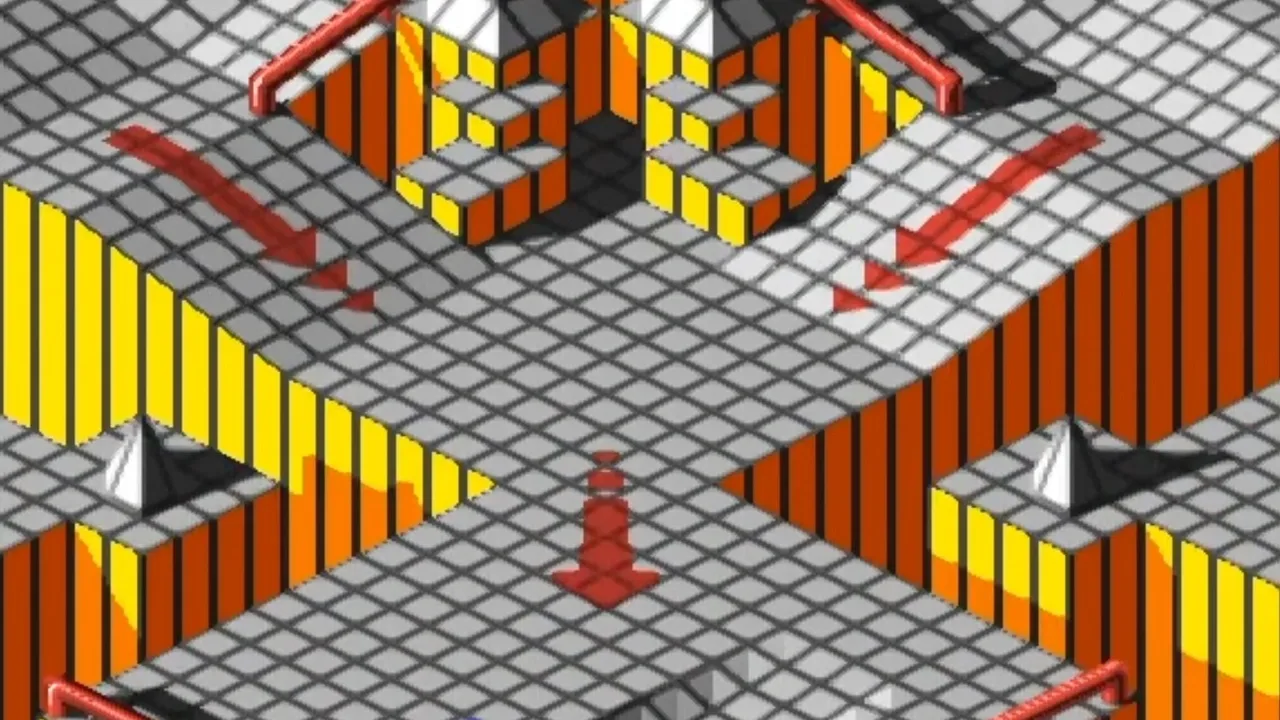
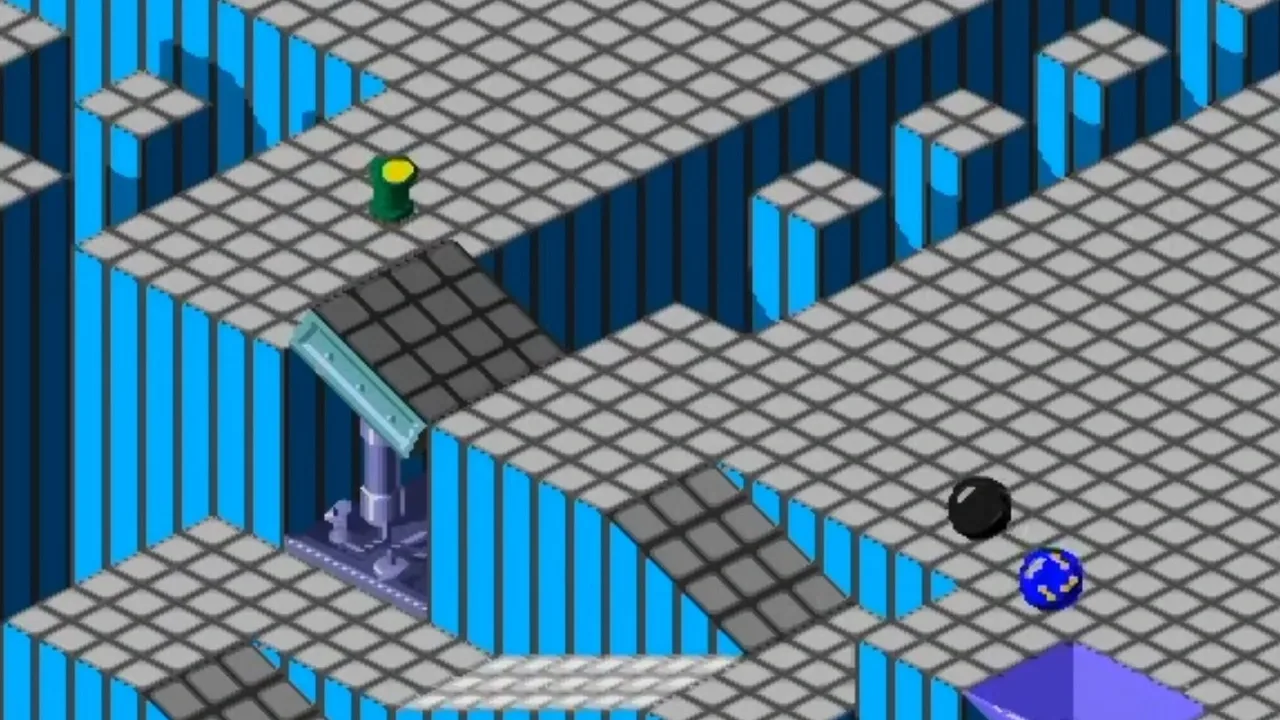
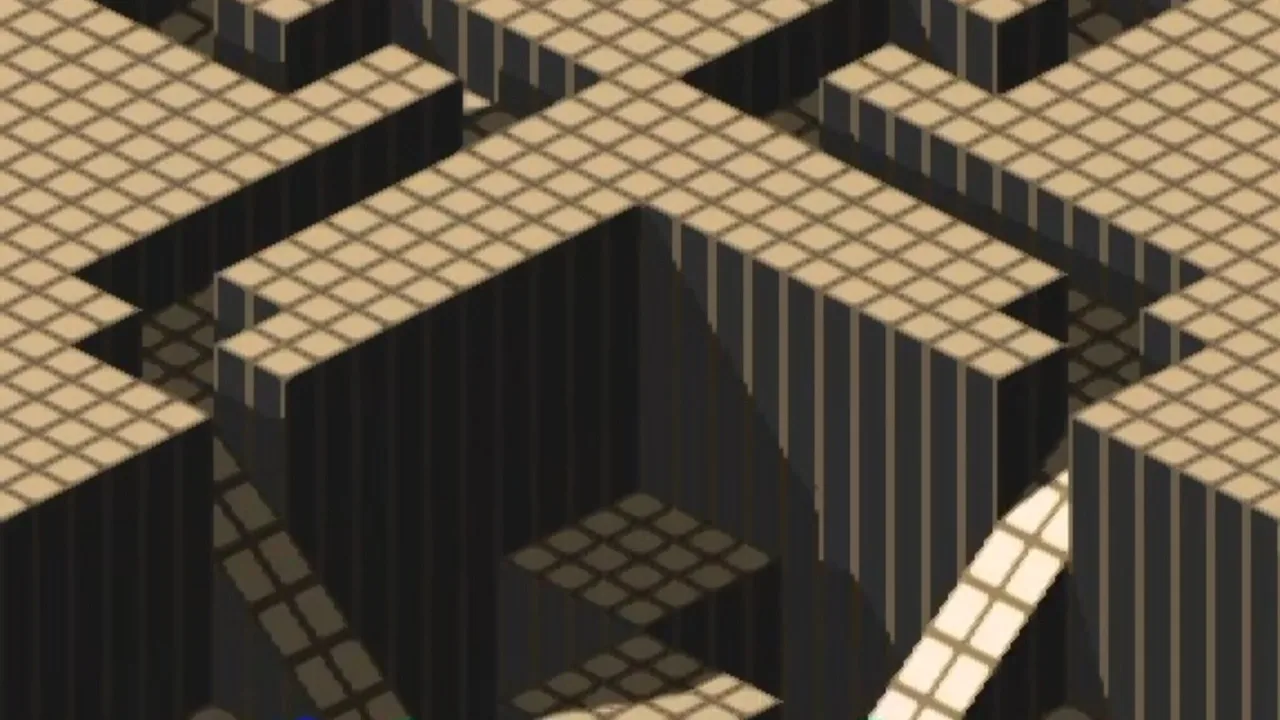
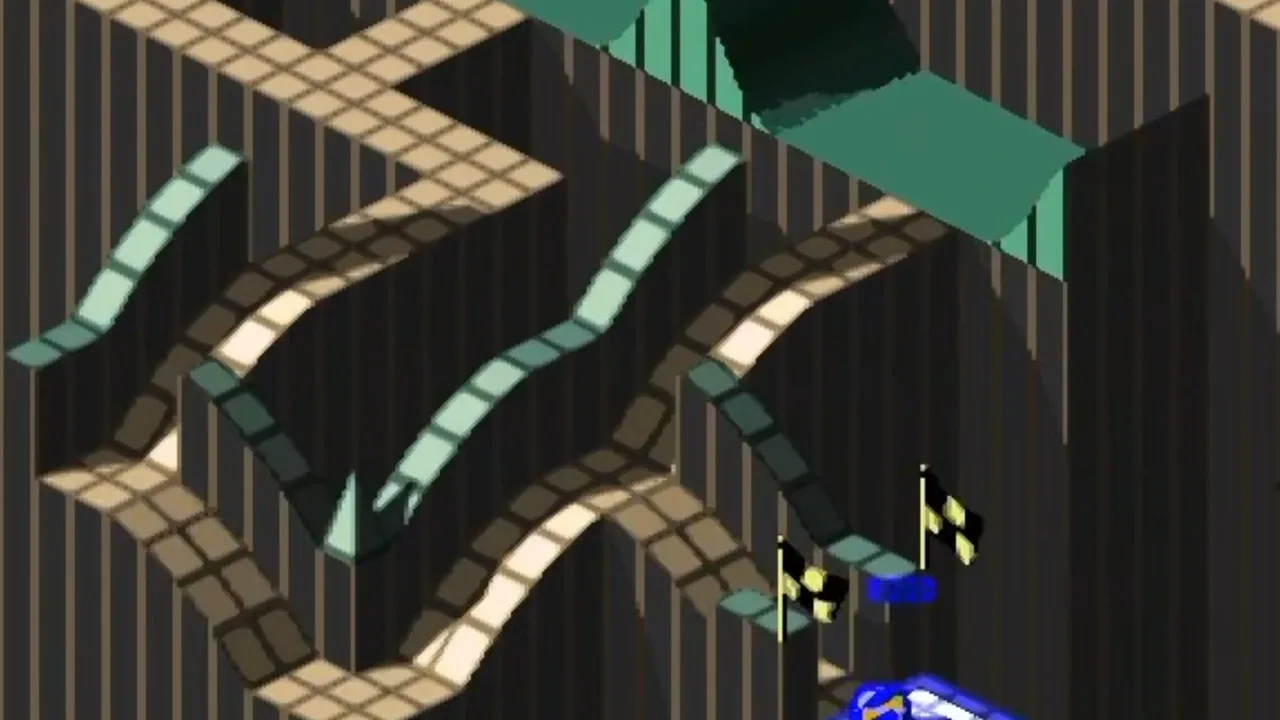
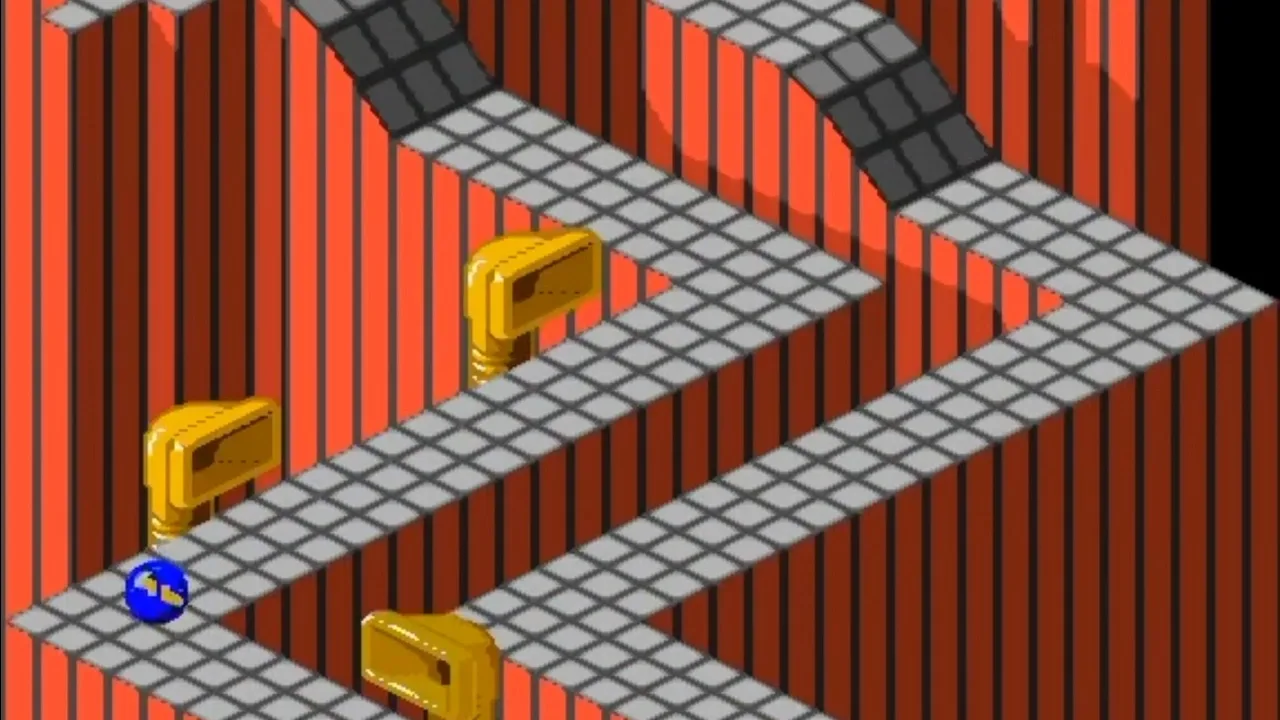
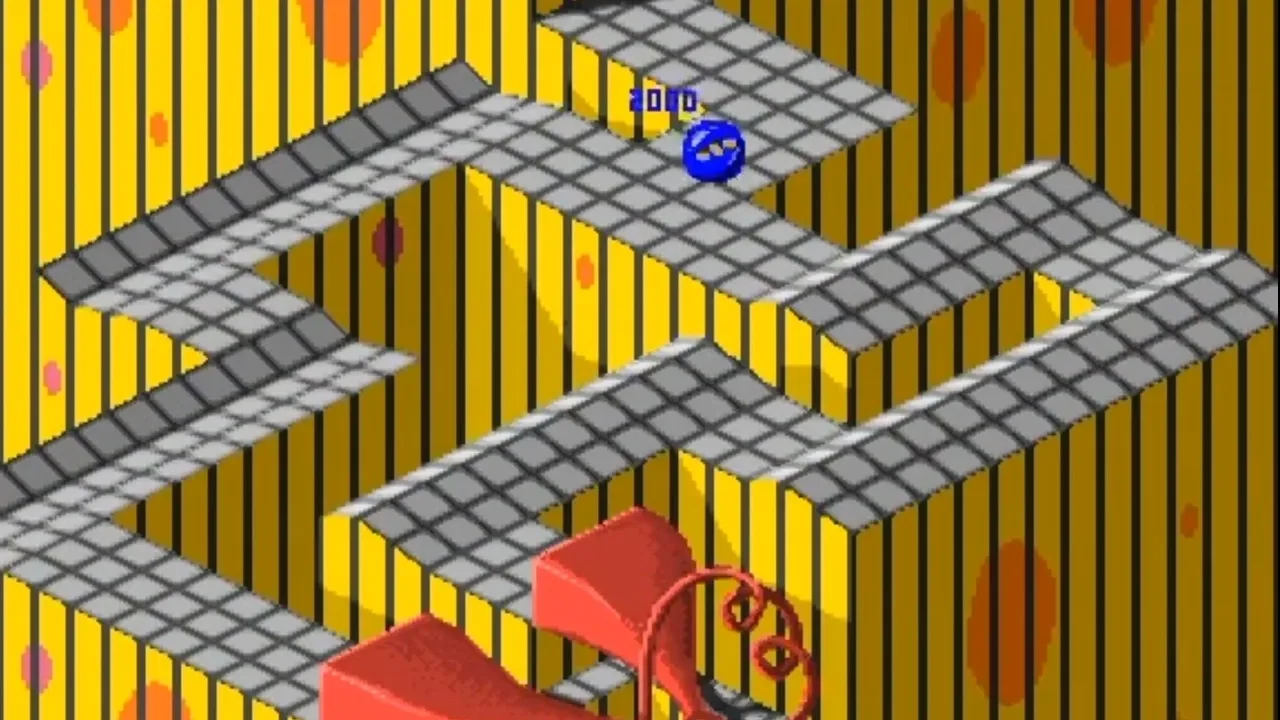
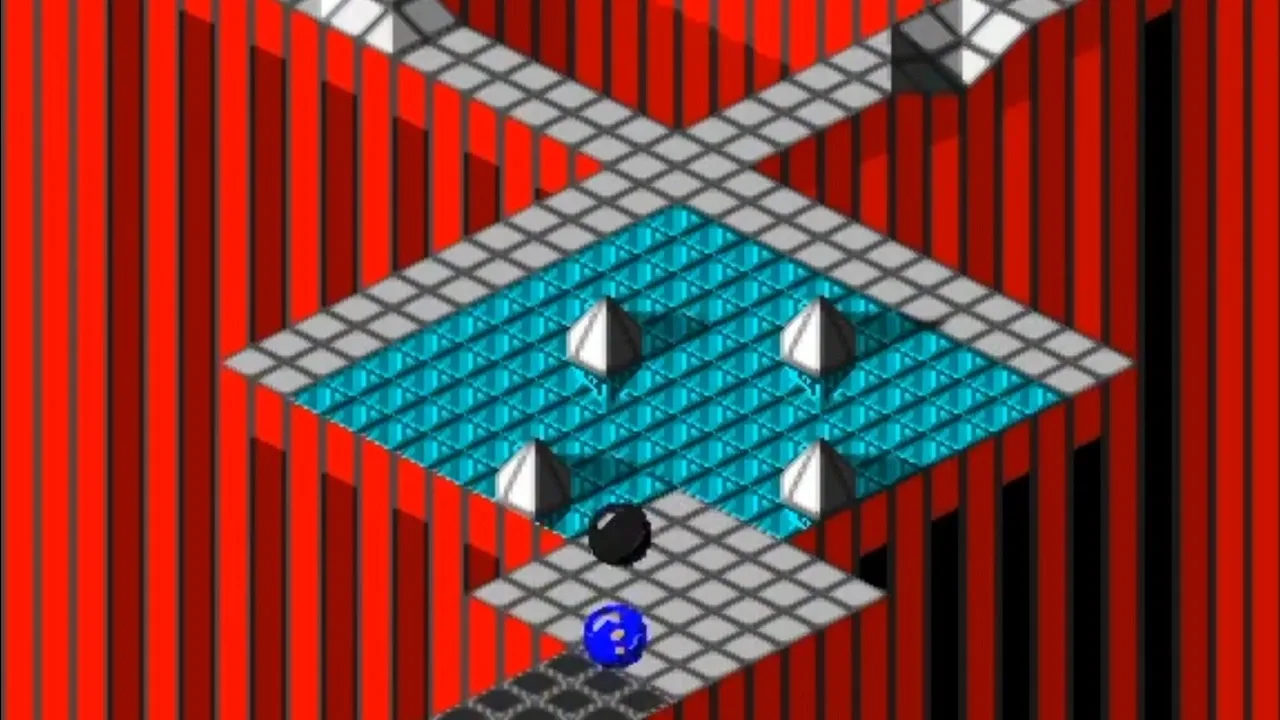
The idea of this arcade game is deceptively simple: Guide a marble down a path without hitting any obstacles or straying off the course. The game is viewed from an isometric perspective, which makes it harder to stay focused on the direction the ball is to follow. There are tight corridors to follow and enemies to avoid. There is a 2-player mode in which players must race to the finish; otherwise you're racing against the clock.
Could be interesting
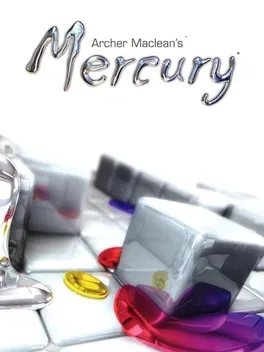
From the mind of developer Archer Maclean comes Mercury, a puzzle game that lets you guide the metallic substance through a series of challenging puzzles. Without spilling too much, you must control your colored mercury blobs around 3D mazes simply by tilting the level. Negotiate obstacles and hazards, solve puzzles, and compete against time and percentage limits while avoiding traps and predators. In addition to the single-player mode, Archer Maclean's Mercury also features multiplayer battle and ghost modes.
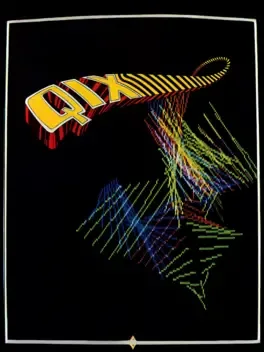
Draw boxes to claim as much screen as possible without getting in the path of the "Qix" and "Sparx". Draw slower for more points and hope that you have enough coins. Simple but very addicting!
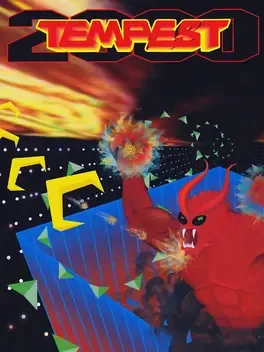
Tempest 2000 is a tube shooter video game. Taking control of the claw-shaped Blaster spacecraft from the original game, the player has to survive and travel across multiple levels until the end in an intergalactic war, battling against a variety of enemies that appear on the playfield.

Dizzy's back! In Fast Food, Dizzy must run around mazes scoffing loadsa food - chickens, burgers, pizzas, milkshakes but there's a complication...look out for the monsters.

Flex your clicky finger as you jump, fly and flip your way through dark caves and spiky obstacles. Discover the lands, play online levels and find the secrets hidden within the World of Geometry Dash!

Test your reflexes and awareness as you simultaneously guide two lovable balls through 101 brightly coloured challenges in the world's first concentration platformer. Control both at exactly the same time using the same set of controls and watch out for hazards. Oh, and there are jokes!
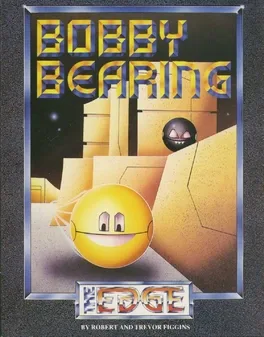
A action game in the style of Marble Madness for ZX Spectrum, Amstrad CPC and Commodore 64. Help Bobby the ball bearing rescue his lost brothers and his cousin.

Remember that memory game with colors that used to drive you crazy?
A DOS freeware game challenging the player's concentration, dexterity, memory and speed.
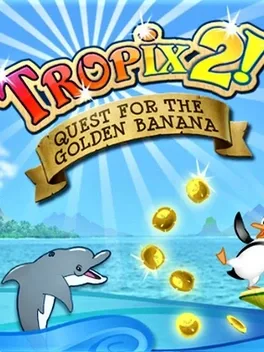
Tropix 2! Quest for the Golden Banana, like its predecessor, is essentially a collection of mini-games, most of them implementations of well-known casual genre titles. The game is divided in islands, where the main monkey character and his animal friends live. Each island acts as a hub for three mini-games. On the main screen, the player has to buy plants, furniture, toys and other things to decorate the scenery and unlock a series of key items to move to the next island. These decorations are bought with gold coins, acquired after playing one of the mini-games: Cascade is a tile matching game, where the objective is to make matches of three or more of the same type by switching adjacent tiles in a grid filled with food. The food keeps falling after successful matches, to be promptly eaten at the bottom by some animal that acts as a level progress meter, crossing the screen towards a small flag. In the boss battles, the goal is to make matches as fast as possible, to throw food at the enemy before they clog all the cells in the grid; Coco Bowl is a bowling game with coconuts as the ball. The coco can be guided with the mouse while it is going through the lane. Some levels have special features, like ramps and other obstacles; Stone Stacker is a simple puzzle game, where the player must stack slabs on top of each other by matching their indentations at the top and bottom, creating a tall pillar at the left side of the screen. Special items, like a hammer and a wildcard stone, help to eliminate useless slabs and make matching easier; Ice Cream Parlour is a time management game, where a penguin must serve ice cream to a series of fellow penguin customers. Thought bubbles over the customers heads show pictures of the recipients and ingredients of their order, while stars below them show their satisfaction level. The player must click on several hotspots on the screen, guiding the penguin to pick up the correct recipient, give it to one of the lemur assistants ready to scoop or place one of the ingredients, and finally bring it back to the client before the patience meter runs out. An iguana acts as the trash can, swallowing badly served orders. The goal of each level is to profit a set amount of money within a time limit. A bonus game appears sometimes, where the player must move an ice cream cone at the bottom of the screen and pile up on it several balls scooped and thrown upwards by one of the lemurs; Pirates! is a shooting game. The player controls a cannon placed over a precarious raft in the middle of the sea, and the objective is to shoot any enemy on the screen before it reaches and destroys the raft. The raft can be repaired between levels on a separate underwater screen, where tetrominoes wood pieces have to be placed logically on its frame. Barrels carry new ammunition types, changing the power and range of the shots. A bonus game appears occasionally, where the cannon is used to feed dolphins; Fish Swap is a matching game, where the player has to swap fishes on a grid, creating large schools that escape the screen. A blowfish appears randomly on the grid, and acts as a power-up liberating several fishes at the same time; Water Words is a word creation game, similar to Bookworm and other titles. The objective is to make words by connecting adjacent letter tiles in a grid. Acceptable words have their score displayed over the submit button. A number of words are required to finish each level, displayed in a list at the right side of the screen; Puffer Popper is a marble popper game, where the player controls a crab moving sideways at the bottom of the screen, shooting bubbles at multicolored bubble strings trying to make matches of three or more of the same color to pop them. The lines twist around the screen, being pushed towards a sand castle by a blowfish. If several bubbles get inside the castle, the game is over.