
Mushihime-sama Futari: Black Label


Buy
Parent game
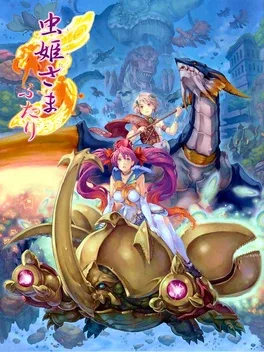
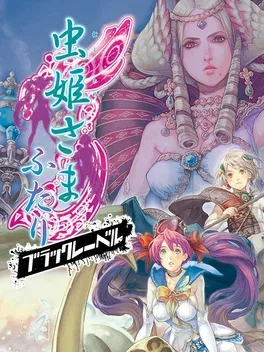
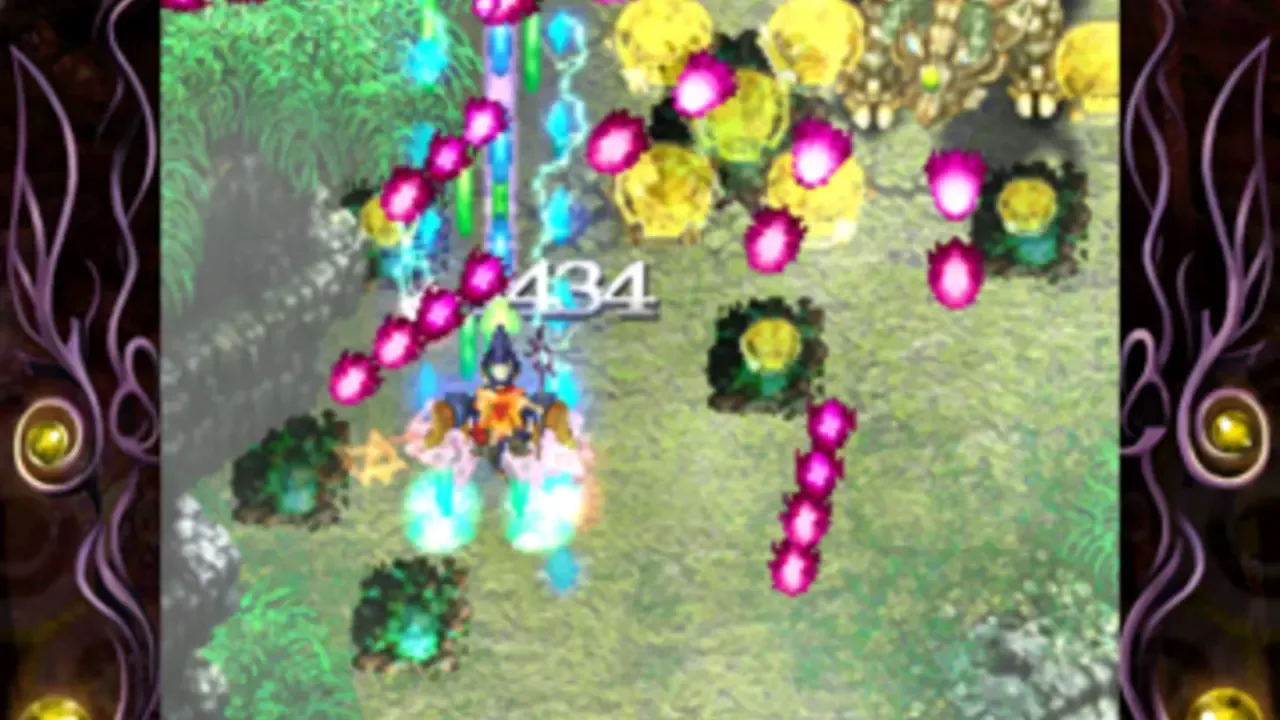
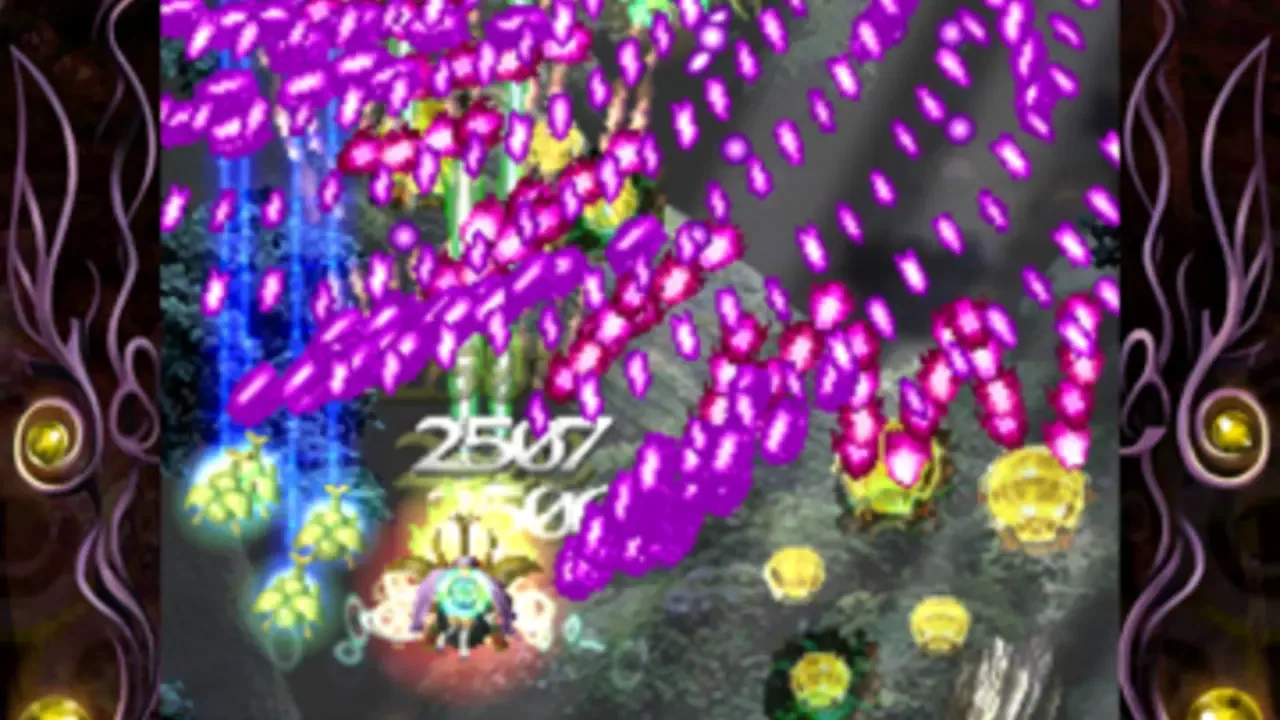
Mushihime-sama Futari is a bullet-hell shoot 'em up where players control one of two insect-themed warriors through relentless waves of enemy fire. The game blends precise dodging with strategic weapon use in a vibrant, high-speed world filled with colorful enemies and bosses. Originally released in arcades, this version delivers the purest form of the game's challenging gameplay, requiring sharp reflexes and pattern recognition to survive its intense bullet patterns. The iOS adaptation, titled Bug Princess 2, brings the same core experience to mobile devices, adapting controls for touchscreens while maintaining the game's signature intensity.
Part of collection:
Mushihimesama
(last 3 games)
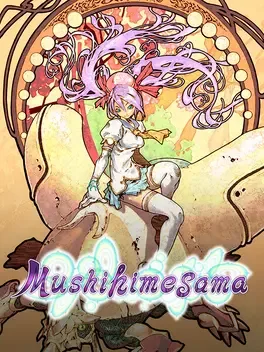
Mushihime-sama is a manic shooter developed by Cave and released by Taito in 2004. It has been ported to many consoles over the years and in 2021 it was ported again, this time to Nintendo Switch. The Switch version of Mushihime-sama includes the standard, Arrange, and v1.5 versions. It also includes modes like normal gameplay, Score Attack, and Training. You can save your Replay Data as well and check out Leaderboards to see how well you’re doing. Different difficulty levels are available too, ranging from Easy to Hard. There are also Original, Maniac, and Ultra mode options for each difficulty.
An updated port of Cave's bullet hell shoot 'em up Mushihimesama. Features new Beginner and Arrange modes, and a port of Mushihime-sama Cave Matsuri Ver 1.5 as DLC.
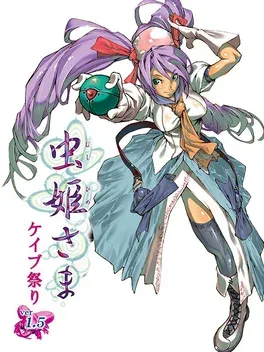
A heavily modified festival version of Mushihimesama.
Could be interesting
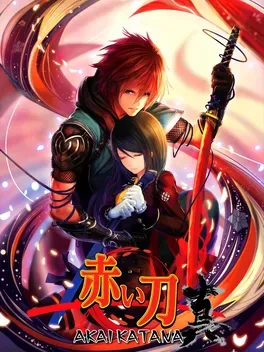
"Akai Katana" is a horizontally scrolling shooter bullet hell developed by Cave and released in Japan on August 20, 2010 for arcades. A port to the Xbox 360 with additional game modes, "Akai Katana Shin", followed on May 26, 2011 in Japan. Rising Star Games published the console release in North America and Europe on May 15, 2012 simply as" Akai Katana".
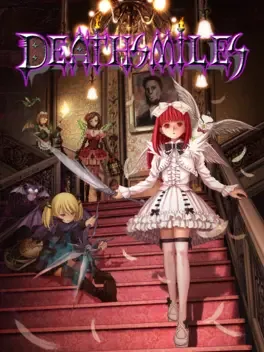
Deathsmiles is CAVE's bullet-hell shoot-'em-up where you take the role of one of five Angels to defend the magical land of Gilverado from an invasion by Hell itself! Eradicate this devilish assault!
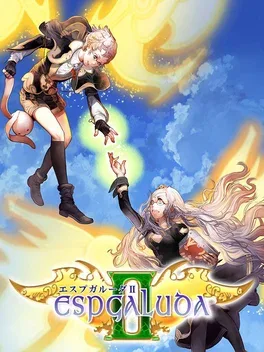
Espgaluda II is a manic shooter originally released by Cave in the arcades in 2005 as a sequel to Espgaluda.
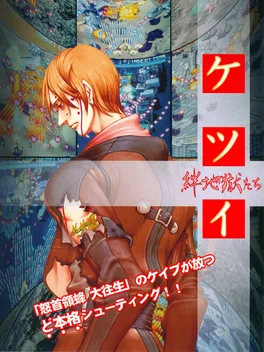
Ketsui: Kizuna Jigoku-tachi is a vertical bullet hell shoot 'em up developed by Cave and released in 2003.
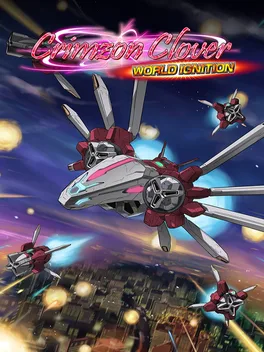
Crimzon Clover: World Ignition is a fast-paced, top-down bullet-hell shooter where players command one of three unique ships through relentless waves of enemy fire. The game expands on the original with multiple play modes: Boost (adaptive difficulty), Original (classic arcade-style), Unlimited (brutal bullet chaos), and Time Attack (speedrun challenge), plus a Novice setting for beginners. Core to the experience is the Break Meter, which fuels powerful bombs and temporary power-ups: Break Mode amplifies firepower, while a full meter unleashes the devastating Double Break Mode, turning the tide against even the toughest bosses. A robust Training mode lets players customize scenarios to hone their skills. With vibrant visuals, precise controls, and escalating intensity, World Ignition delivers a thrilling test of reflexes and strategy
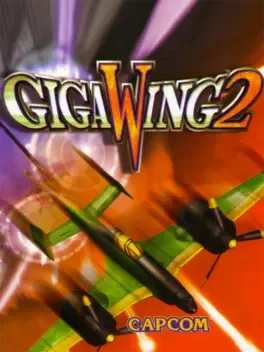
Giga Wing 2 (ギガウイング2?) is a 2000 vertical scrolling shooter arcade game developed by Takumi and published by Capcom on Sega's NAOMI arcade system board and later ported in 2001 to the Dreamcast console. The arcade version is notable both for its excessive scores (scores in the quintillions are not unheard of), and for using a horizontally aligned monitor (much like Treasure Co. Ltd's Radiant Silvergun), something that is considered rare for a vertical shooter.
Mushihime-sama Futari is a bullet-hell shoot 'em up where players control one of two insect-themed warriors through relentless waves of enemy fire. The game blends precise dodging with strategic weapon use in a vibrant, high-speed world filled with colorful enemies and bosses. Originally released in arcades, this version delivers the purest form of the game's challenging gameplay, requiring sharp reflexes and pattern recognition to survive its intense bullet patterns. The iOS adaptation, titled Bug Princess 2, brings the same core experience to mobile devices, adapting controls for touchscreens while maintaining the game's signature intensity.
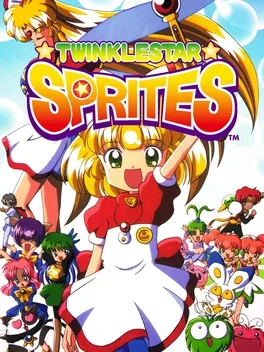
Twinkle Star Sprites is a 1996 competitive scrolling shooter arcade game originally created by ADK. It was ADK's last production for the Neo-Geo platform. The gameplay, which can be characterized as a combination of a fixed shooter and a versus puzzle game, uses combinations of shots, as well as timed power-ups to attempt to damage the opponent. These attacks also serve as counters to the opponent's attack.
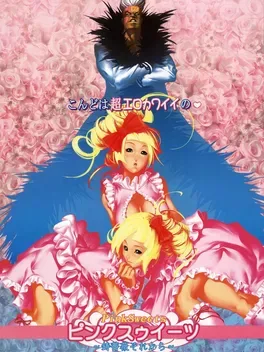
Pink Sweets is a manic shooter. Its story presents an alternate universe version of Ibara; in this universe, none of that game's villains died, and the player controls one of the four boss characters from the previous game. It presents a similar rose-draped steampunk aesthetic which provides an excuse for the player's ships to fly through a very floral 19th century. Designer Shinobu Yagawa drew on his experience working on Raizing games such as Battle Garegga to present a game that plays a bit differently from the traditional Cave mold. The player's ship has a traditional shmup-style shot, but is also able to charge a special attack by not firing. A fully-charged, unfired special attack acts as a form of shield that can cancel certain enemy bullets; when fired, the fully-charged special attack acts as a kind of miniature bomb.
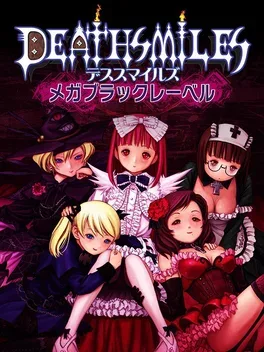
Deathsmiles Mega Black Label is an especial edition of the game released for arcades in Japan. It added Sakura as playable character, as well as the Crystal Shrine stage, and Level 999 difficulty level. There are other scoring changes.