
Noël: La Neige



Buy
Part of franchise:
Noel
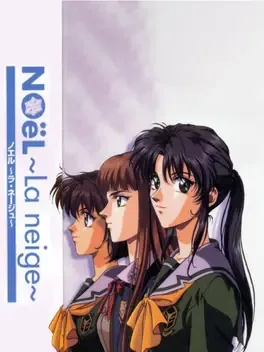
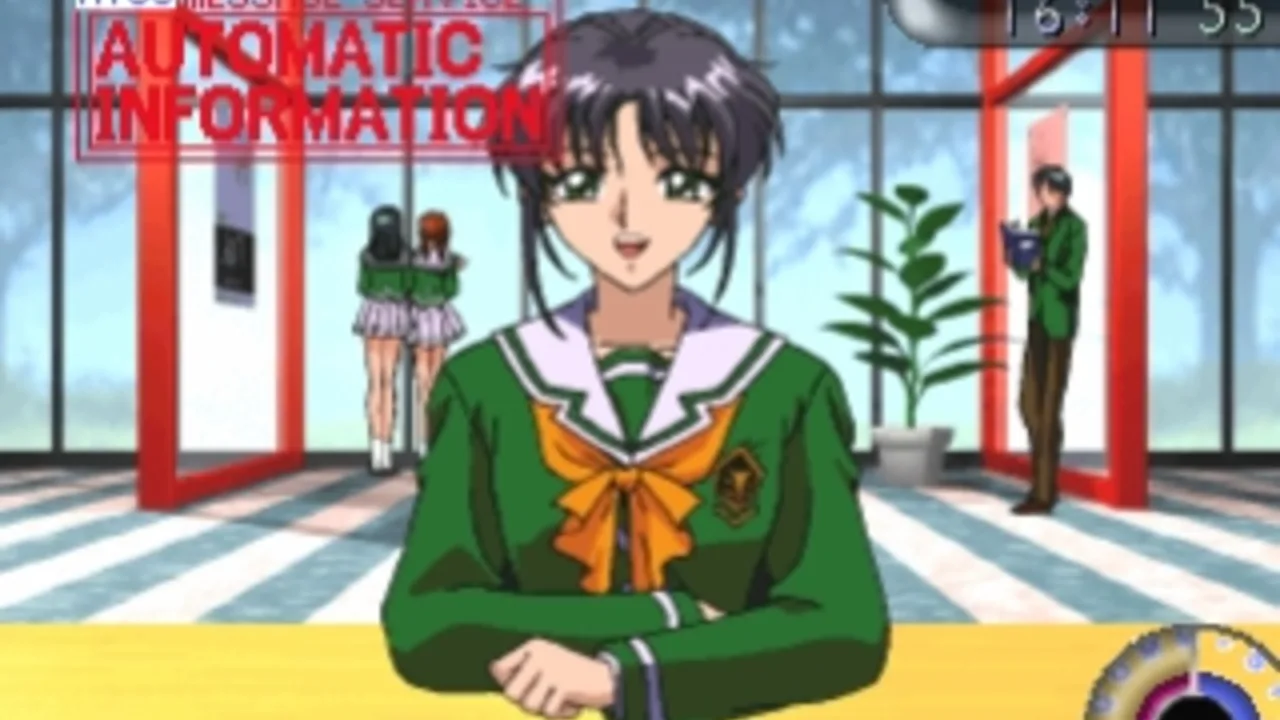
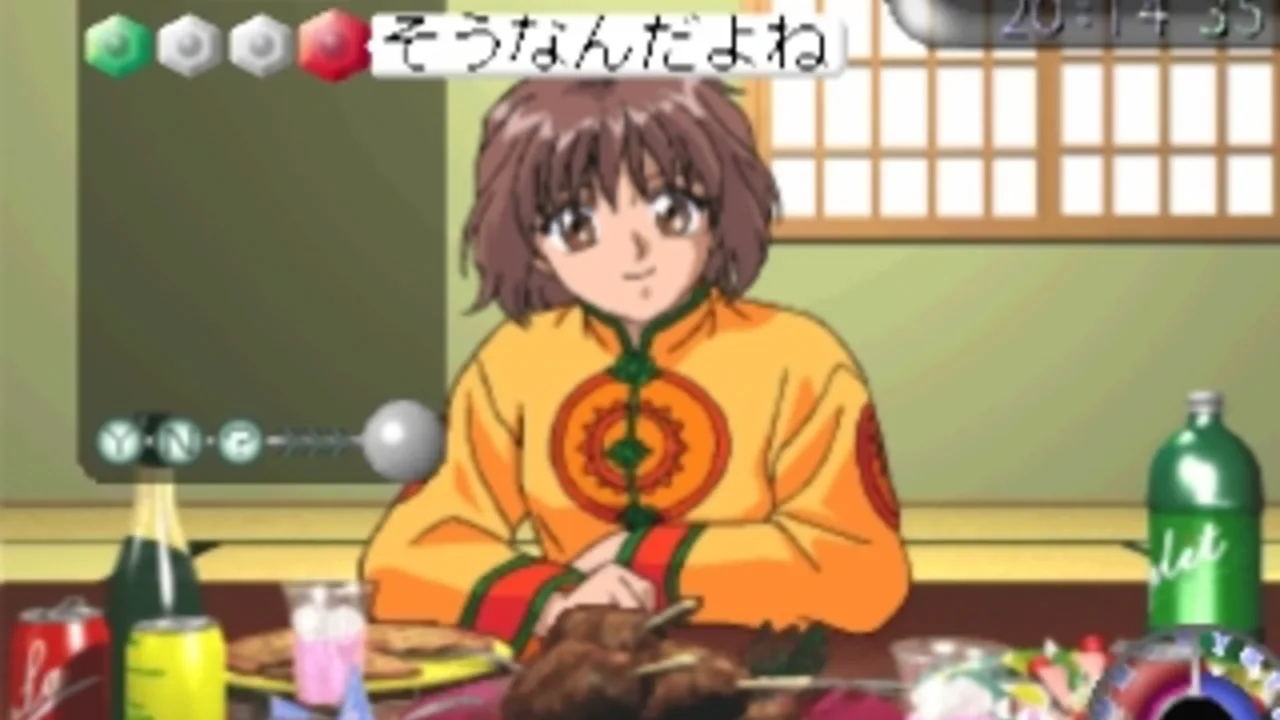
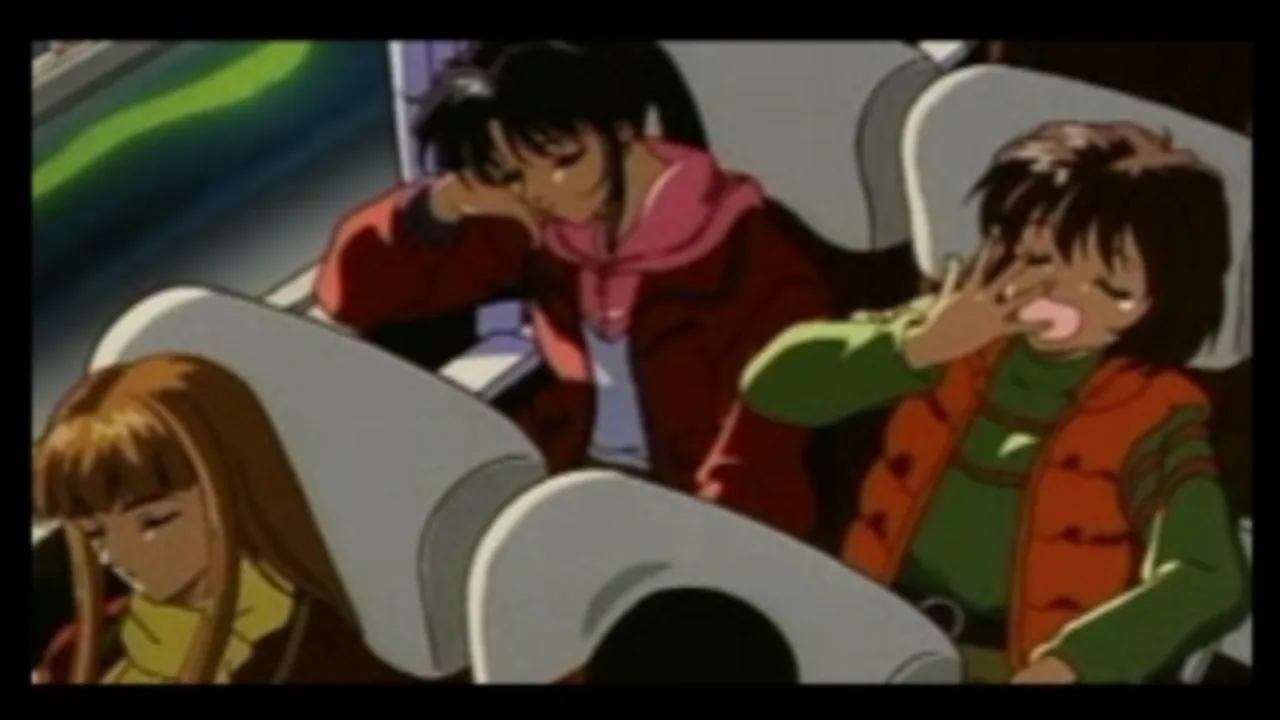
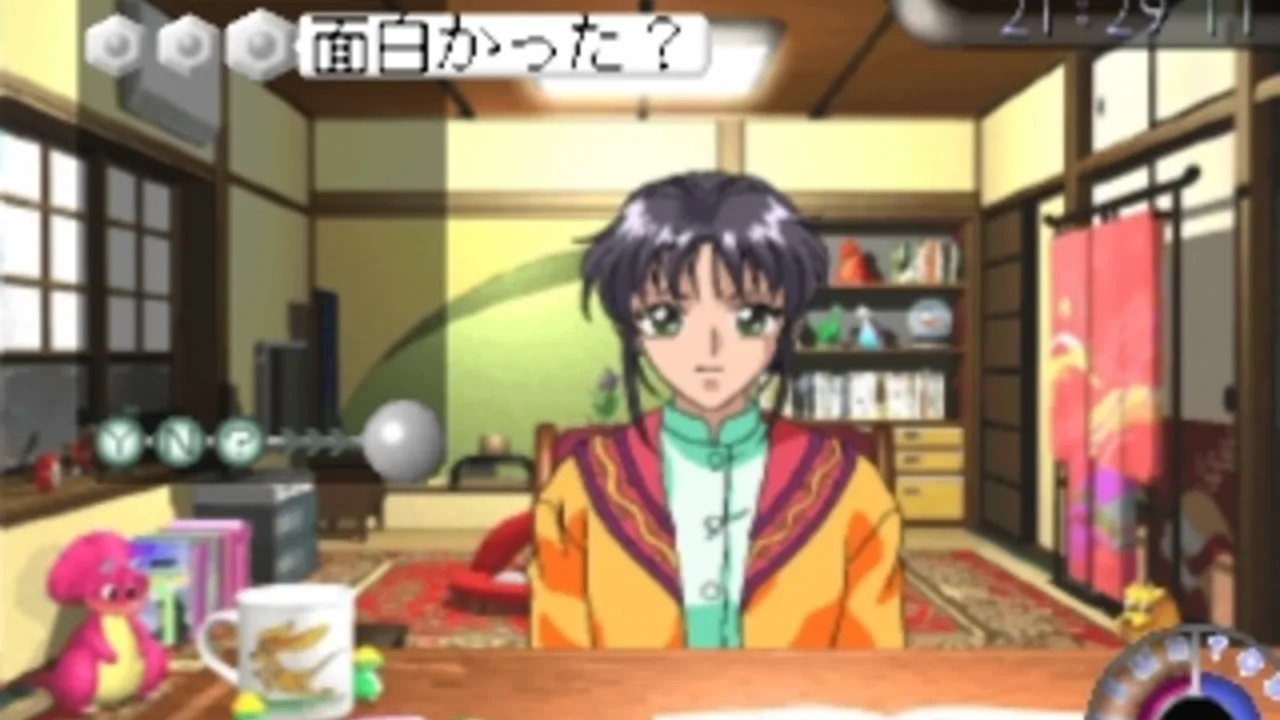
Noël: La Neige is the second game in the Noël series. In the game you have to communicate with the three girls you met and get acquainted with them by talking to them with video phone and create a future for you and them. The game features Japanese voice acting and lots of full motion video sequences.
Noel: Not Digital is a simulation game in which player is given four months’ time to communicate with girls met in a beach resort during summer. Enjoy communicating with the girls and write the future with them today.
Could be interesting
It has all the features, flexibility, art, animation, and power you need to create an environment of your dreams. Choose from a selection of bonus cities and scenarios to rule or ruin as you please. Build schools, libraries, hospitals, zoos, prisons, power plants, and much more... Lay down roads, railways, and highways. Explore the underground layer and build subways and utilities without compromising your aesthetics. Customize different buildings or design your own graphics sets from scratch. This is the ultimate classic Maxis city-building and management simulation. If this game were any more realistic, it'd be illegal to turn it off!
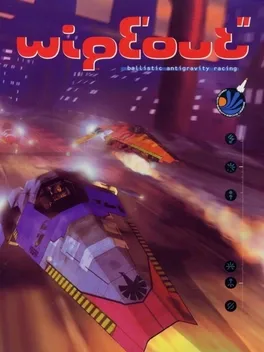
Wipeout is a racing game that is set in 2052, where players compete in the F3600 anti-gravity racing league. The game allows the player to pilot one of a selection of craft in races on several different tracks. There are four racing teams to choose from, and two ships for each team. Each ship has its distinct characteristics of acceleration, top speed, mass, and turning radius. By piloting their craft over power-up pads found on the tracks, the player can pick up various weapons and power-ups such as shields, turbo boosts, mines, shock waves, rockets, or missiles. The power-ups allow the player to either protect their craft or disrupt the competitors' craft.
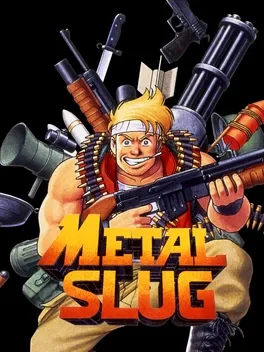
Metal Slug is a 1996 run-and-gun arcade video game originally developed by Nazca Corporation and released by SNK for the Neo Geo MVS. It is the first installment in the eponymous series. Set in 2028, players assume the role of Peregrine Falcon Strike Force soldiers Marco Rossi and Tarma Roving in a fight against the Rebel Army led by Donald Morden and overthrow his coup d'état to prevent a New World Order.
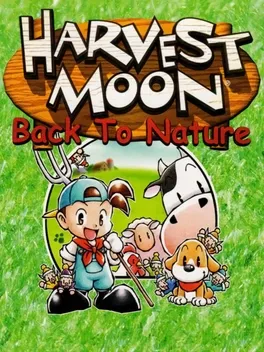
Natsume's farm simulation series makes its debut on the PlayStation with Harvest Moon: Back to Nature. It is the first Harvest Moon game for a non-Nintendo console. Starting with a few rudimentary implements and very little money, players begin the arduous task of reviving their grandfather's farm and thereby claiming their place as its rightful heir. Players are given three years to achieve this goal. A year consists of four seasons, each of which lasts 30 days. Different crops can be planted each season, but before the seeds can be planted, the land must be cleared and then the soil tilled. Seeds must also be watered until the fruit or vegetable matures. Once the crops are ready for harvest, they can be placed in a shipping bin where they'll be collected and paid for. In addition to farming, players will interact with local villagers and partake in seasonal events such as the Tomato Festival and Fireworks Display. As more money is earned, players can expand their farm and begin to raise livestock such as chickens and cows.
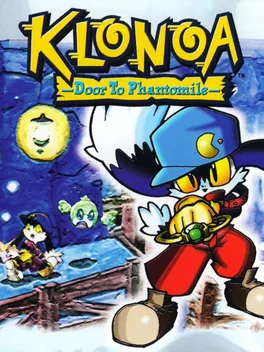
Klonoa: Door to Phantomile is a side-scrolling platform game viewed from a "2.5D" perspective. The player moves the protagonist, Klonoa, along a path in a two-dimensional fashion, but the game is rendered in three dimensions. This allows the path followed to curve and for the player to interact with objects outside of the path.
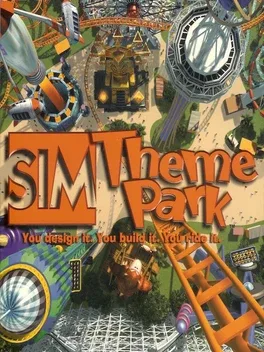
Like the previous title, Theme Park World tasks players with managing a series of amusement parks. To do this, the player must choose how to spend their available funds, finding a way to expand the number and scope of their parks while remaining profitable. Income from the park can be used to purchase new rides or attractions, hire staff to maintain the park, and other similar functions. Various elements can be controlled by the player, such as the name of the park, the price of admission, the layout of the roller-coaster tracks, and the quality of food in the park restaurants. An ant-like announcer by the name of Buzzy, voiced by Terry McGovern in the American-tailored Sim Theme Park and Lewis MacLeod in UK release Theme Park World, helps the player with advice during gameplay.
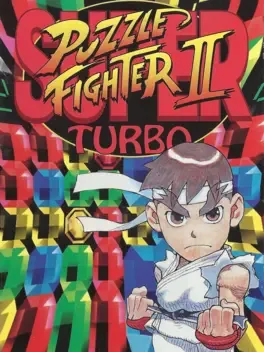
The game's title is a parody of Super Street Fighter II Turbo (or Super Street Fighter II X in Japan), as there are no other Puzzle Fighter games, and the game includes music and interface elements spoofing the Street Fighter Alpha and Darkstalkers games. It was a response to SEGA's popular Puyo Puyo 2 that has been sweeping Japanese arcade. A HD-remake version titled Super Puzzle Fighter II Turbo HD Remix, is available for purchase on Microsoft's Xbox Live Arcade and Sony's PlayStation Network.
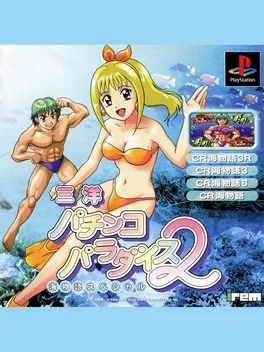
Pachinko Paradise 2 is the second title in Irem's long-running pachinko simulation series. It features reproductions of four pachinko machines made by Sanyo Bussan: CR Umi Monogatari 3R, CR Umi Monogatari 3, CR Umi Monogatari 6, and CR Umi Monogatari. There are two modes available: Tsūjō (Normal) mode allows the player to modify a wide range of settings for each machine, while Jissen (Battle) mode challenges the player to win as many balls as possible on the default settings with a limited starting pool and time limit. There is also a View mode where the various animations that play on the in-game display can be freely viewed. Unlike the previous title, there is no story mode.

Hanafuda Graffiti - Koi Monogatari uses that Hanafuda rules and features different girl character to play vs and also different game modes (story and vs). In the story mode the player controls a young boy that will go around town meeting different girls and play hanafuda games with them.
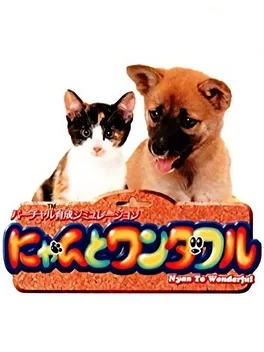
Nyan to Wonderful is a pet simulation game that is about training a cat or a dog. The game features different cat and dogs species and uses a 3D engine with different camera angles. The player can use different toys and musics to train his pet, and give him or her different kind of meals. There is a photograph mode and a gallery mode can also be unlocked. The game features other game modes that can be unlocked playing the main game.