
Onimusha Tactics


Buy
Part of collection:
Onimusha
(last 3 games)
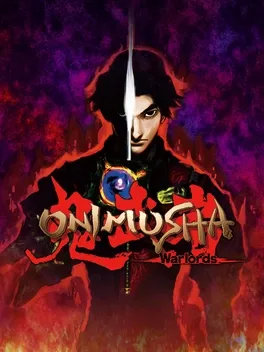
This enhanced HD version of Onimusha: Warlords now supports 16:9 wide screen resolution as well as the old 4:3 ratio. Improved controls now allow players to move and fight with analog-stick precision. The Japanese voices have been re-recorded for this remaster, and the brand new soundtrack promises to be even more spectacular than the original.

Onimusha Soul is a web-oriented game based on the Onimusha series of samurai action games. The game is a Sengoku simulation RPG and features many cameos in the form of cards from other characters (mostly female) in the Capcom universe.
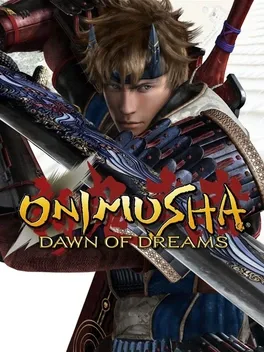
Onimusha: Dawn of Dreams is the sixth installment of Capcom's Onimusha series and the fourth game in the canonical main series. While the game retains the action elements from previous Onimusha titles, it offers a wider variety of weapons and the option to return to earlier stages to unlock new content. The game also introduces a 3D camera and the ability to continuously fight alongside AI-controlled characters that follow the player's orders. Capcom announced Dawn of Dreams in response to high fan demand and after several Capcom members realized they could expand Onimusha's action elements following their work on Shadow of Rome. The game was designed to appeal to skilled gamers rather than the general market, resulting in designs that prioritize appeal over realism.
Could be interesting
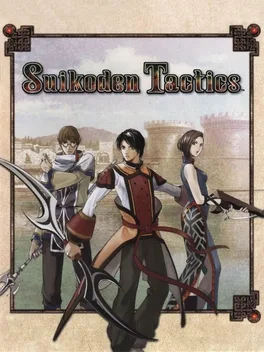
Breaking from its traditional role-playing roots, Suikoden Tactics incorporates simulation and strategy elements to take players on an adventure never seen before in the franchise. Told through the eyes of Kyril, a young adventurer investigating the sudden appearance of hideous creatures in the island nations, Suikoden Tactics unfolds another perspective to the events of Suikoden IV and the legendary "Rune Cannons." In all, there are more than 25 different battle scenarios, the ability to modify and customize your character as the game progresses, and a unique "Combination Attack system" that allows players to combine the powers of numerous characters in combat as they build friendships.
Onimusha: Dawn of Dreams is the sixth installment of Capcom's Onimusha series and the fourth game in the canonical main series. While the game retains the action elements from previous Onimusha titles, it offers a wider variety of weapons and the option to return to earlier stages to unlock new content. The game also introduces a 3D camera and the ability to continuously fight alongside AI-controlled characters that follow the player's orders. Capcom announced Dawn of Dreams in response to high fan demand and after several Capcom members realized they could expand Onimusha's action elements following their work on Shadow of Rome. The game was designed to appeal to skilled gamers rather than the general market, resulting in designs that prioritize appeal over realism.

Laser Squad is a turn-based tactics war game where the player completes objectives such as rescue or retrieval operations, or simply eliminating all of the enemy by taking advantage of cover, squad level military tactics, and careful use of weaponry. The squad's team members are maneuvering around a map one at a time, taking actions such as move, turn, shoot, pick up and so on that use up the unit's action points. More heavily laden units may tire more easily, and may have to rest to avoid running out of action points more quickly in subsequent turns. Morale also plays a factor; a unit witnessing the deaths of his teammates can panic and run out of the player's control. Including the expansion pack, there are seven scenarios in total, each one with its own difficulty settings and squad allocation Laser Squad originally came with five mission scenarios, with an expansion pack released for the 8-bit versions, containing a further two scenarios. Reaction from gaming magazines was positive, gaining it high review rating and several accolades. The legacy of the game can be seen in other titles like the X-COM series, especially the acclaimed UFO: Enemy Unknown which was also created by Julian Gollop and was initially conceived as a sequel to Laser Squad
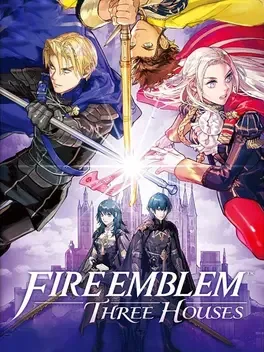
Fire Emblem: Three Houses is a tactical role-playing game developed by Intelligent Systems and Koei Tecmo for the Nintendo Switch. Players take the role of a professor at Garreg Mach Monastery, where they teach and guide one of three student houses. Gameplay combines turn-based battles, character development, exploration, and relationship-building.

Set against the backdrop of the Sengoku Jidai (Warring States) period from the 15th to the beginning of the 17th century, Shogun: Total War is a real-time tactics and turn-based strategy game with a strong focus on historical authenticity. Players assume control of a daimyo (leader) of a contemporary Japanese clan and attempt to conquer the nation and claim the title of supreme Shogun, the undisputed military ruler of Japan. The gameplay consist of two parts – a turn-based Risk-style mode on a 2D campaign map of Japan where the player must recruit, manage and move their armies, conduct diplomacy, trade, espionage, sabotage and assassinations. This 2D map however ultimately serves to provide context for the 3D real-time battles that make up the main part of the game and occur whenever your army crosses into enemy territory or two opposing forces meet on the campaign map.

Train your folks, defeat monsters and upgrade your town!
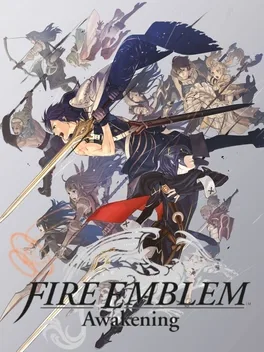
Armies clash as the world burns. As an inevitable war draws ever closer, you must stand with Chrom and his forces--knights, mages, archers, and more--commanding them against the armies of kingdoms, empires, and the dead themselves. Plan your strategery. Move your troops on the battlefield, then choose their weapon and attack. Using the new Pair Up and Dual systems, support your attacks with the help of nearby allies and watch their skills and relationships grow.

Phoenix Point is the new strategy game from the creator of the original X-COM series. It features turn based tactics and world based strategy in a fight against a terrifying, alien menace.

The ninth release in KOEI's Romance of the Three Kingdoms series casts players as rising rulers in ancient China and challenges them to unite the land under their rule. Following the basic design of earlier titles, players develop and manage large armies as they maneuver across the wide countryside, using both military force and diplomatic finesse to win territory and followers. The hard-core strategy framework is fleshed out with a variety of mission types, branching storylines, and an embellished adherence to the actual history and culture of the setting. Features in this edition include the ability to manage both political and military aspects of the empire, at the same time, allowing players to continue to negotiate while their troops are in battle. While this version of the game resumes the limitation that player characters must be of the Ruler class, officer development has been revised to allow greater control in developing followers. KOEI fans who also play Dynasty Warriors 4 and Dynasty Tactics 2 can use their save files to unlock a powerful, exclusive officer character. More than two-dozen Challenge scenarios, including 15 historical battles Use diplomacy and military might at the same time or shift strategies when appropriate More than 30 different tactics involving 12 military formations

Front Mission 3, also known in Japan as Front Mission Third, is a tactical role-playing game developed and published by Square for the PlayStation. It was released in Japan in 1999, and North America by Square Electronic Arts and Europe in 2000. Front Mission 3 is the third main entry and the fifth entry overall in the Front Mission series. Like other Front Mission titles, Front Mission 3 is part of a serialized storyline that follows the stories of various characters and their struggles involving mecha known as wanzers. Front Mission 3 was the first title in the Front Mission series to be released in North America, Europe and Australia.