
Panel de Pon


Buy
Part of collection:
Panel de Pon
(last 3 games)

A mini version of Planet Puzzle League.

Use the DS stylus to grab panels and slide them left and right. If you match three or more panels of the same color, they will vanish. Form chains and combos to create cascading waterfalls of panels to rack up high scores! The basic game play is similar to the classics Tetris Attack and Pokémon Puzzle League, but the Touch Screen gameplay adds a new dimension of fun, giving Planet Puzzle League a bright new feel! This is the first game in the Panel de Pon series (in Japan) which doesn't have the traditional fairy characters of the Panel de Pon franchise.
Panel de Pon is a game included in Nintendo Puzzle Collection for the Nintendo GameCube, which is the finished version of the cancelled Nintendo 64 video game Panel de Pon 64. The cancelled version ended up being released as Pokémon Puzzle League, albeit it was rebranded and featured characters from the Pokémon anime instead of the traditional fairies from the Panel de Pon franchise. A Nintendo 64 prototype is known to exist, but it is currently publicly unavailable.
Part of franchise:
Panel de Pon
(last 3 games)


The charming community-building franchise returns for with Animal Crossing: New Leaf. The Nintendo 3DS entry into this popular franchise introduces a number of options new to Animal Crossing, including the ability to become the head of the village and boost its development, a way to install certain items in the village to make its characteristics more personalized for each player, and the ability to view homes of other players who are tagged through StreetPass connections.
A mini version of Planet Puzzle League.
Could be interesting
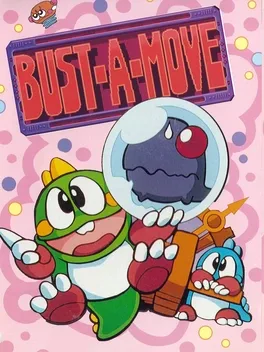
Bust-A-Move (also known as Puzzle Bobble) is a real-time puzzle game in which the player controls a device called "pointer" at the bottom of the screen, aiming and releasing randomly colored bubbles upwards. Depending on the aiming, the bubbles may float up directly or bounce off the walls, changing their trajectory. The goal is to aim the bubbles in such a way that they will touch identically colored ones. When such bubbles form a group of three or more, they pop and disappear from the screen. If the ceiling of the area is covered by too many bubbles, it will gradually descend; the game is over when it nearly reaches the player-controlled pointer. Should the player fail to release the bubbles within a specific time limit, they will be released automatically, unaffected by the pointer's aiming.
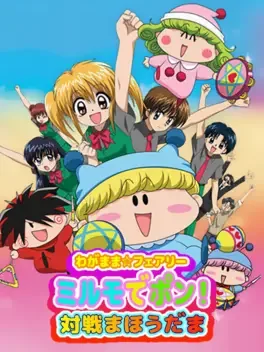
Wagamama Fairy: Mirumo de Pon! Taisen Mahoudama is a Taisen Puzzle-Dama game featuring characters from the slice of life manga and anime series Wagamama Fairy: Mirumo de Pon!

Lufia II: Rise of the Sinistrals serves as a prequel to Lufia & the Fortress of Doom, unfolding its events ninety-nine years before. The narrative delves into the origins of the series' antagonists, the Sinistrals, a group of super-humans. Players take on the role of the ancestor of Maxim, the protagonist from the first game, as he embarks on a quest after encountering Iris, a mysterious woman. Maxim seeks other heroes to join forces in preventing the Sinistrals from wreaking havoc and destroying the world. Like its predecessor, Rise of the Sinistrals follows the Japanese-style turn-based RPG format with an infusion of puzzle elements. The game incorporates intricate puzzles into its dungeon designs, requiring players to use various items and accessories for solving. Additionally, it introduces the "Capsule Monsters" system, allowing summoned monsters to participate in battles. These creatures evolve through the consumption of weapons, armour, or special fruits. Unlike the first game, dungeons in Rise of the Sinistrals lack random battles, with enemies visibly moving on-screen.
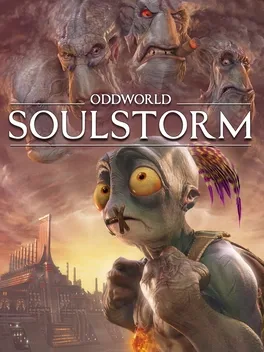
Oddworld: Soulstorm is a modern re-imagining of the 1998 title Oddworld: Abe's Exoddus. It serves as a direct sequel to Oddworld: New 'n' Tasty. The player controls Abe, a reluctant hero who inadvertently sparked an uprising and now must lead his fellow Mudokons in their fight for freedom against the Magog Cartel and the planet’s ruling power.

The flu season has come about, and it's Dr. Mario's duty to use his Megavitamins to heal the people of the land. However, Wario, wanting to have the fame that Dr. Mario has, attempts to steal the Megavitamins, but to no avail. Afterwards, Mad Scienstein and Rudy the Clown (from Wario Land 3) steal the Megavitamins, and both Dr. Mario and Wario give chase.

A generic memory game based on the cartoon

A generic memory game based on the cartoon
See how many questions you can answer before it's Game Over. Sounds simple? Think again... the questions are BASTARD hard and require obscure insane logic, super fast reactions or just pure luck to answer correctly. It's not actually impossible though, just really really hard. GOOD LUCK! Mwahahah! :p
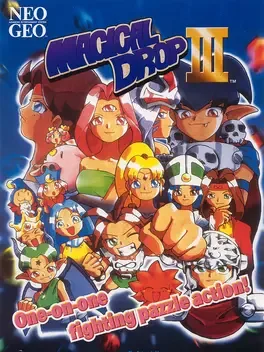
Control a clown to pull in and throw back balloons hurled from the top of the screen. If you line up three or more balloons of the same color in a vertical row, they will burst. If you're not quick enough, the balloons will squash the clown and the game is over. Once you've got the hang of bursting balloons, you'll need to master combos and chains. The third Magical Drop game, first released in 1997, was also developed for the Neo Geo. This games adds representatives for the remaining Tarot Major Arcana, as well as introducing a "daughter" Strength character that more closely resembles the traditional depiction of Strength. The game adds a third button, which allows players to add rows to their field at any time. Additionally, attacks now sends lines to the opponent in non-even rows that vary by character. Hirameki mode is replaced by Adventure Mode, which is a board game that challenges players to reach Empress before CPU-controlled rivals. The English versions of Magical Drop III remove the hardest difficulty setting in Vs. CPU Mode and rival opponents in Adventure Mode.

It is the 2nd anniversary game in the series and as such shares more similarities to "Puyo Puyo! 15th Anniversary" than "Puyo Puyo 7". This game came out 4 months before "Sonic Generations", which is also commemorating the 20th anniversary of the Sonic games. There are 24 playable characters available, each with their own 8-stage course (similar to Puyo Puyo! 15th Anniversary). This game, as it's predecessor, was released only in Japan.