
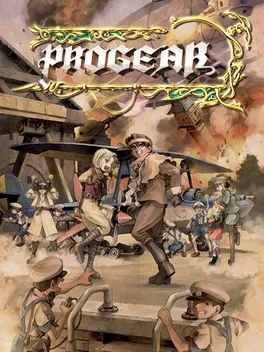
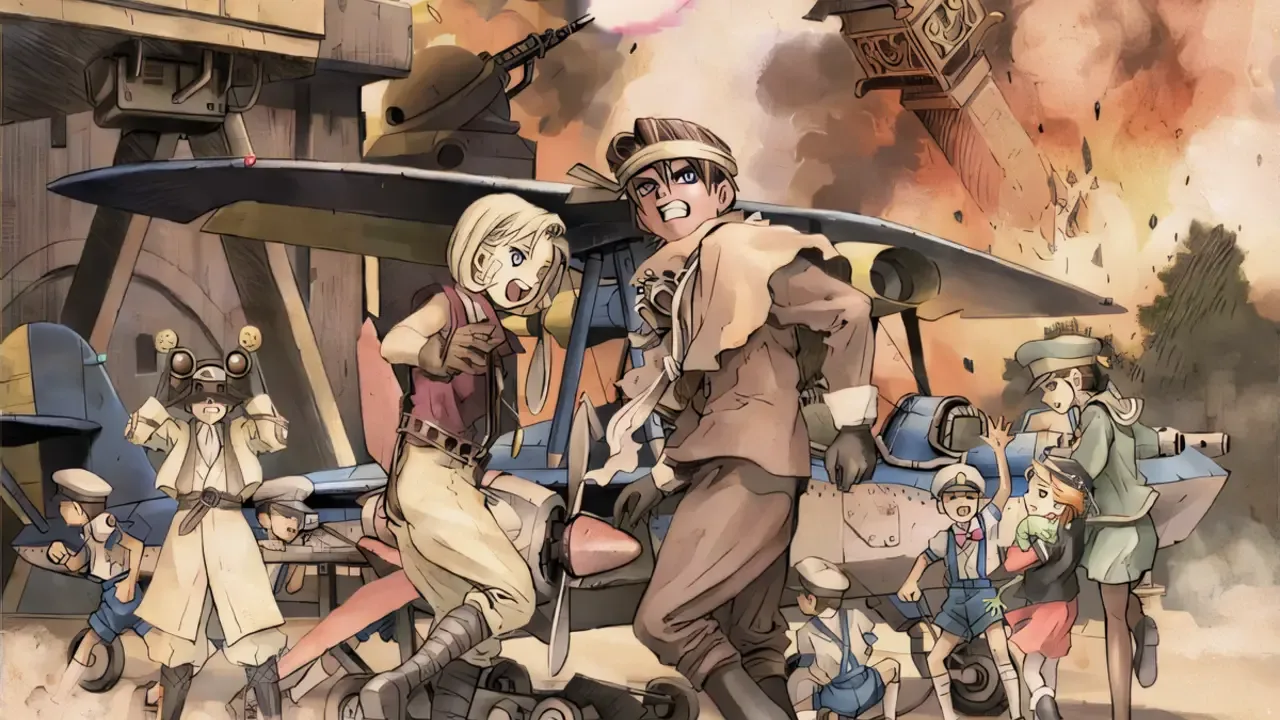
Progear


Buy
Could be interesting
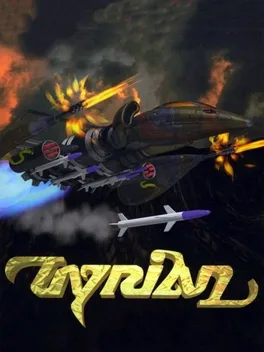
Tyrian is a scrolling shooter computer game developed by World Tree Games Productions and published in 1995 by Epic MegaGames. The game was officially released as freeware in 2004, and the graphics were made available under an open license in April 2007. Tyrian was programmed by Jason Emery, illustrated by Daniel Cook, and its music composed by Alexander Brandon and Andras Molnar.
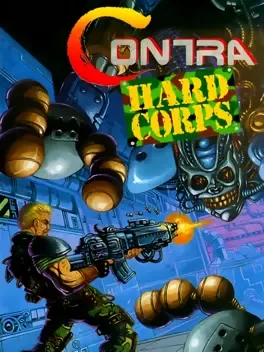
Kickin' cyborg butt... That's what it's all about, dude. Jack into this game of genetic engineering gone bad. Real bad. It's five years after the mother of all wars ended - and things still aren't right. Your job is to fix it. The ever-popular Contra series makes its Sega Genesis debut with a pulse-pounding new storyline. At 16 megs, HARD CORPS pushes the technology to bring you over ten gut-wrenching levels with huge boss characters, great graphics and dynamic sound. Find high powered weapons such as the homing gun, crush gun, needle laser or mine setter. Do you think you can handle it? Trust me, you can't. You still here? Okay, then get ready for the fight of your life. Pick one of the four heroes and begin your search across many dark levels of doom. The ending changes, depending on the paths you choose - but every pass crosses boss characters that will blow you away. Literally!
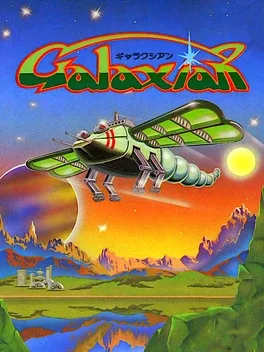
Galaxian is a shooter arcade game developed by Namco in 1979. It was released by Namco in Japan and a few months later by Midway Games in North America. The game was developed to compete with Taito Corporation's Space Invaders, released a year earlier, and featured a similar space theme. The player controls a space ship in the bottom part of the screen and shoots at enemies descending from the top of the screen. The game was received very well by the public and has continued to be a game with a competitive community to this day. It was followed by a successful sequel called Galaga in 1981 and two less known sequels called Gaplus in 1984 and Galaga '88 in 1987. Galaxian was one of the most popular games in the golden age of arcade video games.
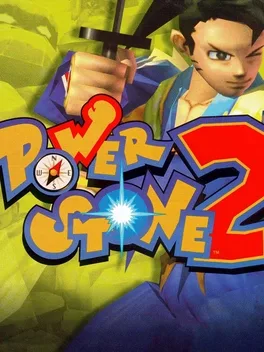
is a multiplayer fighting game that built on the innovative gameplay introduced by its predecessor, Power Stone. Power Stone 2 allows up to four players to choose from multiple characters and utilize items such as tables, chairs, and rocks in battle. There are four different modes available for the game 1-on-1: Much like the original Power Stone, a two-character storyline game. Arcade: A four-character storyline game, with two characters advancing each round. Original: Multiplayer mode, with free choice of characters and stages. Adventure: An unpredictable storyline game, where players can collect items, cards and money. Power Stone 2 offers five interactive 3-D stages to begin with, plus the two boss stages which players can also access in Original mode. All but the Original mode is played out like a storyline, where two battles are fought on the regular stages, followed by the Pharaoh Walker boss, then another battle, and ending with the Dr. Erode boss stage. Three extra stages may be unlocked for Original mode by meeting certain requirements in Arcade mode, as well as a desert area stage, which is essentially the Pharaoh Walker boss stage, but without the boss. Though each player has their own set of default ground and air attacks, the character can execute more powerful fusion attacks after collecting three Power Stones and transforming. Power Stone 2 does not offer an opportunity to block, although tapping on the control pad just before an enemy attacks will cause you to dodge. Most of the stages are dynamic and will change as the battle progresses. For example, the airplane stage starts out on a warplane. After a set amount of time, the plane will fall apart, forcing all the players to battle while skydiving toward the ground. Shortly after, the players will fall onto a floating platform, where the remainder of the battle will be held. This, in essence, creates three sub-stages within a single one. Each stage is also littered with item boxes, which hold a random item that a player has acquired and unlocked in Adventure mode or created in the Item Shop. They may also contain Power Stones. Items are extremely diverse. Damaging items range from guns, flamethrowers, gigantic hammers, a wide assortment of swords, to bear traps, roller blades, and even a magazine that can be thrown. Non-damaging items include food that will replenish health, shields for defense, elixirs for invisibility, adhesive sprays to slow your opponents, and wings for extra jumps. Cards that can be used to mix items can also be found in Adventure mode. Furthermore, most stages also have their own collection of unique items and fixtures that the player can use. For example, the submarine level comes with turrets, small planes to drop bombs, and icebergs to throw at opponents. Each level is also highly interactive, as players can use many of the stage elements themselves. All players can also gain extra height by jumping off a wall.
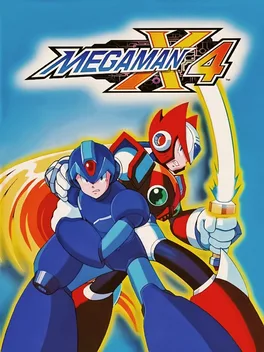
Mega Man X4, known as Rockman X4 in Japan, is the fourth game from the Mega Man X series. It was the second game in the series to be released on the Sega Saturn and Sony PlayStation (although it is the first original game; Mega Man X3 was ported to the systems), released in 1997 (and also re-released onto PlayStation as part of its greatest hits in 2002). It was later ported to the PC in 1998 and then re-released as part of the Mega Man X Collection
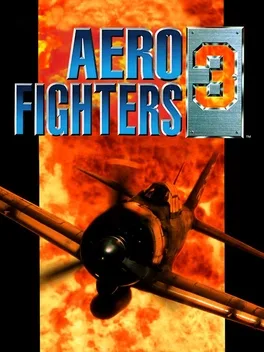
When enemy forces wipe out the jets of the Aero Fighters, they must scramble using heavily-modified World War II warplanes in the third installment of the comical Aero Fighters series.
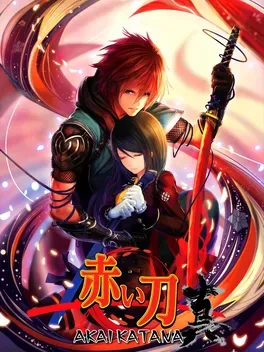
"Akai Katana" is a horizontally scrolling shooter bullet hell developed by Cave and released in Japan on August 20, 2010 for arcades. A port to the Xbox 360 with additional game modes, "Akai Katana Shin", followed on May 26, 2011 in Japan. Rising Star Games published the console release in North America and Europe on May 15, 2012 simply as" Akai Katana".
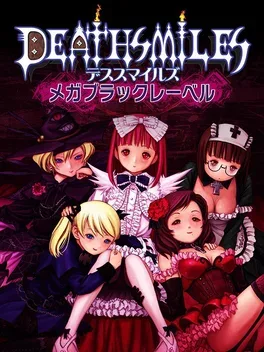
Deathsmiles Mega Black Label is an especial edition of the game released for arcades in Japan. It added Sakura as playable character, as well as the Crystal Shrine stage, and Level 999 difficulty level. There are other scoring changes.
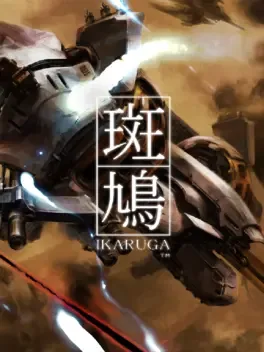
In this vertical scrolling spaceship shooter, you control a ship that can change its polarity at will. As blue/white, the ship can easily destroy red/black enemies, and vice versa. Bullets of your polarity can be collected to fuel your energy gauge, but those opposite will kill you. Destroying an enemy ship causes them to fire revenge bullets which can be absorbed and fired back by the player. Different difficulties exist to change exactly how you interact with polarized points, or how they appear. It is the spiritual successor to Radiant Silvergun, featuring similar level and boss design, as well as it's buddhism inspired themes and aesthetics. Both are directed by Hiroshi Iuchi, who also composed Ikaruga's soundtrack.
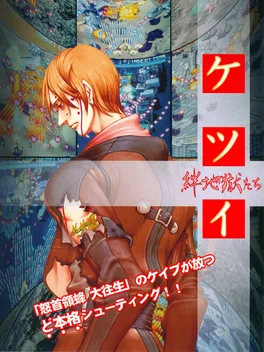
Ketsui: Kizuna Jigoku-tachi is a vertical bullet hell shoot 'em up developed by Cave and released in 2003.