


Buy
Could be interesting
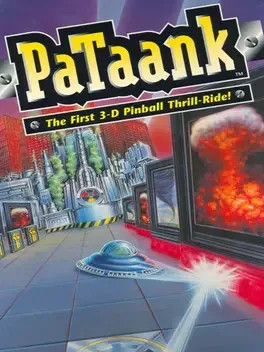
If you've ever thought of what it feels like to be the ball in a pinball machine, playing PaTaank might give you some idea. Instead of flapping the flippers, the player controls the ball, or in PaTaank, a UFO-shaped puck around the three different tables. The tables are named Surf Room, Luv Room, and Disaster Room and they are connected to each other via Nexus. Player can choose to play one room or in the MetaGame mode, all of them in sequence. Each room has an objective and in the MetaGame mode, player must reach that objective to advance into the next room via the Nexus. Like any pinball, there are targets, tunnels, blocks, and all sorts of flashing things that increase the score, light up letters, or grant bonus items. In addition to inertial control of the puck, player can apply thrust, which is limited, and activate magnetos, which are scattered around the room.
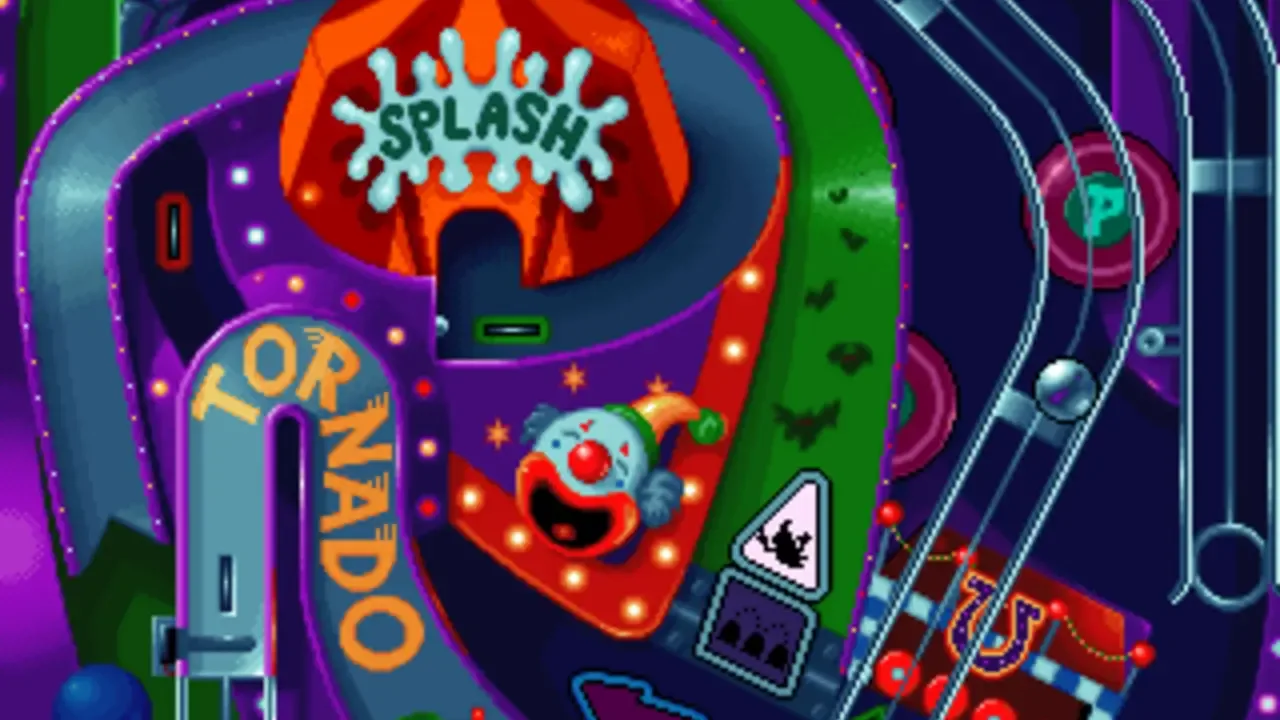
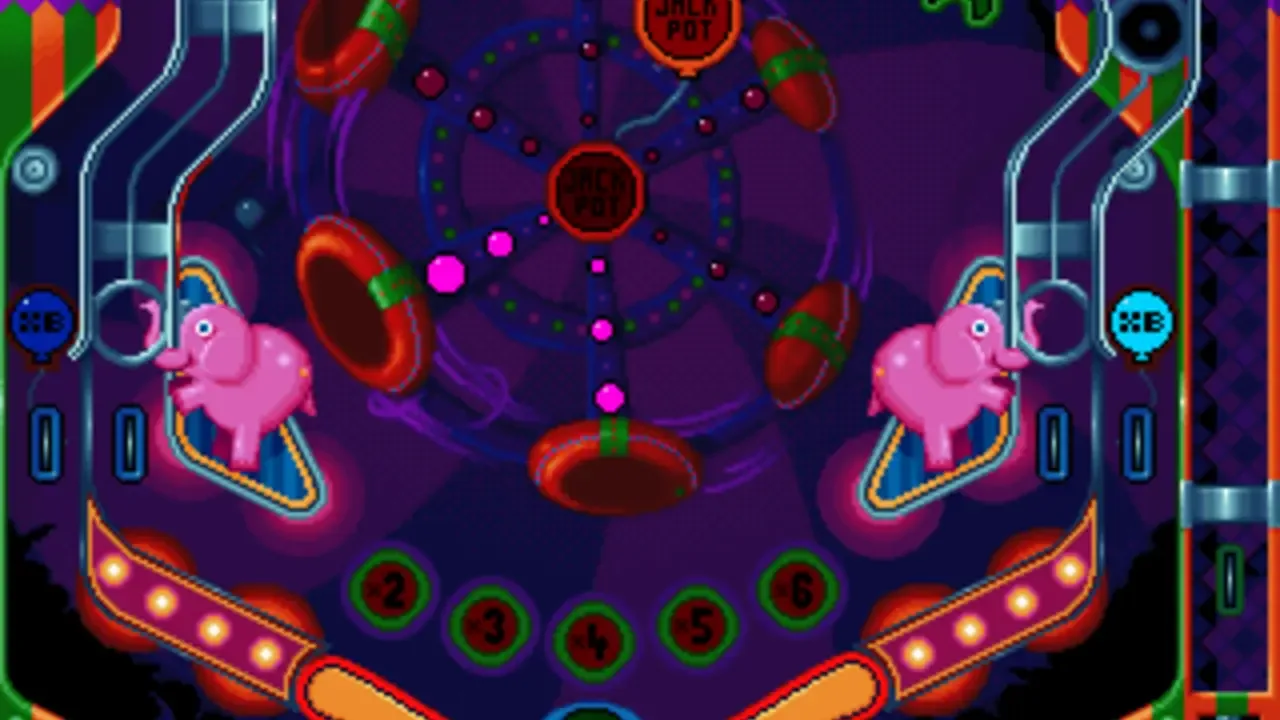
After the success of Pinball Dreams on several systems, a sequel featuring four new tables was created. The gameplay is much the same as the first game, with realistic physics, multi-player options and a high score table to aim for. The tables are Partyland, Speed Devils, Billion Dollar Gameshow and Stones 'n' Bones, taking in a funfair, racing cars, a tacky game-show, and a graveyard. Each one has a range of ramps, combos, light sequences and targets to shoot, as well as general themes which are less influenced by real tables than those in Pinball Dreams.
Timeshock! is a 1997 pinball computer game developed by Cunning Developments and published by Empire Interactive. It is the second game in the Pro Pinball series, and is themed around the concept of time travel. The inclusion of a time machine fixture on the table facilitates the game's time travel theme. At any one time the player is in one of a handful of time zones, the main ones being: The Present Day, The Distant Future, Ancient Rome and The Prehistoric Age. Completion of certain objectives allows the player to travel between time zones (although some must be unlocked first, by means of completing secondary objectives). Although the basic method of playing is persistent across time zones, the details of particular awards and objectives are themed towards the current time, for example, you might be awarded with a ray gun in the future, whilst in the present day you might be awarded with a magnet. This provides variety, and helps facilitate a wider set of goals.
Obsession is a pinball game for the Amiga and Atari STE.
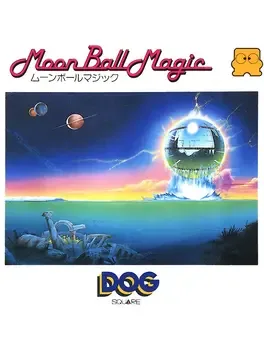
A pinball game published by Squaresoft for the Famicom Disk System. Moon Ball Magic is a pinball game released exclusively through the Famicom Disk System's "Disk Writer" service, where the player must write the game onto an existing FDS disk before playing it. As such, it has no box art and is difficult to find. It was published by Squaresoft through their DOG label, though it (and Akuu Senki Raijin, which was released on the same day) would be the last games ever published through that label - Square would focus on regular Famicom carts from then on. Moon Ball Magic begins with a fake-out, as dropping the ball in one of the nearby holes will begin an elaborate intro sequence which the player can control. Whatever score they earn will also carry over into the game proper once it begins. The game has eleven tables and the player can move to the next one by putting the pinball down a difficult-to-reach hole. Later levels provide more points, though are more difficult as well.
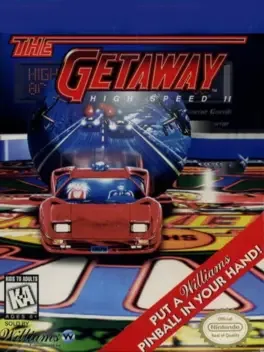
The Getaway: High Speed II is an Action game, developed by Unexpected Development and published by Williams, which was released in 1995.
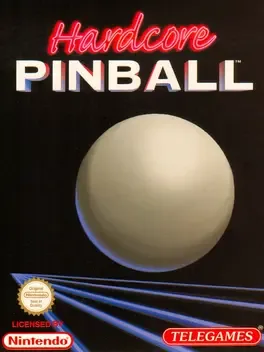
Leave the quarters at home as you take on four themed pinball tables -- Soccer, RoboMech, Retro, and Station -- all brought to life with realistic pinball physics, animated flippers and scoring elements (bumpers, rails, kickers, spinners and more) and digitized music and sound effects.
Pinballistik is a battling pinball game available now on PlayStation Network, and is published by Creat Studios, Inc.
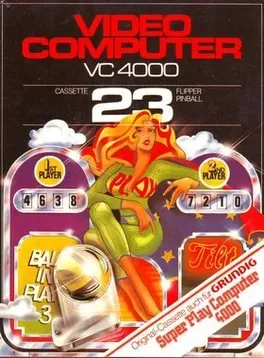
This cartridge contains eight exciting variations of the pinball game for either one or two to play. As in the case of the biggest versions in the amusement centres, the idea is to use the flippers to keep the ball in play for as long as possible and score a maximum in the way of points.
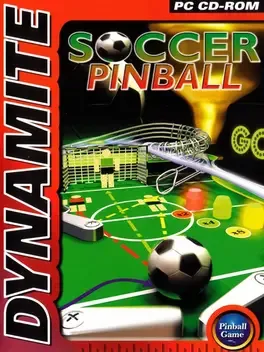
Pinball Soccer '98 tries to break the mold by combining soccer and pinball. The game features two tables, one of which must be unlocked. You defend your own goal with your usual flippers. The goal at the other side is defended by four defenders and a goalie. If you complete objectives you are allowed to perform free kicks, corners and penalties. Referees can roam the playing field to kick back the ball to your flippers. It is possible to play this flipper game in two player mode, in that case both goals receive flippers and the goal becomes to score in one another's goal.