
Puchi Carat


Buy
Could be interesting
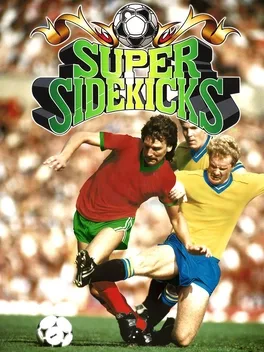
Published in 1993, the original Super Sidekicks (known as Tokuten Ou, "Goal-Scoring King" in Japan) was SNK's first soccer video game. It features 12 teams divided into two groups which compete for the "SNK Cup" (the main differences between teams is their formations on the field): Group A: Germany, Italy, Spain, England, Mexico, Japan Group B: Argentina, Holland, Brazil, France, United States, South Korea The players' team plays against all the others in their group, then it goes into an elimination tournament's semifinals and then the final to win the cup. There was also a hidden feature in the game, which wasn't documented, and affects a single player game. During a free kick for the CPU if the player has tapped button A for player two, the CPU performs a short-shot, while pressing the button A performs a longer kick.
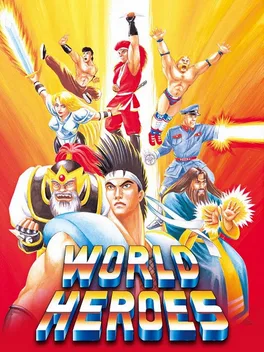
Are you ready for a fierce battle in an ultra-deathmatch!? Who is the greatest hero in the world? You will find out today! A scientist has created a time machine that eight heroes will travel through time with to prove who is the greatest fighter of all time!
Arkanoid Returns is an arcade game released by Taito in 1997 as part of the Arkanoid series. It was the fourth overall, and third to be released in arcades. The game was since ported to the PlayStation, with an updated home release being released afterwards titled Arkanoid R 2000. All versions were released exclusively in Japan, currently making it the only game in the series to never receive an international release. The enemy known as 'DOH' still did not get the message and after many years of silence decides to attack once again. The 'Vaus' space vessel better be ready to face new, yet familiar challenges, in order to stop 'DOH' once again. The gameplay remains similar to Arkanoid: Doh it Again, the previous game in the series released for the Super Nintendo, in that it features the same powerups , some re-used level designs, and the same board size. The initial arcade game contains only 50 levels, the environment changing every 9 levels.
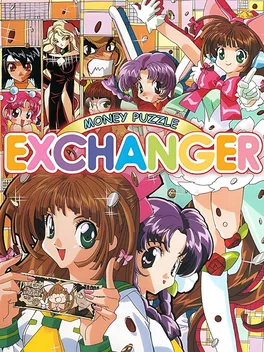
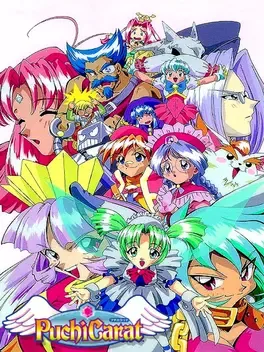
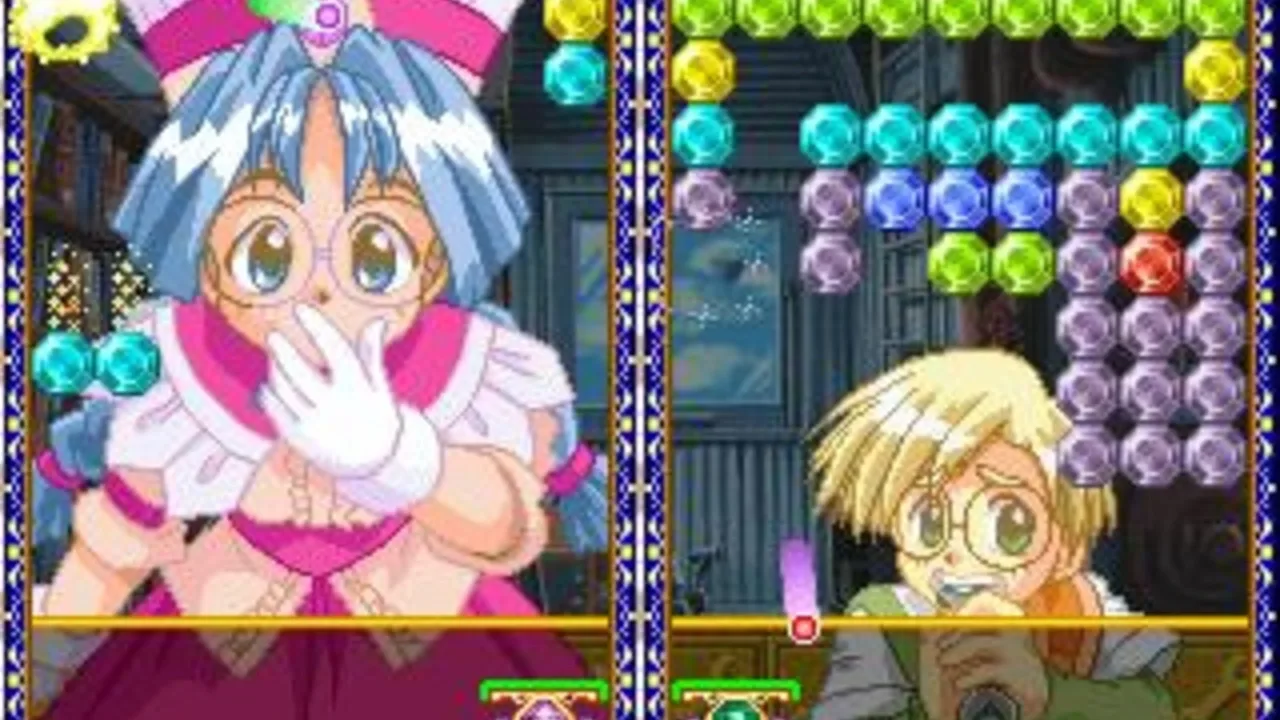
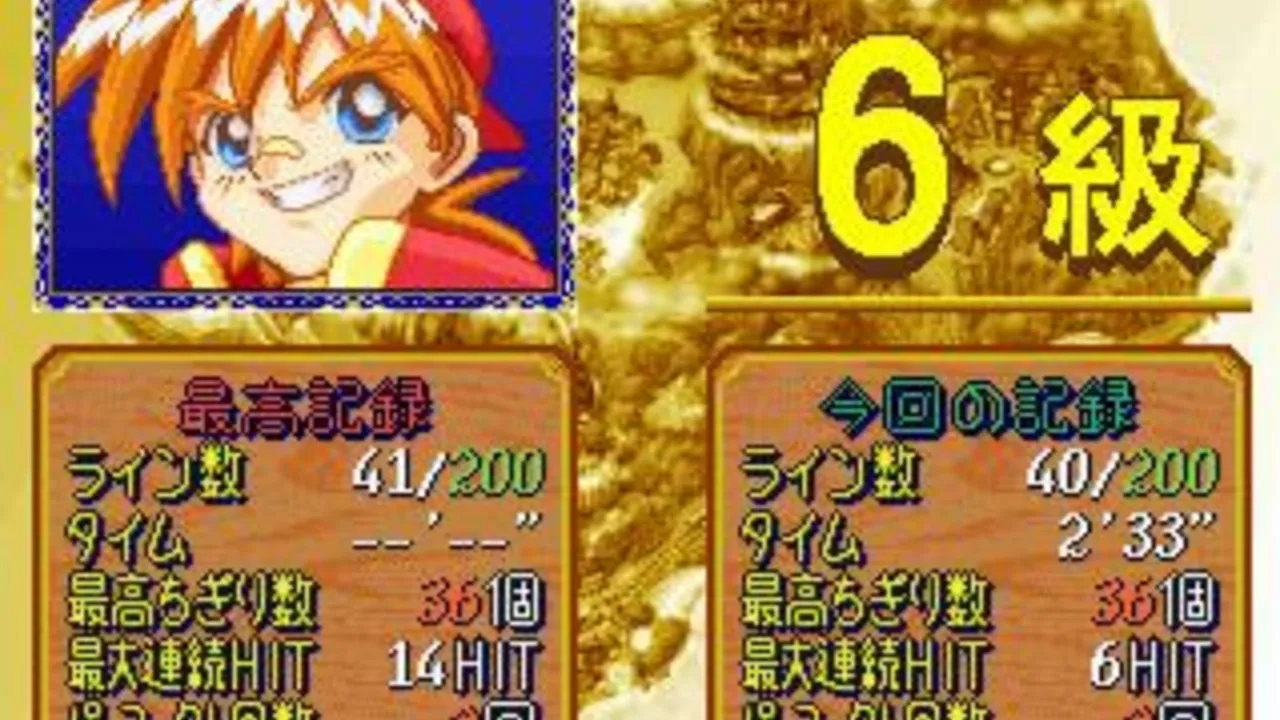
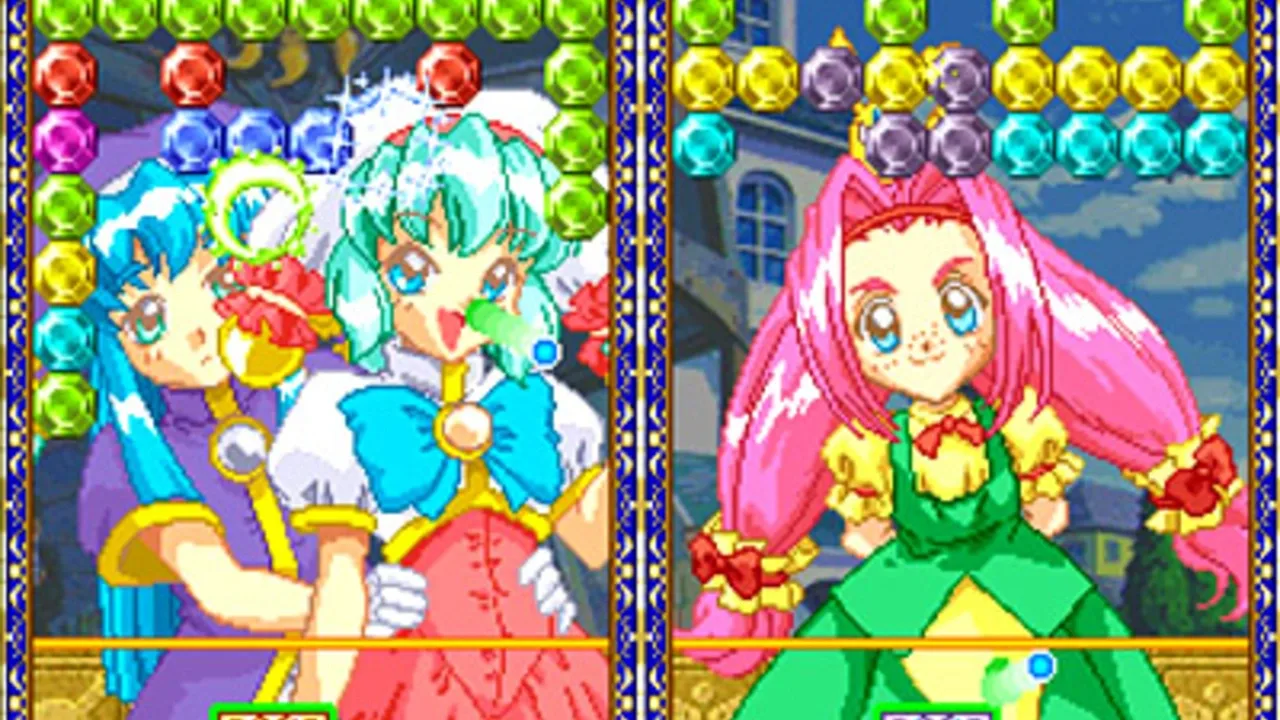
A puzzle game created in 1997 by Japanese game for the Neo Geo MVS arcade system and ported to the Game Boy and the PlayStation that same year.
Block Buster (or Block Kuzushi or Simple 1500 Series vol.014 - The Block Kuzushi in Japan) is a good breakout game that can be played by 2 players in cooperative or VS mode. The game offers some interesting special moves like the one in which you can hit the ball with effect pressing a buttom. There are 3 different game modes: Attack mode, Endless mode & VS mode. With roots in the classic Breakout game from a few decades ago, Block Kuzushi continues where Arkanoid left off and updates the theme with colorful jewels to hit in addition to the standard rows of bricks. During the course of play, weapon upgrades may be picked up such as multiple balls, shooting power and other brick bashing powerups. Roaming objects on-screen may deflect your ball so watch out for surprise changes in trajectory when these nuisances are afoot. 60 levels of cleverly designed boards (and some not so clever ones) should hold your attention for a few hours.Show less
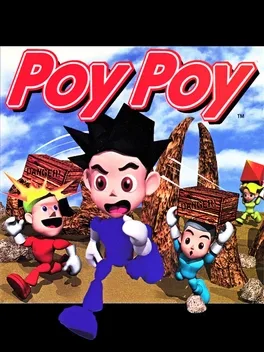
Poy Poy is a multiplayer party game at heart. Grab a multi-tap and four friends and take part in an ultimate battle of skill and wit. The idea is to be the last man standing in this arena based combat game. But don't worry if you can't find a multi-tap or four friends. There's plenty of AI characters to battle in various tournament modes and you can also play a 2 player deathmatch (with or without computer opponents). If it sounds fun now, wait 'till you play it... Set in seven different 3D environments strewn with throwable objects, the game challenges you to a match against three other opponents armed with logs, rocks, ice blocks, and atomic bombs. If you run out of stuff to throw, you can toss your opponents around too. Each hit drops your life meter, so be careful who you pick a fight with.

Air Hockey (Hooockey!! (SuperLite 1500 Series)) is a budget air hockey game for the PlayStation. There are four characters available to either play as or to face off against. The aim is to have a higher score than your opponent when the timer hits zero, and to make that a little easier there are bonuses strewn across the table. Some are activated upon touch, while others are stored with the player until used. The only two gameplay options are 1 player versus the computer or 2 players versus each other. Strange & futuristic hockey game with cartoon graphics.
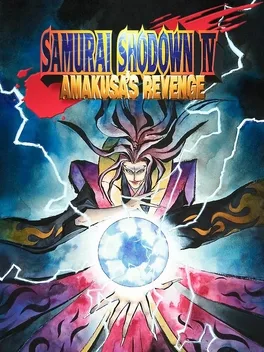
Samurai Shodown IV: Amakusa's Revenge, also known as Samurai Spirits: Amakusa's Descent in Japan, is the fourth in SNK's flagship Samurai Shodown series of fighting games. Chronologically, it is the second and final chapter of a story between Samurai Shodown and Samurai Shodown II, with Samurai Shodown III being the first chapter.
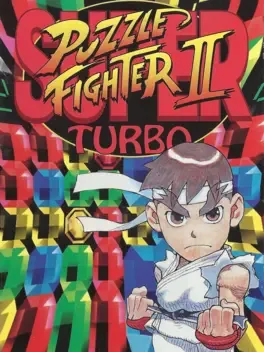
The game's title is a parody of Super Street Fighter II Turbo (or Super Street Fighter II X in Japan), as there are no other Puzzle Fighter games, and the game includes music and interface elements spoofing the Street Fighter Alpha and Darkstalkers games. It was a response to SEGA's popular Puyo Puyo 2 that has been sweeping Japanese arcade. A HD-remake version titled Super Puzzle Fighter II Turbo HD Remix, is available for purchase on Microsoft's Xbox Live Arcade and Sony's PlayStation Network.
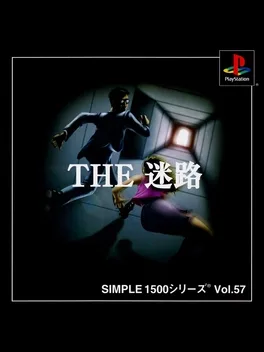
A 3d game similar to the classic Spy vs Spy series. You are inside a 3D virtual maze and have to compete against another human player or the computer to find the treasures, objects and keys before your oponent does. To do this you can use your weapon or phisical attacks against the oponent to stealth his treasures.