
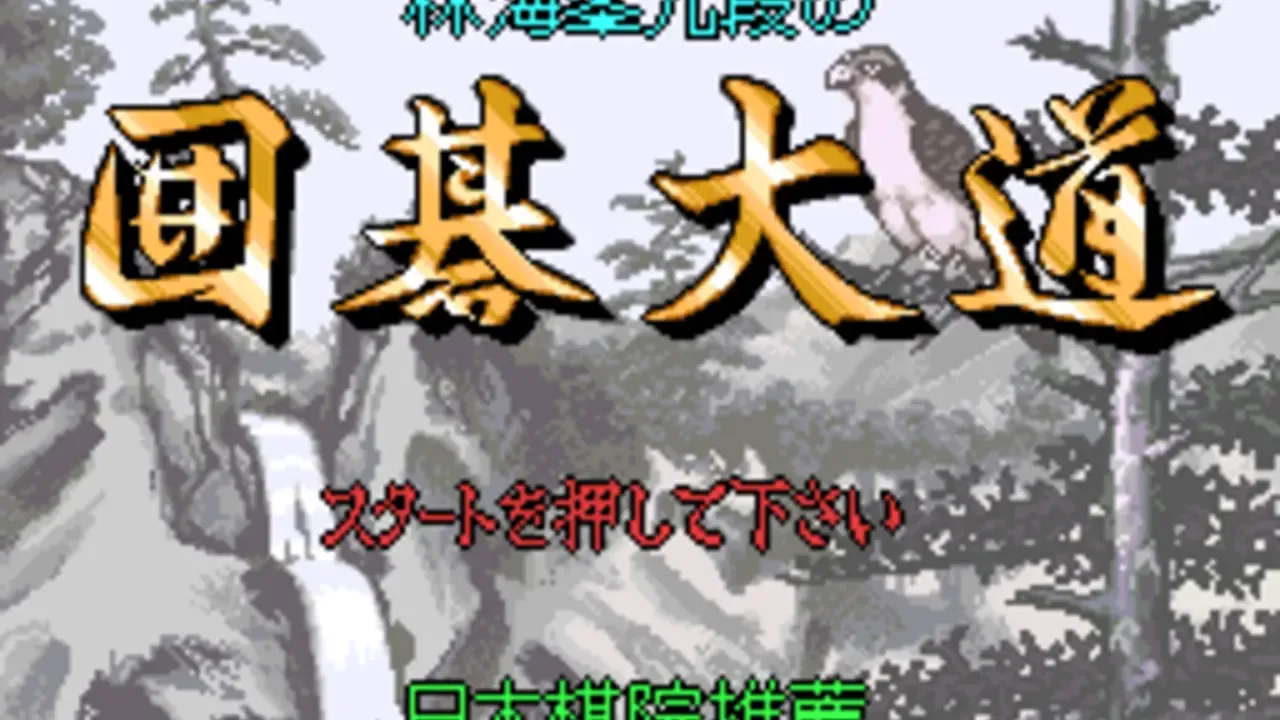
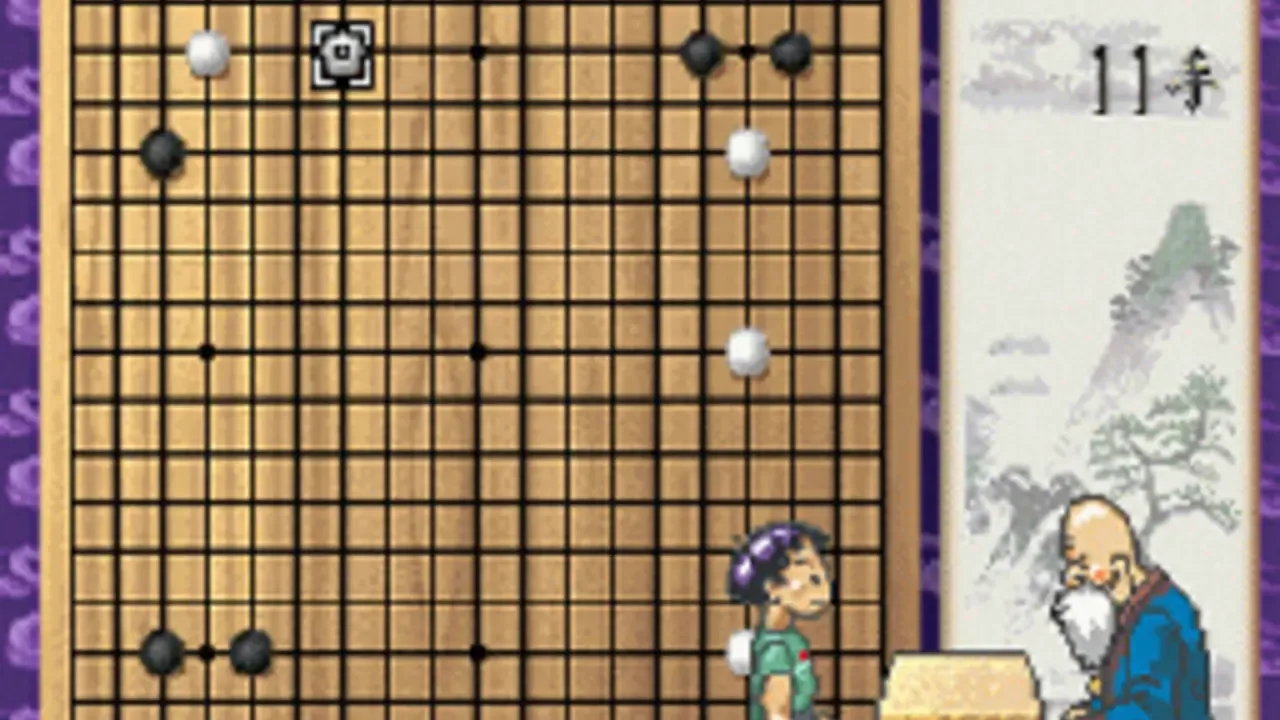
Rin Kaihou Kudan no Igo Daidou



Buy
Could be interesting

Habu Meijin no Omoshiro Shogi is a Miscellaneous game, developed by Access and published by Tomy Corporation, which was released in Japan in 1995.
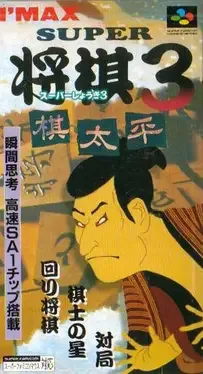
Super Shogi 3: Kitaihei is a Miscellaneous game, developed by Gaibrain and published by I'Max, which was released in Japan in 1995.
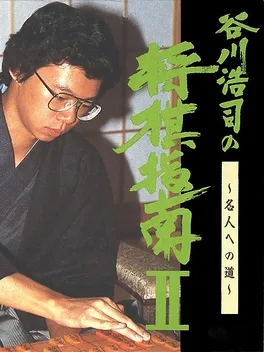
An instructional Shogi game, that teaches the Japanese version of chess. It is hosted by Tanigawa Kouji, a top-tier Shogi player. It was released for the Famicom Disk System, NES and MSX. Shogi, a Japanese board game similar to chess, is a board game as popular as Mahjong in Japan. Tanigawa Kouji no Shogi Shinan II ("Tanigawa Kouji's Instructional Shogi II") is the second in a series of instructional Shogi games hosted by then-top tier champion and expert Shogi player Tanigawa Kouji to help improve the player's game. The first Tanigawa Kouji no Shogi Shinan was only released on MSX home computers, though this game first came out on the Famicom Disk System in 1987. It would later receive additional versions for the MSX and the regular cartridge-based Famicom in 1988. There also exists a second Famicom Disk System version, released after the MSX and Famicom ports, that contains additional puzzle arrangements. The third game in the series would only be released on the Famicom. Neither this game nor any of the games in the series were ever released outside of Japan.


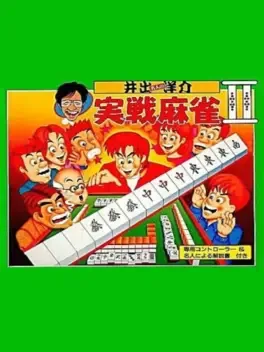
Ide Yousuke Meijin no Jissen Mahjong II is a Miscellaneous game, developed by Arc System Works and published by Capcom, which was released in Japan in 1991.
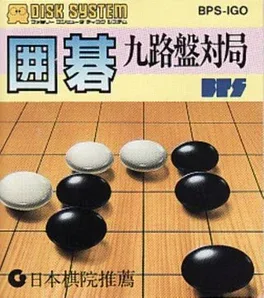
A Japan-only Go game developed and published by Bullet-Proof Software for the Famicom Disk System. Igo: Kyuu Roban Taikyoku ("Go: 9 Row Grid Boardgame") is a Go video game that was originally released for the Famicom Disk System on August 11, 1987 in Japan. It was the first Famicom game developed by Bullet-Proof Software: a development studio operating out of Hawaii that would later be responsible for Nintendo's version of Tetris, among other games. This version of Go is better suited for beginners, as it contains simpler 9x9 grids rather than the regulation 19x19. Igo: Kyuu Roban Taikyoku has a credit for Edge Computing on its title screen; it is assumed some of the game's coding was taken from Edge's C64 game Micro Go.
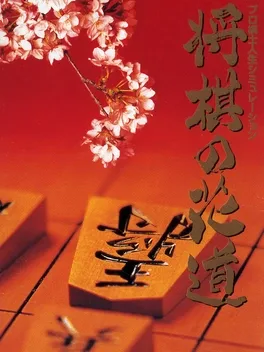
Pro Kishi Jinsei Simulation: Shogi no Hanamichi is a Miscellaneous game, developed by Access and published by Atlus, which was released in Japan in 1996.

As opposed to the more realistic hockey gameplay seen in Electronic Arts' NHL series, the game featured a more unrealistic arcade-style of gameplay, featuring moves such as "power saves", which caused the goaltender to briefly transform into a brick wall, "power shots", which would set the net on fire or knock the goalie into the net, and "power checks", which would send an ambulance across the top of the screen. It featured high-scoring games and over-the-top fights. There was also a simulation mode for those looking for more realistic gameplay. The game allowed the creation of profiles and would keep track of important individual and team stats, including goals, assists, and wins, among others.

EA Sports FC 24 is a football simulation game and the first entry in the series following the rebranding from the FIFA name. It features licensed leagues and competitions including the Premier League, UEFA Champions League, La Liga, Bundesliga, Serie A, and several women's football leagues. Game modes include Ultimate Team, Career Mode, and online multiplayer. The game uses the Frostbite engine with updated motion capture and ball physics for realistic on-pitch action.