
Ryuuko no Ken 2


Buy
Parent game
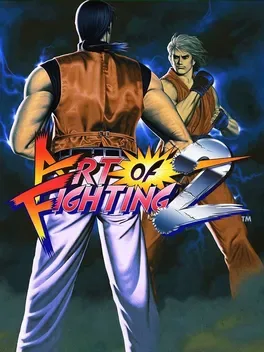
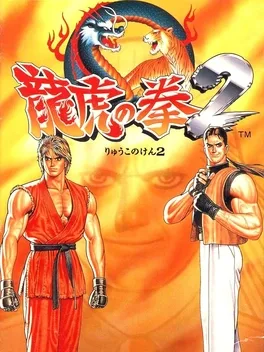
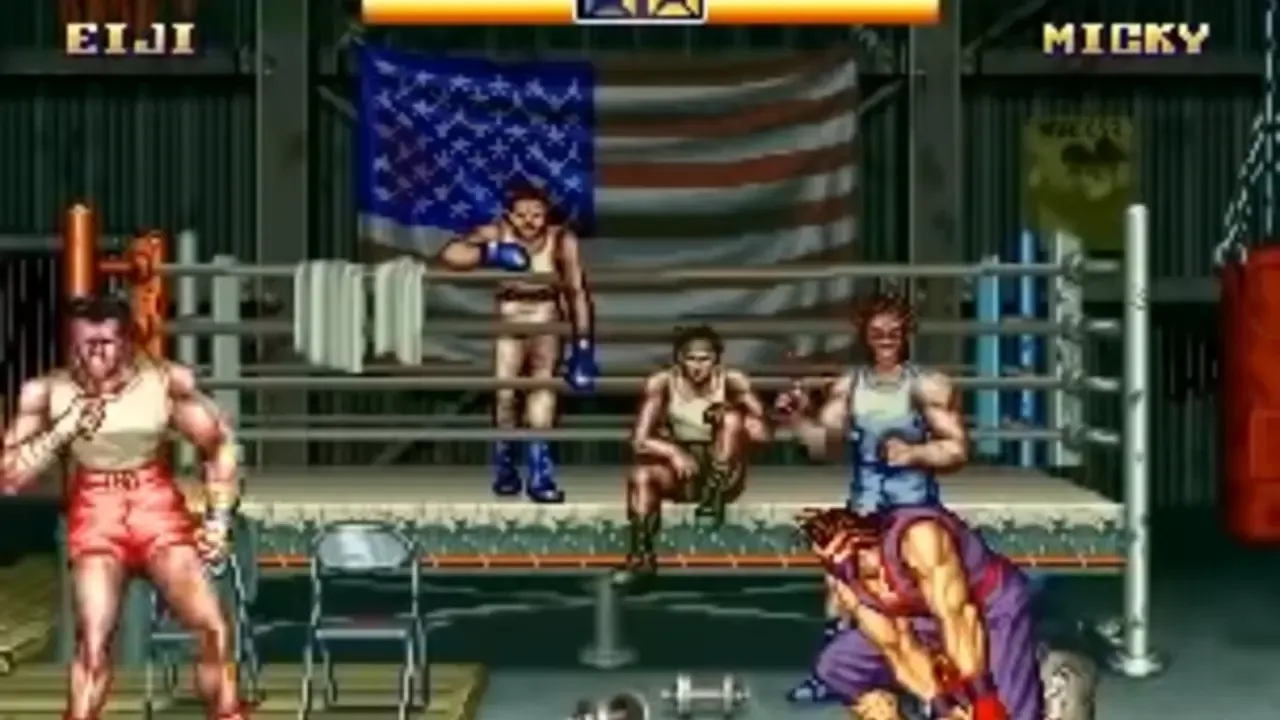
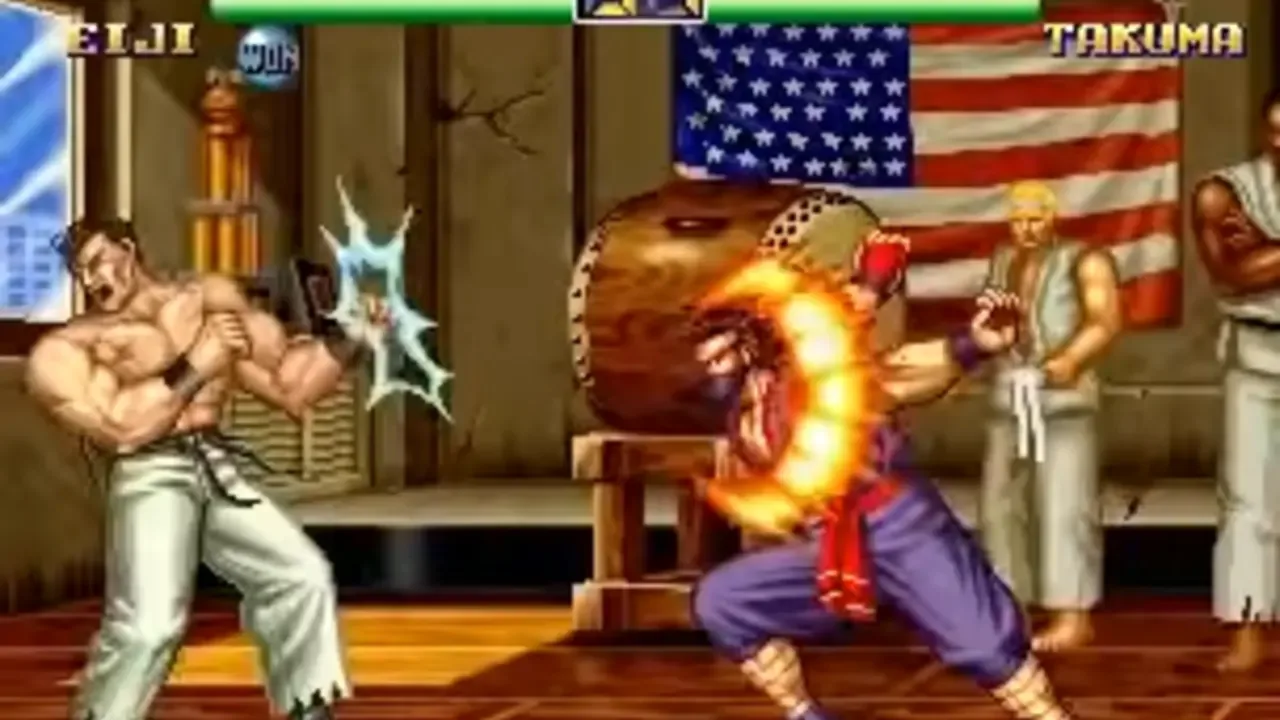
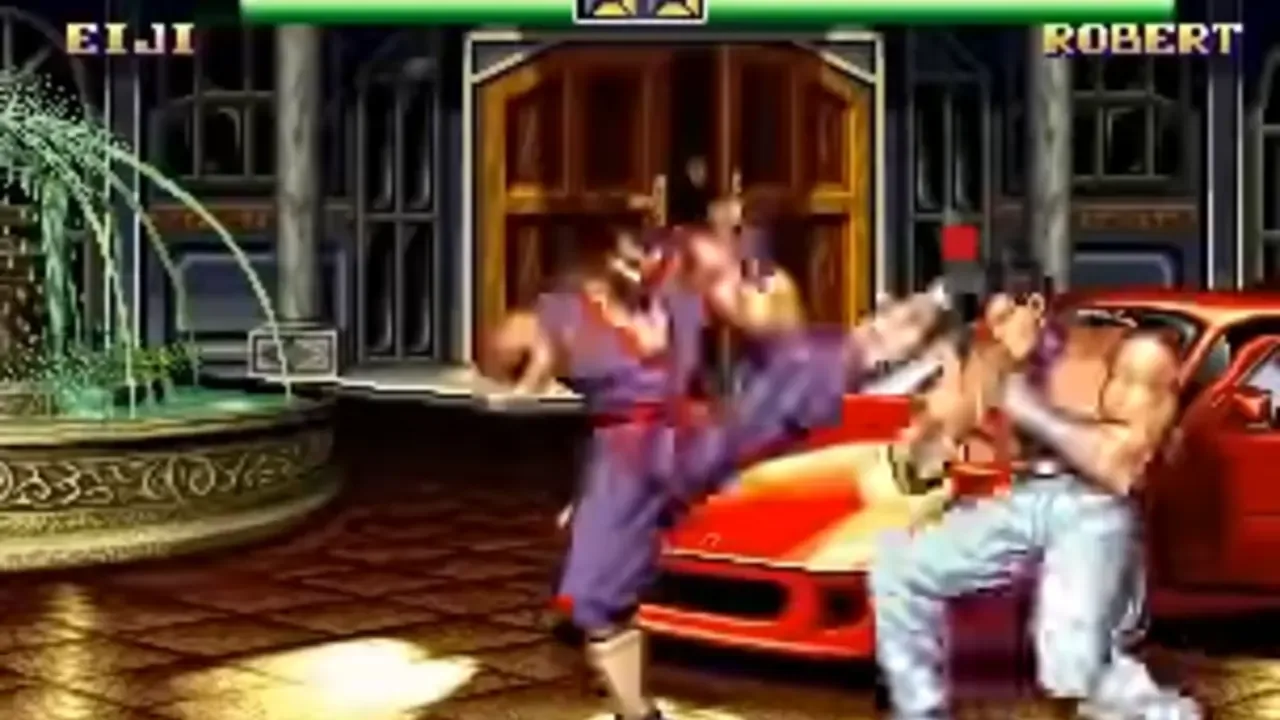
The second installment in the AoF series added the "rage gauge"; similar to the "spirit system" of its predecessor, it limited the use and effectiveness of special attacks. The game's story is set a year after the original. Geese Howard, a rising star in South Town's criminal underworld, calls fighters to the city for a new tournament, "The King of Fighters." Howard was the final boss and series villain of SNK's other fighting game franchise Fatal Fury (though he is a secret boss in this game), whose story took place over a decade after the events of Art of Fighting. Art of Fighting 2 was the only time Yuri Sakazaki was a playable character in the series. It also marked the only time that she donned her trademark outfit, which was made famous in The King of Fighters series. This game also marks the debut of Takuma Sakazaki without his Mr. Karate persona, as well as Eiji Kisaragi, who both appear in the King of Fighters series. Ryuhaku Todo, the first boss in the original AOF, is the only character dropped; all characters are playable from the beginning. The final boss is always Mr. Big, though as mentioned earlier, an extra match will be played against Geese Howard if the player unlocks him through good performance. This game is also notorious for its difficulty, with it being referred in many fighting circles as having some of the toughest opponent AI in a fighting game.
Part of collection:
Art of Fighting
(last 3 games)
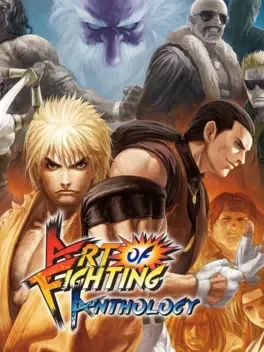
A compilation of arcade ports of the Art of Fighting games, originally realesed by SNK in their Neo-Geo platform. Includes Art of Fighting 1, 2 and 3.
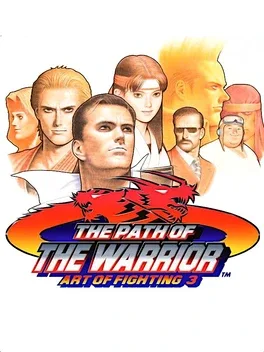
In this third and final entry in the Art of Fighting series, the story shifts from Ryo Sakazaki to his best friend and rival, Robert Garcia, as he ventures into Mexico to try and locate Freia Lawrence, a childhood friend, who asked for his help. However, he leaves without the consent of The Garcia Foundation, which sends an agent named Karman Cole to get him back. But not everything is as simple as it looks... because Robert is not the only one looking for Freia. Art of Fighting 3: The Path of The Warrior features ten playable characters with different fighting styles, a completely new fighting system based on joystick and button combinations, and incredibly detailed graphics and animation.
Released only in Japan for the Super Famicom, it's an adaptation of the Neo Geo game of the same name, also known as "Art of Fighting 2".
Part of franchise:
Art of Fighting
(last 3 games)
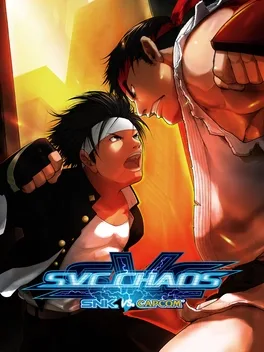
SNK vs. Capcom: SVC Chaos primarily utilizes the command system of The King of Fighters series, incorporating light/strong kicks, punches, cancels and charging attacks. Unlike its predecessor, Capcom vs. SNK 2, this game lacks both air guards and a "groove system", instead focusing on quicker gameplay. Characters are provided with a basic 3-level bar system for executing super-special attacks with basic filling options attributed to strikes and damage. Additionally, the sprites from the various series received new models and some special effects were changed in the command lists (for example, the player cannot increase the damage of the Zujou Sashi used by Choi Bounge by tapping the buttons anymore).
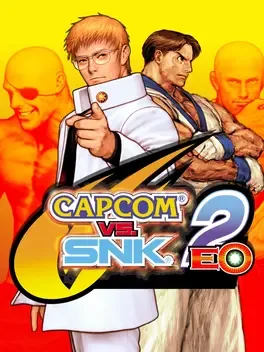
Capcom vs. SNK 2 EO is the same game but with minor changes in gameplay and the inclusion of an EO ("Easy Operation") system that allows the player to perform specific attacks by simply moving the right analog stick in a certain direction. Like all other home versions of the game, CvS2: EO also contains four bonus characters: Evil Ryu, Orochi Iori, Shin Akuma (Shin Gouki in Japan), and Ultimate Rugal (God Rugal in Japan), powered-up versions of four regular characters. Before selecting a team, the game offers a selection of "Grooves", which change the way the game is played, as well as "AC-ism" or "GC-ism" Grooves; GC-ism simplifies the control scheme, originally designed for the GameCube gamepad. In the Xbox version it is called EO-ism. Capcom vs. SNK 2 EO also removed the Roll Cancel glitch that was in the original versions. In addition, the Xbox version of CvS2: EO also included online play for up to two players on Xbox Live as well as progressive-scan (480p) support, which was noticeably absent in the PlayStation 2 version.
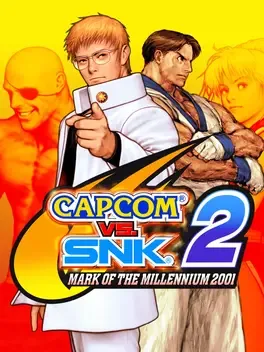
Capcom vs. SNK 2: Mark of the Millennium 2001 (Millionaire Fighting 2001 in Japan) is the sequel to the fighting game Capcom vs SNK, and the sixth game in the Capcom's VS. Series. This game was released on Sega NAOMI hardware in the arcade. It was later released for the Sega Dreamcast (Japan only) PlayStation 2 and Playstation 3 (as a Playstation 2 Classics title in the PlayStation Network), with the GameCube and Xbox receiving an updated version called Capcom vs. SNK 2 EO.
Could be interesting
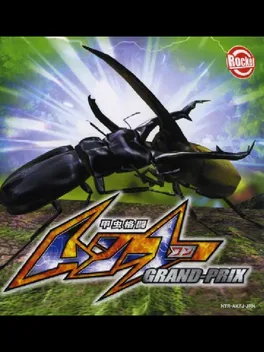
A groundbreaking beetle battle game with intense, action-packed fights like never before! Over 30 different species of kabutomushi and kuwagatamushi (rhinoceros and stag beetles) appear in full CG and 3D models. Use enhancement items called "Suppli" (Supplement) on your beetles, equip them with special moves known as "Suppli Techniques", and customize your original battle strategies. Strive to become the ultimate Mushi-1 Fighter!
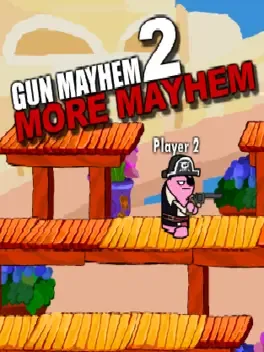
Web browser arena shooter.
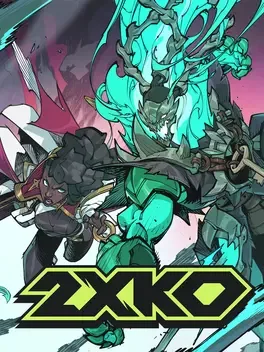
2XKO is a 2v2 fighting game featuring the iconic characters from Arcane and League of Legends.
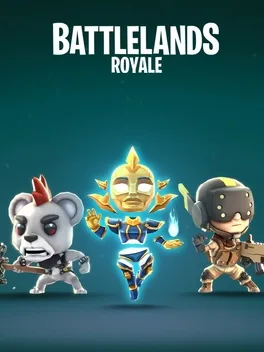
Made for mobile, Battlelands Royale is a casual Battle Royale game for everyone to enjoy. With 32 players and 3-5 minute matches it’s a whole lot of fun! No waiting in lobbies; no complicated menus to navigate. Just play, parachute, loot, and survive!
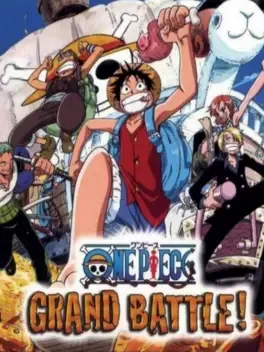
From TV Animation One Piece: Grand Battle! is a Japanese fighting video game developed by Ganbarion and published by Bandai. It is the first game in the One Piece: Grand Battle series and the second game to be based on the One Piece manga and anime. This game's introduction uses the theme song We Are! (ウィーアー! Wī Ā!) from the One Piece Anime.
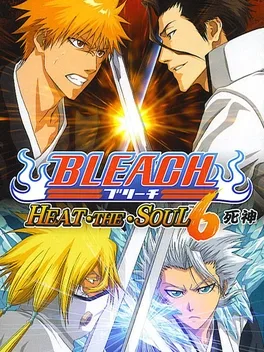
Bleach: Heat the Soul 6 is the sixth game in the Heat the Soul series based on Tite Kubo's Bleach, which was released in Japan on May 14, 2009. It includes more Arrancar Resurrections like that of Nnoitora, Szayelapporo Grantz or Nel(Gamuza). The game has a new championship mode added in which you can fight tournament style similar to Bleach Soul Carnival and a customization mode exclusive to Heat the Soul 6. The game's story mode starts from the day Ichigo got his powers to the Espada/Soul Reaper showdowns to date in the anime. It boasts an amazing character roster consisting of 74 playable characters including Senna, Sojiro Kusaka, Dark Rukia, and the Visored and Tessai in their Soul Reaper uniforms from the "Turn Back the Pendulum" arc. Its opening theme is "Koyoi, Tsuki ga Miezu Tomo" by Porno Graffitti which was also used for Bleach: Fade to Black.
Street Fighter EX3 is the final game in the Street Fighter EX series series, taking the gameplay and additional moves of EX2, and adding a tag-team element. Multiple characters from the famous Street Fighter series return and clash with Arika's own characters.
Wrought your weapon into a death scythe in the fighting game Soul Eater: Battle Resonance, find 99 souls born from the egg of the kishins and one witch's soul. Maka and Soul Eater have failed this task once by mistaking the soul of Blair the cat as a witch and could not bear to fail again. Following the plot of the first 24 episodes of the anime, you get to take part in the fights Maka and gang participated in and experience the coolness of the characters at first hand. For those who have never seen the anime, be amazed at the comical situations the characters managed to get themselves into, for the long time fans, this game is filled to the brim with new story elements and costumes as well as items. Get a rare insight into the characters minds and their wardrobes.
Jump Ultimate Stars is a fighting video game developed by Ganbarion and published by Nintendo for the Nintendo DS. It is the sequel to Jump Super Stars. The game was released in Japan on November 23, 2006. The game keeps many features from its predecessor, and adds many more. The game boasts 305 characters (56 of which are fully playable) from 41 different Shōnen manga series.
The Gladiator is an Action game, developed and published by IGS (Taiwan), which was released in 2003.