
Shadow Fighter


Buy
Could be interesting
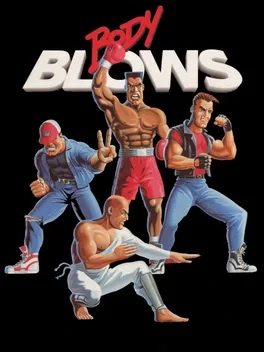
Body Blows is an Amiga versus fighting game. It was released in 1993 by Team17. The game is compatible with all Amiga systems, including the CDTV system with joystick support. It was followed by Body Blows Galactic and Ultimate Body Blows. "Experience super fast, hard hitting fight action like you have never seen before... Choose one of four hero characters to combat the increasingly evil computer controlled opponents in Arcade Mode. Take on a freind (or enemy!!) in the highly competetive two player mode or go for broke in the Body Blows Ultimate Challenge, where upto eight players select their favorite character from the ten available to compete for the Champions Belt."

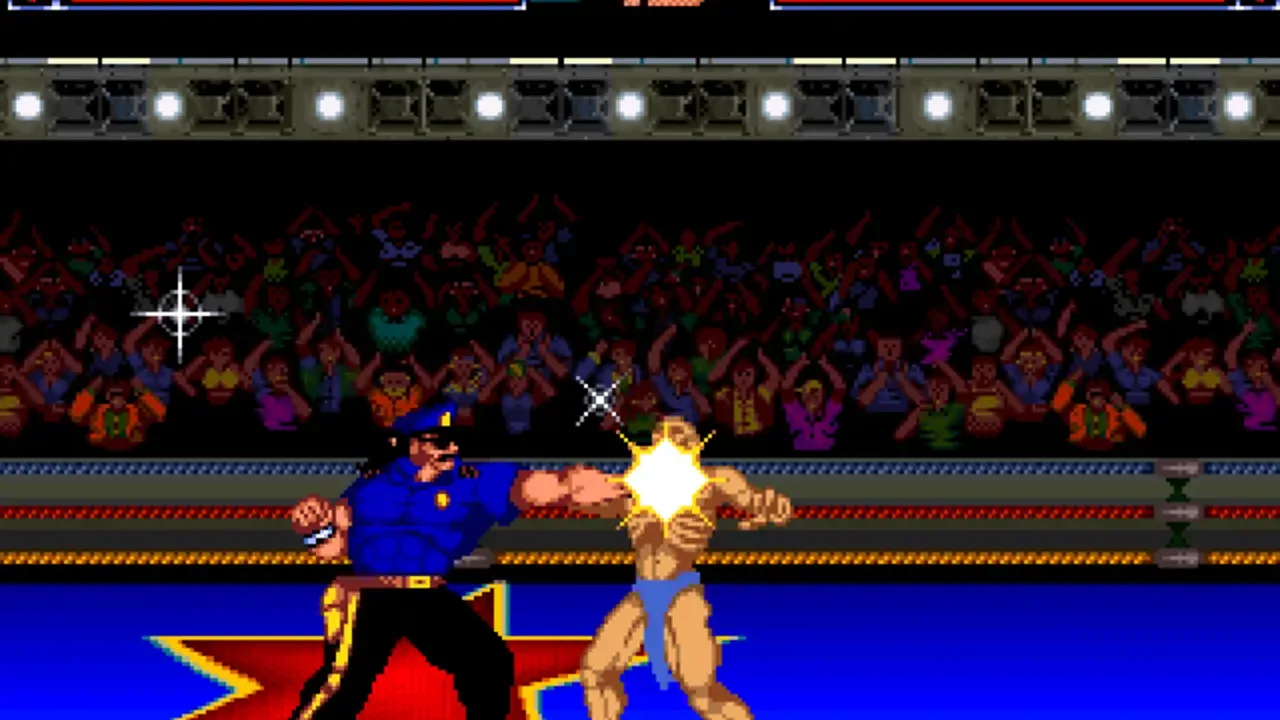
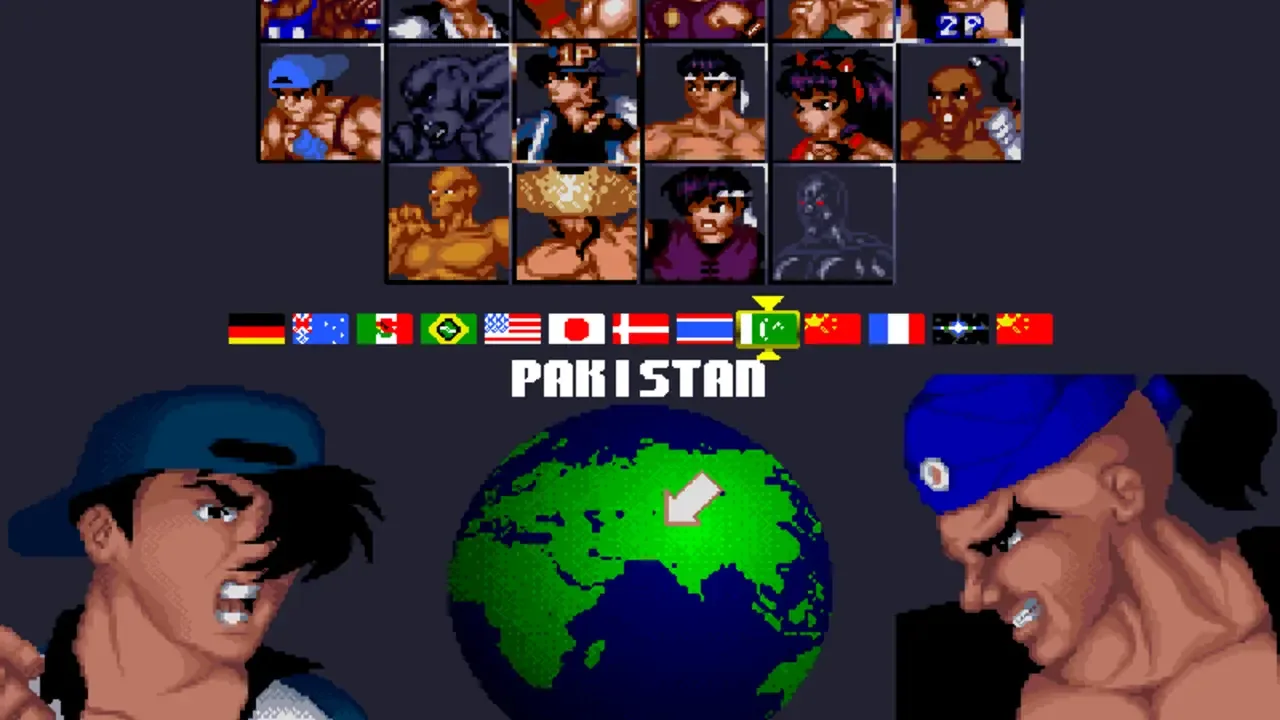
Dan and Junior from Body Blows travel the universe, fighting warriors on different planets.
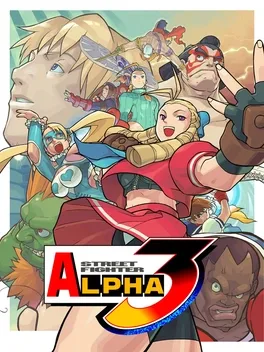
Street Fighter Alpha 3 is the third game in the Street Fighter Alpha series. It features a complete gameplay overhaul with the addition of three selectable fighting styles, new stages, over seven new and returning characters and an exclusive soundtrack. The game's illustrations, select screens, soundtrack and sound effects all have a similar style to the Final Fight series, unlike the previous games.
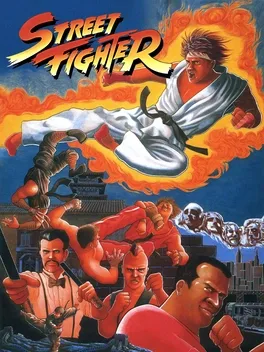
Street Fighter is the first fighting game produced by Capcom and the very first game in the Street Fighter series. While it did not achieve the same popularity as its sequels when it was first released, the original Street Fighter introduced some of the conventions made standard in later games such as attack buttons and special command-based techniques.
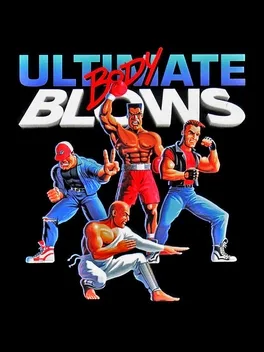
A compilation of the original fighting game "Body Blows" and its sequel, available only for Amiga, "Body Blows Galactic". The game combines everything from its predecessors and adds more colors, improved graphics and music, more backgrounds and endings, giving the player a total of 22 characters (including the invincible Max and his true self, the Terminator T17) and many fixes.
Mortal Kombat 3 brings new elements to the 2D fighting series: multi-level playfields, "Dial-A-Combo" attacks, a "Run" button to speed up the battles, and "Vs." codes, which unlock new powers and abilities once both players enter a code sequence in pre-match-up screens. Also included are more stage fatalities and finishing moves as each warrior attempts to go one-on-one with the Centaurian enforcer Motaro, and Shao Kahn himself.
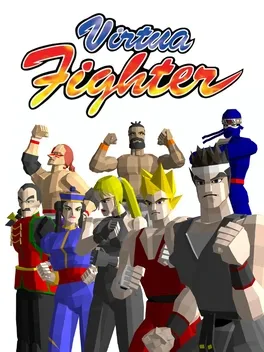
A classic fighting game by Sega, considered one of the first 3D fighting games.
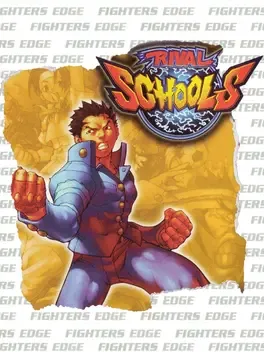
The main fighting game is best described as a polygonal Marvel vs. Capcom game, with some notable differences. Control wise, the game varies from other Capcom fighting games by only having four buttons (two punches and two kicks, which is closer to the SNK game format) rather than the standard six. A player chooses a team of two characters, and fights against another two character team. The actual fights, however, are one-on-one fights, with the partner only participating by being called in when a player has enough 'vigor' for a Team Up attack, done by pressing a punch and kick button of the same pressure. The Team Ups would be some kind of double team attack by the character and partner, or (for most female characters' Team Ups) would heal the main character or give them more vigor. After the end of a round, a player (win or lose) has a choice to fight the next round with the partner from the previous round, or to keep their main character in play. The 'vigor' meter (essentially a super meter) could go up to 9 levels, with Team Ups costing two levels and super moves from a single person all costing one level of vigor. Much like the Marvel vs. Capcom games, launchers can be done that allow air combos to be performed, with all characters having universal low and high launchers. The game also had a few defensive techniques. Tardy Counters acted much like Alpha Counters from Street Fighter Alpha, allowing a player to immediately counter-attack from a blocking position. However, the restrictions on Tardy Counters are very lax; any hard normal, special or super attack can be used to Tardy counter (Alpha counters are only limited to certain special moves for each character), and Tardy Counters do not cost any extra vigor to perform (Alpha Counters required at least a level of Super Combo gauge to do). Attack Cancels allowed a player to cancel an incoming hit simply by timing their own hit with the attack, which would cancel out both attacks (though it does not nullify the remaining hits of a multi-hit move). Also, one additional level of vigor is awarded.
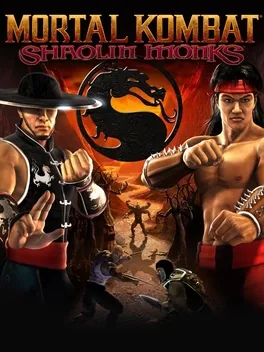
Mortal Kombat: Shaolin Monks is an action-adventure beat 'em up video game set in the Mortal Kombat universe. Players take on the roles of the iconic Shaolin monks Liu Kang and Kung Lao, either solo or in cooperative mode, as they defend Earthrealm against the threats of Outworld. The game offers a reimagining of the storyline from Mortal Kombat II.
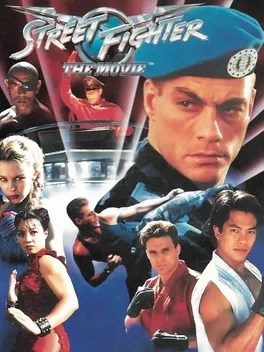
Next-generation gaming and mega movie-based action collide in Street Fighter: The Movie! Street Fighter: The Movie. The ultimate street fighter begins...where the others left off!!!