
Shiritsu Justice Gakuen: Nekketsu Seishun Nikki 2


Buy
Parent game
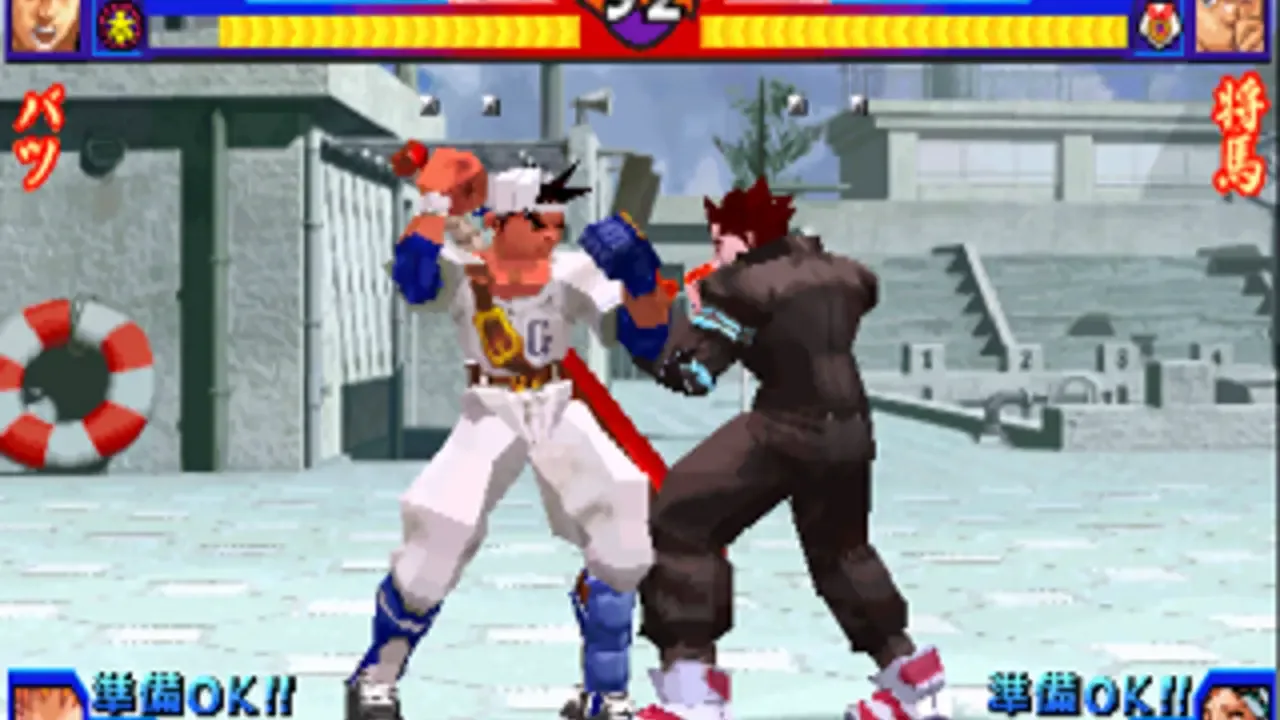
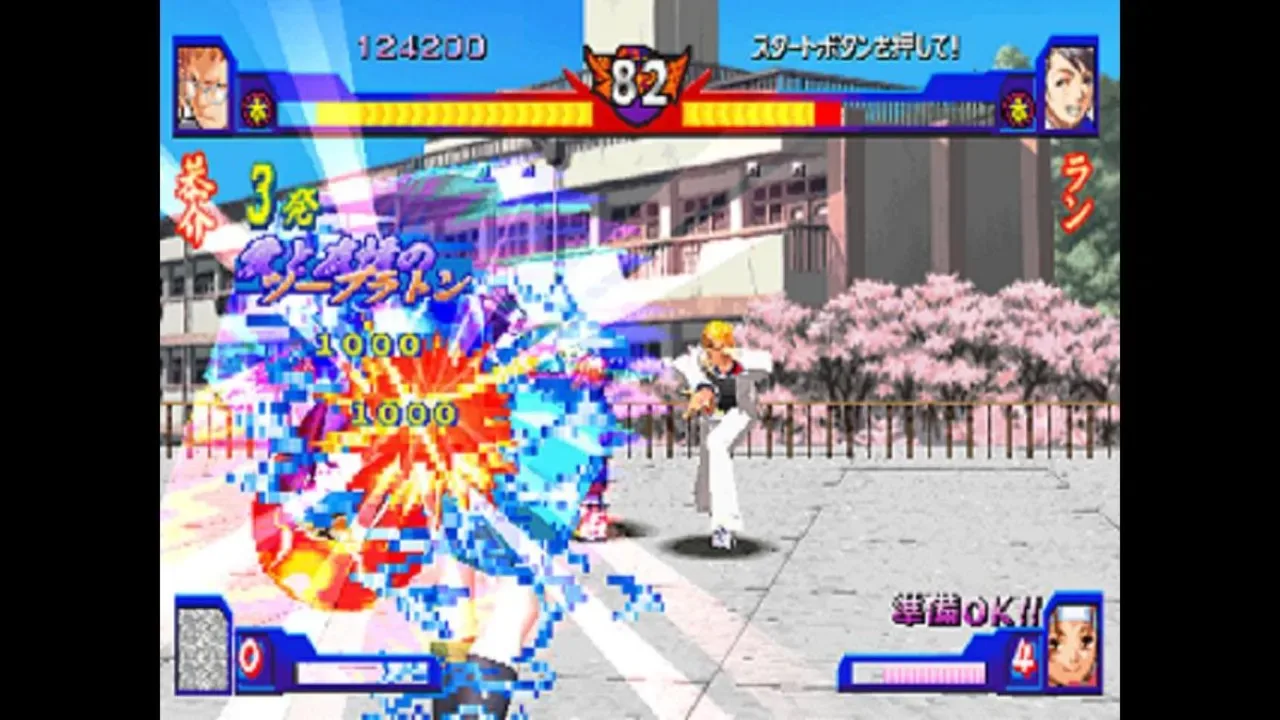
The main fighting game is best described as a polygonal Marvel vs. Capcom game, with some notable differences. Control wise, the game varies from other Capcom fighting games by only having four buttons (two punches and two kicks, which is closer to the SNK game format) rather than the standard six. A player chooses a team of two characters, and fights against another two character team. The actual fights, however, are one-on-one fights, with the partner only participating by being called in when a player has enough 'vigor' for a Team Up attack, done by pressing a punch and kick button of the same pressure. The Team Ups would be some kind of double team attack by the character and partner, or (for most female characters' Team Ups) would heal the main character or give them more vigor. After the end of a round, a player (win or lose) has a choice to fight the next round with the partner from the previous round, or to keep their main character in play. The 'vigor' meter (essentially a super meter) could go up to 9 levels, with Team Ups costing two levels and super moves from a single person all costing one level of vigor. Much like the Marvel vs. Capcom games, launchers can be done that allow air combos to be performed, with all characters having universal low and high launchers. The game also had a few defensive techniques. Tardy Counters acted much like Alpha Counters from Street Fighter Alpha, allowing a player to immediately counter-attack from a blocking position. However, the restrictions on Tardy Counters are very lax; any hard normal, special or super attack can be used to Tardy counter (Alpha counters are only limited to certain special moves for each character), and Tardy Counters do not cost any extra vigor to perform (Alpha Counters required at least a level of Super Combo gauge to do). Attack Cancels allowed a player to cancel an incoming hit simply by timing their own hit with the attack, which would cancel out both attacks (though it does not nullify the remaining hits of a multi-hit move). Also, one additional level of vigor is awarded.
Part of collection:
Rival Schools

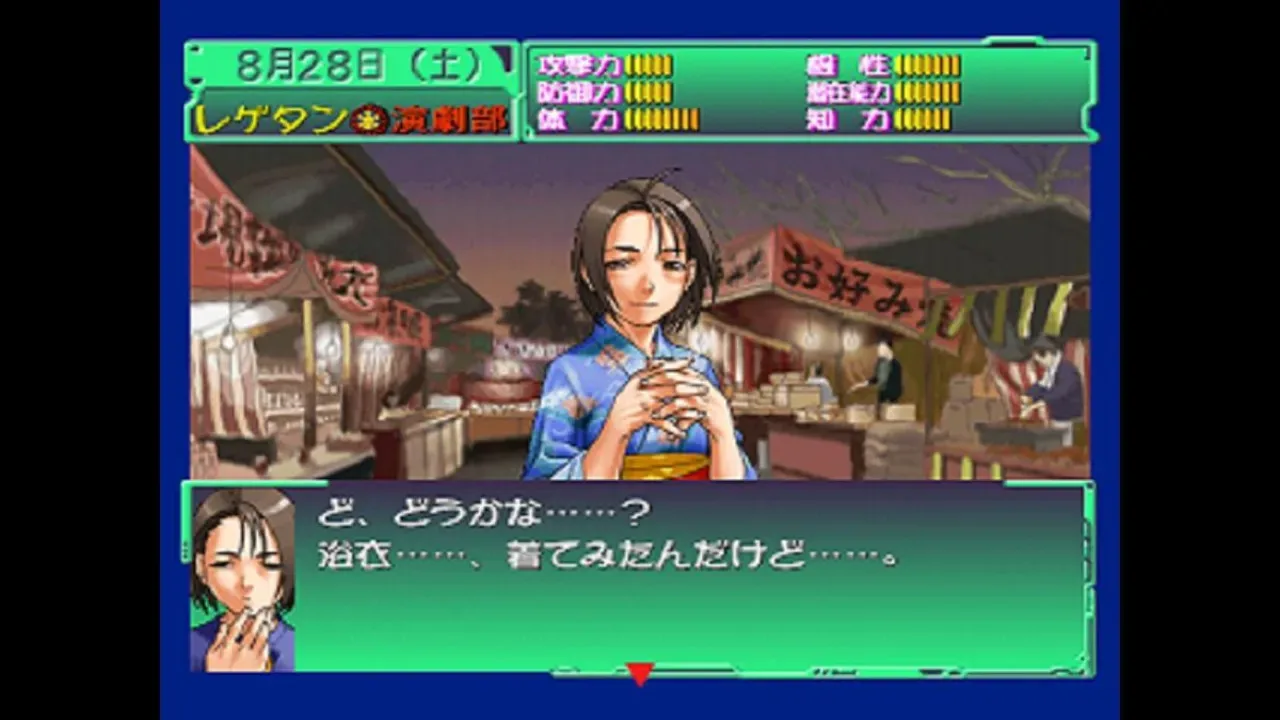
Project Justice is the sequel to Rival Schools: United By Fate. Project Justice's fighting system is lifted from the original Rival Schools, with some notable changes. The game continues to be a team fighter, but has teams of three characters instead of two. This allows another Team-Up attack to be used in a fight, but also adds a new type of attack, the Party-Up, initiated by pressing any three attack buttons. The Party-Up is a three-person attack that varies based on what school the character initiating the attack is from. The additional partner also allows players to cancel an opponent's Team-Up Special by inputting a Team-Up command of their own. This initiates a short fighting sequence between one character from each team. If the person initiating the sequence gets the first successful hit in during the sequence before time runs out, the Team-Up they are caught in will be canceled, and the game switches back to the main fight; if the opposing player gets the first hit or time runs out, the Team-Up continues as usual. Additionally, the 'vigor' meter in Project Justice is limited to 5 levels (down from 9 in Rival Schools), with Party-Ups requiring all 5 levels, Team-Ups continuing to cost two levels, and any attempts (successful or not) to cancel a Team-Up costing one level. Also carrying over from the first game, the Dreamcast port of Project Justice in Japan includes a character creation mode that allows a player to create their own fighters who can be used in all modes except for single-player. However, the character creation in Project Justice is packaged as a board game, taking place during an inter-school festival, rather than a date sim game like in Rival Schools. As with School Life Mode in the original Rival Schools, though, this boardgame is not included in non-Japanese ports of Project Justice due to the amount of time it would take to translate the mode. Instead, several unlockable sub-characters were included in these ports, built from the character creation parts in the Japanese version.
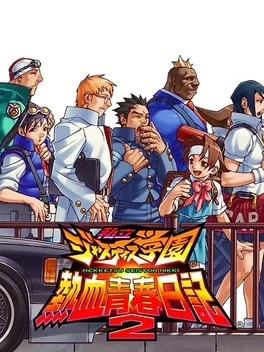
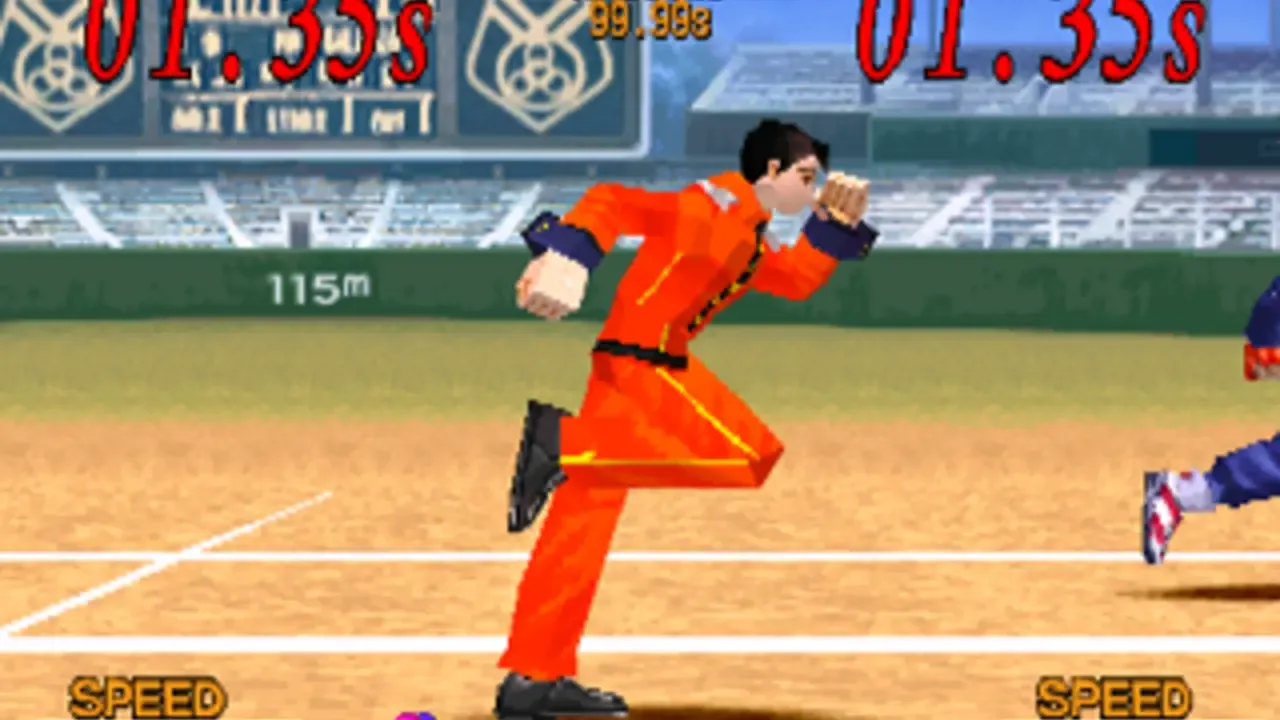
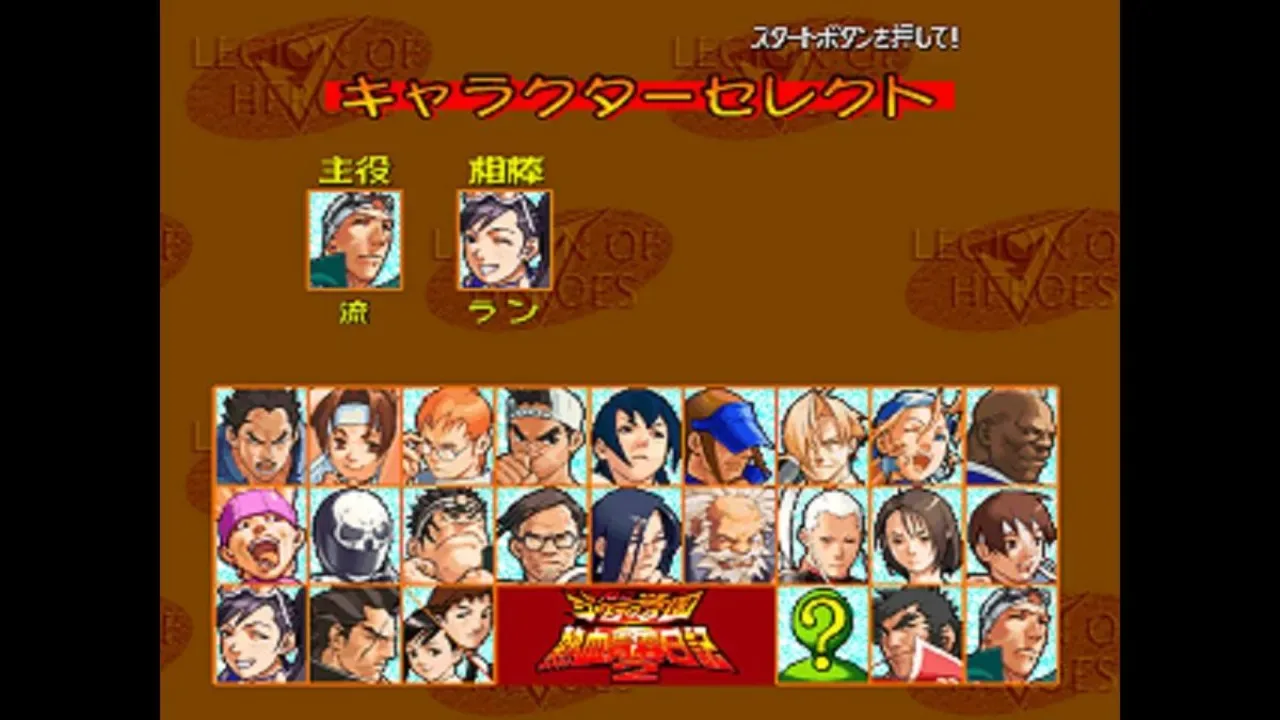
This is a PlayStation-exclusive update to the original Rival Schools. It features two additional characters, Ran of Taiyo High School and Nagare of Gorin High School, as well a new version of the Nekketsu Seisyun Nikki school sim mode, which feature additional mini games and further plot developments over the original Japanese version of Shiritsu Justice Gakuen.
The main fighting game is best described as a polygonal Marvel vs. Capcom game, with some notable differences. Control wise, the game varies from other Capcom fighting games by only having four buttons (two punches and two kicks, which is closer to the SNK game format) rather than the standard six. A player chooses a team of two characters, and fights against another two character team. The actual fights, however, are one-on-one fights, with the partner only participating by being called in when a player has enough 'vigor' for a Team Up attack, done by pressing a punch and kick button of the same pressure. The Team Ups would be some kind of double team attack by the character and partner, or (for most female characters' Team Ups) would heal the main character or give them more vigor. After the end of a round, a player (win or lose) has a choice to fight the next round with the partner from the previous round, or to keep their main character in play. The 'vigor' meter (essentially a super meter) could go up to 9 levels, with Team Ups costing two levels and super moves from a single person all costing one level of vigor. Much like the Marvel vs. Capcom games, launchers can be done that allow air combos to be performed, with all characters having universal low and high launchers. The game also had a few defensive techniques. Tardy Counters acted much like Alpha Counters from Street Fighter Alpha, allowing a player to immediately counter-attack from a blocking position. However, the restrictions on Tardy Counters are very lax; any hard normal, special or super attack can be used to Tardy counter (Alpha counters are only limited to certain special moves for each character), and Tardy Counters do not cost any extra vigor to perform (Alpha Counters required at least a level of Super Combo gauge to do). Attack Cancels allowed a player to cancel an incoming hit simply by timing their own hit with the attack, which would cancel out both attacks (though it does not nullify the remaining hits of a multi-hit move). Also, one additional level of vigor is awarded.
Could be interesting
Discover the Smell of the Game with Guilty Gear: Strive! Immerse yourself in new gameplay mechanics designed to be simple and welcoming for fighting game newcomers, yet deep and creative for veterans. Ride the Fire into a heavy metal inspired alternate future full of over-the-top action, style and fun!
DNF Duel is a fast-paced 2.5D fighting game set in the Dungeon & Fighter universe. Players select from a diverse roster of iconic fighters, each with distinct combat styles, signature skills, and strategic toolsets. The game combines fluid controls with deep tactical systems, including an MP gauge for powerful abilities and dynamic "Awakening" states that can turn the tide of battle. Vibrant stages, eye-catching visuals, and expressive animations bring every clash to life. With multiple modes — such as Story, Arcade, Survival, Ranked Online, and local versus — DNF Duel caters to both solo players and competitive fighters, offering accessible entry points as well as layers of depth for seasoned players.
A 2D fighting game for arcades by the developers of the Arcana Heart series based on the mobile card game Kaku-San-Sei Million Arthur.
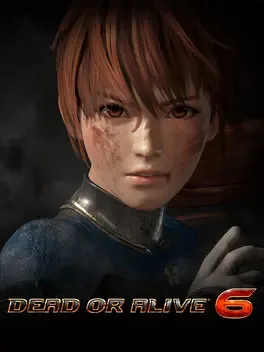
Dead or Alive 6,produced by Koei Tecmo Games,features fast-paced 3D fighting entertainment with multi-tiered stages that are now both dynamic and critical parts of the competitive experience.
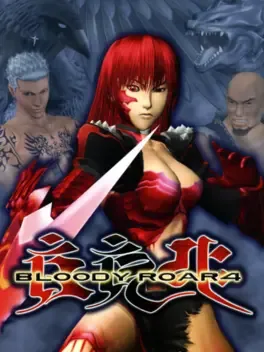
During the XGC (X-Genome Code) Incident one year ago, riots raged over the earth by beasts that did not show the XCG, and all over the country small earthquakes shook the land. The cause was unknown, but as the Crest Incident came to an end and the rioting and earthquakes subsided, people began to claim that all was due to the influence of the Stone Seal. Although the Stone Seal has been locked away, the rioting and earthquakes have returned. This time, the incidents are on a larger scale than those of a year ago. What could be behind it all? Bloody Roar 4 is the last title in the series, and is once again a full-3D fighting game featuring the series' trademark transformation abilities. Unlike previous titles in the series, the beast gauge now acts as its own health bar; if a character's health gauge is depleted, they will automatically transform. The game features 18 playable fighters and a variety of game modes, including standard arcade, versus, time-attack, training, and survival modes. Of special mention is the career mode, in which fighting battles will earn so-called "DNA points," which can be spent on abilities and equipment to customize a character for use in other modes.
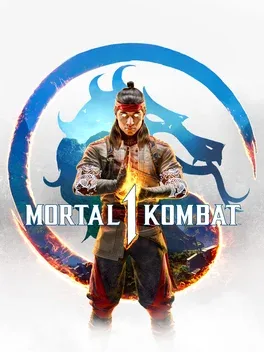
A new era has begun. It's In Our Blood. Discover a reborn Mortal Kombat Universe created by Fire God Liu Kang. Mortal Kombat 1 ushers in a new era of the iconic franchise with a new fighting system, game modes, and Fatalities!
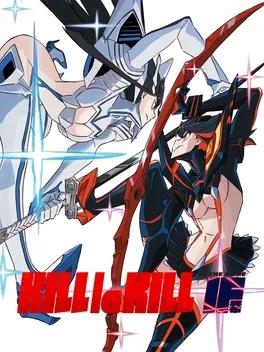
You control Satsuki Kiryuin as the main protagonist of this game and proceed along with the story while battling against various characters. All scenarios are completely new and fully supervised under the watchful eyes of the original scenario-writer, Kazuki Nakashima. You will be experiencing the story unfold from the perspective of Satsuki Kiryuin, the rival of the original series' protagonist Ryuko.
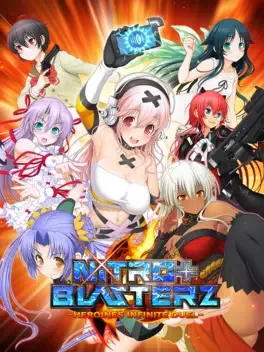
Nitroplus Blasterz: Heroines Infinite Duel is a fighting game which crosses over heroines from various visual novels and games released by Nitroplus, as well as those from manga and anime series that Nitroplus writers have been involved with. The game uses five buttons; light attack, medium attack, heavy attack, escape action, and heavy action. The escape action button can be used to perform evasive maneuvers and guards while heavy actions can be used to push an opponent back. Players can perform Infinite Blasts, which can interrupt an opponent's attack, Variable Rushes, which allows for surprise combos, and Lethal Blazes, which serve as the game's super combo attacks. Players can also choose two support characters which they can summon to assist them.
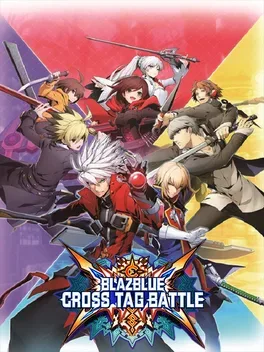
"THE COLLISION IS INEVITABLE! THE IMPACT WILL BE UNAVOIDABLE! An unrivaled clash of explosive proportions! The beloved BlazBlue franchise Crosses universes, Tags in fan favorites, and Battles it out in BlazBlue: Cross Tag Battle! Created through an all-star collaboration between BlazBlue, Atlus’ Persona, French Bread’s Under Night In-Birth, and Rooster Teeth’s hugely popular RWBY web series, Cross Tag Battle celebrates the fighting genre for pros and newcomers alike! Choose your team in fast paced 2v2 team battles filled with the craziness you’ve come to love from BlazBlue, with all the tight mechanics, smooth gameplay, and gorgeous 2D graphics you expect from Arc System Works."
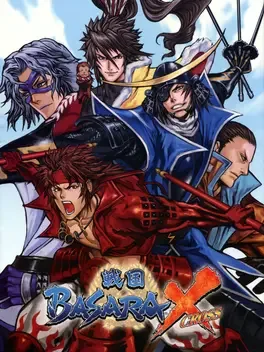
Sengoku BASARA X (pronounced Cross) is a 2D Fighting spinoff developed by Arc System Works and released by Capcom at the arcades on April 2008, featuring 10 playable characters each with their own uniqueness. Later on it was ported to the PlayStation 2, adding extra contents such as 2 more playable characters and a challenge mode.