
Star Force


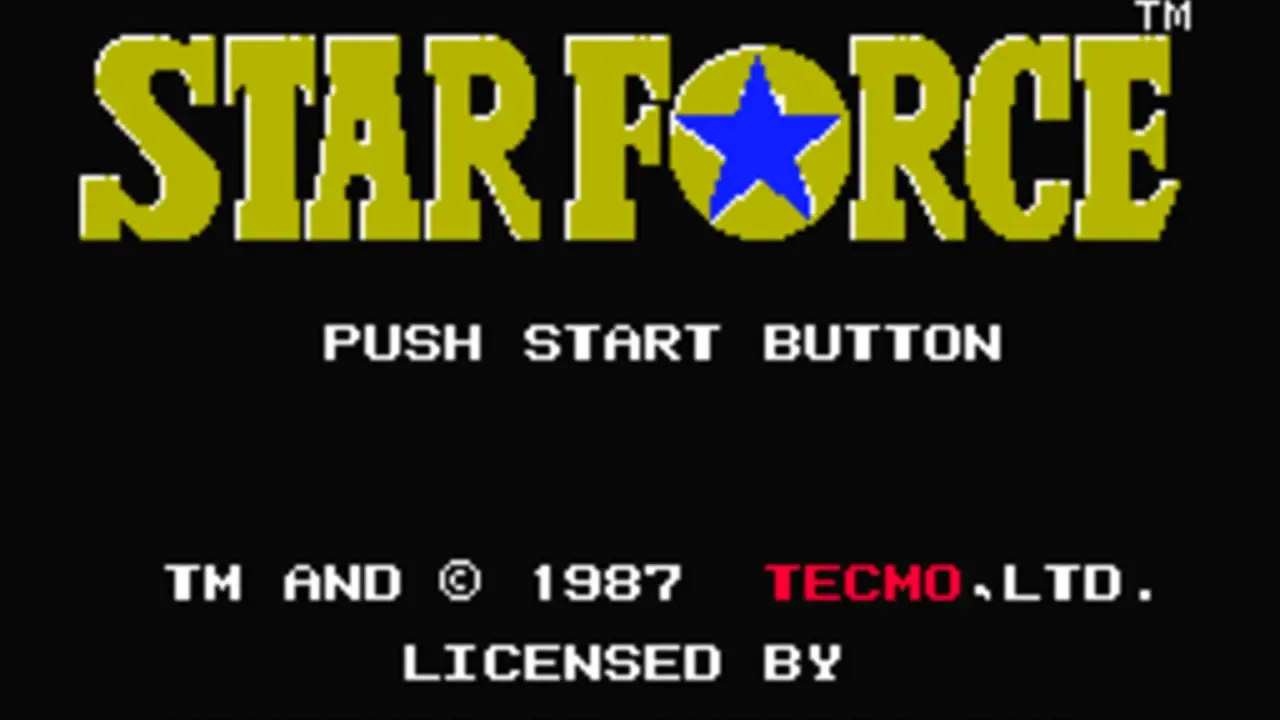
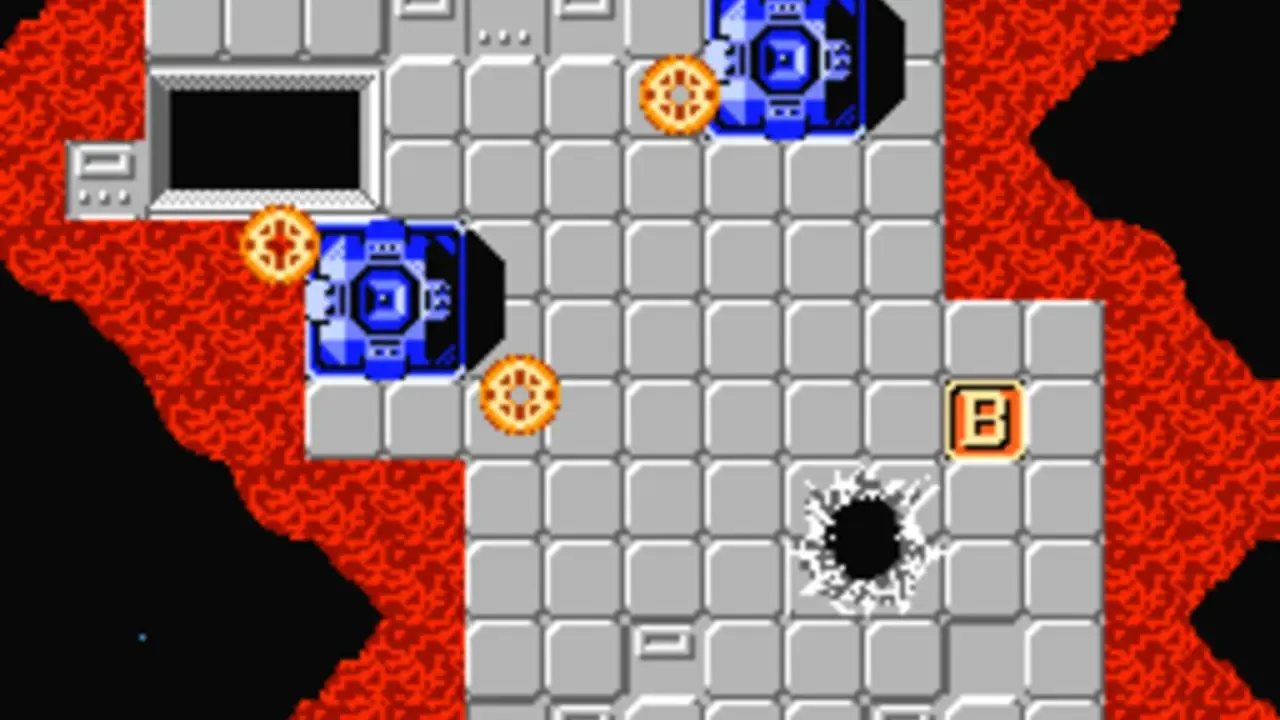
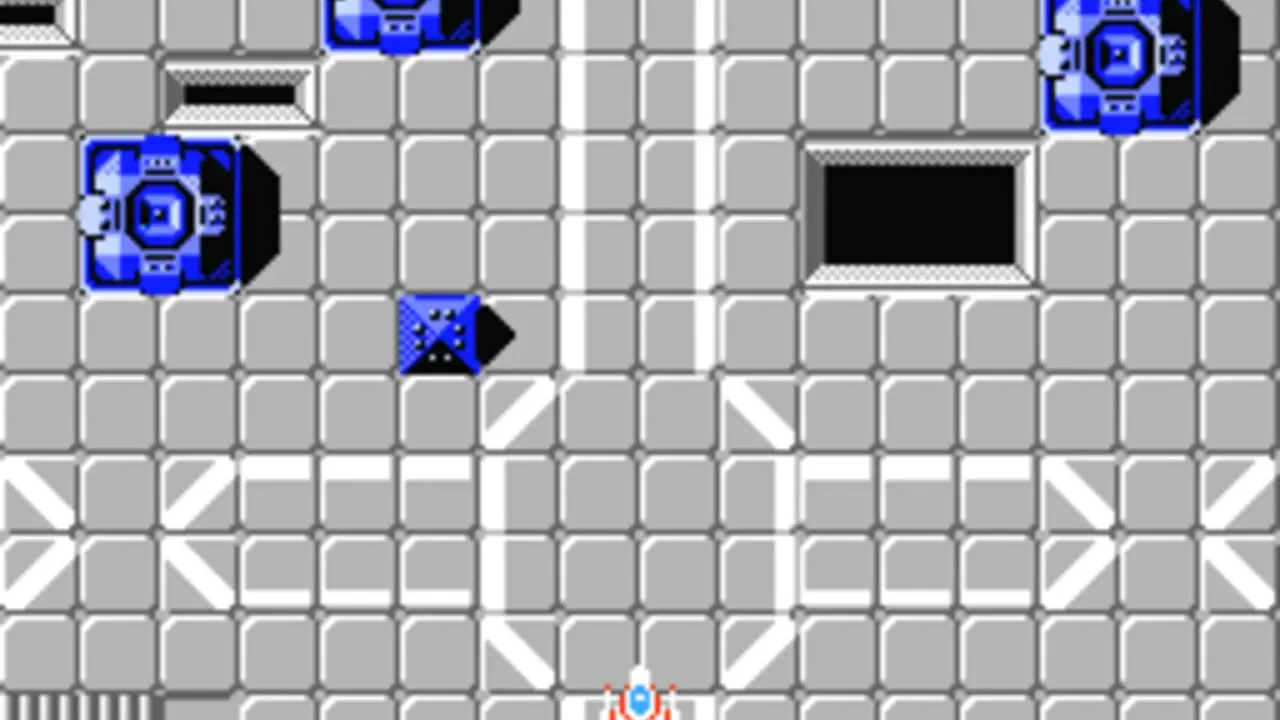
Parent game
In the game, the player pilots a starship called the Final Star, while shooting various enemies and destroying enemy structures for points. Unlike later vertical scrolling shooters, like Toaplan's Twin Cobra, the Final Star had only two levels of weapon power, and no secondary weapons like missiles and/or bombs. Each stage in the game was named after a letter of the Greek alphabet. In certain versions of the game, there is an additional level called "Infinity" (represented by the infinity symbol) which occurs after Omega, after which the game repeats indefinitely.
Part of collection:
Star Force
(last 3 games)

The gameplay of Final Star Force goes back to the formula of the original Star Force, but with updated graphics and some extra power-ups. Other things that have been changed from the original are the style of the title screen's logo, the background, and some enemies. Players control the two space fighter ships Blue Nova and Red Nova. There are three different power-ups to choose from called "Pulsators". Each name of a Pulsator has a letter at the beginning of it (e.g. A-Pulsator, B-Pulsator, C-Pulsator). The power-up system is similar to the one seen in the 1990 Raiden arcade game. Unlike other games that requires players to obtain powerups to enhance their ships, the power meter itself charges up automatically to increase their fighters' power.

Super Star Force: Jikuureki no Himitsu is a video game developed and published by Tecmo on November 11, 1986 for the Family Computer only in Japan. The game was featured in episode 111 (14th Season) of GameCenter CX. While this video game was originally assigned by Hudson Soft to be the publisher, Tecmo (then known as Tehkan) decided to both develop and publish the game as they were the official copyright owners
The Family Computer port of Star Force. In the game, the player pilots a starship called the Final Star, while shooting various enemies and destroying enemy structures for points. Unlike later vertical scrolling shooters, like Toaplan's Twin Cobra, the Final Star had only two levels of weapon power, and no secondary weapons like missiles and/or bombs. Each stage in the game was named after a letter of the Greek alphabet. In certain versions of the game, there is an additional level called "Infinity" (represented by the infinity symbol) which occurs after Omega, after which the game repeats indefinitely.
Could be interesting
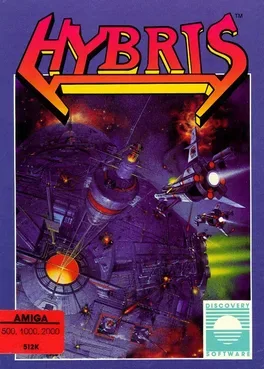
Hybris is a vertically scrolling sci-fi shoot 'em up for the Amiga.
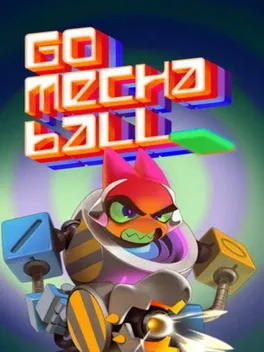
Go Mecha Ball is an acrobatic action roguelite where you shoot, roll and boost your way through a futuristic wonderland in pursuit of an ever more glitched-out rogue AI. Augment your ball mechs using an increasingly ludicrous arsenal of weapons, abilities and upgrades to shut the glitch portals!
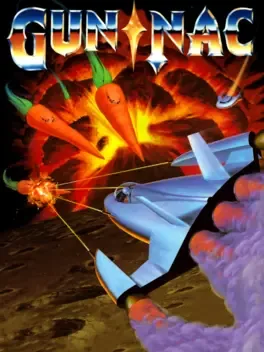
The most happening place in the universe is the trendy, upscale solar system of IOTA Synthetica, part of the Galactic Federation of artificial stars. It's as far from dirty old Earth as can be... But don't sign up to go yet! A strange cosmic energy field with a major attitude has engulfed the system, and the most outrageous things are happening. Ordinary inanimate objects are coming to life - harmless little animals are becoming rabid giants - and the freaked-out residents are under attack! The only Galactic Commander who can handle this ordeal is the eccentric renegade called Gun-Nac. He can oust this aura that's threatening the destruction of comfortable artificial life as we know it. But where in the universe is he? He could be as far away as Earth, searching for a new Game Pak. Commander Gun-Nac, if you read this, call H.Q., A.S.A.P., O.K.? We N.E.E.D. you!
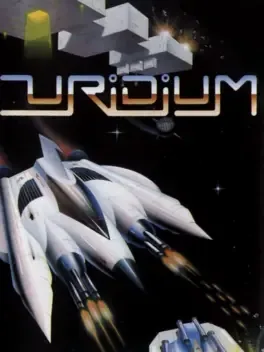
Uridium (released on the NES as The Last Starfighter) is a science fiction side-scrolling shoot 'em up originally designed by Andrew Braybrook for the Commodore 64, and later ported to other 8-bit machines. It consists of fifteen levels, each named after a metal element, with the last level being called Uridium (a fictional metallic element, not to be confused with the real metallic element iridium). The manual quotes Robert Orchard, who invented the name as saying "I really thought it existed".

Top-down arena shooter video game with role-playing elements. It was developed by Finnish studio 10tons Entertainment and published by Reflexive Entertainment in 2003. In 2014 an enhanced re-release followed.

Zalaga is a fixed screen shoot 'em up that is almost identical to Galaga. The player controls his space ship along the bottom of the screen and has to shoot at the aliens that move around above him.
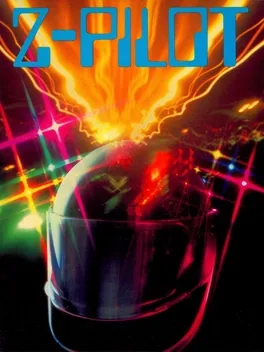
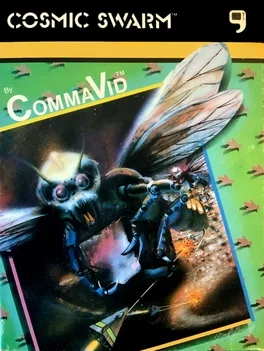
Close to your outpost in space a group of dormant space termites awkens and starts building a nest. You try to stop the invasion and destroy the would-be nests the termites are building. In shooting the invaders you can destroy them, however, you cannot get rid off the already placed nest blocks as easily since they have to be energized before they can be destroyed. In order to achieve this, you have to shoot a nest block while it is still being carried by the approaching termites. If you have accomplished that the already placed blocks can be shot down - at least until you hit a termite's body and the placed nest blocks will de-energized again.

Venture into an old, magical ruin to seek an ancient power in this highly replayable, top-down, roguelike twin-stick shooter. Combine and optimise your spells to defeat twisted monstrosities and dive deeper into the Lone Ruin.

There are 3 rules for surviving the zombie apocalypse: Shoot, Survive, Repeat.