
Street Fighter Alpha 3


Buy
Part of collection:
Street Fighter Alpha
(last 3 games)
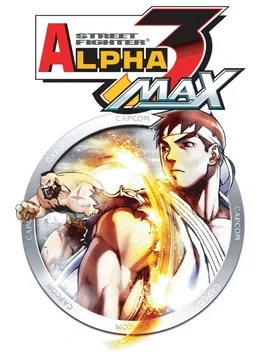
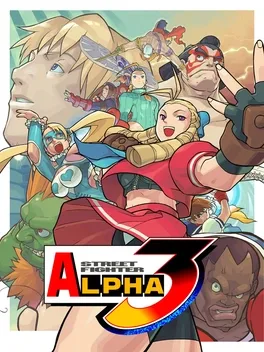
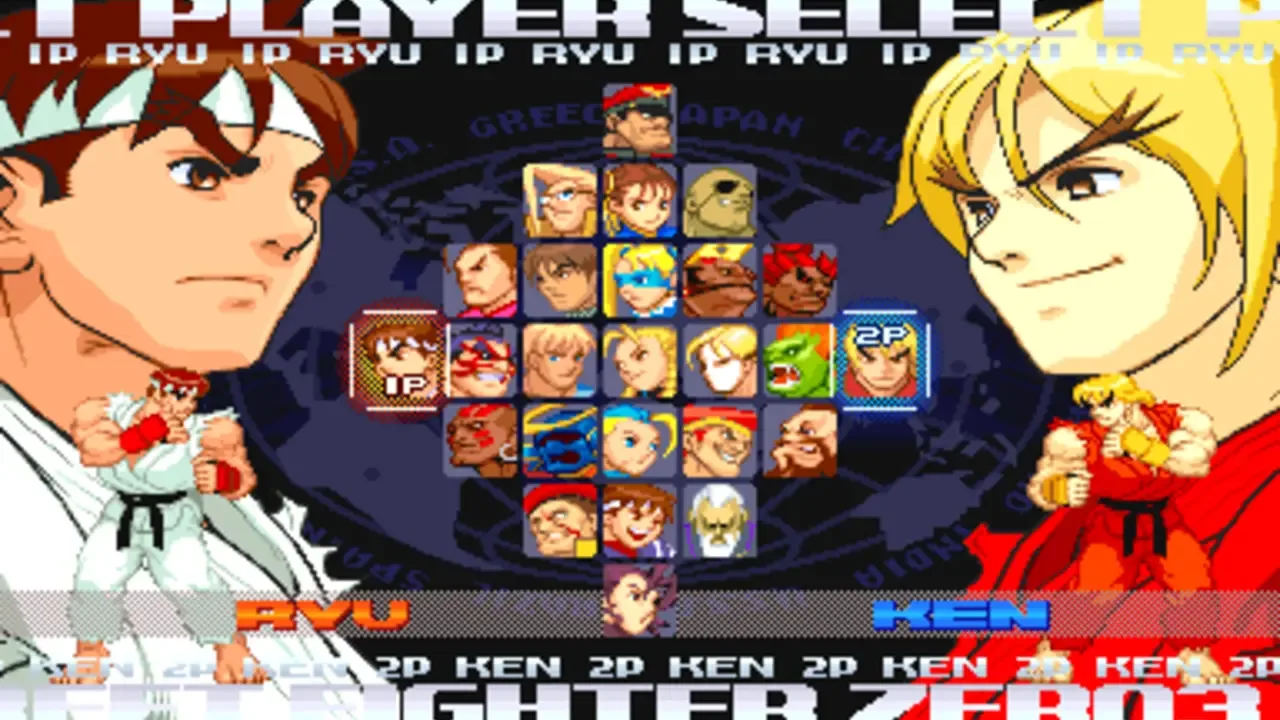
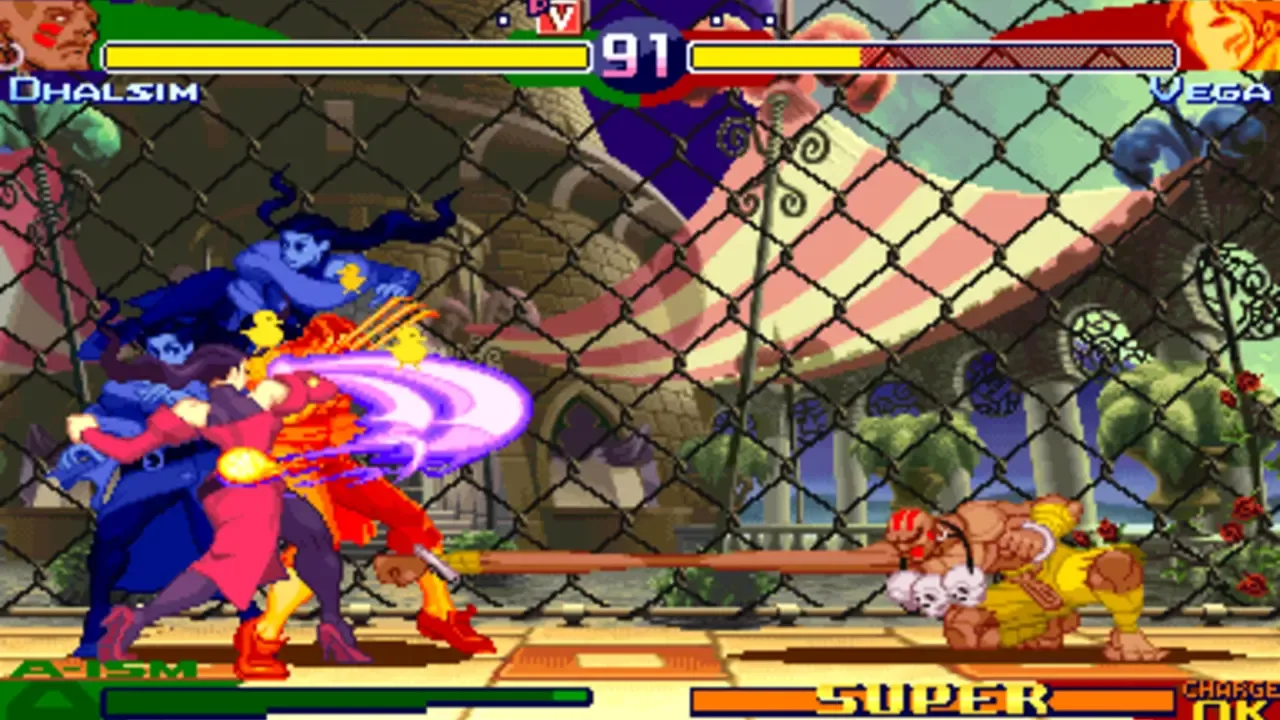
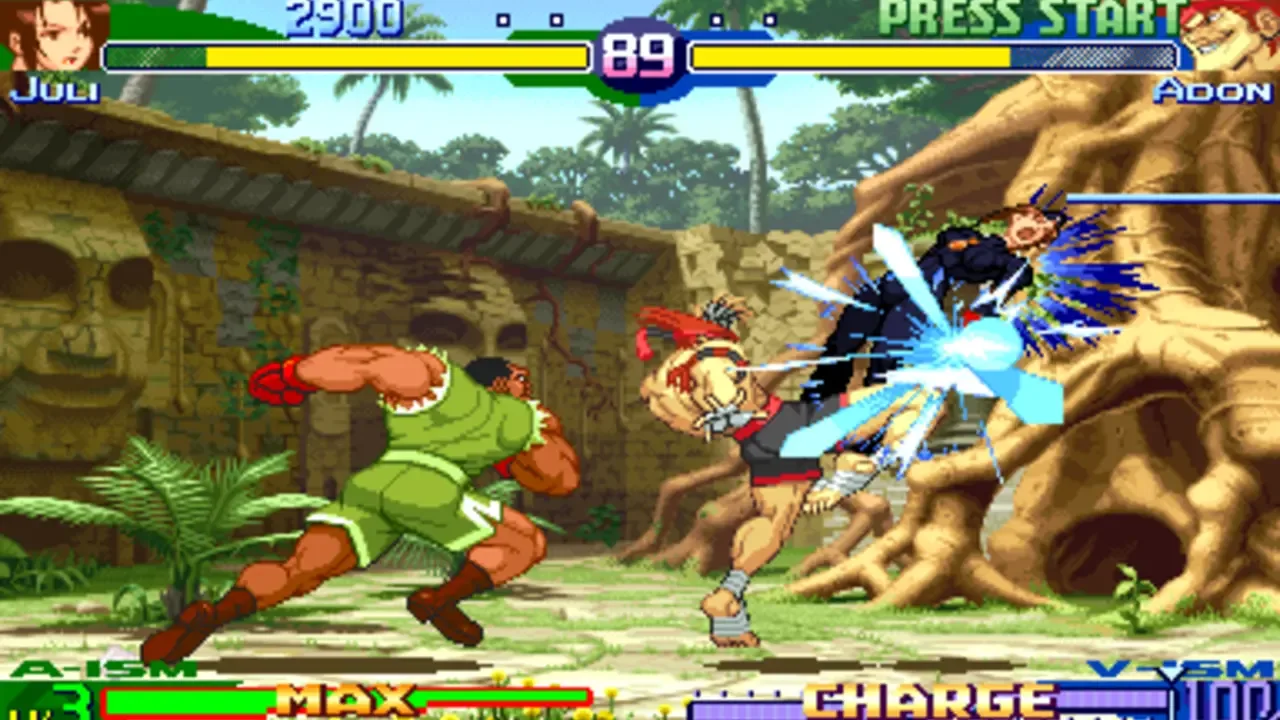
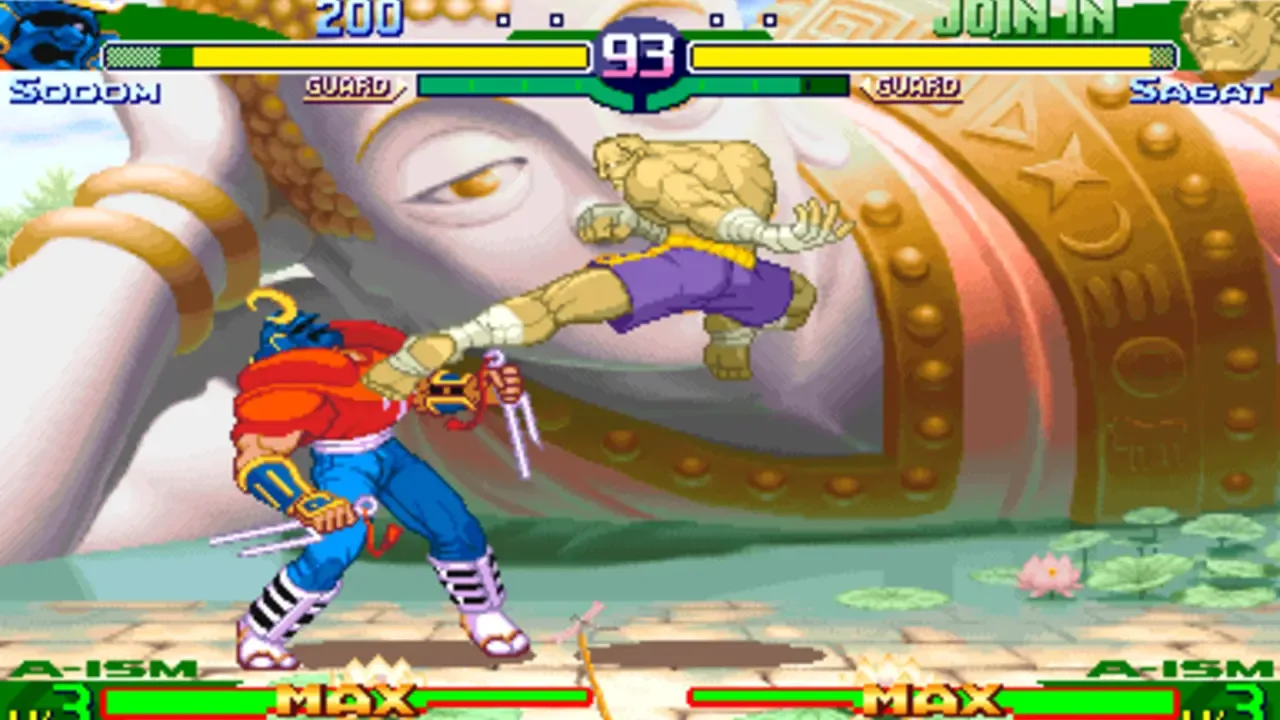
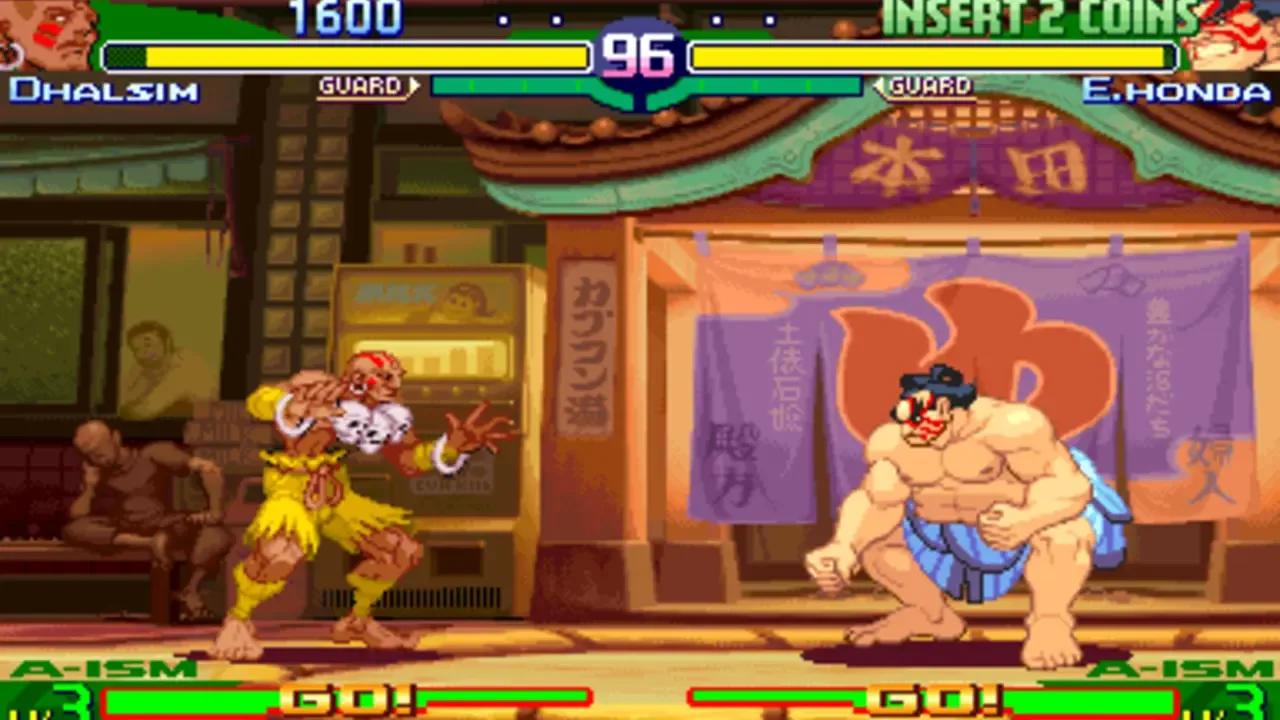
Street Fighter Alpha 3 MAX is a near-faithful port of the arcade version with minimal loading times and all frames and sprites intact. All the additional characters from the GBA version as well as Ingrid from Capcom Fighting Evolution are present. The added characters now feature their own in-game storylines and endings. The Dramatic Battle mode in this version is the only one where both the player and partner characters can be selected individually, allowing for any character pairing. It also includes the Reverse Dramatic Battle mode from the Saturn version and an exclusive tag mode called Variable Battle.
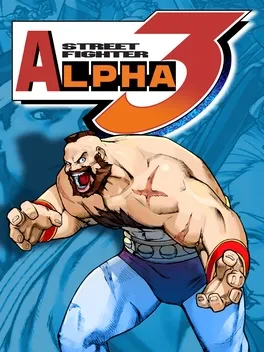
Street Fighter Alpha 3 Upper is a compressed version of the original game and lacks several stages and music tracks from the previous arcade and console versions, although all the characters are present. In addition, Eagle, Maki, and Yun, all of whom were characters from Capcom vs. SNK 2 were added to the game. Only a few character voices were included in this version due to storage limitations, which the developers worked around by having characters share voice samples, modified with real-time pitch shifting, such as using a higher pitched version of Ken's voice for Sakura's attack calls.
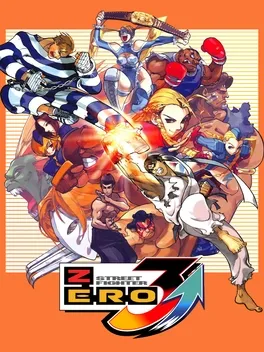
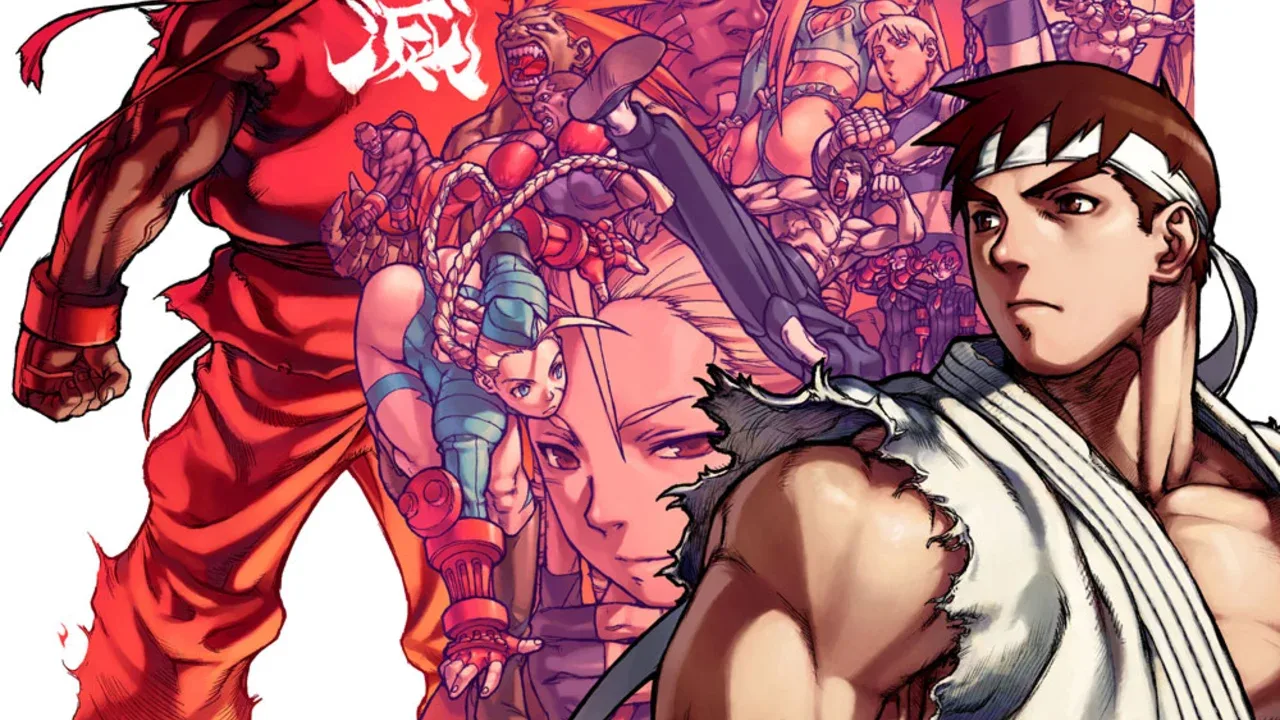
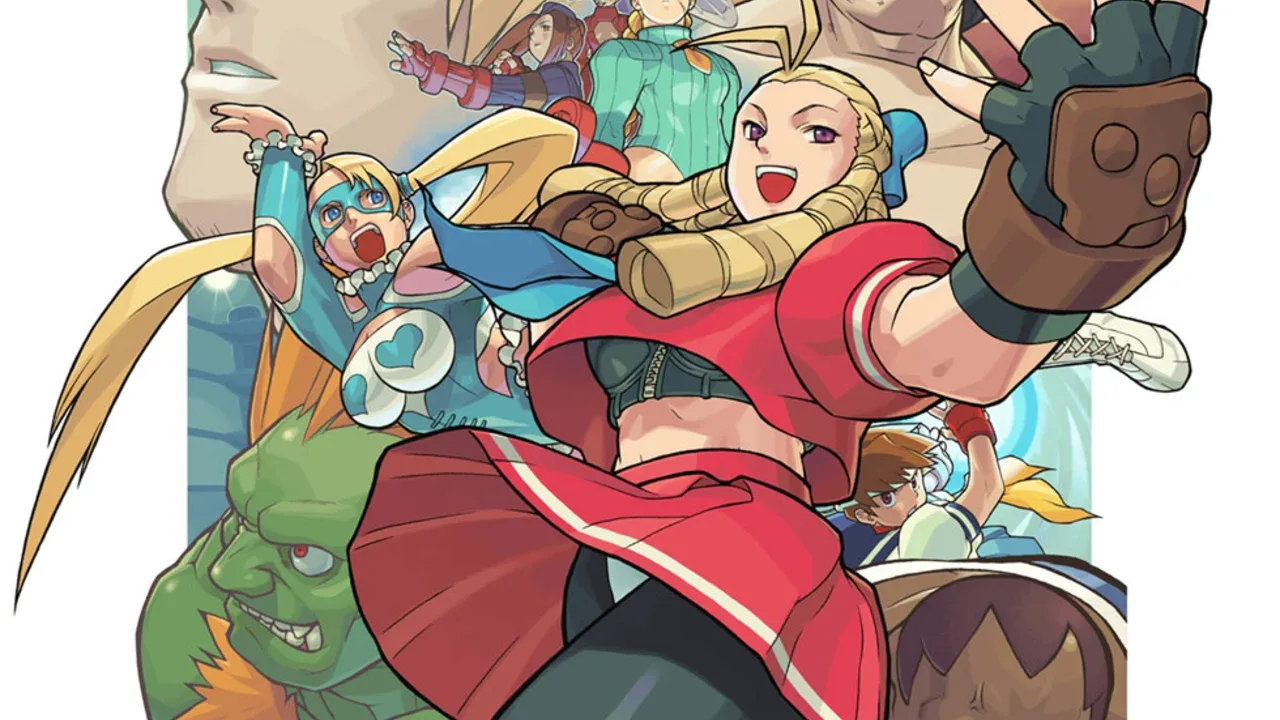
Street Fighter Zero 3 was re-released for the arcade in Japan in 2001 under the title Street Fighter Zero 3 Upper. The Upper version of the final installment of Street Fighter Alpha 3! Choose your favorite "ism", or fighting style, and get ready to rumble! Play mind games with X-ism, rain down punishing techniques with A-ism, or bamboozle opponents with original V-ism combos—find the style that speaks to you!
Part of franchise:
Street Fighter
(last 3 games)
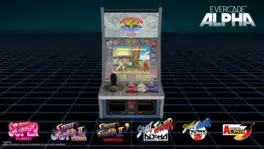
The Evercade Alpha Street Fighter Bartop Arcade includes six titles from the legendary Street Fighter series by Capcom, including Street Fighter II‘ Champion Edition, Super Street Fighter II Turbo, Street Fighter Alpha: Warriors’ Dreams, Street Fighter Alpha 2, Street Fighter Alpha 3 and Super Puzzle Fighter II Turbo.
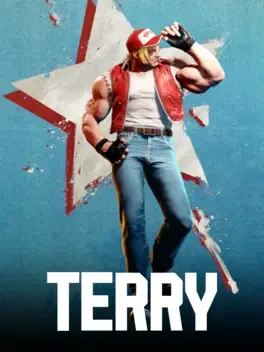
Terry is the second DLC character in the Street Fighter 6: Year 2 Character/Ultimate Pass. A passionate fighter that hones his craft as he travels all over the world. Also known as the "Hungry Wolf". He came to Metro City after hearing about the opening of the Pao Pao Cafe.
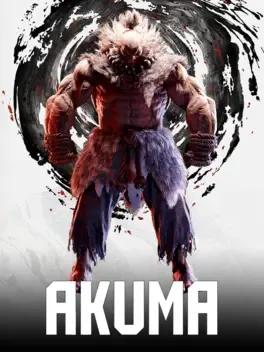
Akuma is the fourth DLC character for Street Fighter 6 and final character in the Year 1 Character/Ultimate Pass. A demon of combat that has welcomed the Satsui no Hado into his being in his quest to become the ultimate master of the fist.
Could be interesting
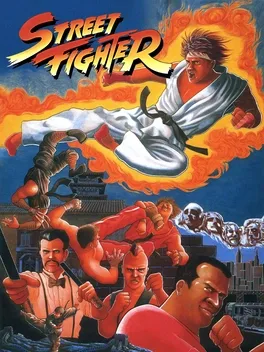
Street Fighter is the first fighting game produced by Capcom and the very first game in the Street Fighter series. While it did not achieve the same popularity as its sequels when it was first released, the original Street Fighter introduced some of the conventions made standard in later games such as attack buttons and special command-based techniques.
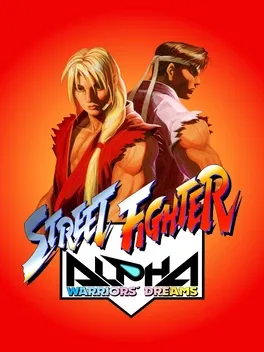
Street Fighter Alpha: Warriors' Dreams was the first all new Street Fighter game produced by Capcom since the release of Street Fighter II. It introduces several new features, expanding on the Super Combo system previously featured in Super Street Fighter II Turbo with graphics drawn in the same animated style Capcom employed in Darkstalkers. Street Fighter Alpha revamps the Super Combo system introduced in Super Street Fighter II Turbo by adding a three-level Super Combo gauge that fills in as the player performs regular and special moves.
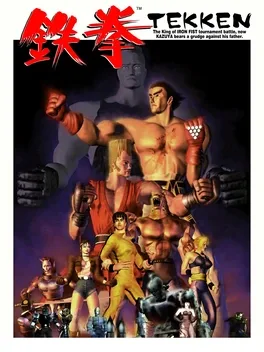
Tekken is a fighting game and the first entry in what would become the Tekken series and franchise. It was one of the earliest 3D-animated fighting games, incorporating many of the concepts from Sega's Virtua Fighter. Unlike traditional fighting games that require inputting commands as rapidly and accurately as possible, Tekken slows the action down by emphasizing rhythm, strategy, and deception over speed.
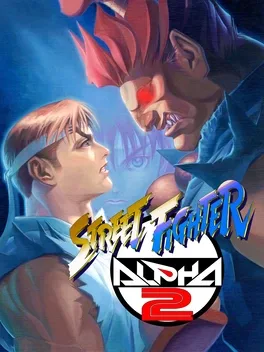
Street Fighter Alpha 2 is both a sequel and a remake to the previous year's Street Fighter Alpha: Warriors' Dreams. The game features a number of improvements over the original, such as new attacks, stages, endings, and gameplay features. New characters in this version include Gen, Rolento and Sakura. Dhalsim and Zangief also return to the fight with some new moves.
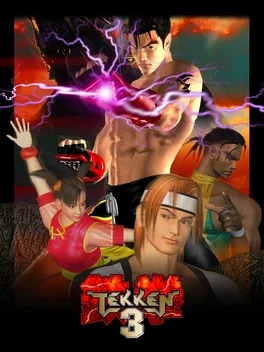
Tekken 3 is the third installment in the Tekken series. It maintains the same core fighting system as its predecessors but brings many improvements, such as significantly more detailed graphics and animations, fifteen new characters added to the game's roster, more modern music and faster gameplay.
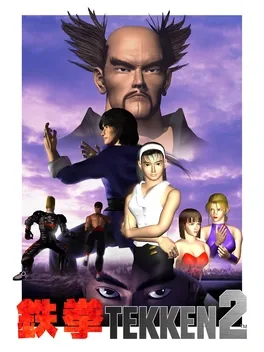
Tekken 2 is the second game in the Tekken series, it made various improvements over its predecessor in terms of graphics and features. All the characters from Tekken returned and eight new characters were added to the character roster along with new moves and combos.
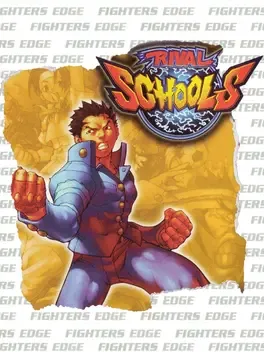
The main fighting game is best described as a polygonal Marvel vs. Capcom game, with some notable differences. Control wise, the game varies from other Capcom fighting games by only having four buttons (two punches and two kicks, which is closer to the SNK game format) rather than the standard six. A player chooses a team of two characters, and fights against another two character team. The actual fights, however, are one-on-one fights, with the partner only participating by being called in when a player has enough 'vigor' for a Team Up attack, done by pressing a punch and kick button of the same pressure. The Team Ups would be some kind of double team attack by the character and partner, or (for most female characters' Team Ups) would heal the main character or give them more vigor. After the end of a round, a player (win or lose) has a choice to fight the next round with the partner from the previous round, or to keep their main character in play. The 'vigor' meter (essentially a super meter) could go up to 9 levels, with Team Ups costing two levels and super moves from a single person all costing one level of vigor. Much like the Marvel vs. Capcom games, launchers can be done that allow air combos to be performed, with all characters having universal low and high launchers. The game also had a few defensive techniques. Tardy Counters acted much like Alpha Counters from Street Fighter Alpha, allowing a player to immediately counter-attack from a blocking position. However, the restrictions on Tardy Counters are very lax; any hard normal, special or super attack can be used to Tardy counter (Alpha counters are only limited to certain special moves for each character), and Tardy Counters do not cost any extra vigor to perform (Alpha Counters required at least a level of Super Combo gauge to do). Attack Cancels allowed a player to cancel an incoming hit simply by timing their own hit with the attack, which would cancel out both attacks (though it does not nullify the remaining hits of a multi-hit move). Also, one additional level of vigor is awarded.
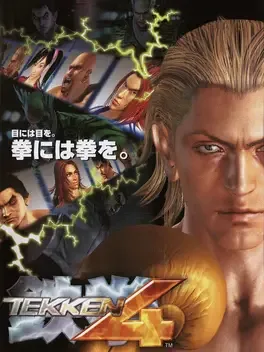
Tekken 4 marks the return of Namco's premier fighting franchise, Tekken. This version features enhanced graphics, gameplay mechanics, and fearsome fighters. Newcomers engage old favorites in interactive, multileveled arenas. The addition of walls, terrain effects, position changes, and enhanced sidestepping will force you to adjust your fighting strategy. Expanded game modes such as Training, Team Battle and the new Tekken Force provide the player with a deeper gameplay experience.
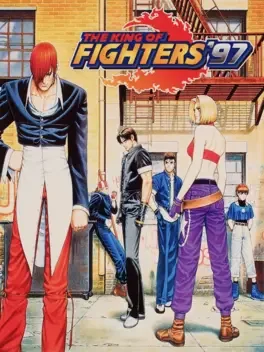
The King of Fighters '97 is a 1997 fighting game produced by SNK for the Neo Geo arcade and home console. It is the fourth game in The King of Fighters series. It was ported to the Neo-Geo CD, as well as the PlayStation and the Sega Saturn in Japan only.
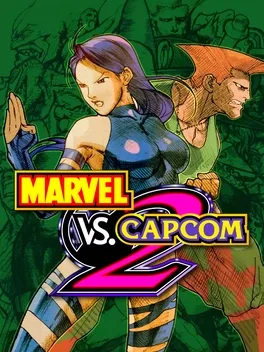
Marvel vs. Capcom 2: New Age of Heroes is the fourth game in the Marvel vs. Capcom series of fighting games. The player's controls were simplified to make the gameplay more accessible to the wider audience of casual players and the button configuration was trimmed down to 4 main buttons and 2 assist buttons. The game also features a different air-combo system and 3 on 3 tag, compared to the 2 on 2 tag from previous games in the series.