
Street Fighter Alpha 2


Buy
Part of collection:
Street Fighter Alpha
(last 3 games)
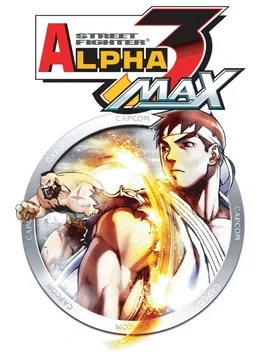
Street Fighter Alpha 3 MAX is a near-faithful port of the arcade version with minimal loading times and all frames and sprites intact. All the additional characters from the GBA version as well as Ingrid from Capcom Fighting Evolution are present. The added characters now feature their own in-game storylines and endings. The Dramatic Battle mode in this version is the only one where both the player and partner characters can be selected individually, allowing for any character pairing. It also includes the Reverse Dramatic Battle mode from the Saturn version and an exclusive tag mode called Variable Battle.
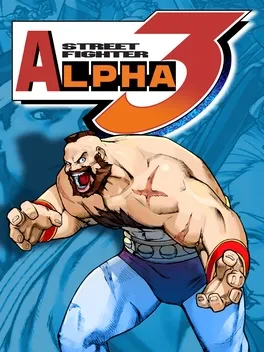
Street Fighter Alpha 3 Upper is a compressed version of the original game and lacks several stages and music tracks from the previous arcade and console versions, although all the characters are present. In addition, Eagle, Maki, and Yun, all of whom were characters from Capcom vs. SNK 2 were added to the game. Only a few character voices were included in this version due to storage limitations, which the developers worked around by having characters share voice samples, modified with real-time pitch shifting, such as using a higher pitched version of Ken's voice for Sakura's attack calls.
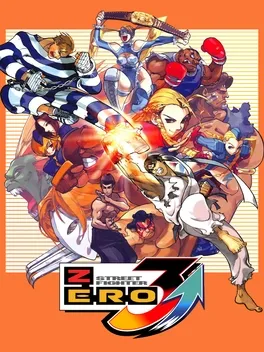
Street Fighter Zero 3 was re-released for the arcade in Japan in 2001 under the title Street Fighter Zero 3 Upper. The Upper version of the final installment of Street Fighter Alpha 3! Choose your favorite "ism", or fighting style, and get ready to rumble! Play mind games with X-ism, rain down punishing techniques with A-ism, or bamboozle opponents with original V-ism combos—find the style that speaks to you!
Part of franchise:
Street Fighter
(last 3 games)
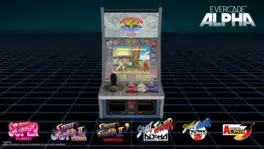
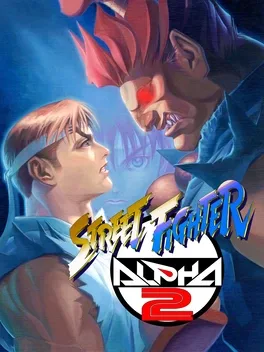
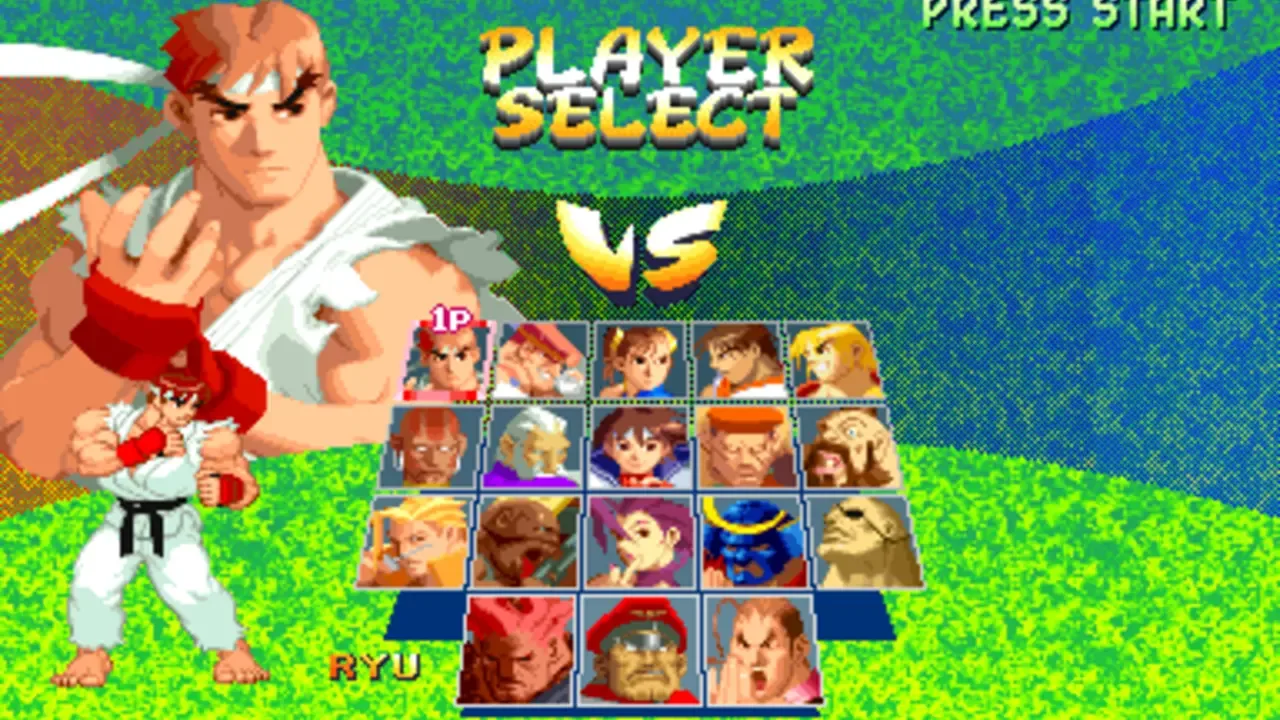
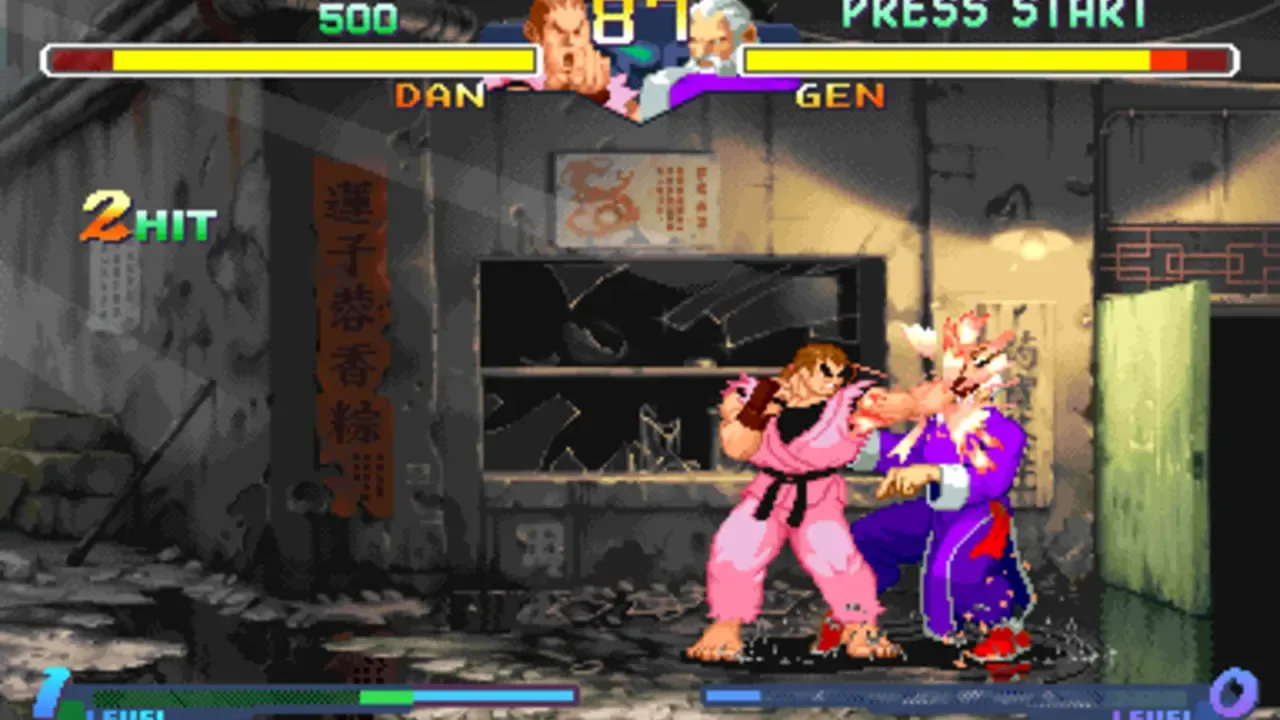
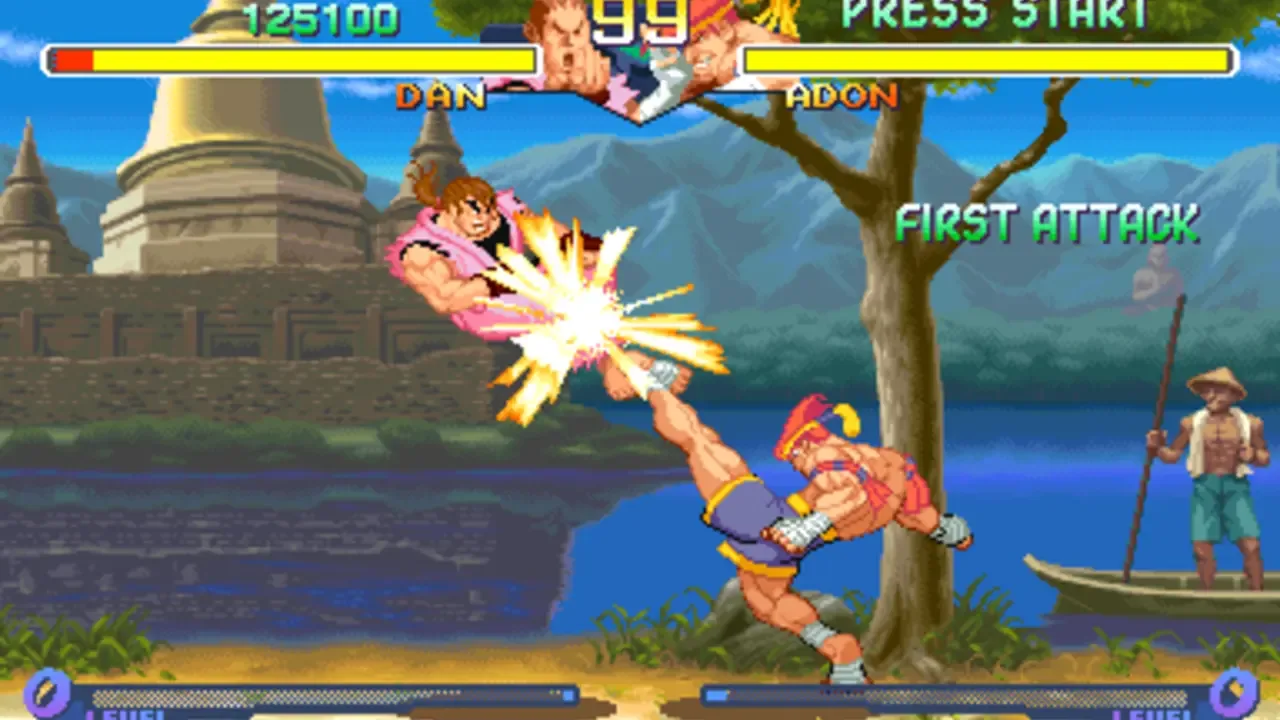
The Evercade Alpha Street Fighter Bartop Arcade includes six titles from the legendary Street Fighter series by Capcom, including Street Fighter II‘ Champion Edition, Super Street Fighter II Turbo, Street Fighter Alpha: Warriors’ Dreams, Street Fighter Alpha 2, Street Fighter Alpha 3 and Super Puzzle Fighter II Turbo.
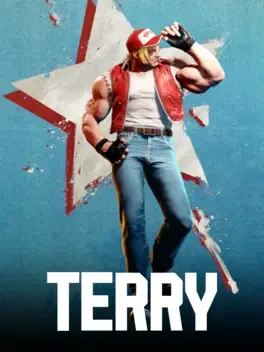
Terry is the second DLC character in the Street Fighter 6: Year 2 Character/Ultimate Pass. A passionate fighter that hones his craft as he travels all over the world. Also known as the "Hungry Wolf". He came to Metro City after hearing about the opening of the Pao Pao Cafe.
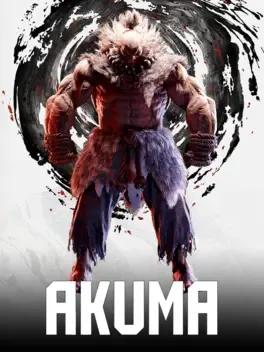
Akuma is the fourth DLC character for Street Fighter 6 and final character in the Year 1 Character/Ultimate Pass. A demon of combat that has welcomed the Satsui no Hado into his being in his quest to become the ultimate master of the fist.
Could be interesting
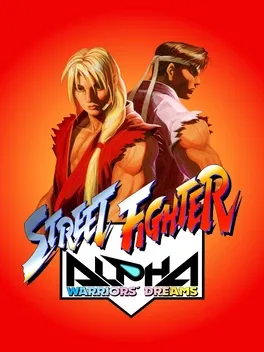
Street Fighter Alpha: Warriors' Dreams was the first all new Street Fighter game produced by Capcom since the release of Street Fighter II. It introduces several new features, expanding on the Super Combo system previously featured in Super Street Fighter II Turbo with graphics drawn in the same animated style Capcom employed in Darkstalkers. Street Fighter Alpha revamps the Super Combo system introduced in Super Street Fighter II Turbo by adding a three-level Super Combo gauge that fills in as the player performs regular and special moves.
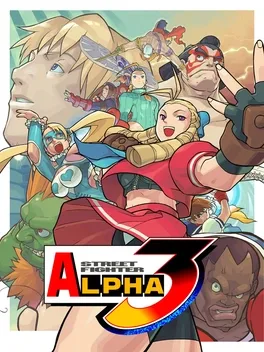
Street Fighter Alpha 3 is the third game in the Street Fighter Alpha series. It features a complete gameplay overhaul with the addition of three selectable fighting styles, new stages, over seven new and returning characters and an exclusive soundtrack. The game's illustrations, select screens, soundtrack and sound effects all have a similar style to the Final Fight series, unlike the previous games.
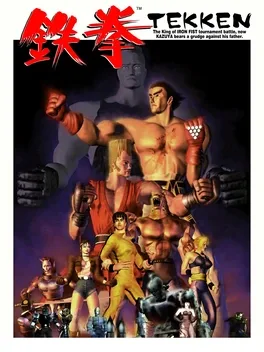
Tekken is a fighting game and the first entry in what would become the Tekken series and franchise. It was one of the earliest 3D-animated fighting games, incorporating many of the concepts from Sega's Virtua Fighter. Unlike traditional fighting games that require inputting commands as rapidly and accurately as possible, Tekken slows the action down by emphasizing rhythm, strategy, and deception over speed.
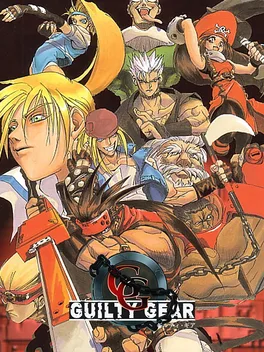
Guilty Gear is a 2D fighting game, in which you can play as one of 10 very different kind of characters. There is a selection of fighters from Holy Order knights, Armed Air Force soldiers, Mafia members and mad scientists. Each character has his/her own storyline that will be fully revealed during the final showdown. In battles, you can charge up for special attacks, as well as perform Deathblow moves, which would kill the opponent instantly. You can either choose to finish the Arcade mode, challenge your friends to a Versus battle, or either train your skills out in the Training mode.
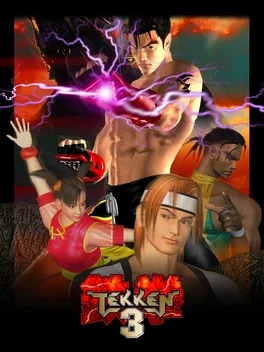
Tekken 3 is the third installment in the Tekken series. It maintains the same core fighting system as its predecessors but brings many improvements, such as significantly more detailed graphics and animations, fifteen new characters added to the game's roster, more modern music and faster gameplay.
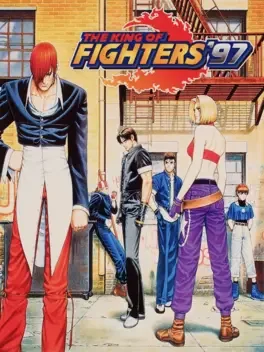
The King of Fighters '97 is a 1997 fighting game produced by SNK for the Neo Geo arcade and home console. It is the fourth game in The King of Fighters series. It was ported to the Neo-Geo CD, as well as the PlayStation and the Sega Saturn in Japan only.
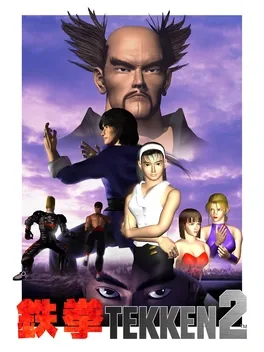
Tekken 2 is the second game in the Tekken series, it made various improvements over its predecessor in terms of graphics and features. All the characters from Tekken returned and eight new characters were added to the character roster along with new moves and combos.
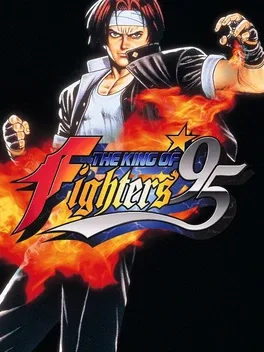
The King of Fighters '95 is a 1995 fighting game produced by SNK for the Neo Geo arcade and home console. It is the sequel to The King of Fighters '94 and the second game in The King of Fighters series. It is also the first game in the series to be ported to other home consoles besides the Neo Geo AES and Neo-Geo CD, with versions released for the PlayStation, Sega Saturn and Game Boy. It was also rereleased in The King of Fighters Collection: The Orochi Saga in 2008 for the PlayStation 2, PlayStation Portable and Wii. The King of Fighters '95 introduces Kyo Kusanagi's rival Iori Yagami, and firmly places Kyo as the main character for the rest of the series. The gameplay of The King of Fighters '95 is essentially unchanged from the previous title, though it does introduce the "team edit" concept which would remain as a standard feature of the series. Using the "team edit" feature, it is possible to create a totally customized team using any of the available fighters, or use one of the default teams if you wish.
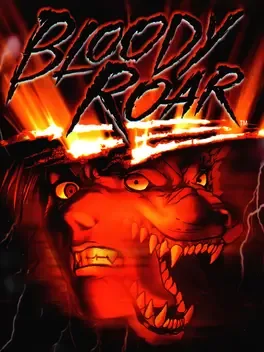
Bloody Roar, known as Bloody Roar: Hyper Beast Duel in Europe and Japan, is a fighting video game originally developed by Raizing (now Eighting) as an arcade game. It was later adapted for the PlayStation by Hudson Soft and published by Sony Computer Entertainment for the PlayStation. The arcade version was released on July 7, 1997 and was titled Beastorizer in North America. The PlayStation version was released in Japan on November 6, 1997, in North America (under the title Bloody Roar) on October 31, 1997 and in Europe on March 1998. Bloody Roar is the first game in the Bloody Roar video game series and was followed by four sequels on multiple platforms. The game's story centers on a group of warriors known as "zoanthropes", who have the power to transform into half-human half-animal "Beasts", and the Tylon Corporation, and underground organization that seeks to use zoanthropes as mind-controlled weapons. The game received generally positive reviews from critics for its originality and graphics, while the audio received mixed opinions. The game's success resulted in its re-release for The Best range on October 14, 1999. The game was re-released on the PlayStation Network in North America on August 20, 2009.
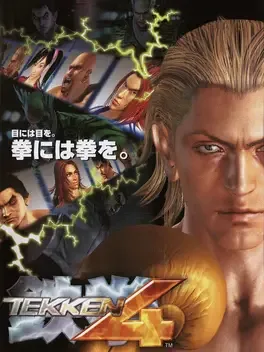
Tekken 4 marks the return of Namco's premier fighting franchise, Tekken. This version features enhanced graphics, gameplay mechanics, and fearsome fighters. Newcomers engage old favorites in interactive, multileveled arenas. The addition of walls, terrain effects, position changes, and enhanced sidestepping will force you to adjust your fighting strategy. Expanded game modes such as Training, Team Battle and the new Tekken Force provide the player with a deeper gameplay experience.