
Street Fighter III: 3rd Strike


Buy
Parent game
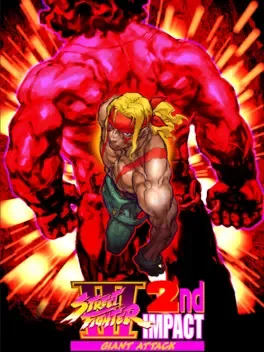
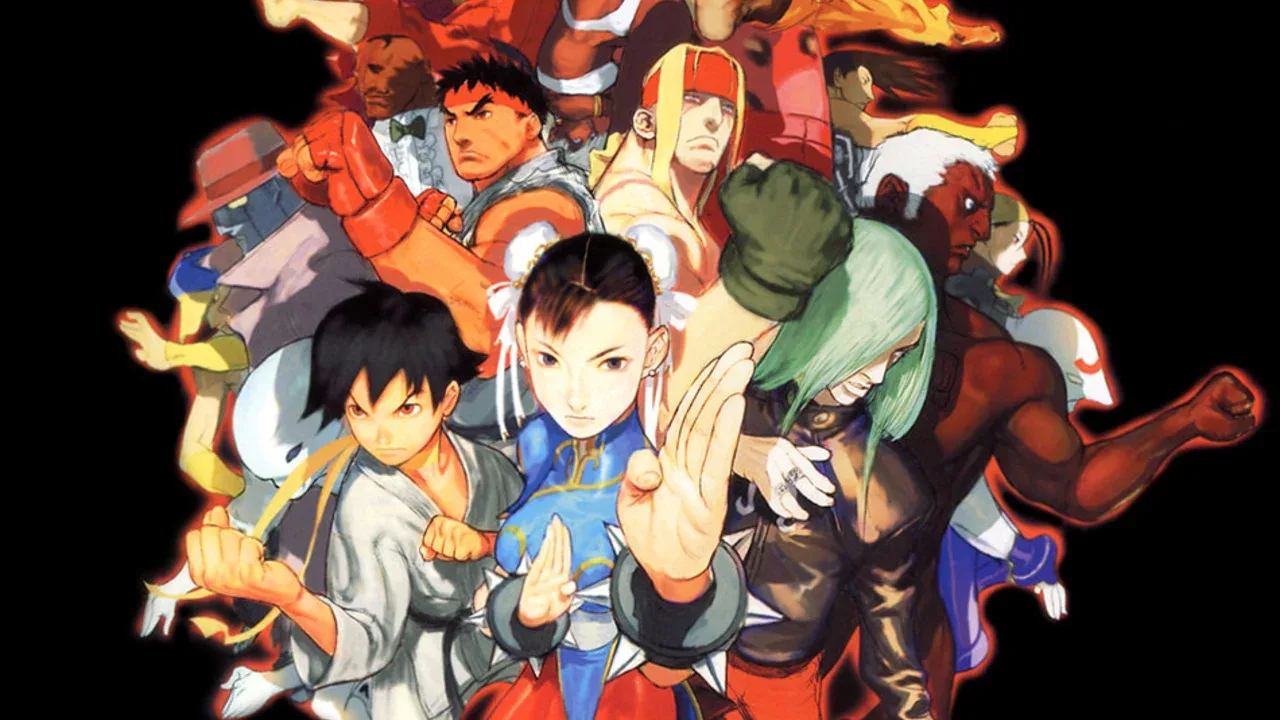
2nd Impact brought back all the characters from the first game and introduced two new ones: Hugo and Urien. Yang, who was an alternate version of Yun in the first game, became his own character with his own set of special moves and super arts. Akuma also returned as a secret computer-controlled challenger and selectable character. Thus the playable character roster increased to 14. In addition to the regular Akuma, a non-playable computer-controlled version named "Shin Akuma" also appears in the single-player mode.
Part of collection:
Street Fighter
(last 3 games)
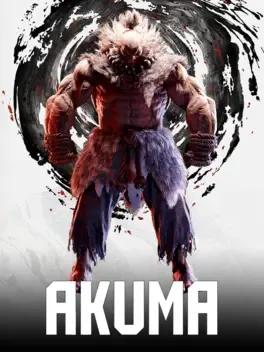
Akuma is the fourth DLC character for Street Fighter 6 and final character in the Year 1 Character/Ultimate Pass. A demon of combat that has welcomed the Satsui no Hado into his being in his quest to become the ultimate master of the fist.
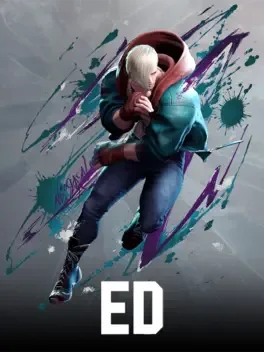
Ed is the third DLC character for Street Fighter 6 in the Year 1 Character/Ultimate Pass. A Psycho Power-wielding youth aged up rapidly by Shadaloo's experimentation, on a journey and a mission to free other subjects. He gets his short temper and foul mouth from Balrog, his former mentor.

A.K.I. is the second DLC character for Street Fighter 6 in the Year 1 Character/Ultimate Pass. A poison-wielding apprentice of F.A.N.G, the former Shadaloo officer. Enchanted by the power of toxins, nothing brings her more joy than testing them on a new target—other than attention from her “master,” that is.
Part of collection:
Street Fighter III
(last 3 games)
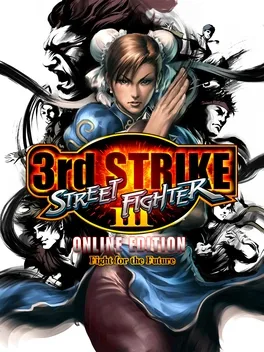
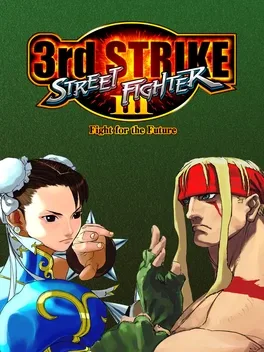
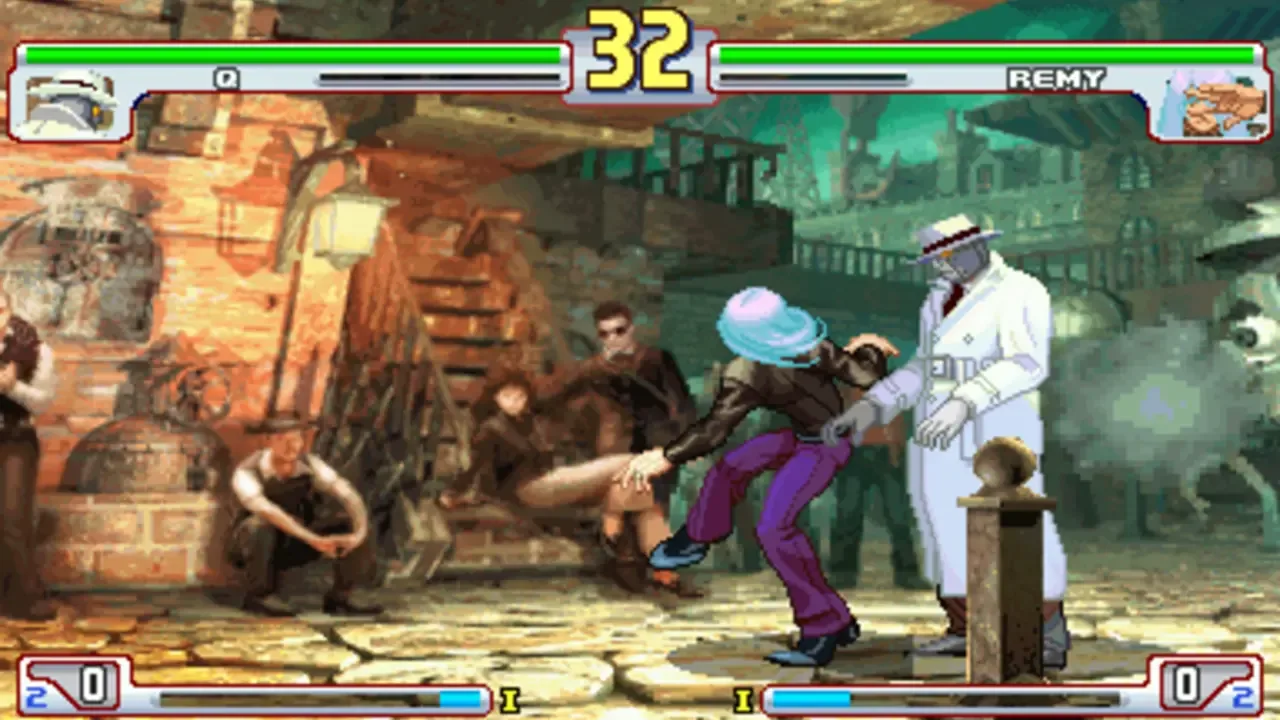
The PlayStation Network and Xbox Live Arcade port of Street Fighter III: 3rd Strike. Developed by Iron Galaxy Studios, this version features enhanced visuals, an improved training mode, character-specific combo trials, rollback netcode, and more!
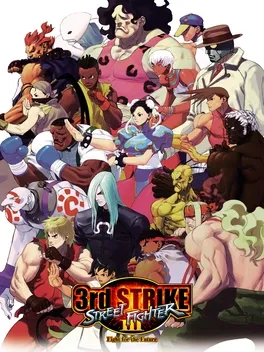
The PlayStation 2 port of Street Fighter III: 3rd Strike was released with all the features from the Dreamcast version, including a choice between the arcade and Dreamcast version's respective soundtracks.
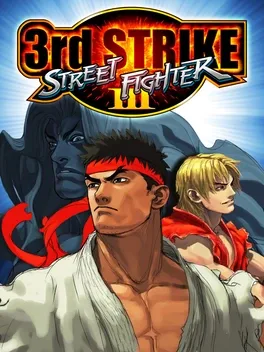
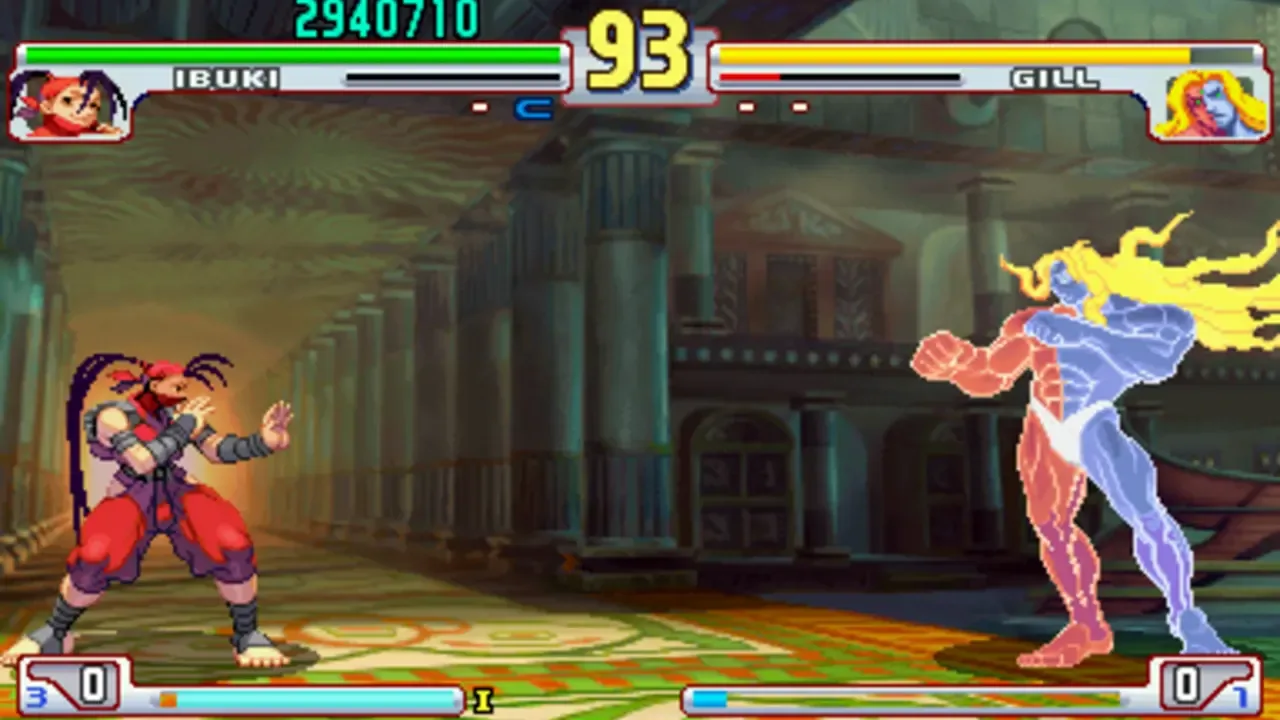
The Dreamcast port of Street Fighter III: 3rd Strike features an Arcade, Versus, Training and Options modes, as well as a System Direction mode which allows the player to adjust several of the game's features. Gill can be selected by the player but only after fulfilling certain requirements. Also, one additional remix of each character's musical theme not present in the original arcade version was composed for this version and it was played during the third round of each match. These additional remixes were also included in the PlayStation 2 version.
Part of franchise:
Street Fighter
(last 3 games)
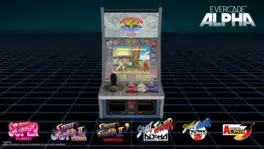
The Evercade Alpha Street Fighter Bartop Arcade includes six titles from the legendary Street Fighter series by Capcom, including Street Fighter II‘ Champion Edition, Super Street Fighter II Turbo, Street Fighter Alpha: Warriors’ Dreams, Street Fighter Alpha 2, Street Fighter Alpha 3 and Super Puzzle Fighter II Turbo.
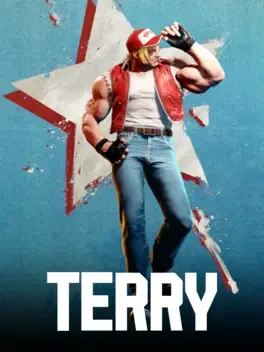
Terry is the second DLC character in the Street Fighter 6: Year 2 Character/Ultimate Pass. A passionate fighter that hones his craft as he travels all over the world. Also known as the "Hungry Wolf". He came to Metro City after hearing about the opening of the Pao Pao Cafe.
Akuma is the fourth DLC character for Street Fighter 6 and final character in the Year 1 Character/Ultimate Pass. A demon of combat that has welcomed the Satsui no Hado into his being in his quest to become the ultimate master of the fist.
Could be interesting
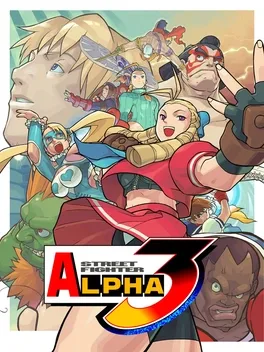
Street Fighter Alpha 3 is the third game in the Street Fighter Alpha series. It features a complete gameplay overhaul with the addition of three selectable fighting styles, new stages, over seven new and returning characters and an exclusive soundtrack. The game's illustrations, select screens, soundtrack and sound effects all have a similar style to the Final Fight series, unlike the previous games.
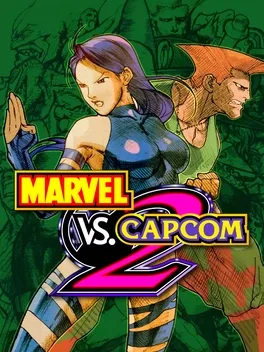
Marvel vs. Capcom 2: New Age of Heroes is the fourth game in the Marvel vs. Capcom series of fighting games. The player's controls were simplified to make the gameplay more accessible to the wider audience of casual players and the button configuration was trimmed down to 4 main buttons and 2 assist buttons. The game also features a different air-combo system and 3 on 3 tag, compared to the 2 on 2 tag from previous games in the series.
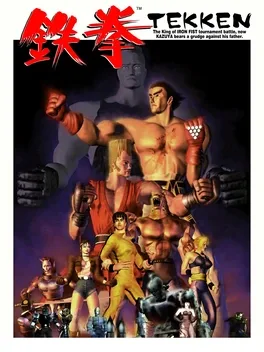
Tekken is a fighting game and the first entry in what would become the Tekken series and franchise. It was one of the earliest 3D-animated fighting games, incorporating many of the concepts from Sega's Virtua Fighter. Unlike traditional fighting games that require inputting commands as rapidly and accurately as possible, Tekken slows the action down by emphasizing rhythm, strategy, and deception over speed.
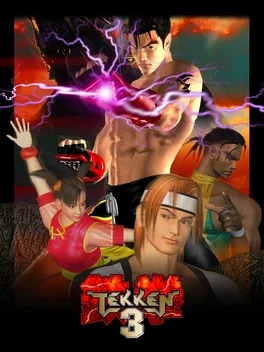
Tekken 3 is the third installment in the Tekken series. It maintains the same core fighting system as its predecessors but brings many improvements, such as significantly more detailed graphics and animations, fifteen new characters added to the game's roster, more modern music and faster gameplay.
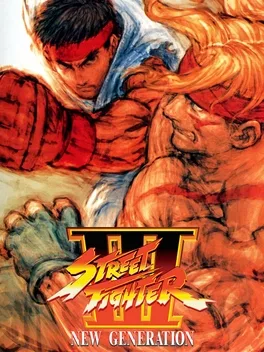
Street Fighter III: New Generation is a fighting game in Capcom's Street Fighter series, originally released as coin-operated arcade game in 1997. Street Fighter III was produced for the CD-ROM-based CP System III hardware, which allowed for more elaborate 2D graphics than the CPS II-based Street Fighter Alpha games (the previous incarnation of the Street Fighter series), while revamping many of the play mechanics. The game, which was designed as a direct sequel to Street Fighter II, initially discarded every previous character except for Ryu and Ken (hence the "New Generation" subtitle), introducing an all-new roster led by Alex.
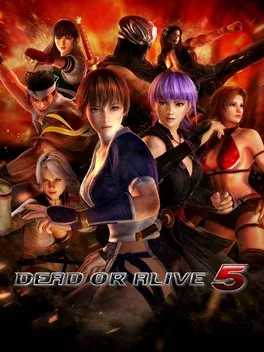
Dead or Alive 5 is a fighting game in the Dead or Alive series. It is the first Dead or Alive game to have a multi-platform release since Dead or Alive 2 as well as the series' first installment that was released for the PlayStation 3. Dead or Alive 5 features guest characters from Sega's Virtua Fighter fighting game series and several new gameplay mechanics, as well as improved graphics and a more realistic visual style than its predecessors. Its plot is set two years after the events of Dead or Alive 4, telling the interrelating stories of various characters in connection to the new DOA tournament and the continuing hunt for Kasumi's evil clone.
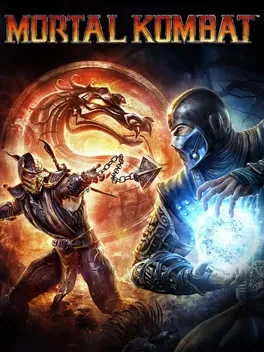
Mortal Kombat is a 2011 fighting game developed by NetherRealm Studios. It is the ninth main installment in the Mortal Kombat franchise and a soft reboot of the series. Although beginning during the events of Mortal Kombat: Armageddon, the plot retroactively revisits the earliest period in the Mortal Kombat series: the events of the first three games. The storyline follows Raiden, the divine protector of Earth, as he attempts to change the outcome of the Armageddon events by contacting his past self.

Bloody Roar, known as Bloody Roar: Hyper Beast Duel in Europe and Japan, is a fighting video game originally developed by Raizing (now Eighting) as an arcade game. It was later adapted for the PlayStation by Hudson Soft and published by Sony Computer Entertainment for the PlayStation. The arcade version was released on July 7, 1997 and was titled Beastorizer in North America. The PlayStation version was released in Japan on November 6, 1997, in North America (under the title Bloody Roar) on October 31, 1997 and in Europe on March 1998. Bloody Roar is the first game in the Bloody Roar video game series and was followed by four sequels on multiple platforms. The game's story centers on a group of warriors known as "zoanthropes", who have the power to transform into half-human half-animal "Beasts", and the Tylon Corporation, and underground organization that seeks to use zoanthropes as mind-controlled weapons. The game received generally positive reviews from critics for its originality and graphics, while the audio received mixed opinions. The game's success resulted in its re-release for The Best range on October 14, 1999. The game was re-released on the PlayStation Network in North America on August 20, 2009.
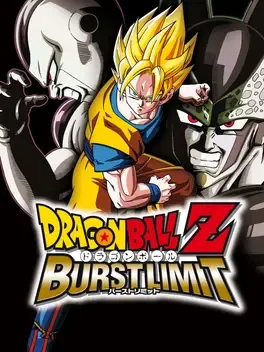
The Dragon Ball Z universe makes its first appearance on the seventh generation of consoles with the release of Dragon Ball Z: Burst Limit. It features the detailed graphics and dramatic, seamless battles expected from a next-generation console. During each battle, you will find conditions that create new dramatic scenes with characters and movement reminiscent of the original animation. After the battles, watch a unique story unfold each time you play. There is also a stronger element of offense and defense, due to added energy saving and fighting techniques. Use of special skills will no longer drain energy. The lower your energy, the stronger you get, making for a possible turnaround of the battle.
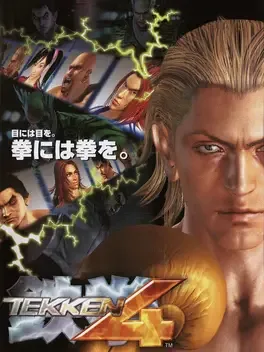
Tekken 4 marks the return of Namco's premier fighting franchise, Tekken. This version features enhanced graphics, gameplay mechanics, and fearsome fighters. Newcomers engage old favorites in interactive, multileveled arenas. The addition of walls, terrain effects, position changes, and enhanced sidestepping will force you to adjust your fighting strategy. Expanded game modes such as Training, Team Battle and the new Tekken Force provide the player with a deeper gameplay experience.