
Super Buster Bros.


Buy
Part of collection:
Buster Bros.
(last 3 games)

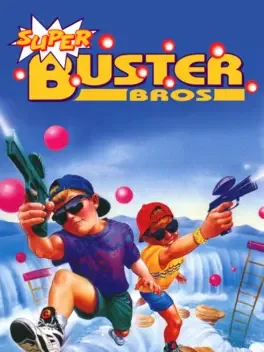
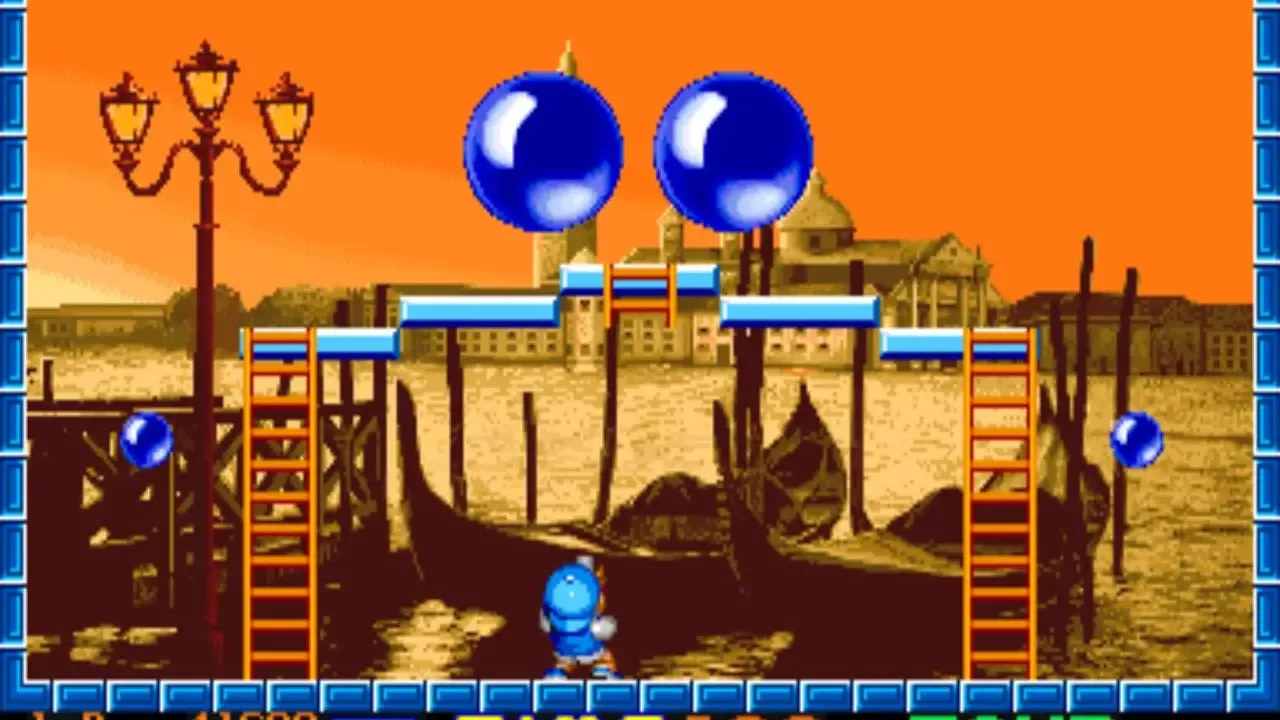
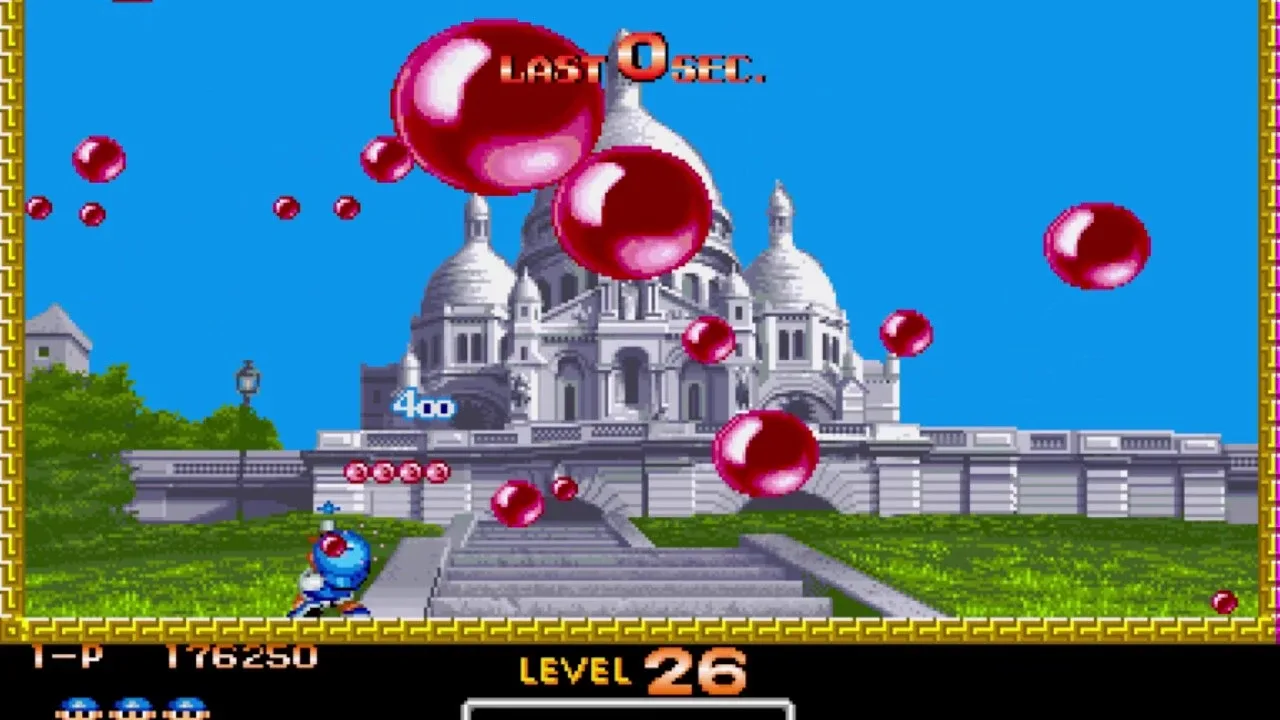
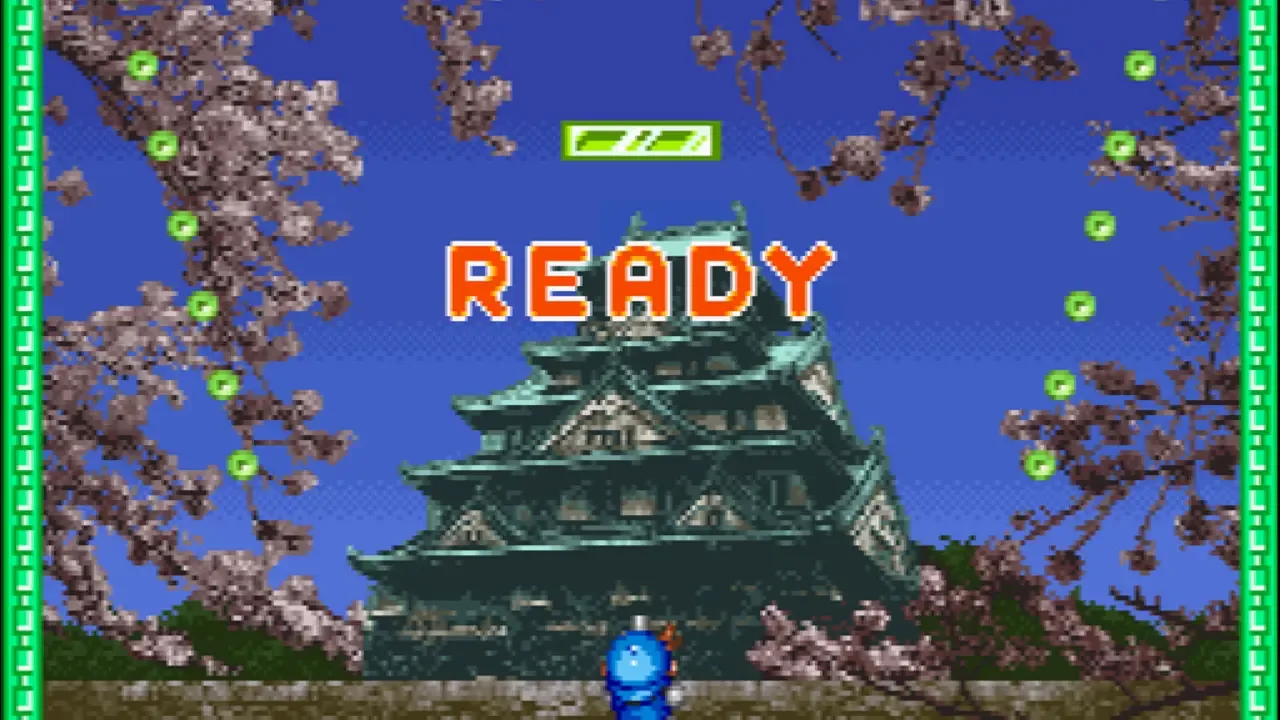
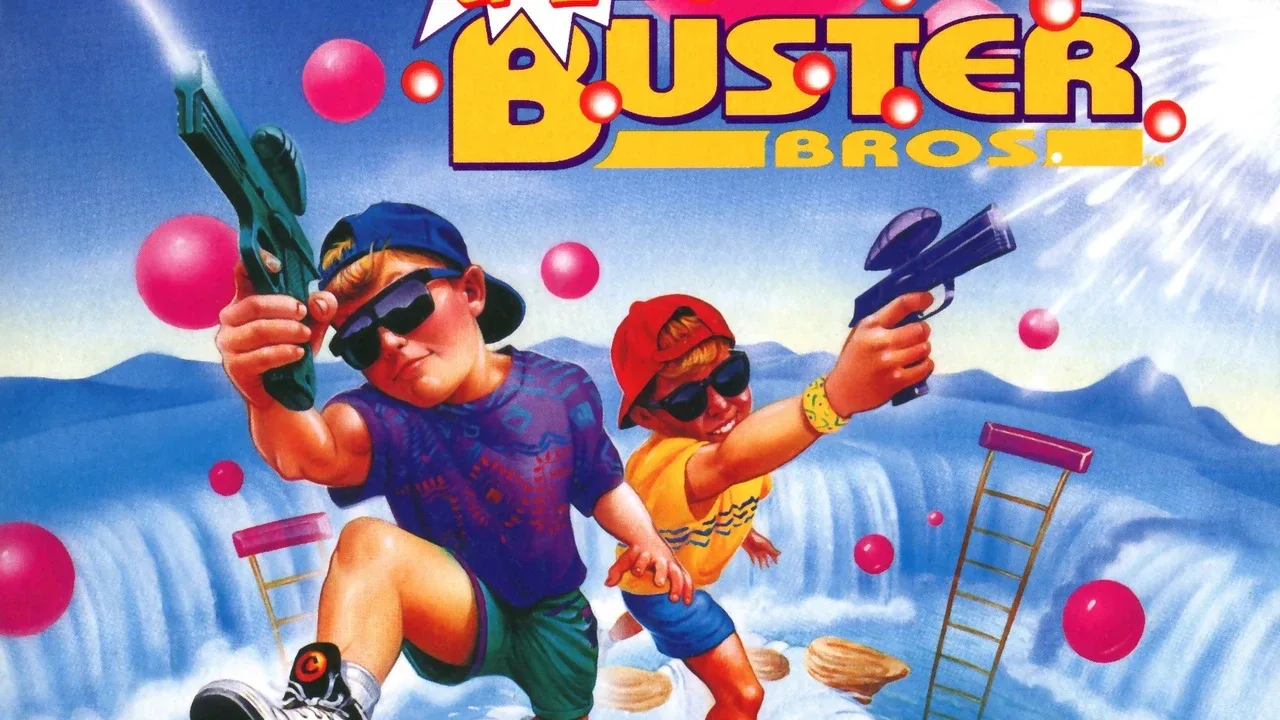
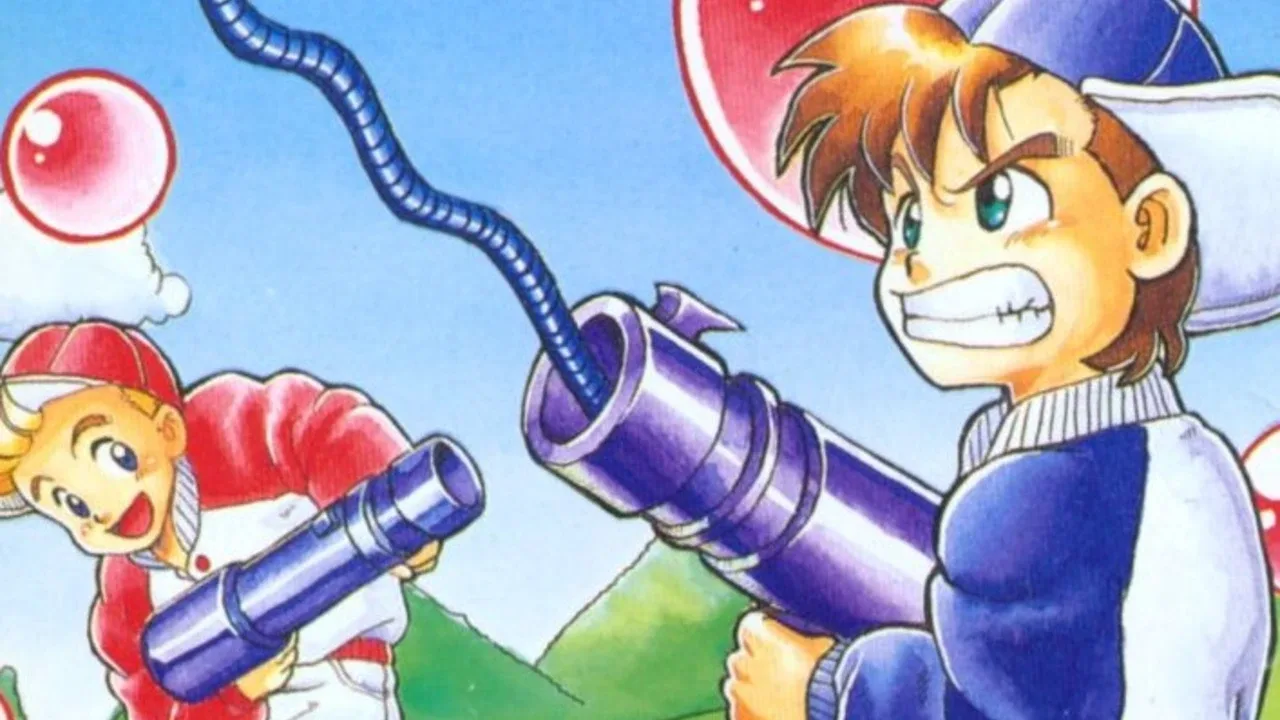
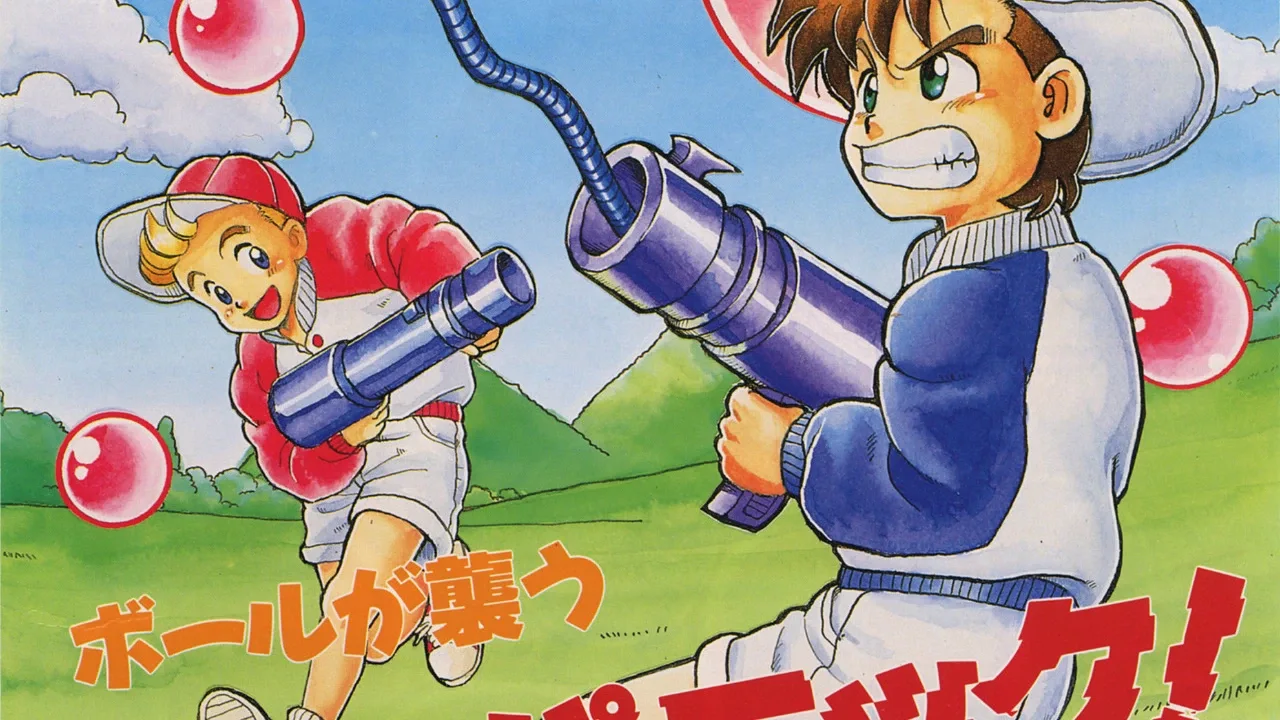
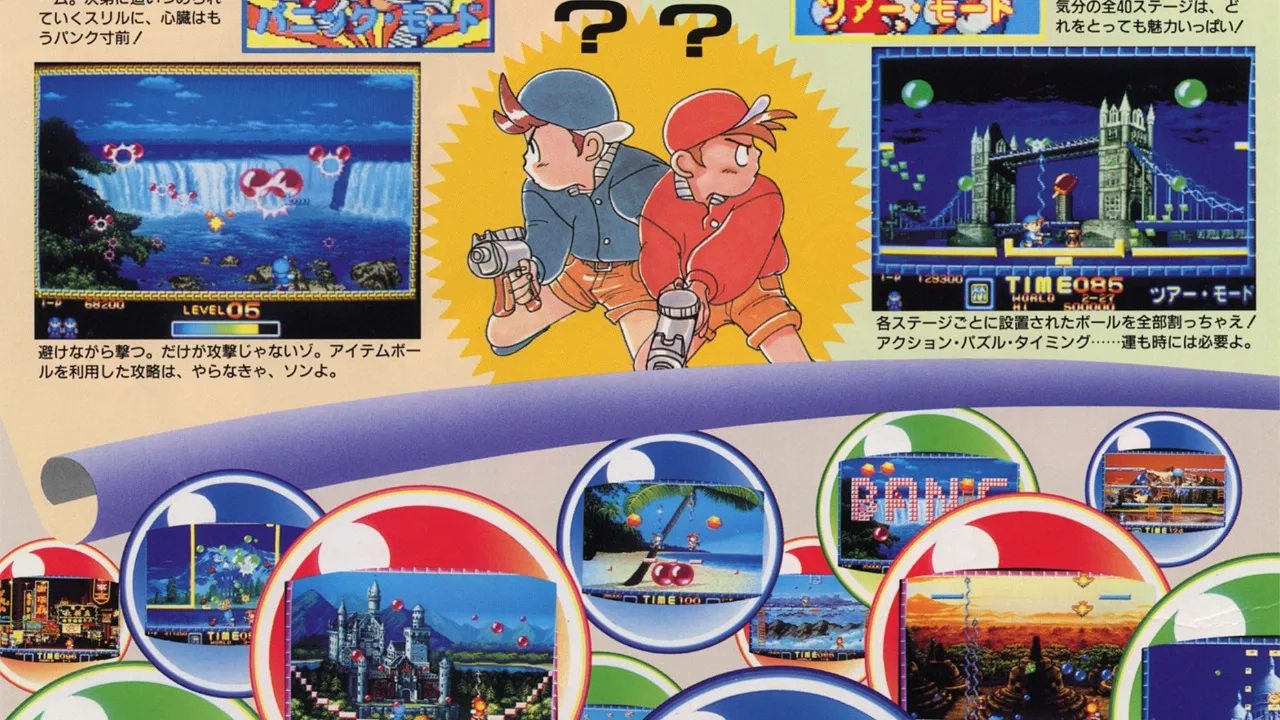
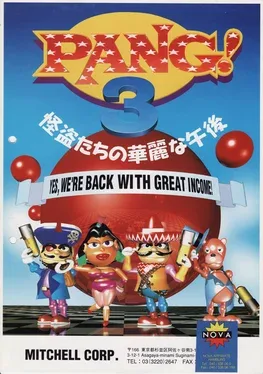
Comprising three titles, (Buster Bros., Super Buster Bros., and Buster Buddies), Buster Bros. Collection is a compilation of Capcom's "Buster" arcade series -- released over a period of six years from 1989 to 1995. Gameplay presents a blend of puzzle and action that sees players strafing from side-to-side, shooting vertically at the bubbles that bounce around the arena. Enclosed within the confines of a single, 2D arena, one or two players must utilize their rope-gun devices to destroy the deluge of bubbles that inundate the screen. When hit, the bubbles burst into multiple, smaller segments, and will continue to do so until the smallest bubble is destroyed. Only by clearing the screen can players proceed. However, coming into contact with a bubble will result in the immediate loss of a life.
Your character is locked inside an art museum and has to avoid bouncing balloons of various sizes, most of which split when hit. The player has the option of "normal" play with stages or "panic" mode in which balloons will appear continuously. In normal mode, watch out for characters like birds and dogs that will paralyze your character.
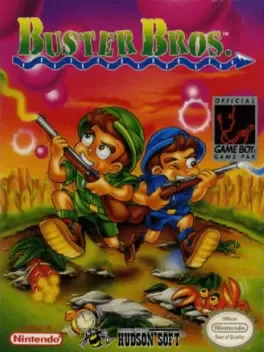
The Game Boy version of Buster Bros. (also known as Pang in some regions) is a portable adaptation of the arcade game developed by Mitchell Corporation. Released in 1990, it retains the core gameplay, where players use a harpoon gun to pop bouncing bubbles while avoiding contact. The game features multiple levels set in different world locations, but with simplified graphics and gameplay adjustments for the handheld system.
Could be interesting
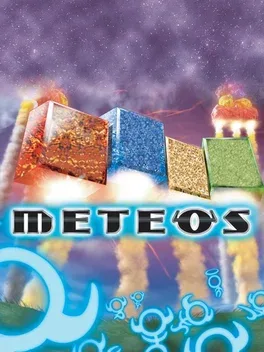
An evil planet named Meteo is sending storms of world-ending meteors across the galaxy, and only your puzzle skills can stop them. As blocks drop down on the lower screen, you must use the DS's stylus to match up blocks of the same color. Once you have enough blocks connected, they'll shoot back into the sky to form planets on the upper screen.
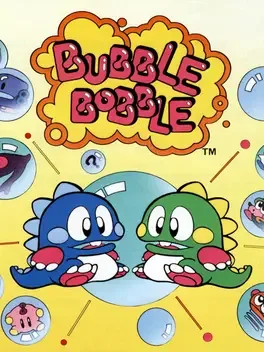
In the game, each player controls one of the two Bubble Dragons, Bub and Bob. The player can move along platforms, as well as jump to those above and to the side, similar to most platform games. The player can also blow bubbles. These can trap enemies, who are defeated if the bubble is then burst by the player's spiny back. Bubbles that contain enemies can be popped at the same time resulting in different foods being projected around the level. Each enemy trapped in a bubble equates to a different food. Food is consumed and transferred to points (an increasing scale of 1000 points is awarded for each enemy burst in tandem with another meaning: one enemy burst equals one food item worth 1000 points, two enemies burst equals two food items worth 1000 and 2000 points, three enemies burst equals three food items worth 1000, 2000 and 4000 points, and so on), which results in earning lives. These same bubbles also float for a time before bursting, and can be jumped on, allowing access to otherwise inaccessible areas. Players progress to the next level once all enemies on the current level are defeated. Enemies turn "angry" — becoming pink-colored and moving faster — if they are the last enemy remaining, escape from a bubble after being left too long or a certain amount of time has been spent on the current level. A monster will also become angry if either player collects a skull (the only negative item in the game), and the monster is hit by the resulting comet crossing the screen (however, this is a rare occurrence). After a further time limit expires, an additional invincible enemy appears for each player, actively chasing them using only vertical and horizontal movements. These do not need to be defeated to complete the level, and disappear once a player's life is lost. Contact with enemies and their projectiles (rocks, lasers, fireballs, etc.) results in death.
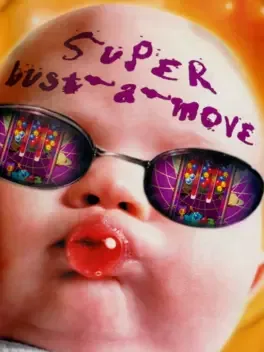
Super Bust-A-Move introduces some new elements to the series (and removes some others): Large bubbles are found in certain levels. Shooting a bubble of the same color at them makes every bubble in the level change into that color. In some levels, the pointer and the bubbles that are shot are of a very small size, enabling the player to shoot bubbles between small gaps. These bubbles grow into normal size after being clustered. Occasionally, a conveyor belt will surround the level. This makes bouncing off the ceiling and the walls significantly tricky, since the bubbles' trajectory will change upon bouncing. Levels do not always have the usual rectangular shape. Some of them are jagged or have walls inside them, which forces the player to change strategy. Small blocks appear in some levels. They change the bubbles' trajectories, much like walls, but they move down with the level and fall off when they touch the line. The pulley system introduced in Puzzle Bobble 4 is nowhere to be seen. Chain Reaction is only present in 2P battles, but it is completely optional.
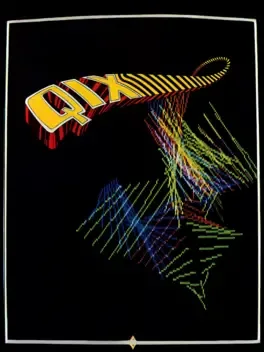
Draw boxes to claim as much screen as possible without getting in the path of the "Qix" and "Sparx". Draw slower for more points and hope that you have enough coins. Simple but very addicting!

Dizzy's back! In Fast Food, Dizzy must run around mazes scoffing loadsa food - chickens, burgers, pizzas, milkshakes but there's a complication...look out for the monsters.
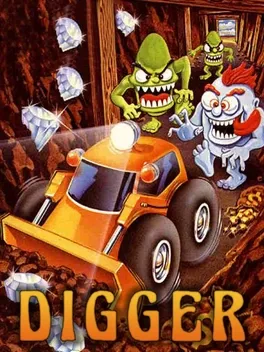
Diggger is an action game in which the player digs tunnels, attempting to collect all of the emeralds on each level without being caught by monsters. The regular 'Nobbin' monsters are easily outwitted at first since they can't dig tunnels for themselves. However the game becomes more difficult as the amount of dug tunnels increases, and superior 'Hobbin' monsters begin to appear.
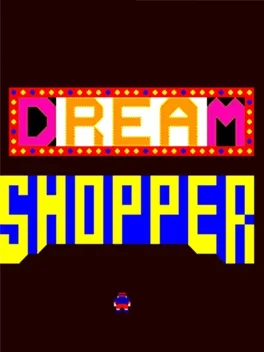
In one part, try to collect up to $10000 in merchandise. In the another part (the "Act I" and so forth) try to get past the enemies to your sweetheart. Sanritsu, the Dream Shopper maker, released 4 different machines in our database under this trade name, starting in 1978. Other machines made by Sanritsu during the time period Dream Shopper was produced include Rougien, Mahjong Kyou Jidai, and Space War.
Super Tetris 3 is yet another version of the famous soviet puzzle game. However, despite what the title may suggest, contained within are actually four different versions of Tetris: Tetris Classic, Familiss, Sparkliss, and Magicaliss. Tetris Classic, of course, is the basic version of the game, which comes with an endless mode and a 25-line "standard" mode. Familiss, as the name might suggest, is a family mode for up to four players simultaneously. Sparkliss, meanwhile, is very similar to Bombliss from Super Tetris 2, only with a medieval fantasy theme and different explosion patterns. Sparkliss includes both a stage mode and a puzzle mode. The most unique mode is Magicaliss, which has never shown up on any other version of Tetris. In Magicaliss, pieces come in three basic colors, and by rotating the piece, the player can choose between them. Creating a line entirely out of one color will clear all blocks on the screen of that color. There are also grey pieces, which can only be cleared by creating a line made entirely from one color, which will cause all grey blocks on screen to become that color. There are also rare rainbow pieces which will act as any color. Besides these additions, the game itself is basic Tetris. Tetris Classic, Sparkliss, and Magicaliss can also be played in a two-player battle mode, besides the four-player Familiss mode.
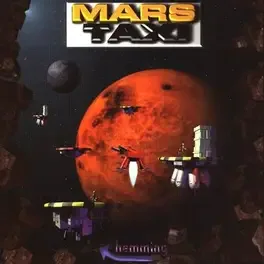
Players control a taxi driver on Mars in this Space Taxi inspired game.
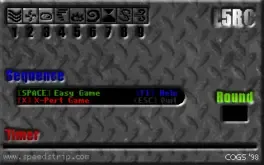
A DOS freeware game challenging the player's concentration, dexterity, memory and speed.