
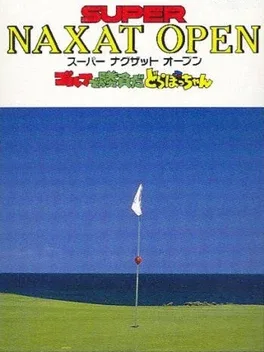
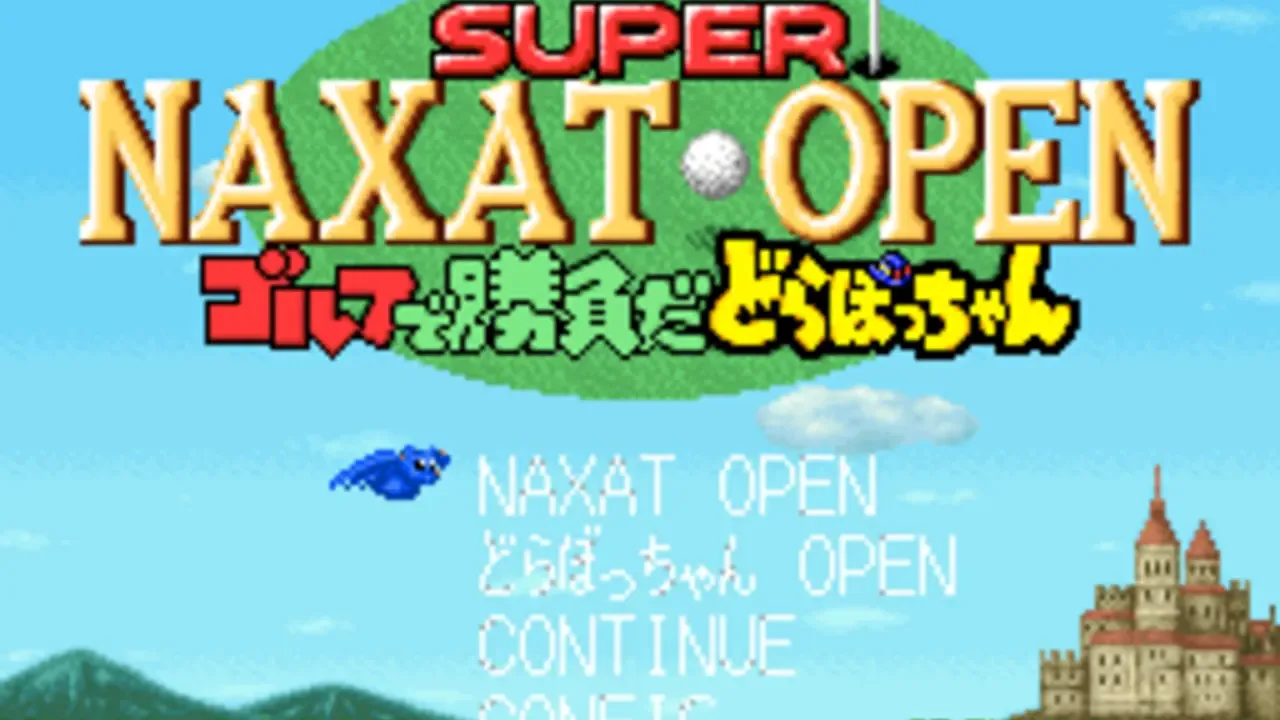
Super Naxat Open: Golf de Shoubu da! Dorabocchan


Buy
Part of collection:
Spike McFang
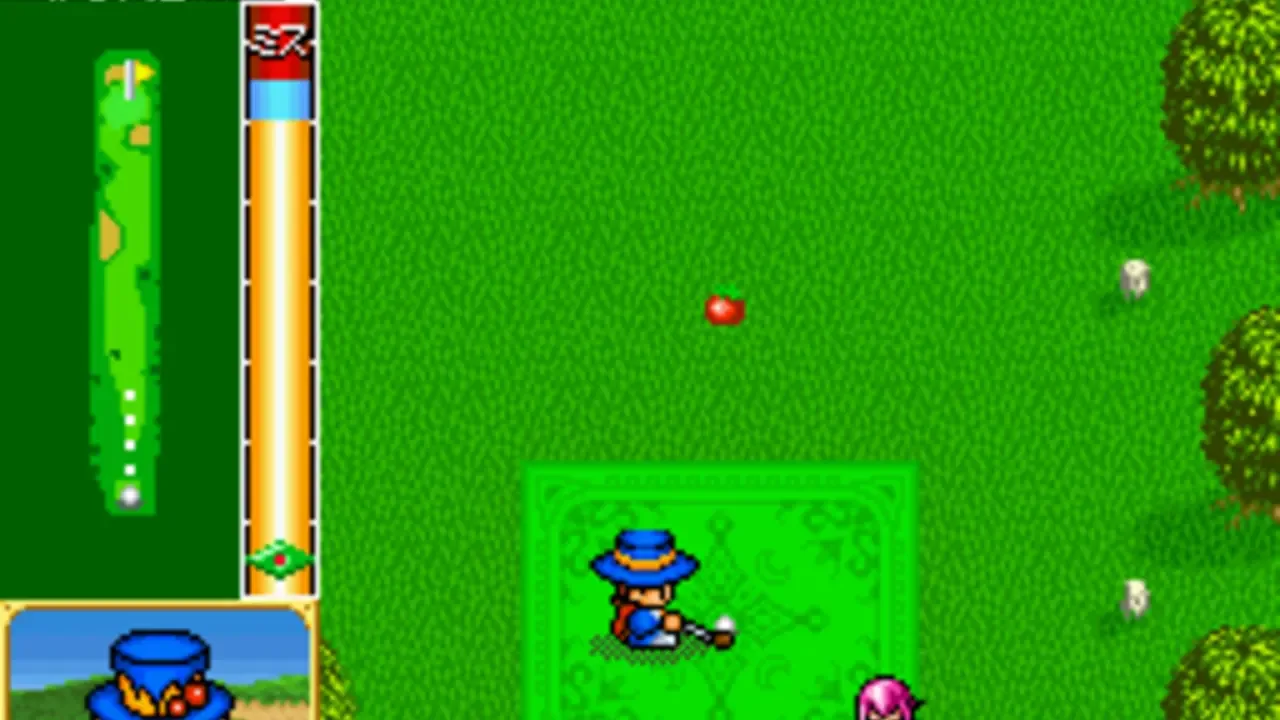
A Super Famicom golf game featuring characters from Naxat's Dorabocchan franchise, best known in the US as Spike McFang.

The Twisted Tales of Spike McFang is an action-rpg starring the titular hero, a young vampire prince who must rescue his parents and save the inhabitants of the Vladamasco Islands from the evil Von Hesler. But is it really his handiwork, or is there someone else controlling him? Unravel the mystery while traveling to various locales, fighting Von Hesler's henchmen and picking up (CPU-controlled) companions along the way. Spike McFang has three main methods of attack: by striking out with his cape, throwing his hat like a boomerang, or using a magic card. Cards can also heal his health or give his companions extra strength. Spike can also devour the still-beating hearts of his vanquished foes (or the dropped tomatoes of his vanquished foes if you're playing the sanitized North American version) to regain health. There are a total of four different hats that Spike can purchase as upgrades in his battle against animated garlic bulbs, bomb-throwing cats, head-spinning plants and a plethora of other dangerous enemies.

A side-scrolling 2D platformer featuring a magical demon prince. As well as his own magic, he can also depend on his loyal Moai servants to make bridges. The predecessor of The Twisted Tales of Spike McFang. Makai Prince Dorabocchan ("Demon Prince Dorabo") is a 2D platformer for the PC Engine. The player controls the titular character who is on a quest to rescue his master and defeat the evil demons that have invaded the kingdom. As well as his own magical powers, he can be upgraded by finding suits of armor which boost his abilities as well as temporary power-ups that provide double-jumping, a syringe weapon that stuns enemies and cleats that allow him to jump on enemies to defeat them. If he finds a bat with a bell, he can summon his burly Moai guardians who use their stone bodies to create bridges that allow Dorabo to move forward or find secret areas. Dorabocchan would later appear in the top-down 1993 Super Nintendo action-adventure game Chou Makai Taisen! Dorabocchan, which was localized in the west as The Twisted Tales of Spike McFang, and would also headline the 1994 Super Famicom golf game Super Naxat Open: Golf de Shoubu da! Dorabocchan.
Part of franchise:
The Twisted Tales of Spike McFang
A Super Famicom golf game featuring characters from Naxat's Dorabocchan franchise, best known in the US as Spike McFang.
Could be interesting
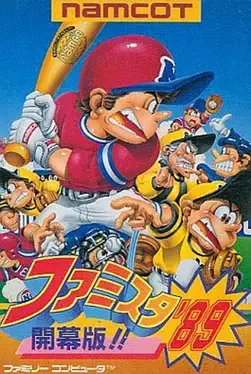
Famista '89: Kaimaku-ban!! is a Sports game, developed and published by Namco, which was released in Japan in 1989.
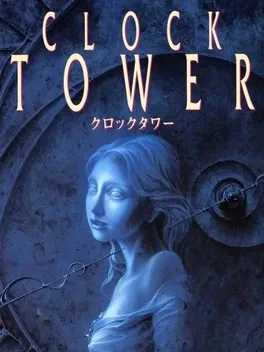
Clock Tower is a survival horror point-and-click adventure game developed and published by Human Entertainment for the Super Famicom in 1995. It is the first installment of the long-running Clock Tower series. The story follows Jennifer Simpson as she learns the secrets of the Barrows Mansion and attempts to escape the game's antagonist, Scissorman.

Adventure golf… but with cows, toads, ski slopes, torpedos and a sprinkle of alien abduction for good measure.
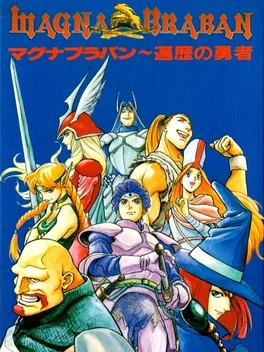
Magna Braban: Henreki no Yuusha is a Japanese-style RPG with party-based combat and random enemy encounters. The game's main view is an overhead map of a specific location, such as a town, where the characters move and can interact with NPCs. Upon leaving an area, the view changes to a larger overworld map showing locations of interest. The battles are viewed from an isometric perspective and the characters automatically engage and perform their actions. While the player does not directly control any of the characters, they can pause the battle at time and assign new strategies (such as melee, use long-ranged attacks or use Magic) to each character. Experience points and gold are awarded after each battle, the later of which can be used to purchase equipment and items.
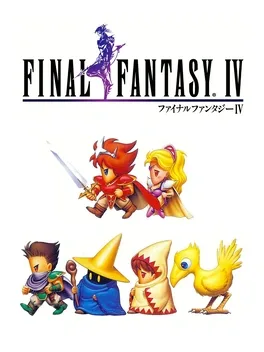
FINAL FANTASY IV is the fourth main installment in the FINAL FANTASY series, developed and published by Squaresoft. It was released in July 1991 for the Super Nintendo Entertainment System in Japan, and released as FINAL FANTASY II in North America in October 1991 with alterations made due to Nintendo of America's guidelines at the time.
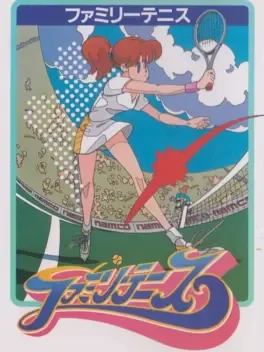
Family Tennis is Namco's first tennis game, it features a roster of sixteen players (twelve male and four female) all based on real-life professional tennis players at the time, such as Ivan Lendl, Boris Becker, Mats Wilander, Martina Navratilova and Steffi Graf. The game includes six tournaments, including the Australian Open, Wimbledon and the U.S. Open, and offers play on grass, clay, and hardcourts, as well as a unique "cosmo" surface that takes place in outer space with astronaut ballboys. There are three modes of play to choose from: exhibition, tournament and world tour. Exhibition mode consists of a single exhibition match for one or two players, while Tournament mode allows up to eight players to face off in a singles tourney. Both of these modes also include a "Watch" option, in which all players are controlled by the computer. World Tour mode takes the player through an entire year on tour playing against computer-controlled opponents, using a password save system. Doubles matches aren't available in any mode though.

The sport of wrestling mixed with real life simulation! Funaki Masakatsu of Pancrase has shaped the new, most unique wrestling game ever made, and its up to you to make wrestling history! Create your character, control his stats and take your place in the highest rank of wrestling!

Jutei Senki is a turn-based strategy game, never released outside of Japan. The game takes place in an alternate universe where centuries ago humanity and their tree soldiers called Junei fight against Letum, a race of robots powered by magic. The player commands the human army. The mission in each battle is to defeat the enemy army or take their headquarters in a limited amount of turns. In the human army's main building, the player can recruit new soldiers, but their number is limited. Each unit has its own statistics, including range, speed and attack power. Battles are carried out automatically, with animations on a separate screen. There are three mission modes which include Campaign, Tutorial, and Expert modes and there is also a two-player versus mode.
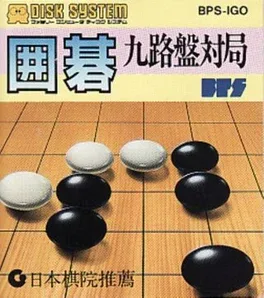
A Japan-only Go game developed and published by Bullet-Proof Software for the Famicom Disk System. Igo: Kyuu Roban Taikyoku ("Go: 9 Row Grid Boardgame") is a Go video game that was originally released for the Famicom Disk System on August 11, 1987 in Japan. It was the first Famicom game developed by Bullet-Proof Software: a development studio operating out of Hawaii that would later be responsible for Nintendo's version of Tetris, among other games. This version of Go is better suited for beginners, as it contains simpler 9x9 grids rather than the regulation 19x19. Igo: Kyuu Roban Taikyoku has a credit for Edge Computing on its title screen; it is assumed some of the game's coding was taken from Edge's C64 game Micro Go.

Two teams, the blue army and the red army, compete on tiled maps in an attempt to vanquish one another in battle. Each team starts off in one particular portion of the map, usually but not always on opposite sides. Throughout the map are cities which start out neutral, but can be converted to the red or blue side through occupation. The more cities a team has, the more energy that team produces every round to direct toward the construction of newer and more powerful Gundams. Each team gets to issue three commands per turn, whether it be to move a Gundam around the map, or construct a new Gundam. Each type of robot has different ranges of movement, and different terrains effect how far a robot can travel. In order to destroy each other, players must attack the opposing team's Gundams by moving one of their own to a tile occupied by the enemy. When two Gundams rest on the same spot, a battle is initiated.