
Super Street Fighter II X for Matching Service


Buy
Parent game
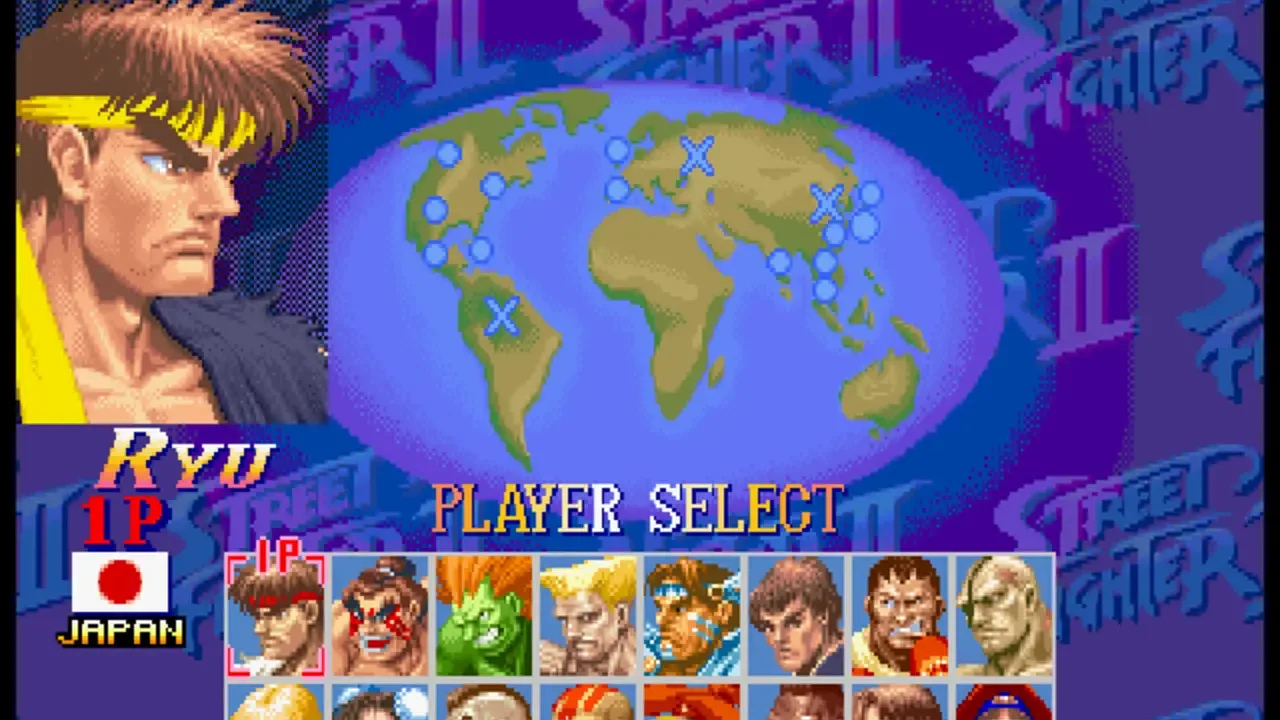
Super Street Fighter II Turbo, released in Japan as Super Street Fighter II X: Grand Master Challenge, is a competitive fighting game released for the arcades by Capcom in 1994. It is the fifth installment in the Street Fighter II sub-series of Street Fighter games, following Super Street Fighter II: The New Challengers. Like its predecessor, it ran on the CP System II hardware. Super Turbo introduced several new gameplay mechanics not present in previous versions of Street Fighter II, including the addition of Super Combos and air combos. It also introduced the secret character Akuma, who would go on to become a recurring character in later Street Fighter installments and other Capcom fighting games. Super Turbo was originally ported to the 3DO Interactive Multiplayer, followed by the PlayStation and Sega Saturn (under the title of Super Street Fighter II Turbo: The Ultimate Championship) as part of the Street Fighter Collection, and for the Dreamcast in Japan under the title of Super Street Fighter II X for Matching Service. A remake of the game was released for the PlayStation 3 and Xbox 360 titled Super Street Fighter II Turbo HD Remix.
Part of collection:
Street Fighter
(last 3 games)
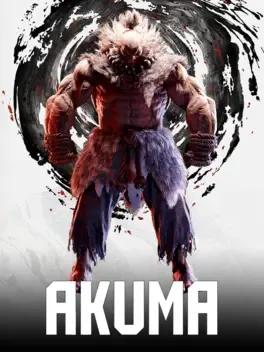
Akuma is the fourth DLC character for Street Fighter 6 and final character in the Year 1 Character/Ultimate Pass. A demon of combat that has welcomed the Satsui no Hado into his being in his quest to become the ultimate master of the fist.
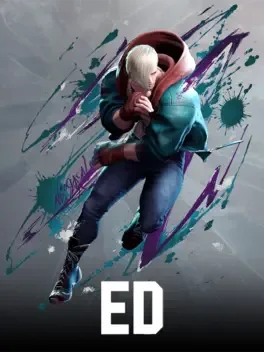
Ed is the third DLC character for Street Fighter 6 in the Year 1 Character/Ultimate Pass. A Psycho Power-wielding youth aged up rapidly by Shadaloo's experimentation, on a journey and a mission to free other subjects. He gets his short temper and foul mouth from Balrog, his former mentor.

A.K.I. is the second DLC character for Street Fighter 6 in the Year 1 Character/Ultimate Pass. A poison-wielding apprentice of F.A.N.G, the former Shadaloo officer. Enchanted by the power of toxins, nothing brings her more joy than testing them on a new target—other than attention from her “master,” that is.
Part of collection:
Street Fighter II
(last 3 games)
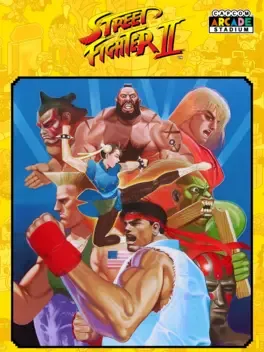
Add Street Fighter II: The World Warrior to your Capcom Arcade Stadium game line-up! Who is the true street fighter? Fighters from around the world stand up to finally answer that question. Each has their own secrets.
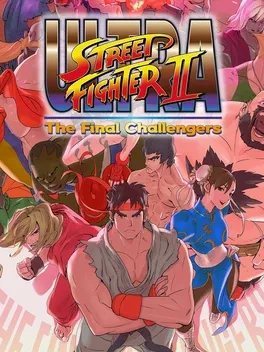
The newest iteration of SFII in nearly 10 years, Ultra Street Fighter II features all of the classic characters, a host of new single player and multiplayer features, as well as two new fighters: Evil Ryu and Violent Ken! Nintendo Switch TV, Tabletop and Handheld modes allow you to play Ultra Street Fighter II at home or on-the-go!
Part of franchise:
Street Fighter
(last 3 games)
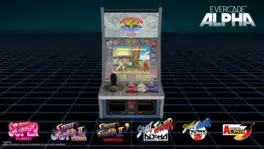
The Evercade Alpha Street Fighter Bartop Arcade includes six titles from the legendary Street Fighter series by Capcom, including Street Fighter II‘ Champion Edition, Super Street Fighter II Turbo, Street Fighter Alpha: Warriors’ Dreams, Street Fighter Alpha 2, Street Fighter Alpha 3 and Super Puzzle Fighter II Turbo.
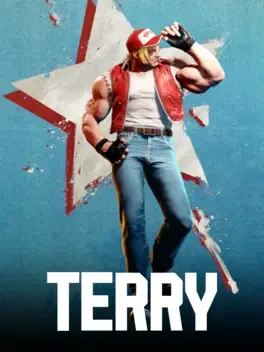
Terry is the second DLC character in the Street Fighter 6: Year 2 Character/Ultimate Pass. A passionate fighter that hones his craft as he travels all over the world. Also known as the "Hungry Wolf". He came to Metro City after hearing about the opening of the Pao Pao Cafe.
Akuma is the fourth DLC character for Street Fighter 6 and final character in the Year 1 Character/Ultimate Pass. A demon of combat that has welcomed the Satsui no Hado into his being in his quest to become the ultimate master of the fist.
Could be interesting
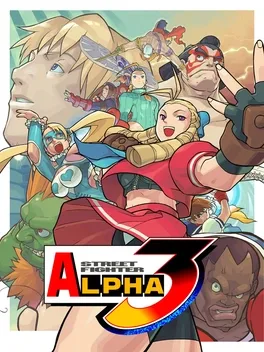
Street Fighter Alpha 3 is the third game in the Street Fighter Alpha series. It features a complete gameplay overhaul with the addition of three selectable fighting styles, new stages, over seven new and returning characters and an exclusive soundtrack. The game's illustrations, select screens, soundtrack and sound effects all have a similar style to the Final Fight series, unlike the previous games.
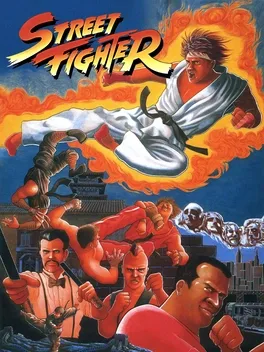
Street Fighter is the first fighting game produced by Capcom and the very first game in the Street Fighter series. While it did not achieve the same popularity as its sequels when it was first released, the original Street Fighter introduced some of the conventions made standard in later games such as attack buttons and special command-based techniques.
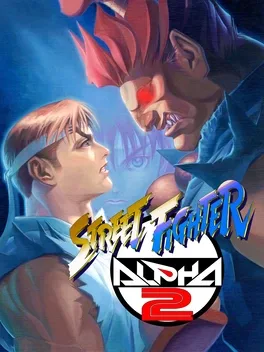
Street Fighter Alpha 2 is both a sequel and a remake to the previous year's Street Fighter Alpha: Warriors' Dreams. The game features a number of improvements over the original, such as new attacks, stages, endings, and gameplay features. New characters in this version include Gen, Rolento and Sakura. Dhalsim and Zangief also return to the fight with some new moves.
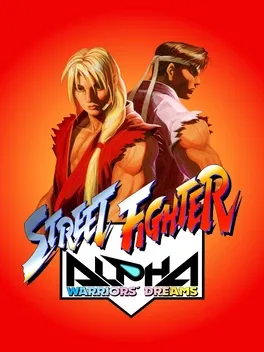
Street Fighter Alpha: Warriors' Dreams was the first all new Street Fighter game produced by Capcom since the release of Street Fighter II. It introduces several new features, expanding on the Super Combo system previously featured in Super Street Fighter II Turbo with graphics drawn in the same animated style Capcom employed in Darkstalkers. Street Fighter Alpha revamps the Super Combo system introduced in Super Street Fighter II Turbo by adding a three-level Super Combo gauge that fills in as the player performs regular and special moves.
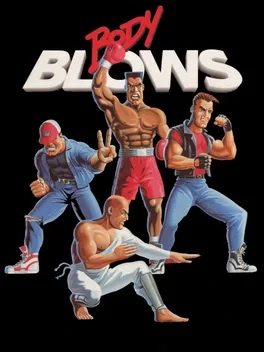
Body Blows is an Amiga versus fighting game. It was released in 1993 by Team17. The game is compatible with all Amiga systems, including the CDTV system with joystick support. It was followed by Body Blows Galactic and Ultimate Body Blows. "Experience super fast, hard hitting fight action like you have never seen before... Choose one of four hero characters to combat the increasingly evil computer controlled opponents in Arcade Mode. Take on a freind (or enemy!!) in the highly competetive two player mode or go for broke in the Body Blows Ultimate Challenge, where upto eight players select their favorite character from the ten available to compete for the Champions Belt."
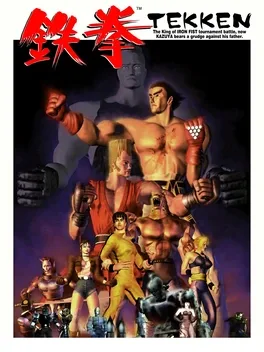
Tekken is a fighting game and the first entry in what would become the Tekken series and franchise. It was one of the earliest 3D-animated fighting games, incorporating many of the concepts from Sega's Virtua Fighter. Unlike traditional fighting games that require inputting commands as rapidly and accurately as possible, Tekken slows the action down by emphasizing rhythm, strategy, and deception over speed.
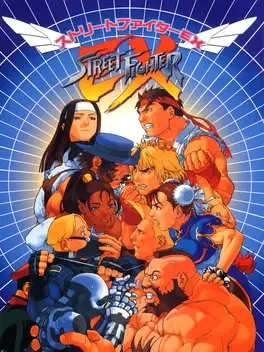
The Street Fighter EX fighting system uses fighting systems of the Street Fighter II and Street Fighter Alpha series. In many ways, EX still plays like a 2D fighting game, but the linear plane in which characters fight often changes along a 3D battleground. The game uses special moves and super combos familiar or similar to previous games in the series. Like in Alpha and Darkstalkers, the super combo gauge, used to do Super Combos and other moves, was divided into three levels. The game introduces various new features to enhance the player's combat choices. It was followed by an updated arcade version titled Street Fighter EX Plus, as well as a PlayStation-exclusive home console version titled Street Fighter EX Plus α, both released in 1997.
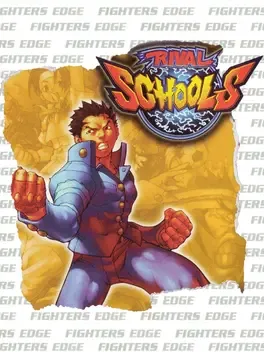
The main fighting game is best described as a polygonal Marvel vs. Capcom game, with some notable differences. Control wise, the game varies from other Capcom fighting games by only having four buttons (two punches and two kicks, which is closer to the SNK game format) rather than the standard six. A player chooses a team of two characters, and fights against another two character team. The actual fights, however, are one-on-one fights, with the partner only participating by being called in when a player has enough 'vigor' for a Team Up attack, done by pressing a punch and kick button of the same pressure. The Team Ups would be some kind of double team attack by the character and partner, or (for most female characters' Team Ups) would heal the main character or give them more vigor. After the end of a round, a player (win or lose) has a choice to fight the next round with the partner from the previous round, or to keep their main character in play. The 'vigor' meter (essentially a super meter) could go up to 9 levels, with Team Ups costing two levels and super moves from a single person all costing one level of vigor. Much like the Marvel vs. Capcom games, launchers can be done that allow air combos to be performed, with all characters having universal low and high launchers. The game also had a few defensive techniques. Tardy Counters acted much like Alpha Counters from Street Fighter Alpha, allowing a player to immediately counter-attack from a blocking position. However, the restrictions on Tardy Counters are very lax; any hard normal, special or super attack can be used to Tardy counter (Alpha counters are only limited to certain special moves for each character), and Tardy Counters do not cost any extra vigor to perform (Alpha Counters required at least a level of Super Combo gauge to do). Attack Cancels allowed a player to cancel an incoming hit simply by timing their own hit with the attack, which would cancel out both attacks (though it does not nullify the remaining hits of a multi-hit move). Also, one additional level of vigor is awarded.
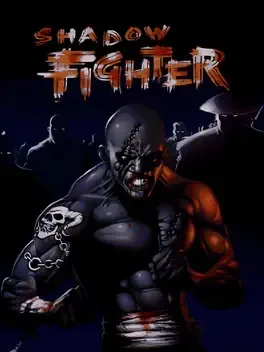
Shadow Fighter is a computer game for the Commodore Amiga, and Amiga CD32 developed by NA.P.S. team and published by Gremlin Interactive in 1994, and became one of the Amiga's best fighting game offerings during its final years, competing at the time with the likes of Acclaim's impressive home console ports of Midway's Mortal Kombat franchise, and Team 17's Body Blows.
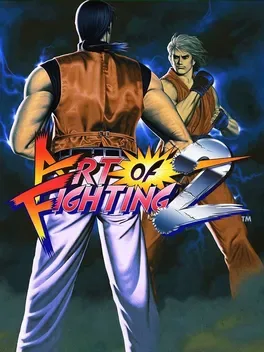
The second installment in the AoF series added the "rage gauge"; similar to the "spirit system" of its predecessor, it limited the use and effectiveness of special attacks. The game's story is set a year after the original. Geese Howard, a rising star in South Town's criminal underworld, calls fighters to the city for a new tournament, "The King of Fighters." Howard was the final boss and series villain of SNK's other fighting game franchise Fatal Fury (though he is a secret boss in this game), whose story took place over a decade after the events of Art of Fighting. Art of Fighting 2 was the only time Yuri Sakazaki was a playable character in the series. It also marked the only time that she donned her trademark outfit, which was made famous in The King of Fighters series. This game also marks the debut of Takuma Sakazaki without his Mr. Karate persona, as well as Eiji Kisaragi, who both appear in the King of Fighters series. Ryuhaku Todo, the first boss in the original AOF, is the only character dropped; all characters are playable from the beginning. The final boss is always Mr. Big, though as mentioned earlier, an extra match will be played against Geese Howard if the player unlocks him through good performance. This game is also notorious for its difficulty, with it being referred in many fighting circles as having some of the toughest opponent AI in a fighting game.