
The Tower of Druaga


Buy
Part of collection:
Babylonian Castle Saga
(last 3 games)
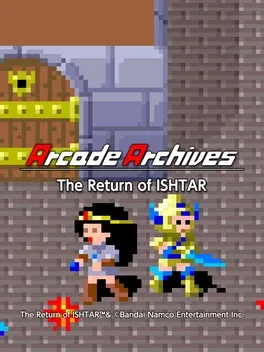
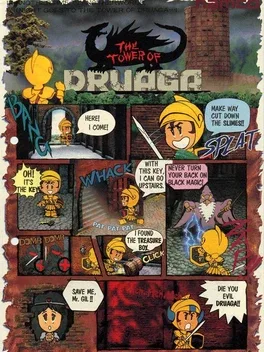
The sequel to "The Tower of Druaga" is finally here! "The Return of ISHTAR" is an action game released by NAMCO (Bandai Namco Entertainment Inc.) in 1986. The story takes place after the overthrow of DRUAGA. The tower has lost DRUAGA's magic power and is now in its original ruins, and the monsters have become more ferocious. Take control of KI and GIL and try to escape from THE TOWER OF DRUAGA, where you no longer even know the way out.
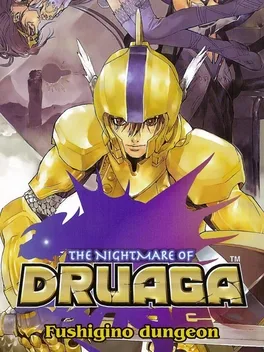
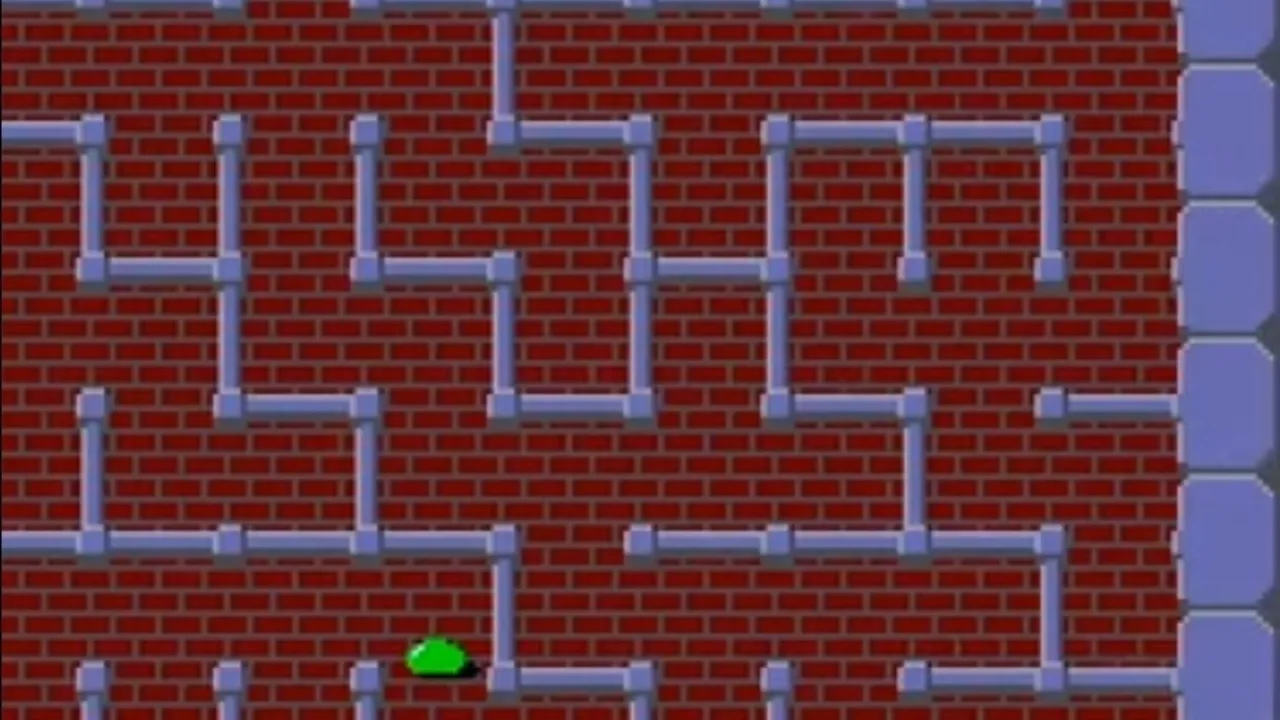
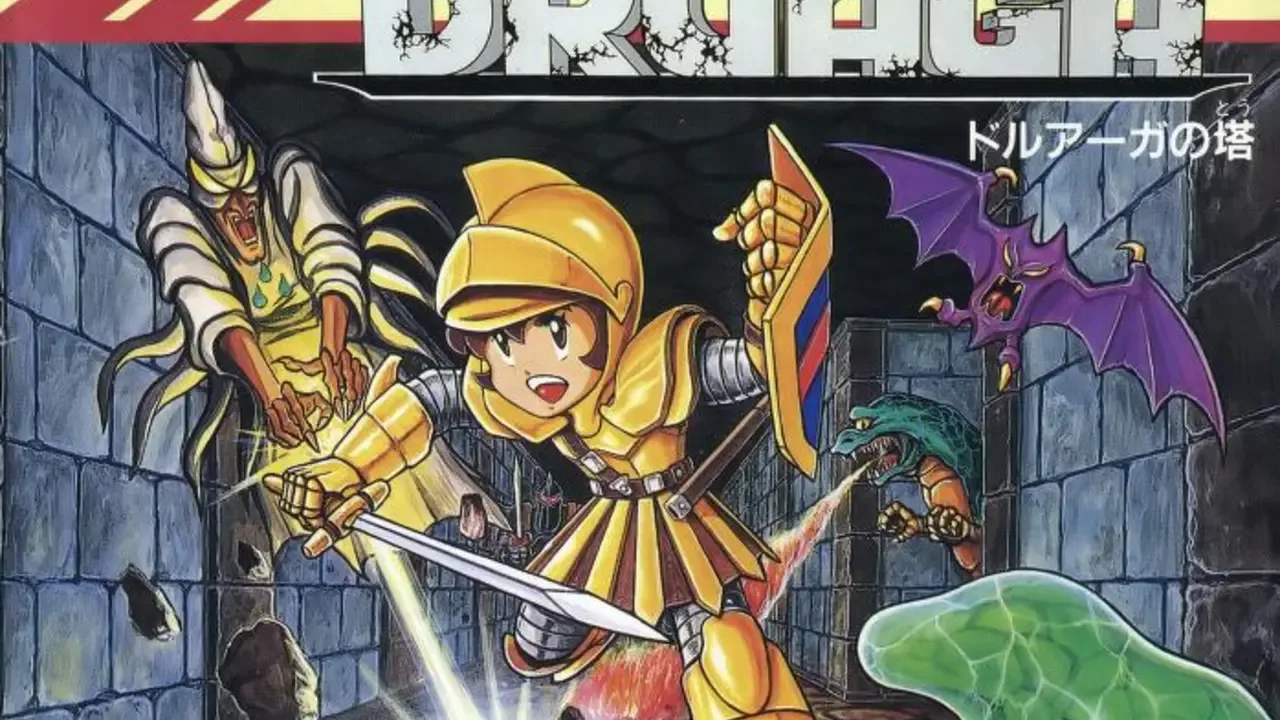
In this turn-based dungeon crawler you play as Gil, whose beloved fiancee has been kidnapped by a sorceress and taken to the Tower of Druaga. Gil puts on a suit of armor that radiates light, and proceeds into the dungeon to save his beloved Ki. The combat system and exploration might be the best part of the game. The map is set up in a grid, and you do everything in turns, like moving, battling, or recovering. The timing of moves is also critical, and the game feels like a real-time game because you aren't waiting like you typically would for turn-based games. The Nightmare of Druaga: Fushigino dungeon is a collaboration between the Mysterious Dungeon series and the arcade classic The Tower of Druaga.
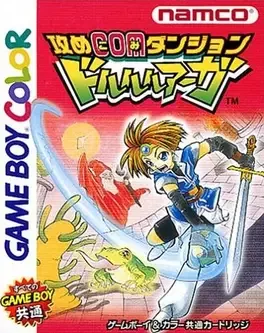
A Game Boy Color release in the Babylonian Castle Saga.
Could be interesting
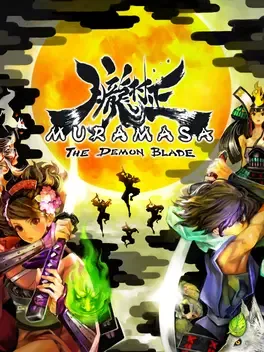
Based on ancient Japanese lore, Murumasa: The Demon Blade plunges players into the mystical Genroku era, ruled by the skilled shogun Tsunayoshi Tokogawa. But this culture is threatened; Tokugawa's thirst for power leads to a conflict over the enormously powerful, though cursed, Demon Blades. Used in hatred, drenched in blood, the cursed blades condemn those who use them to tragedy, madness, and untimely deaths. As chaos spreads, denizens from the netherworld breach their realm as these malevolent swords summon evil spirits -- and the Dragon and Demon Gods as well. Featuring hand-drawn 2D art reflecting the heritage and tone of the storyline, Muramasa: The Demon Blade transports players into a little known mythology, envisioned by the creators of the critically acclaimed Odin Sphere. Players take on the role of a male ninja or female kunoichi, utilizing their ninja prowess to traverse the clever side-scrolling levels that feature vertical progression as well as the traditional horizontal stage advancement.
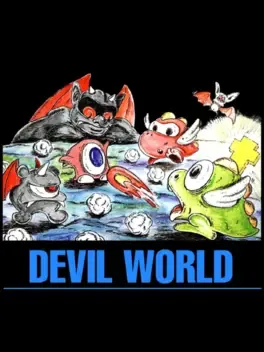
Devil World is a maze video game developed and published by Nintendo for the Nintendo Entertainment System. It was released in Japan on October 5, 1984 and in Europe on July 15, 1987. The game was also released on the Wii's Virtual Console in Japan on January 22, 2008 and in Europe and Australia on October 31, 2008. The game has similar gameplay to that of Pac-Man. It is the only game designed by Shigeru Miyamoto that has not been released in North America, despite the fact that the game is simple and in English. This was due to Nintendo of America's strict policies on the use of religious icons in games, which were at their strictest level at the time of the game's original release, but there would eventually be a North American release for the first time in October 2023 as part of the Nintendo Switch Online lineup.

Pooyan is a classic arcade game manufactured by Stern Electronics under license from Konami in 1982. In it, the player controls "Mama", a pig whose babies have been kidnapped by a group of wolves.
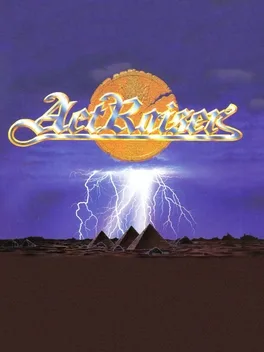
ActRaiser is a 1990 platform and city-building simulation game for the Super Nintendo, combining traditional side-scrolling platforming with urban planning god game sections. In 2007, ActRaiser became available on the Wii's Virtual Console download service. A version of the game was also released for European mobile phones in 2004.
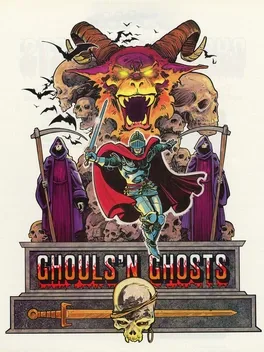
The gameplay for Ghouls 'n Ghosts is similar to that of Ghosts 'n Goblins. The player controls the knight Arthur, who must advance through a series of eerie levels and defeat a number of undead and demonic creatures in his quest to restore the souls stolen by Lucifer (Loki in the English-language Mega Drive and Sega Master System versions), including the soul of his lover, Princess Prin Prin. Along the way, Arthur can pick up a variety of weapons and armor to help him in his quest. While the core gameplay remains the same as its predecessor, the game now allows Arthur to fire directly upward and directly downward while in mid air. By jumping in certain spots, players can cause a treasure chest to erupt from the ground. By firing his weapon at the chest, players may uncover new weapons, gold armor or an evil magician that changes Arthur into an elderly man or a helpless duck. The gold armor allows players to charge up the weapon to release a powerful magical attack. Each weapon has its own special attack. There are five levels and Lucifer's chamber at the end, considered a sixth level in itself. To defeat the game, Arthur must complete level 1 to 5 twice. Upon completing level's 1 to 5 the first time, Arthur is taken back to level 1 again but this time a special weapon appears during the game. To enter Lucifer's chamber the player must have this special weapon equipped and defeat the penultimate boss.
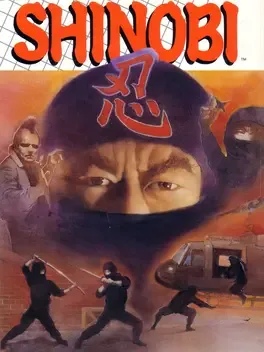
The five missions in the game are each three or four stages long. Several hostages are being held in each stage; Joe must rescue all of them before he is allowed to finish the stage. The last stage in each mission has no hostages, but instead features a powerful boss character whom Joe must defeat. After completing each of the first four missions the player is taken to a bonus stage, where he can earn an extra life if he is able to kill all of the ninjas leaping towards him. Completing the fifth mission ends the game. Also, once the fifth mission begins, continues are no longer allowed; the player has to finish the game with however many lives he has left at that point. If the player earns a place on the high score board, the number of credits it took him to get that score is displayed along with his score. Joe's standard weapons are an unlimited supply of shuriken, along with punches and kicks when attacking at close range. One hostage per stage gives him a power-up. When powered-up, his throwing stars are replaced by a gun that fires large, explosive bullets, and his close-range attack becomes a katana slash. Joe can also perform "ninja magic," which may be used only once per stage and kills (or damages, in the case of bosses) all enemies on the screen. The game also allows the enemies to hide behind boxes or use shields to block Musashi's shurikens.[4] Joe can be killed with one hit, provided he is hit by a projectile or melee attack, but if he does not find himself in those situations, the player can touch regular enemies and just be pushed back without being damaged. Since most enemies appear in the same place on each level, it is possible to master the game by memorizing their locations and devising patterns to defeat them. At the end of each stage, the player receives score bonuses based on performance. Completing the stage without using ninja magic or without using any throwing stars or bullets earns the player a point bonus. The player has three minutes to complete each stage; remaining time at the end of the stage is also converted to bonus points and added to the player's score.
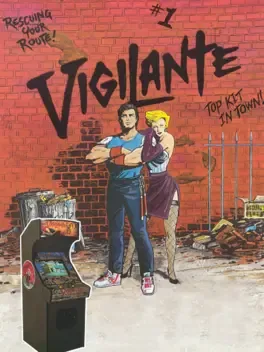
On the baddest streets of the city they know your name. You are lean and mean... the karate master they call the Vigilante! Your turf was left alone. Your friends and neighbors lived in peace. Until the Rogue gang got too big for their britches. You chilled, hoping things wouldn't get too rough. No such luck. They've taken your girlfriend Maria, and there's only one thing you can do... get her back... anyway you can! You have fists of steel! Legs like pistons! And courage that just won't quit! You will need all three because the Rogues are waiting with knives, guns and a whole bunch of nasty punks. And you'll have to fight fast. If the Rogues make it back to their headquarters before you rescue Maria, all hope will be lost. But catch them first and you'll fight the leader of the Rogues. Win Maria... and your turf... will remain safe. Feel any pressure? No way. You're the Vigilante!
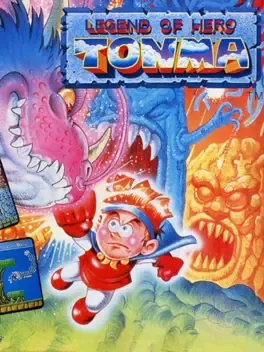
Legend of Hero Tonma is a side scrolling platform game released by Irem to arcades in 1989.
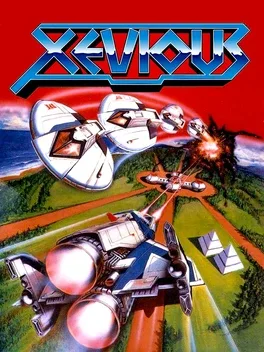
It's a nightmare, but it's true! Research shows that we are the actual aliens on Earth, and the ruthless Xevions are the original inhabitants. Now the Xevions want Earth back -- minus humans! Their invasion forces are fierce -- the land is crawling with deadly Domogram Rovers; the sky is black with Toroid Patrol Fleets and Zoshi Death Squads. Our puny weapons offer no defense. Earth's only hope is our powerful new Solvalou Fighter Plane. Its pilot will have a single mission: Penetrate the enemy ranks and destroy the Xevious Mother Ship. The mission is dangerous. We can't guarantee success. But at this point, it's do or die! One small problem. We still need a pilot. Any volunteers?
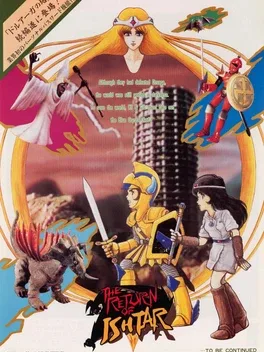
The Return of Ishtar, also known as Ishtar no Fukkatsu, is a two-player action-RPG that follows directly after Namco's Tower of Druaga. Ki and Gilgamesh must escape the Tower of Druaga, fighting through the legions of Druaga that are trying to avenge their fallen master. One player controls Ki and the other controls Gilgamesh. Ki will instantly die if an enemy touches her but she has a ranged attack to keep opponents at bay, while Gilgamesh defeats any enemy he touches. However, Gilgamesh will die if he is forced to take on too many enemies on his own. The aim is to combine efforts to fight through enemies and explore each of the tower's rooms for valuable items.