
Tinhead
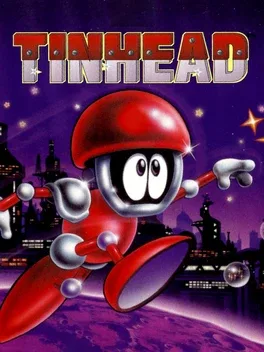


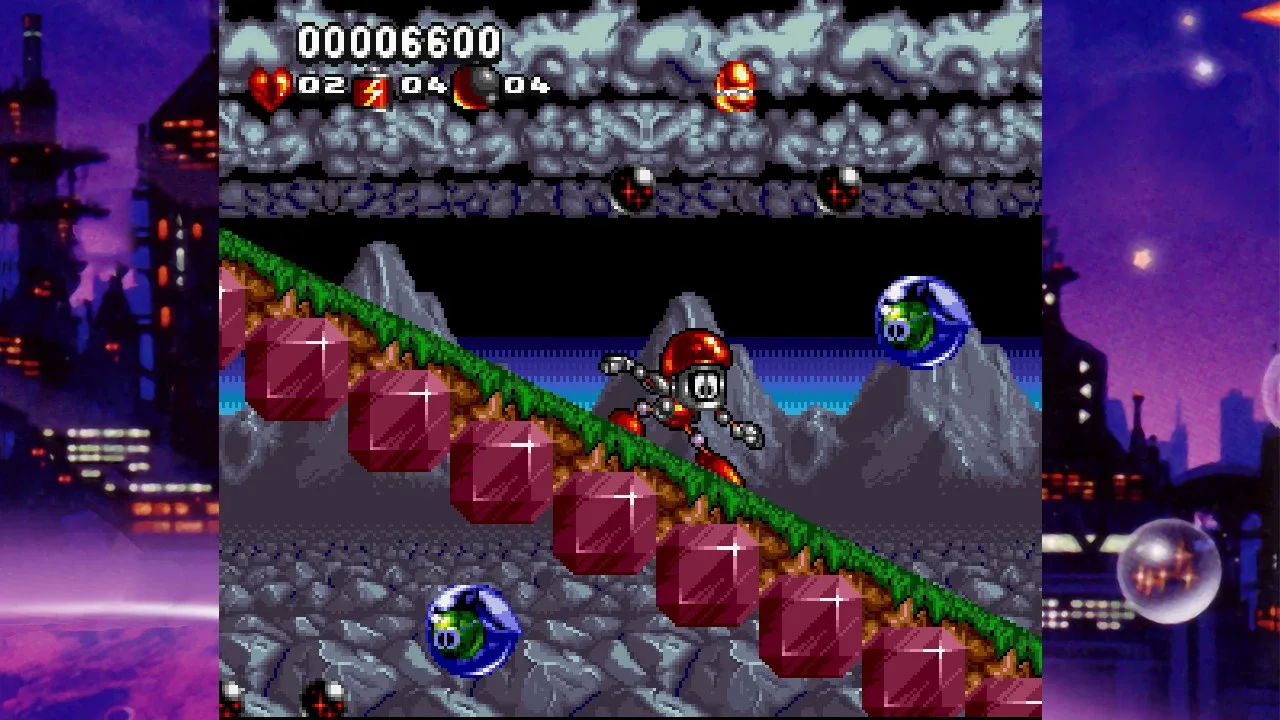
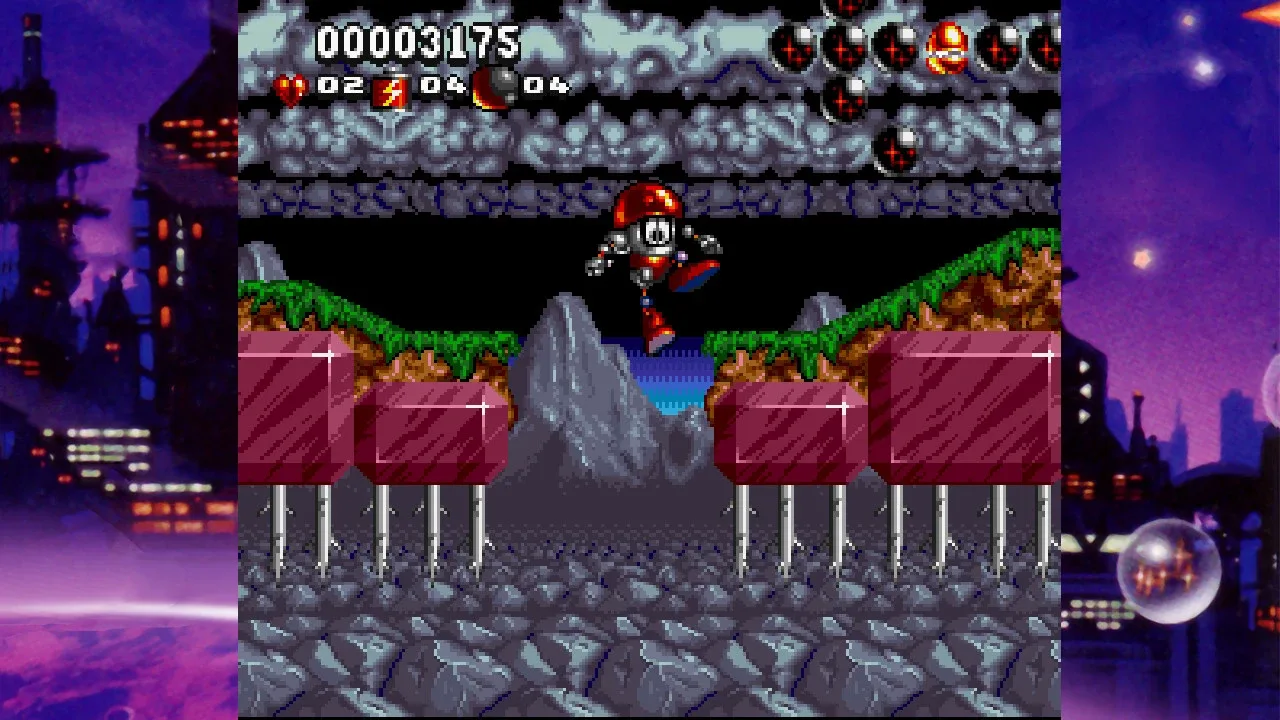
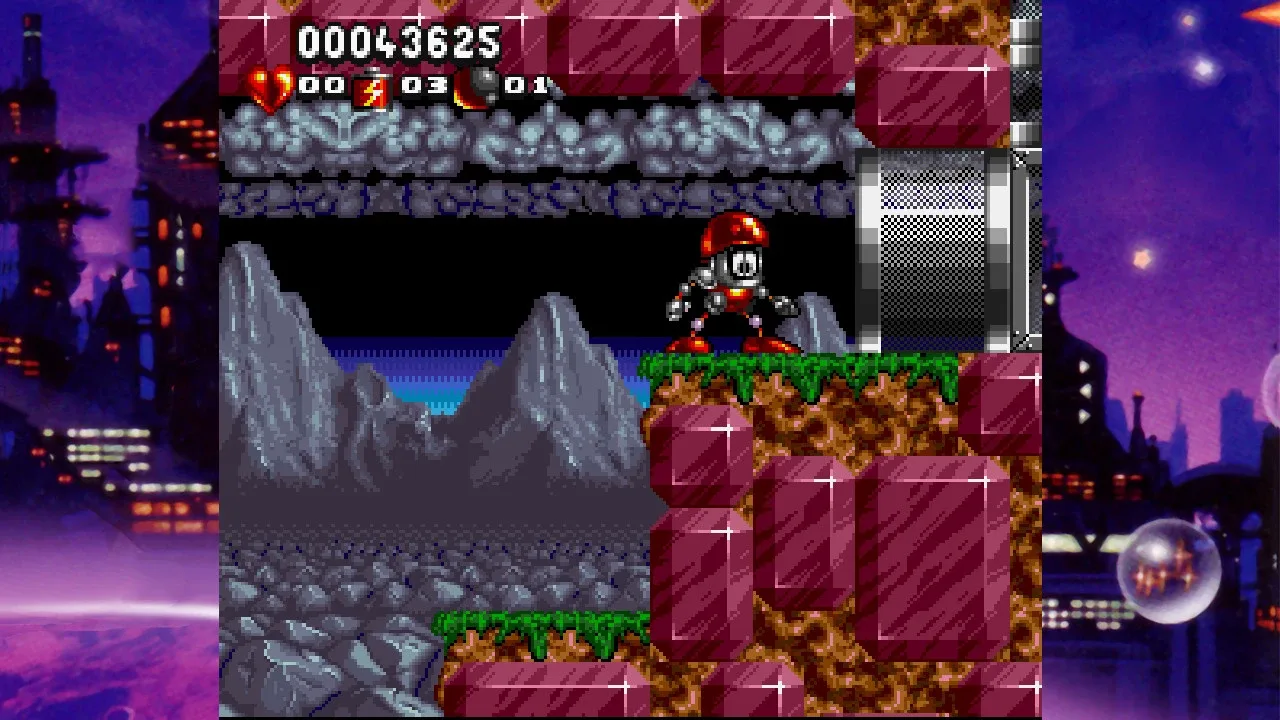
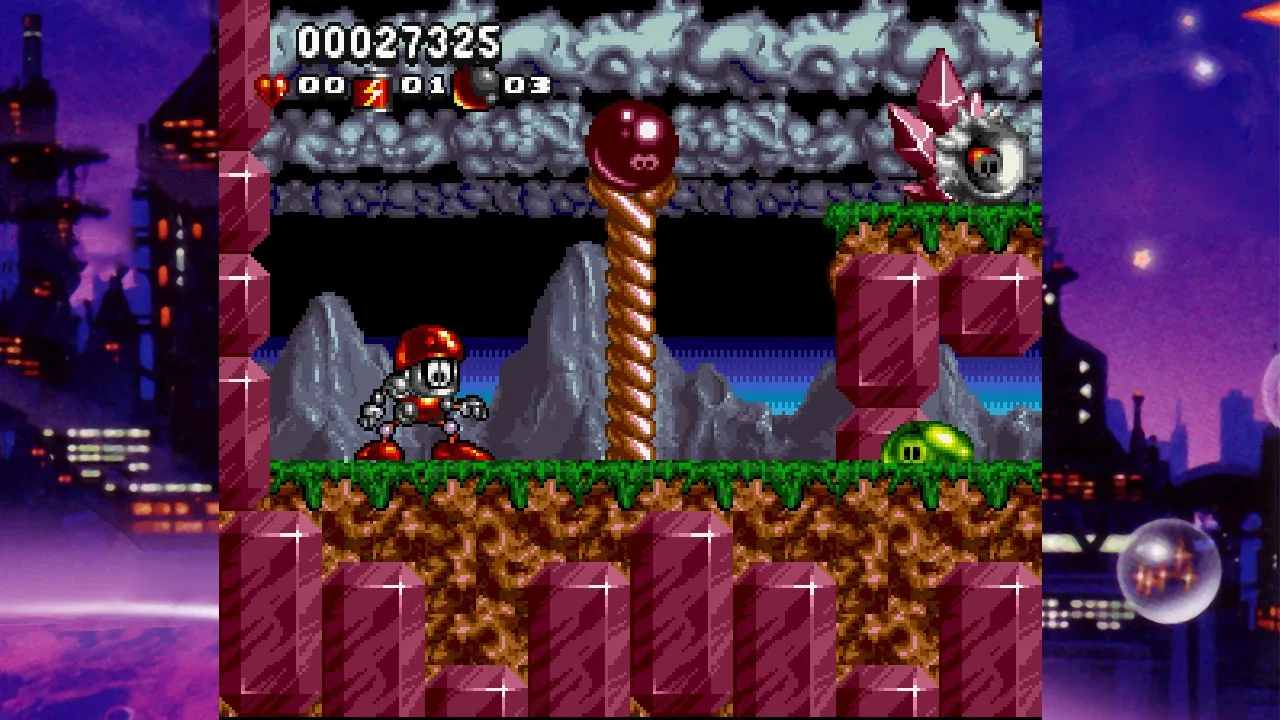
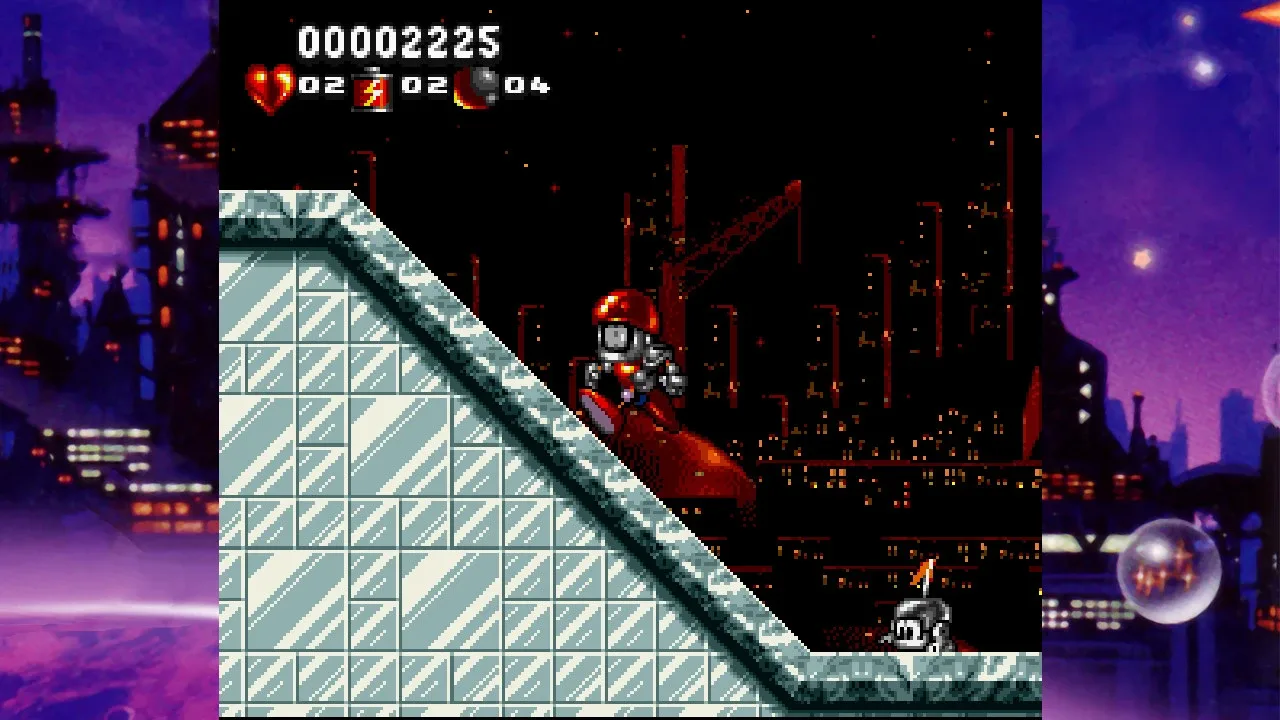
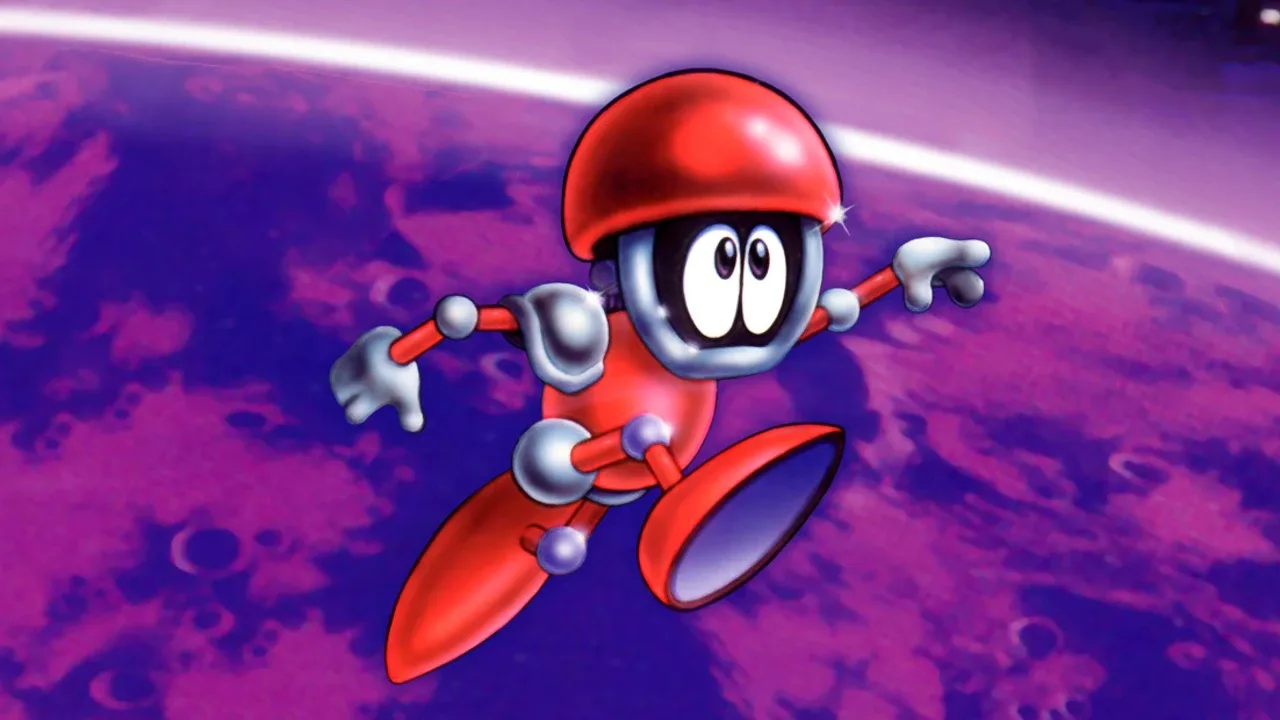
Could be interesting
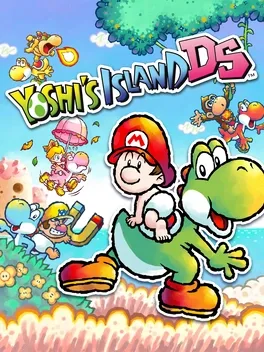
Yoshi's Island DS is a 2D platformer for the Nintendo DS in the Yoshi's Island series. It is the sequel to Super Mario World 2: Yoshi's Island, where Kamek and the Toadies have kidnapped all the babies in the world in search for the star children, a group of seven babies who possess powerful stars in their hearts. While the game is heavily derivative from Super Mario World 2: Yoshi's Island, including general gameplay, themes, and graphics, the game primarily differentiates itself from its predecessor by taking advantage of the Nintendo DS's dual screen to display levels while introducing multiple babies to carry on Yoshi's back, who all have special abilities that are required to complete levels.
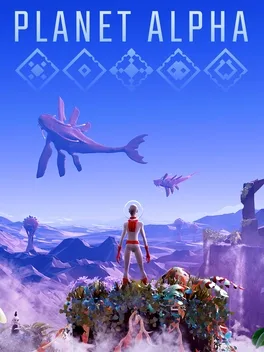
Planet Alpha is an adventure set in a living alien world where you have the ability to manipulate the daytime. To survive on this strange planet you will have to be observant of how the environment and the wildlife behaviour changes depending on the time of day.
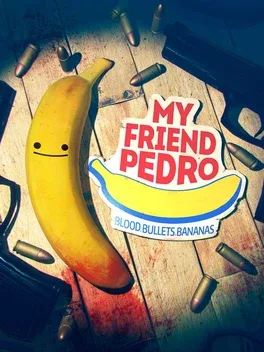
My Friend Pedro is a violent ballet about friendship, imagination, and one man’s struggle to obliterate anyone in his path at the behest of a sentient banana.
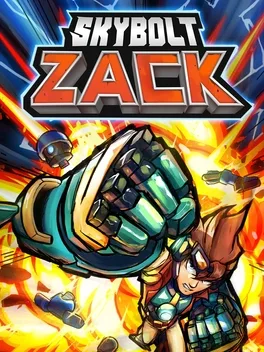
Skybolt Zack delivers a unique gaming experience - all the fun and excitement of an arcade platformer married with the feel of a Japanese rhythm game. Ditching the pixel perfect precision of traditional platformers, Skybolt Zack introduces new mechanics that are equally challenging but fresh and exciting. Players will have their dexterity and quick thinking tested in equal measure. Reacting to the enemies on screen, players must Dash and Rocket Punching and Charge Attack their way from enemy to enemy by colour matching the buttons on the gamepad to the enemies on screen before bouncing off of them to reach new heights. The higher the player climbs, the more difficult the game gets, but the more rewarding it becomes... Skybolt Zack is designed to prioritise gameplay above all else, featuring 48 frantic, colourful and challenging levels. The player is always in control of their success or failure, testing their fortitude with every failure and rewarding every success with intense euphoria!
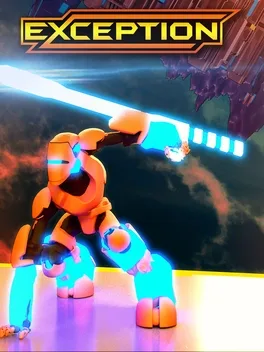
When an old woman's computer system is taken over by a fascist virus bent on total annihilation, you assume control of an ordinary software program transformed into an elite combat machine. Retake the system and build your character into a formidable instrument of retribution.
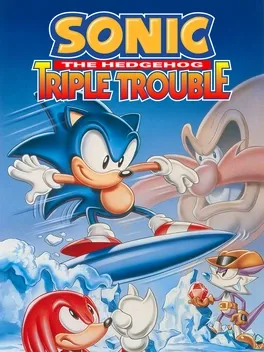
Sonic and Tails are back with three times the fun and three times the trouble! Dr. Robotnik is building the ultimate super-weapon with the help of Knuckles, but you can stop him by getting the Chaos Emeralds first. Rip across snow and water on Sonic's new jet skateboard or zip underwater in Tails' "Sea Fox". But look out - Nack the Weasel is after the Emeralds, too!
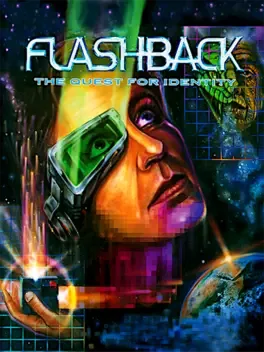
Throughout the 20th century, an unprecedented political and economic crisis afflicted Earth, leading to the systematic disabling of it's programme to conquer outer space through lack of funding. The highest priority now was to carryout research into new energy sources, preservation of the enviro- ment and maintenance of the cultural heritage. However, at the dawn of the 21st century, provision of considerable funds from an unknown source released by the politicians of the new, unified government, permitted a return to the space research programme. The conquest began gradually with the construction of huge, manned artificial satellites. Several lunar bases were created with the view to becoming future Earth colonies within the solar system. The considerable advancements made together with the supply of increasingly greater sums of money allowed man to explore, even as far as the planet Titan. You play the part of Conrad Hart, controlling his every move through the 6 levels of the game. During your quest, you will come across many different friends and foes whom you may wish to help or vanquish using your gun. you will have to complete many challenges in order to restore your lost memory. Each level features its own unique graphics and hazards, linked by cinematic animation sequences.
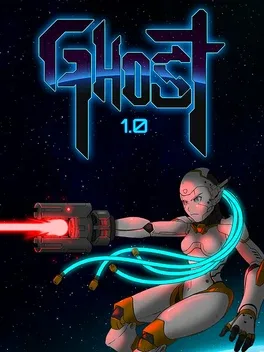
A mysterious agent, capable of becoming a digital ghost, sneaks aboard the Nakamura Space Station. This is where the fun begins: the station is well-protected with its heavy defences, never-ending arsenal of weapons, and mysterious artifacts. It will all have to be destroyed.

This game contains elements from the Mega Man X series and the Mega Man Zero series. The game introduces a new open-ended gameplay environment and the ability to select the protagonist's gender, a first in the series. The player's character, Vent or Aile, is on a 2-dimensional overlay map with sprites where he or she engages enemies to finish the mission. When Vent and Aile receive a Biometal, they are able to change form, gaining various abilities, such as the charge moves, or charging their weapon with an element of that Biometal; for example, Biometal H will charge the weapon with electricity. While in a special form, using the form-specific abilities use up weapon energy. When Vent and Aile receive the other half of the Biometal, they are able to perform a different special ability.
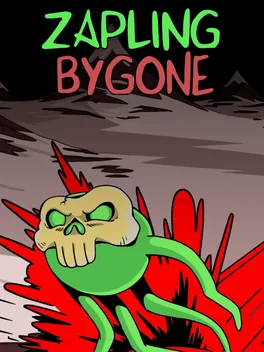
Murder bosses, collect and equip their skulls. A pixel-perfect platformer focused on exploration and hard but fair combat.