
Turnabout


Buy
Could be interesting

Suikoden is a Japanese-style role-playing game with several unusual additions. There are three kinds of combat in the game, the most common one being the traditional turn-based party combat (players can have up to six people in their active party). Magic runes can be equipped on the player's characters which allow limited usage of offensive and healing spells. There are also a few army battles, where the player must control whole units of fighters, archers, magicians, etc., and one-on-one fights (duels).
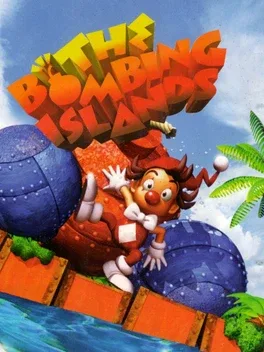
Clown World is in trouble. Mysterious blue bombs have appeared all over the planet, and King Clown needs help. In a royal decree, the king beckons for Kid Clown, a hero of past Kemco games, to clean up these bombs in all six continents. The strange, yet brave little clown sets out to blast the bombs away before the planet explodes. Clearing these bombs will not always be easy, as they have been arranged in puzzles across 60 different levels. Kid Clown must act wisely, because each level has only one igniter bomb that can detonate the bombs surrounding it. To successfully complete a level in one try, Kid Clown must arrange the bombs so that a chain reaction takes place. He also has to get a safe distance away from the reaction or he will explode.
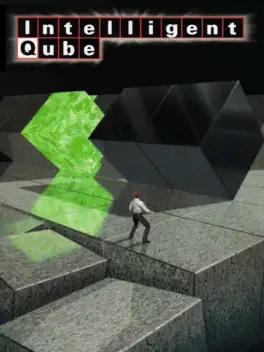
Intelligent Qube is a puzzle game for the PlayStation. In the game, the player controls a character who must run around a platform made of cubes, clearing certain cubes as they approach. Cubes are "cleared" by marking a spot on the stage, waiting for the cube to roll on top of it, and then deactivating the marked spot.

R4: Ridge Racer Type 4 is the fourth game in the Ridge Racer series. It includes eight tracks (with reverse variants, for a total of 16 layouts) and 321 vehicles, all of which are fictional. This iteration was one of the first PlayStation titles to feature Gouraud shading on polygons, giving the game a visual depth that was previously missing. It was also the first Ridge Racer game on the system to feature two-player split-screen mode and offered two different driving models.
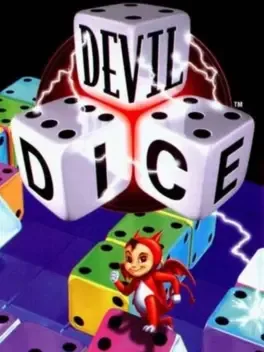
Devil Dice is a unique puzzle game, where the player controls a small devil that runs around a grid covered in large dice. The player can both stand atop dice, and stand on the ground (with the dice towering above). When standing on the dice, the player can move from die to die, or can roll a die in the direction he or she runs, revealing a different face as the die rotates. Creating a group of adjacent dice with identical pips—the size of which must be at least the number of pips—causes those dice to slowly sink into the field before disappearing. Chain reactions are possible by adding additional dice to a sinking set. Different types of dice are available in some modes, with different properties to make the game more challenging. It was originally created by developer Shift on the "homebrew" Yaroze platform, and later turned into a commercial game. Released in 1998, it is one of only a handful of games to make the leap from the Yaroze to commercial release. The game is a million-seller and a demo version was released as a PlayStation Classic game for the PlayStation 3 and PlayStation Portable on November 7, 2007.
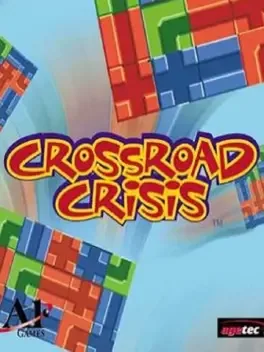
A budget release from Agetec, this puzzler (also known to some as Tic Tac Chicken) challenges gamers to create a safe path for a lost baby chick so he can return home. Slide and spin the tile pieces to form his walkway, but you're going to have to think quick -- the tiles are floating on water and the little guy isn't a good swimmer!
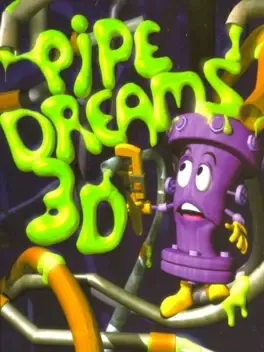
Pipe Dreams 3D is a three-dimensional remake of the classic puzzle game Pipe Dream. This remake/revision includes characters, different continents, new obstacles, and a story-driven mode. This puzzle game presents the player with an isometric perspective on a tiled game board and the objective of building a network of piping that will transport a slow but unending flow of creepy green ooze safely to a small plug hole. The strategic challenge comes in using the limited space and available pipe pieces to create a conduit that will take the ever-flowing ooze where it needs to be. As the player progresses through the game's 18 levels, additional barriers and obstacles compound the challenge.

Published in 1993, the original Super Sidekicks (known as Tokuten Ou, "Goal-Scoring King" in Japan) was SNK's first soccer video game. It features 12 teams divided into two groups which compete for the "SNK Cup" (the main differences between teams is their formations on the field): Group A: Germany, Italy, Spain, England, Mexico, Japan Group B: Argentina, Holland, Brazil, France, United States, South Korea The players' team plays against all the others in their group, then it goes into an elimination tournament's semifinals and then the final to win the cup. There was also a hidden feature in the game, which wasn't documented, and affects a single player game. During a free kick for the CPU if the player has tapped button A for player two, the CPU performs a short-shot, while pressing the button A performs a longer kick.

Tokimeki Memorial Taisen Puzzle-Dama 2 is a sequel to the Tokimeki Memorial themed Taisen Puzzle-Dama spin-off game.
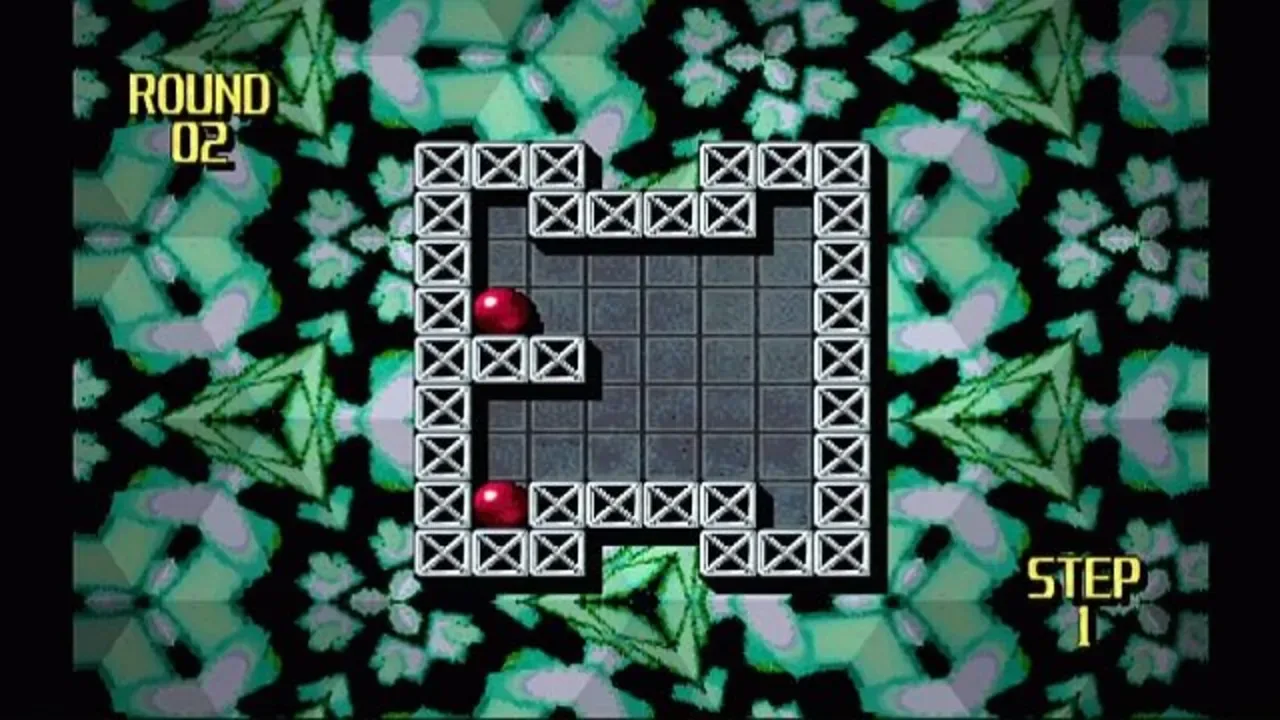
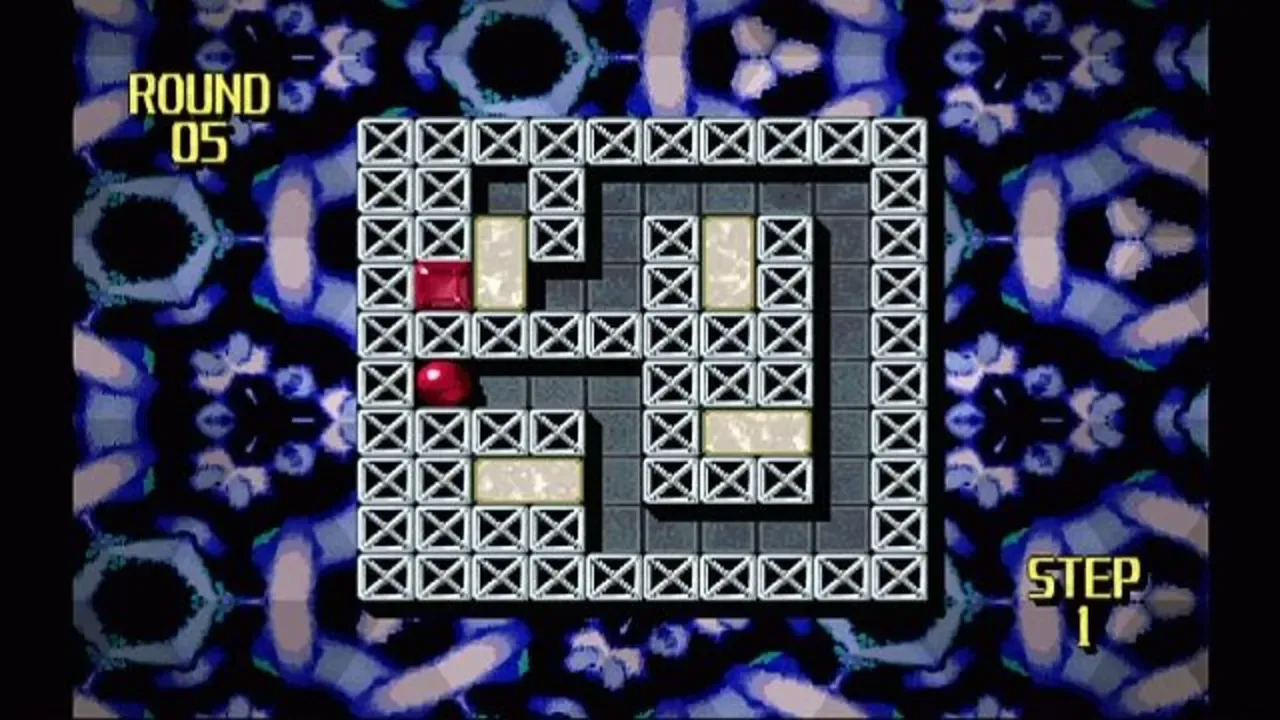
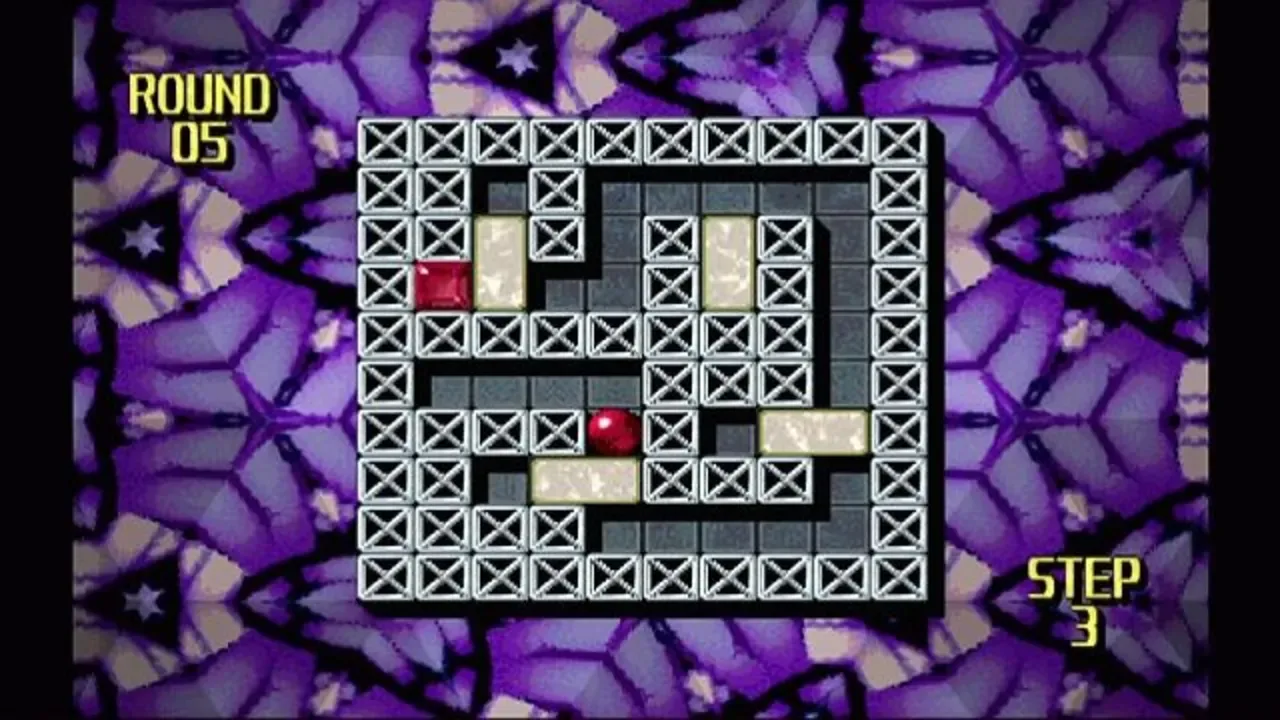
Based on the basic concepts of "simple and easy to play", "deep and addictive", and "very exhilarating when the mystery is solved" - includes 3 types of puzzle games.