
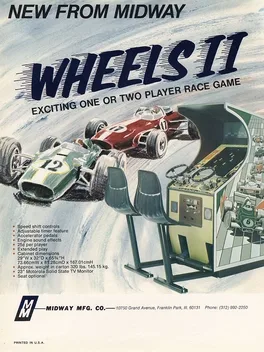
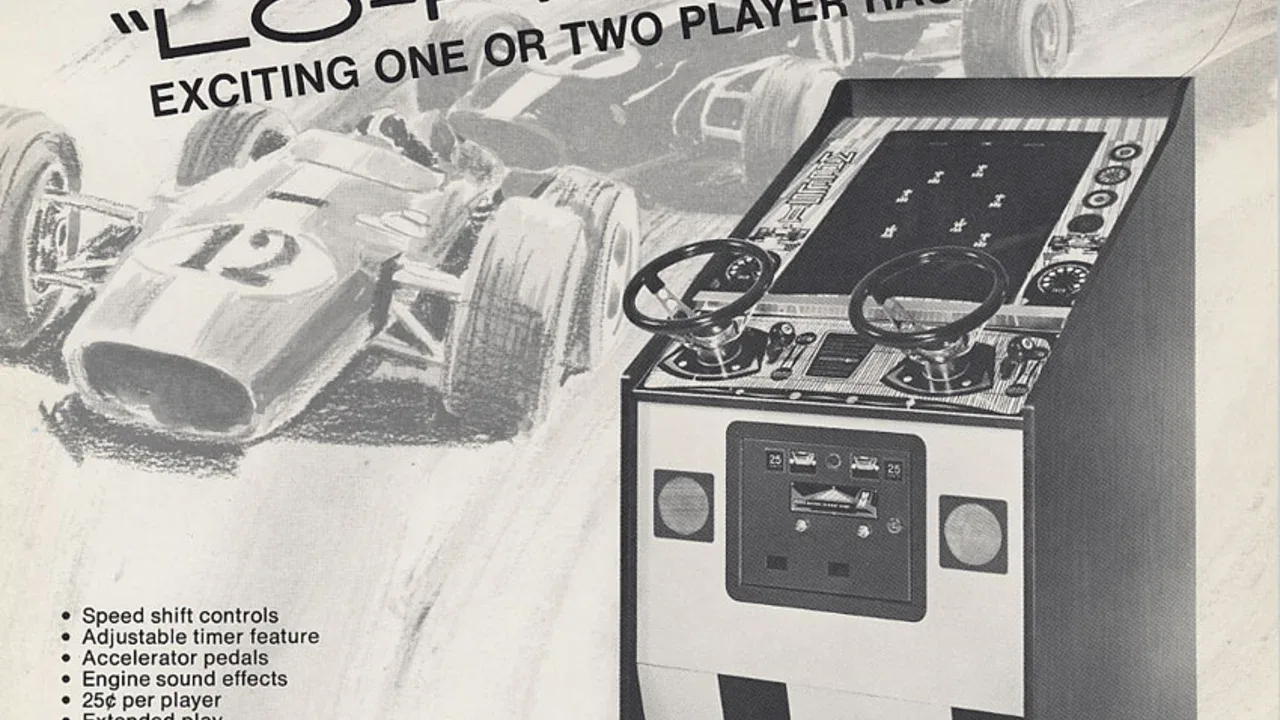
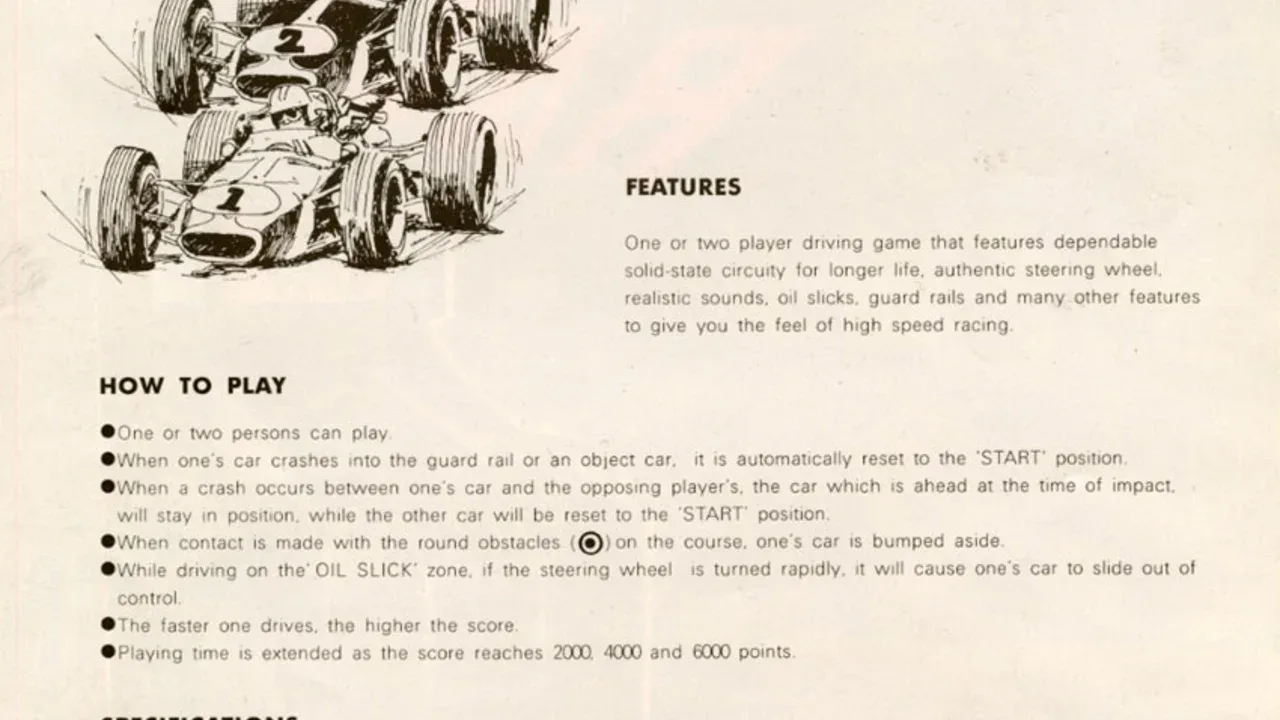
Wheels II


Buy
Part of collection:
Speed Race
(last 3 games)
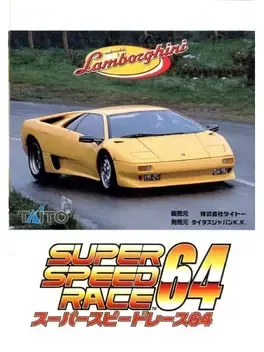
Super Speed Race 64 is an enhanced version of Automobili Lamborghini, released only in Japan.
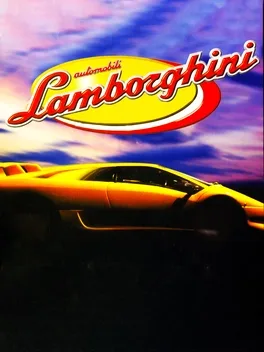
Automobili Lamborghini is one of the earlier racing games for the Nintendo 64, developed by Titus. 8 cars are included in this game, among them the Lamborghini Diablo, Porsche 959, Ferrari F50 and some hidden ones. The courses are quite detailed and the effects are decent, including special effects like lens flares. Races take you through six circuits in exotic areas around the world. There are 4 modes in Single Player including Arcade Mode, Championship Mode, Single Race and Time Trials. The game also includes 4 player support.
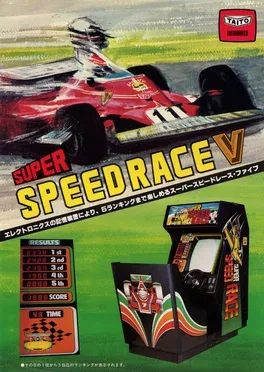
An arcade release in Taito's Speed Race series.
Could be interesting
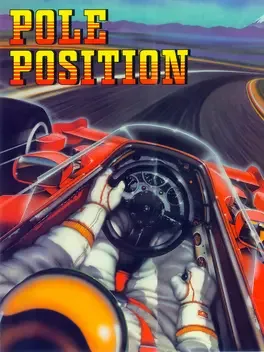
The very first racing game with the rear perspective camera and track based on real life.
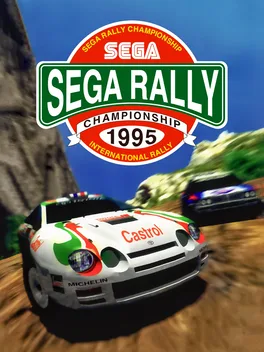
Sega Rally Championship is a 1994 arcade racing game developed by AM5 on the Sega Model 2 board. The unique selling point of Sega Rally was the ability to drive on different surfaces (including asphalt, gravel and mud), with different friction properties, with the car's handling changing accordingly. As the first racing game to incorporate this feature, Sega Rally is considered to be one of the milestones in the evolution of the racing game genre. The music for the arcade game was composed by Takenobu Mitsuyoshi, while the Sega Saturn port's soundtrack was done by Naofumi Hataya and the Guitar were played by Joe Satriani.
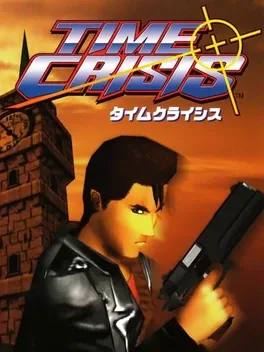
Time Crisis is a light gun shooter arcade game released by Namco in December 1995. It was later ported for the PlayStation in 1997, bundled with the Guncon light gun controller. Time Crisis is a three-dimensional first-person rail shooter similar to Virtua Cop and The House of the Dead installments, in which the player uses a light gun to fire at on-screen enemies. Time Crisis is best known for its cover system, in which players can duck behind cover to avoid enemy fire and reload their weapons. There are three stages, each consisting of three areas and a boss battle. The unique features are described below. A foot pedal that performs multiple functions: when the pedal is released, the player takes cover to conserve hit points while reloading the gun. While the pedal is released, the player cannot attack. In console conversions, a button command replicates the foot pedal's functions. The player loses a life if he/she is hit by a direct bullet or obstacle whilst not taking cover, with the game ending if he/she loses all lives. A light gun (introduced in Point Blank), which utilized a special memory chip to synchronize areas of the screen's image as the player rotated the gun around. The light gun also features a blowback function, which simulates real-life gun recoil. A countdown timer, recharged by clearing an area of enemies. As running down the clock causes an instant game over, the player must take risks, shooting enemies rapidly and hiding only when necessary. A time extension is rewarded when an area is passed, and there are also time bonuses awarded for shooting certain enemies quickly. The PlayStation port features an exclusive side-story mode, in which the player's performance, such as how quickly he can clear an area, affects the path he takes through the game, resulting in multiple possibilities.
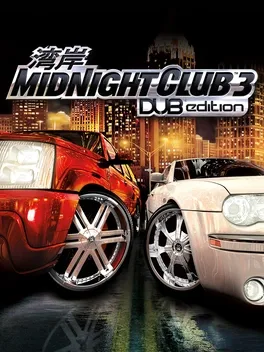
Midnight Club 3: DUB Edition is a racing game, developed by Rockstar San Diego and published by Rockstar Games, and is the third game in the Midnight Club series. Like previous installments in the series, the game is an arcade-style racer and focuses on wild, high-speed racing, rather than realistic physics and driving characteristics. The name derived from a partnership between Rockstar and DUB Magazine, which features heavily in the game in the form of DUB-sponsored races and DUB-customized vehicles as prizes.
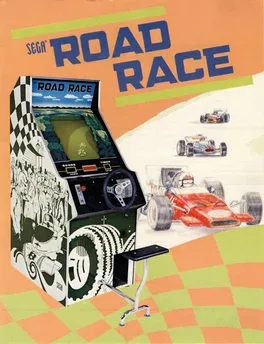
An early driving/racing game developed and published by Sega in early 1976. The game was notable for its introduction of a pseudo-3D, third-person perspective.
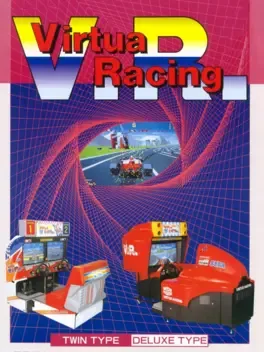
This game was the first game released for the Sega Model 1 arcade platform, and also the first to use the name "Virtua" in its title (something which would be followed by numerous Sega arcade games, including Virtua Fighter, Virtua Cop and Virtua Tennis. It is considered a milestone in 3D graphics and the racing genre, and acts as a foundation for most modern racing games.
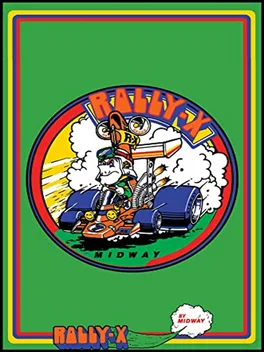
Rally-X is a maze & driving arcade game, that was released by Namco in 1980 and licensed to Midway Games for US manufacture and distribution in 1981. It was ported to the SG-1000 in Taiwan.
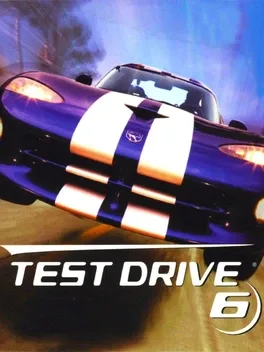
Test Drive 6 is a cross-platform racing video game developed by Pitbull Syndicate for the PlayStation, Game Boy Color, Microsoft Windows and Dreamcast. It is the sixth entry in the Test Drive series.
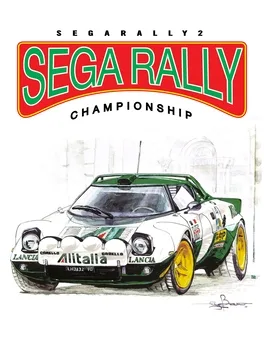
Sega Rally 2 is the sequel to Sega Rally Championship. It was released in 1998 in the arcades and was later ported to the Dreamcast and PC.
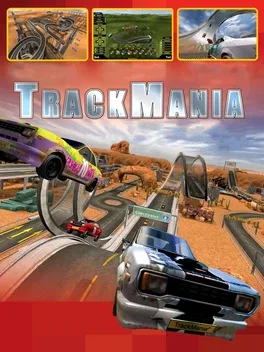
TrackMania is a racing game and the first entry in the TrackMania series, combining driving with track construction. Players race across circuits filled with jumps, loops, and tight corners to earn in-game currency, which is spent on building blocks used to design their own tracks on a snapping grid. Three environments, Rally, Snow, and Desert, each provide a distinct car and handling style, and the game includes Race, Puzzle, and Survival modes. Players can create custom car skins and share their tracks and skins online, and the game supports hotseat, LAN, and internet multiplayer. A later re-release, TrackMania Original, added new block types and features.