
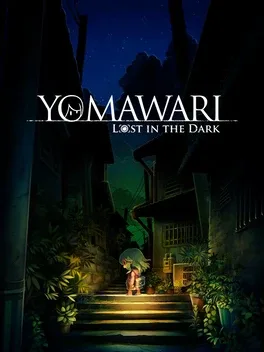
Yomawari: Lost in the Dark


Part of collection:
Yomawari
Another chapter of the atmospheric horror series has emerged from the shadows! Eerie sound design and shadowy environments set the stage for gruesome and terrifying ghosts never seen before in the series.

The dark is no place to be alone. After a beautiful show of summer fireworks, two young girls begin to make their way home. However, a mysterious attacker separates them, and both must brave the haunting night filled with unspeakable terrors and survive the darkness.
Could be interesting

Silent Hill: Homecoming is the sixth installment in the Silent Hill survival horror series. The gameplay is the same as it's previous entries, where the player searches for objects and uses weapons to defend against grotesque monsters while solving puzzles to advance further into the game. In terms of combat, the player is able to perform light and heavy attacks or mix them to perform combinations. For the first time in the series, the player may select responses when engaging in dialogue with other characters encountered in the game, which in turn may affect how the player sees the plot unfold.

A flash horror game that can only be played at night. You wake up in an abadoned hotel and need to find out what happened and how to get out of there alive. Solve puzzles, defeat enemies and follow instructions of a personal call to escape your nightmare and get your deserved Doritos.

The story follows Fiona Belli, a young girl who the player must guide through Belli Castle and its immediate environments in an effort to escape. Along the way, players must solve puzzles, unlock doors and evade, hide or attempt to fight against the castle's inhabitants. Fiona is accompanied by Hewie, a White Shepherd and the two must work as a team to solve certain puzzles and outwit their pursuers.
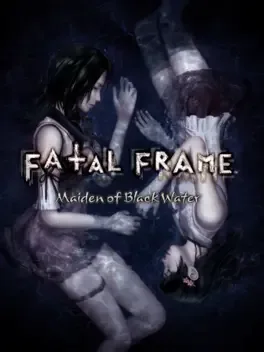
Fatal Frame: Maiden of Black Water is a survival horror video game developed by Koei Tecmo and published by Nintendo for the Wii U. The fifth main entry in the Fatal Frame series, it was released in Japan in September 2014 and worldwide in October 2015. As with previous games in the series, players navigate areas filled with hostile ghosts which must be fought by taking photographs using the Camera Obscura, which is directly controlled using the Wii U gamepad. A post-endgame story featuring Ayane, a character from the company's Dead or Alive series, is also available featuring altered gameplay mechanics. The story, which is set on the fictional Hikami Mountain, focuses on three protagonists who are drawn into supernatural events revolving the area, including an ancient ritual to seal away Yomi, a malevolent force corrupting the surrounding spirits that is tied to the fate of the titular shrine maiden Ouse Kurosawa. Planning for the game began in 2011, during the projection of the Wii remake of Crimson Butterfly. The game was first proposed by series co-creator Keisuke Kikuchi when he saw the Wii U hardware and the possibilities of the gamepad becoming the Camera Obscura. The game was a joint production effort between Koei Tecmo and Nintendo Software Planning & Development, with Kikuchi and fellow co-creator Makoto Shibata returning as to their respective posts of producer and director, together with staff from the previous series entry Mask of the Lunar Eclipse and developers new to the series. The cast went through several revisions during development, while the staff experimented with the capacities of the new hardware. As with previous games, it features a theme song by Tsuki Amano. Upon release, the game received critical acclaim for its use of the gamepad and dark atmosphere, while opinions were mixed on its story, portrayal of its female characters, and other aspects such as its pacing and controls.

Placed in a world without change, you must create fate by watering an ancient plant. Determine a future and live with it.

Vanquish an ancient vampiric council in this suspenseful single-player jumpscare game.

Nightmare is the third and final game in the Darkest Fear trilogy and features two playable characters instead of just one in the previous games, Thomas Warden and his daughter Helen with cooperative gameplay. The game mechanics remain the same: survival horror mainly based on light sources and lots of puzzle solving, all shown from an overhead view. The game has a hidden Pong-like mini-game, 15 different endings, and Helen can obtain three unique monster abilities.

Grim Oak is the second game in the Darkest Fear trilogy. It takes place five years after the events of the first game. The game now takes place in the town Grim Oak and features Thomas Warden again in the most important role. The gameplay is still shown from an overhead view and consists mainly of small puzzles, usually based on light. This time there are more light sources, three hidden mini-games (a darts game, a worm game and a Pong game) and the whole town of Grim Oak to explore instead of just the hospital. The player can revisit places, battle monsters and solve item puzzles.

Darkest Fear is a puzzle exploration game containing switches, boxes, doors and various dynamic light sources (like flashlights and lanterns) that the player uses to solve puzzles. In this game Thomas Warden searches for his lost family members (his wife Susan and his daughter Helen) through fifteen missions in a monster-ridden old hospital. He has to talk to other patients and find ways to travel deeper into the hospital. Thomas' most important enemy is darkness. Venturing in the dark deals damage, so he has to open windows to let the light in, find light switches or carry lanterns and flashlights. He is also able to lit fireplaces, carry mirrors and talk to other characters. There are multiple endings and the plot continues in the sequels Grim Oak and Nightmare.
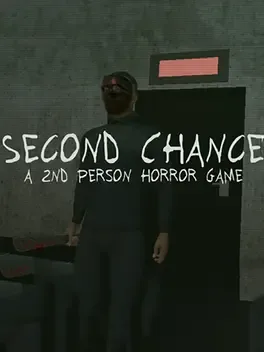
A 2nd person horror game