
Yuushi no Monshou: Deep Dungeon


Buy
Part of collection:
Deep Dungeon
(last 3 games)
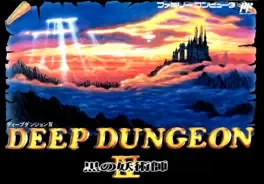
Deep Dungeon IV: Kuro no Youjutsushi is the fourth and final installment in the Deep Dungeon series. Unfortunately this game has removed the custom character feature of the previous game. Through the game, the player will meet up to two additional playable characters with predetermined class. This game also reverts to the standard practice or randomizing characters' stat growth when gaining an experience level. New to this engine is that the player can eventually learn to summon two monsters to function as a temporary additional party member for a single battle. It also removed the feature that stops random battles when the player is significantly more powerful than the enemies. This isn't as bad as it seems as the maps in this game are also much smaller (whereas the previous games used multi-floor dungeons up to 32x32 tiles, the dungeons in this game are either single floor, or multiple floors that can fit within a single 32x32 map) In this game, the player can accept "requests" from the non-player characters. These are optional tasks that will reward the player with bonus items, experience or money when finished.
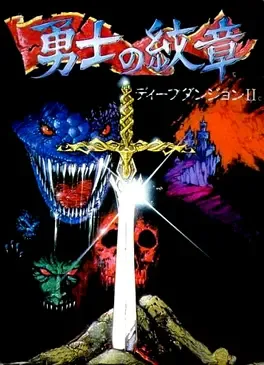
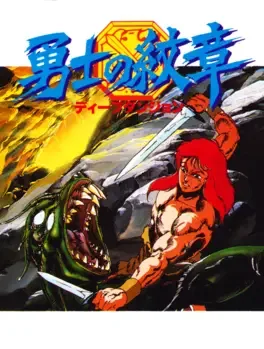
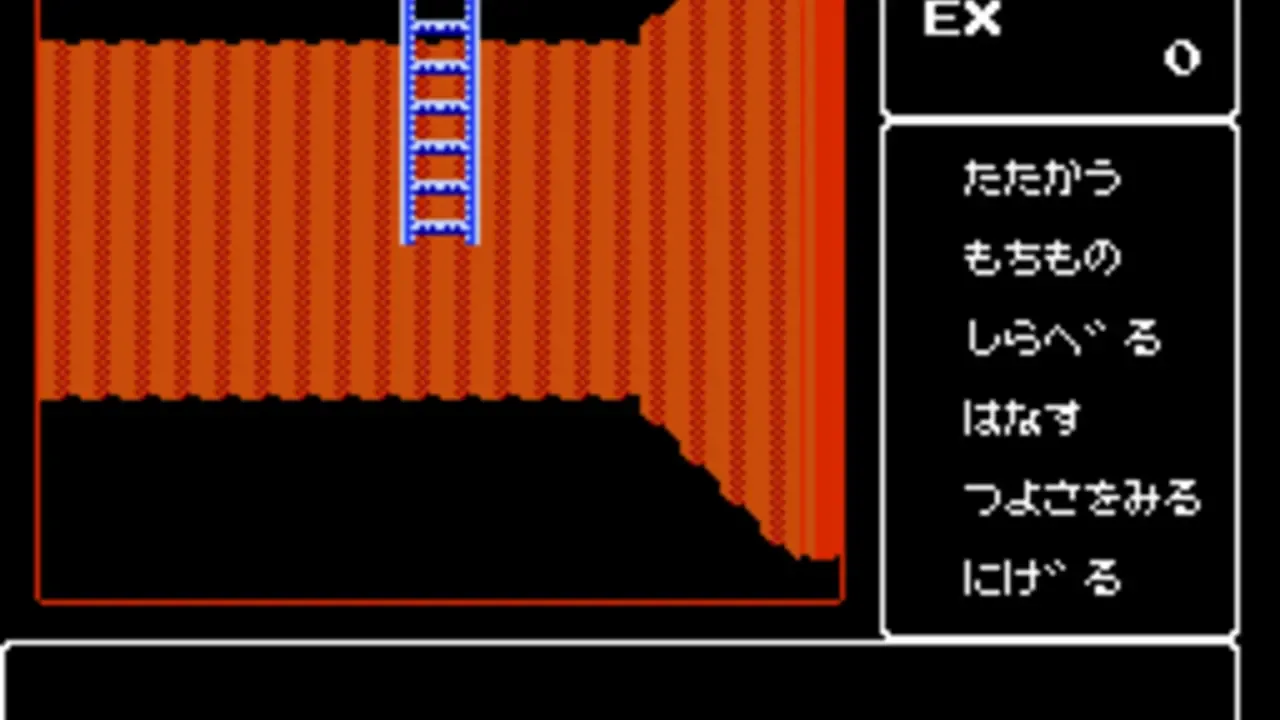
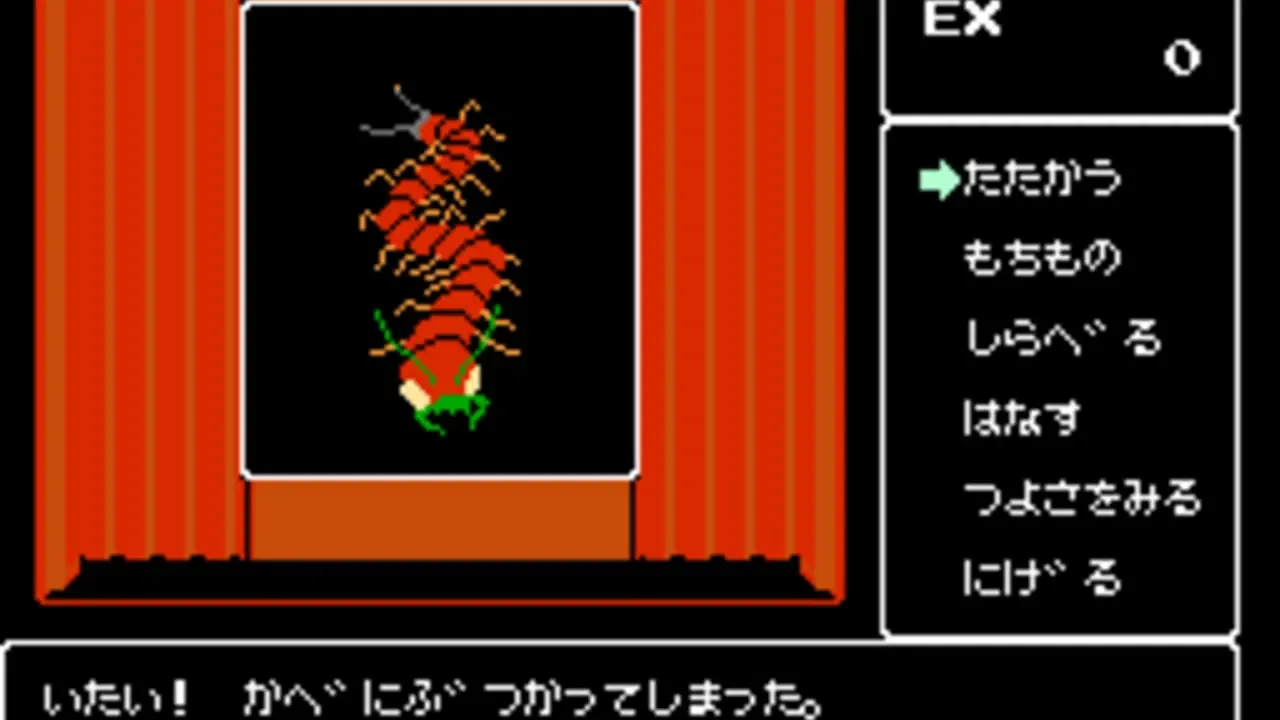
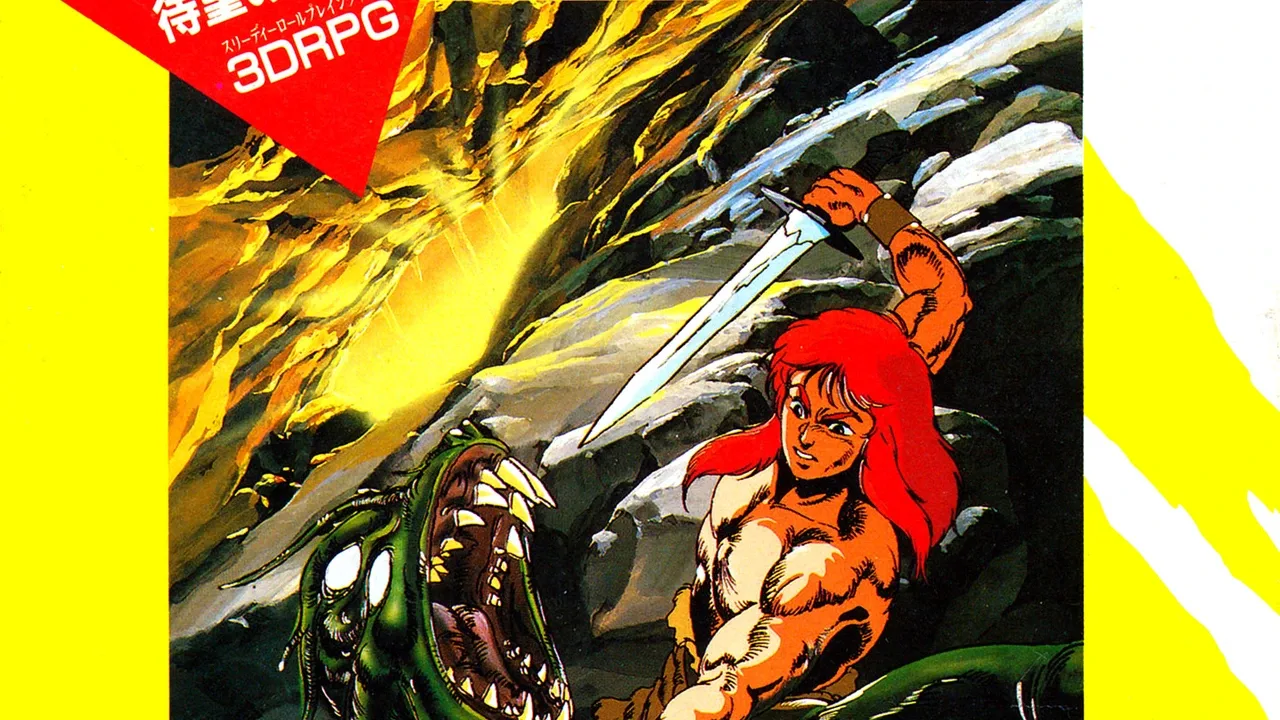
Yūshi no Monshō is the sequel to Deep Dungeon: Madō Senki. Hundreds of years have passed, the spirit of the long forgotten evil Emperor Ruu has returned. A hero claiming to be the descendant of the previous hero Raru appears in the town of Dorl, and sets on exploring a tower in order to defeat Ruu. The game consists of an eight level tower, four of which are underground, while the others are above ground, the underground levels having a higher difficulty than the latter. The game plays like its predecessor, the player exploring the tower in a first-person view, fighting monsters and improving the hero's skills along the way. When the hero levels up, he gains points to be attributed to his different stats rather than having them distributed automatically. When the hero's level is significantly higher than that of the monsters on the level, random battles are suspended; only the battles triggered by stepping on specific spaces have to be fought. The game has two endings, one being a secret good ending.
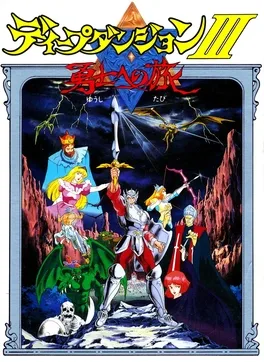
Deep Dungeon III: Yūshi he no Tabi is the third installment in the Deep Dungeon series and the first to be released on the Famicom. This is the first Deep Dungeon title to offer the player a world to explore spanning multiple dungeons and multiple towns. It also allows the player to create their own party with up to three companions in addition to the hero character, with a choice of ranger, magician or priest for each character. Though the player can dismiss a character once the game has started, they will only be able to replace that character if they meet another pre-created playable character in one of the dungeons. However, the game will still end as soon as the protagonist "swordsman" character is defeated. This game retains the player-adjustable level-up stats from the first game, as well as the feature that removes randomized encounters if the player is at a significantly higher experience level than needed for their current location. One exclusive and rather annoying feature of this game engine is that sometimes the player character will fumble (remove) their equipped weapon, wasting that character's turn. If the player wishes to re-arm their weapon, it will cost the player another turn. This is the only game in the series to award the player money (Gold) when defeating enemies. All other games will force the player to re-enter maps to collect respawning chests for money or items (for resale) if they want to gold farm.
Could be interesting
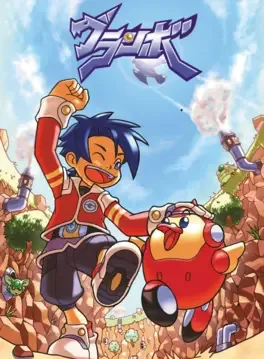
Granbo is a RPG game released for the Game Boy Advance in 2001. It was only released in Japan. The game's story focus on a young boy named Kakeru trying to save the world through the use of robotic animals. Granbo was also released for Nintendo's Virtual Console for Wii U in Japan.
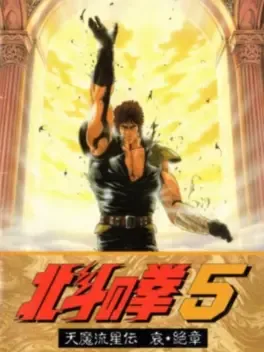
Hokuto no Ken 5: Tenma Ryuusei-den Ai Zesshou is a role-playing video game produced by Toei Animation released on July 10, 1992 for the Super Famicom in Japan. It is the third and final RPG produced by Toei based on the Hokuto no Ken franchise, following Hokuto no Ken 3 and Hokuto no Ken 4, both for the Family Computer. Hokuto no Ken 5 features an original storyline, written once again by Hiroshi Toda with plot supervision by Buronson, set in an alternate universe from the original work's canon where a new hero must unite the warriors of the Hokuto, Nanto, and Gento schools to defeat a common enemy.
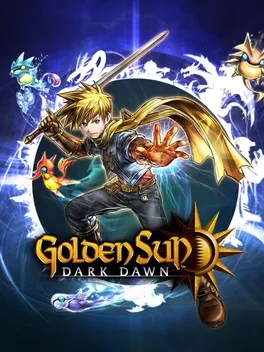
After going dark six years ago, 2010 will see a new dawn. Golden Sun DS updates the popular portable Golden Sun role-playing series with an impressive graphical style. This installment follows the story of the previous heroes' descendants and immerses players into the magic of its adventure by pushing the boundaries of intuitive touch-screen controls.
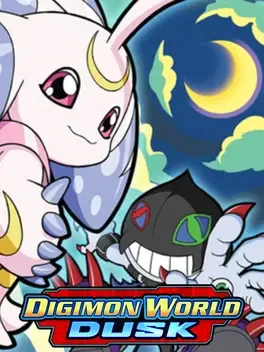
Digimon World Dusk, originally released as Digimon Story Moonlight in Japan, is a Digimon video game for the Nintendo DS handheld game console. It was released in Japan on March 29, 2007 and North America on September 18, 2007. It serves as the second game in the Digimon Story series, though it was marketed as a game within the Digimon World series in North America.
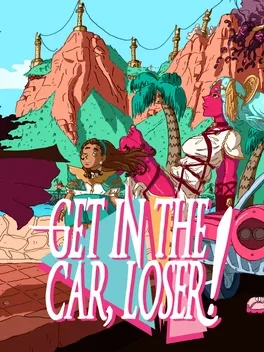
She said "GET IN THE CAR, LOSER! I know you're not up to anything this summer, I've got the Sword of Fate, and there's an ancient evil that needs to be sealed away."
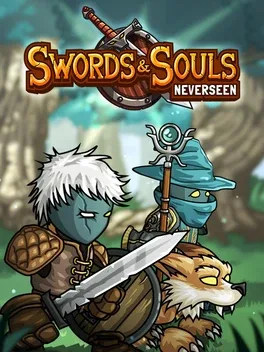
If you've been looking for a combat-focused RPG that balances combat and level grinding with humor and surprises, welcome into the wild Neverseen! A dangerous and untamed island filled with secrets and treasure. Explore, build your home, increase your skills through addictive arcade minigames, and more as you quest through a lighthearted story.
Journey into the dark side of an ancient civilization. Radiating an ominous light in its path, the Chaos Comet threatens the existence of the planet. Battles erupt and a tentative peace is returned to the lands. Danger lurks as the Chaos Comet orbits and dreadful beasts lie awaiting. In the Age of Exploration a boy named Will is born. Tragedy strikes during an expedition to the Tower of Babel separating Will from his father. Telekinetic forces awaken as Will returns to South Cape. Armed with his transformation abilities of two great warriors, Will must save the planet. Gaia, Will's guiding spirit bestows magical powers and advice along his journey. With the help of his friends Will must battle relentless enemies and solve the puzzles of the ancient ruins. Patience and knowledge are essential to reunite this father and son.
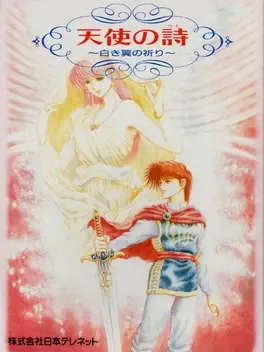
Tenshi No Uta: Shiroki Tsubasa no Inori is a video game published by Nippon Telenet Japan for the Super Famicom in 1994. It is the third episode in the Tenshi no Uta RPG series, but is not a true sequel to the first and second episodes previously released on the PC Engine.
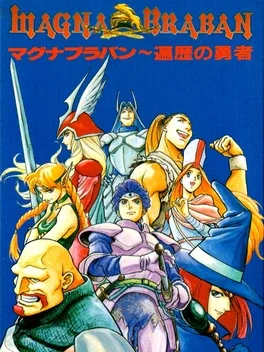
Magna Braban: Henreki no Yuusha is a Japanese-style RPG with party-based combat and random enemy encounters. The game's main view is an overhead map of a specific location, such as a town, where the characters move and can interact with NPCs. Upon leaving an area, the view changes to a larger overworld map showing locations of interest. The battles are viewed from an isometric perspective and the characters automatically engage and perform their actions. While the player does not directly control any of the characters, they can pause the battle at time and assign new strategies (such as melee, use long-ranged attacks or use Magic) to each character. Experience points and gold are awarded after each battle, the later of which can be used to purchase equipment and items.