
Cosmic Soldier

Buy
Part of collection:
Cosmic Soldier

The 1987 sequel, Cosmic Soldier: Psychic War, was originally released for the MSX2 computer in Japan. In America, the game was released by Kyodai, and they changed the name to Psychic War and released the game for MS-DOS computers. The MS-DOS version censors Kayla's clothing. It changed the turn-based combat of its predecessor to a unique "tug of war" style real-time combat system, where battles are a clash of energy between the party and the enemy, with the player needing to push the energy towards the enemy to strike them, while being able to use a shield to block or a suction ability to absorb the opponent's power. The game also improves upon the conversation system of its predecessor and more closely resembles the one in Digital Devil Story: Megami Tensei released around the same time.
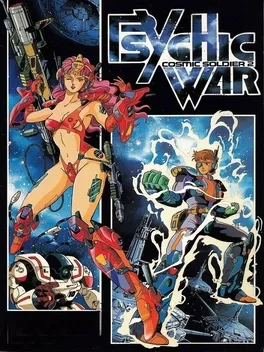
Action RPG sequel to Cosmic Soldier, released for Japanese computers in 1987 and for North American PC in 1989.
In the game, you must locate 3 data cards and 4 "filters" that allow access to a secret file in the enemy data bank. Data cards and filters are located in different stars of the Quila system, which can be reached immediately via an air shuttle; all the information you need in order to locate the items can be obtained by talking to enemies. Once the items are in your possession, you must locate the data bank and get the file.
Could be interesting

An all-new 3D Pokemon adventure packed with never-before-seen Pokemon will launch worldwide in October 2013. Pokemon X and Pokemon Y will present a new generation of Pokemon, and introduce players to an exciting new adventure in a breathtaking 3D world.
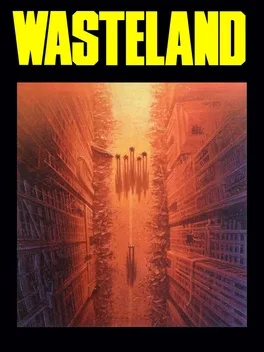
The game mechanics were based directly on those used in the tabletop role-playing games Tunnels and Trolls and Mercenaries, Spies and Private Eyes created by Wasteland developers Ken St. Andre and Michael Stackpole. Characters in Wasteland consequently have various statistics (strength, intelligence and luck among others) that allow them to use different skills and weapons. Experience is gained through battle and through use of skills. The game would generally let players advance with a variety of tactics: to get through a locked gate, a player could use his picklock skill, his climb skill, or his strength attribute; or he could force the gate with a crowbar - or a LAW rocket. The initial band of Desert Rangers encountered a number of NPCs as the game progressed who could be recruited into the party of up to seven. Unlike those of other computer RPGs of the time, these NPCs might temporarily refuse to give up an item or perform an action if ordered to do so. The game was also noted for its high and unforgiving difficulty level and for such combat prose as "reduced to a thin red paste" and "explodes like a blood sausage", which prompted an unofficial PG-13 sticker on the game packaging in the United States. Wasteland was one of the first games featuring a persistent world, where changes to the game world were stored and kept. Returning to areas later in the game, one would find them in the state one left them in, instead of being reset to their original state, as was common for games of the time. Since hard drives were still rare in home computers in 1988, this meant the original game disk had to be copied first, as the manual instructed one to do.
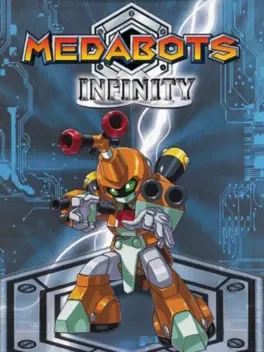
Medabots Infinity is a role-playing video game published in 2003 by Natsume, and developed by Victor Interactive. The game is based on the Medabots series. Hooking up to the Metabee and Rokusho Game Boy Advance games allows for secret unlockable medabots: Arcbeetle (Metabee) and Mega-Emperor (Rokusho). Several characters from the anime make appearances
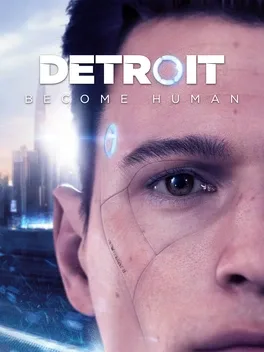
Detroit: Become Human is an interactive narrative adventure game developed by Quantic Dream and released in 2018. Set in a near-future Detroit where androids serve humans, the story follows three android protagonists—Kara, Connor, and Markus—who shape the city’s fate through their choices. Gameplay combines exploration, dialogue interactions, and quick-time events, with branching storylines and multiple endings. The narrative explores themes of artificial intelligence, freedom, and morality.

Eastward is a beautifully detailed and charming adventure RPG, from Shanghai-based indie developers, Pixpil and published by Chucklefish. Escape the tyrannical clutches of a subterranean society and join Eastward’s unlikely duo on an exciting adventure to the land above! Discover beautiful yet bizarre settlements and make new friends as you travel across the world by rail. Inspired by 90s Japanese animation, the visual style of Eastward has been brought to life using a combination of a modern, innovative 3D lighting system and a rich retro-pixel artwork.
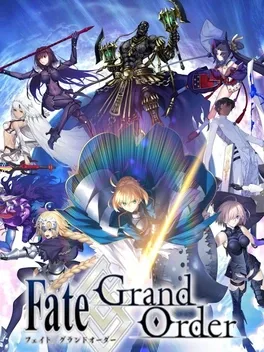
Fate/Grand Order is a turn-based role-playing game with some visual novel elements set in the Fate/ franchise, for iOS and Android.
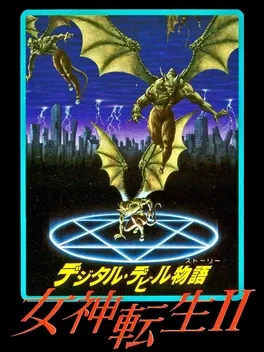
Digital Devil Story: Megami Tensei II is the sequel to Digital Devil Story: Megami Tensei. It was published by Namco in 1990 for the Family Computer and is the second video game in the Megami Tensei series. This is the first game in the series to not be based on the original novels by Aya Nishitani, but it retains much of the gameplay aspects of its predecessor. The music in the game is enhanced by an eight-channel Namco 163 WSG sound chip on the cartridge.
Action RPG sequel to Cosmic Soldier, released for Japanese computers in 1987 and for North American PC in 1989.
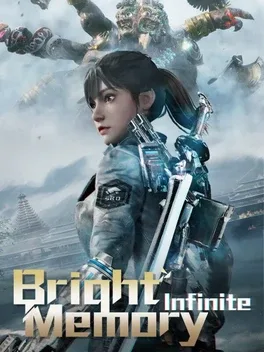
Bright Memory: Infinite is a lightning-fast fusion of the FPS and action genres, created by a one-man development studio. Combine a wide variety of skills and abilities to unleash dazzling combo attacks. SRO (Supernatural Science Research Organization) agent Shelia's adventure is about to begin.
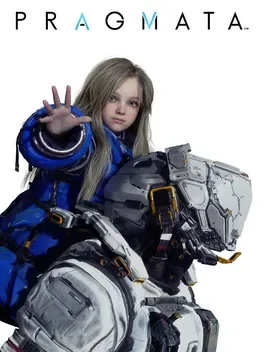
Pragmata is a sci-fi action-adventure game set in the near future. The story follows Hugh and his android companion Diana as they navigate a Lunar research station. Gameplay incorporates action elements alongside mechanics involving interaction with systems within the environment.