
Deathsmiles




Part of collection:
Deathsmiles
(last 3 games)
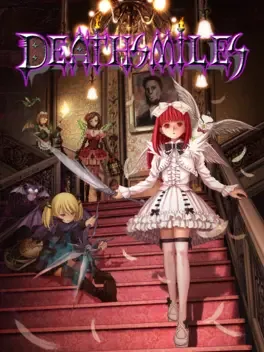
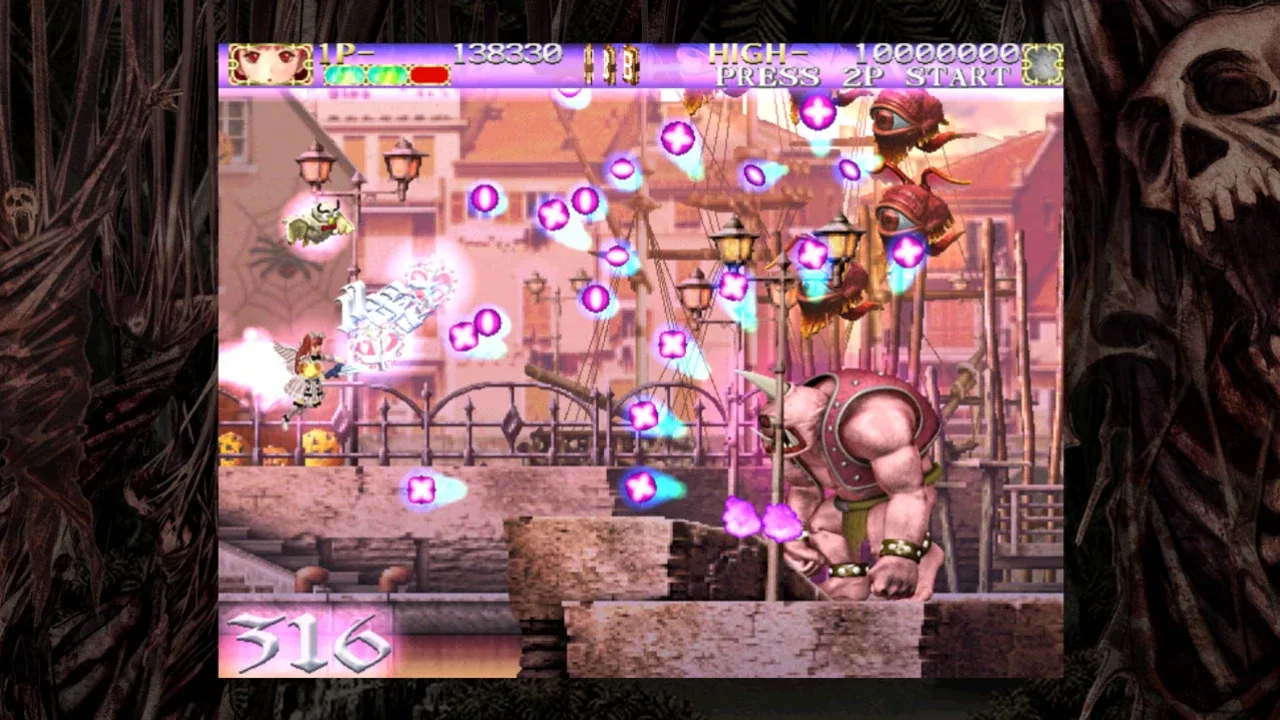
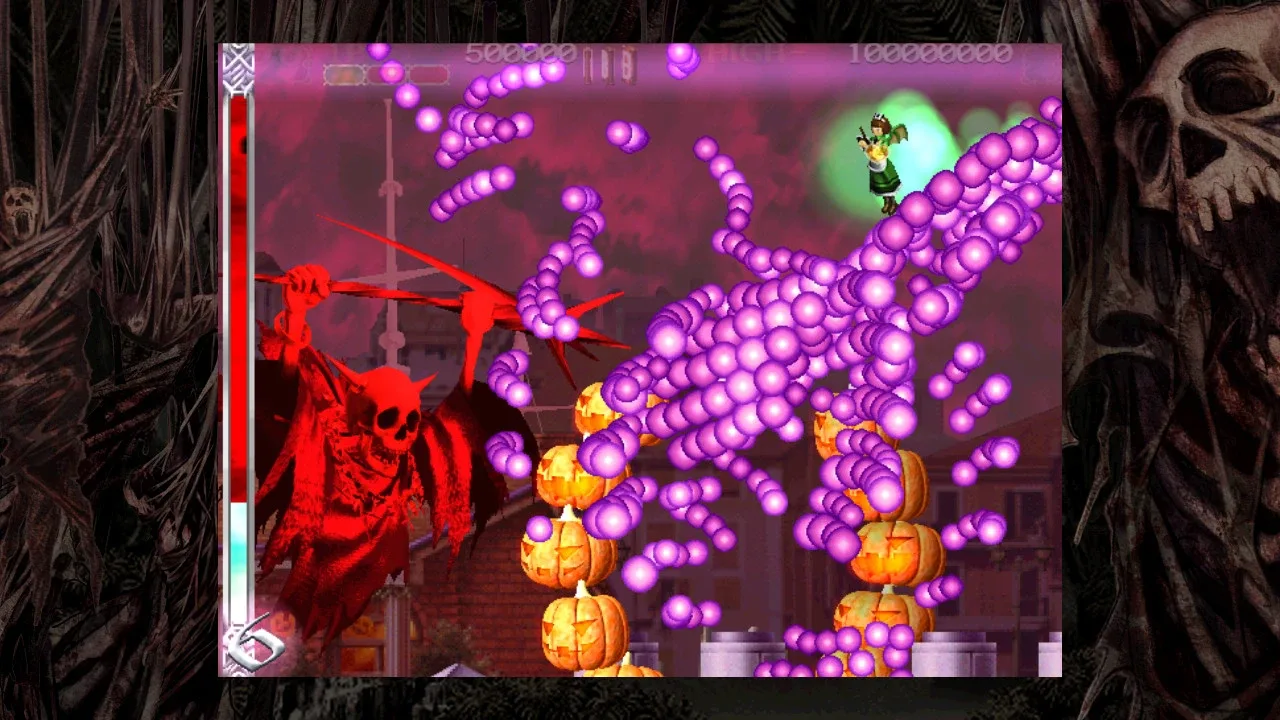
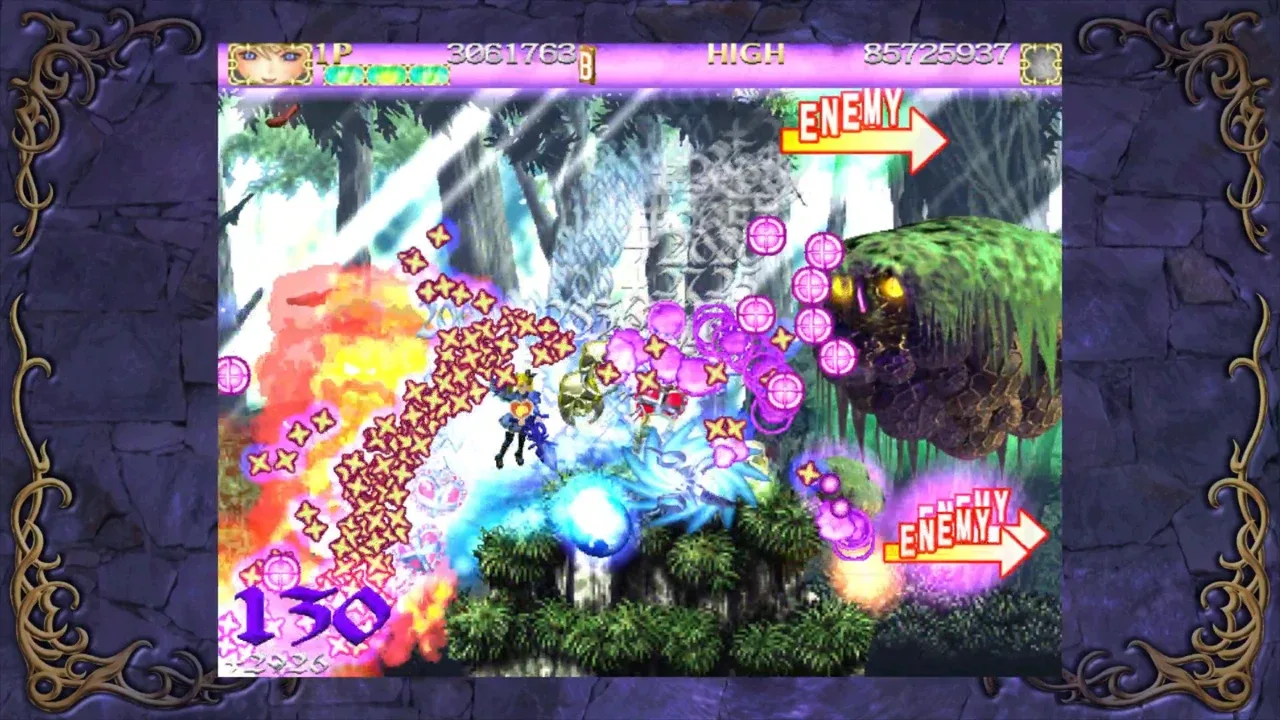
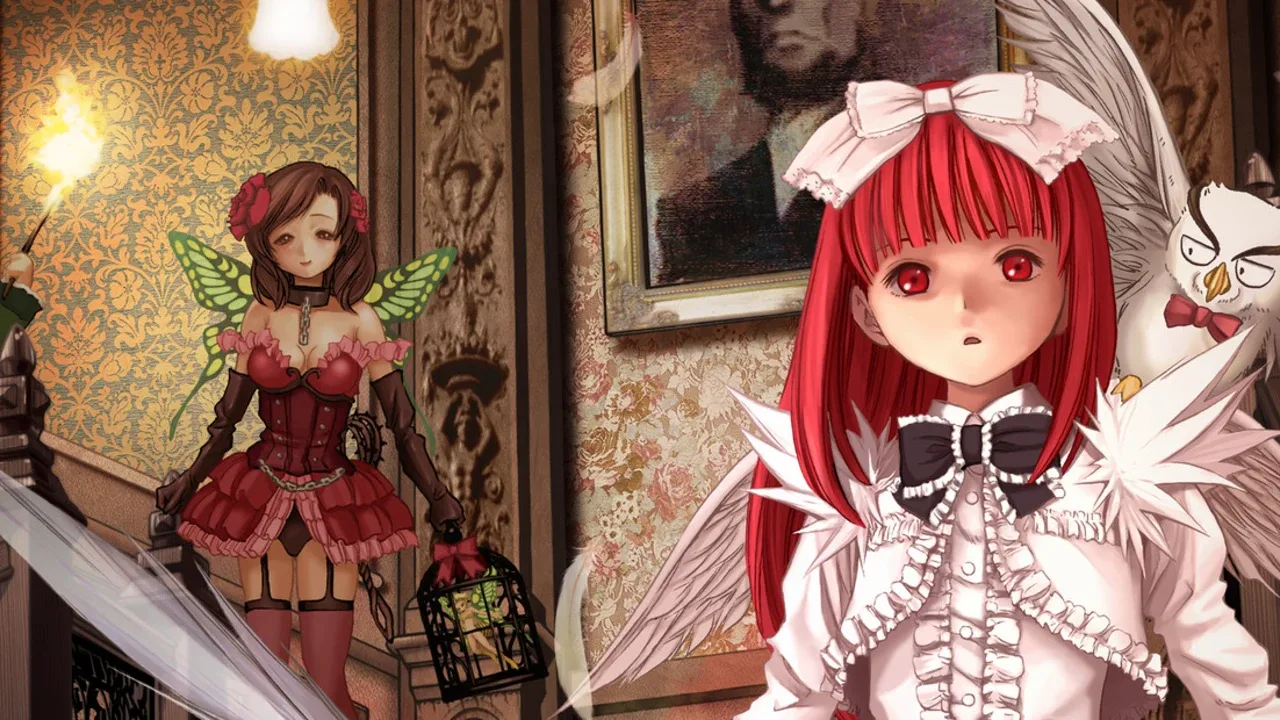
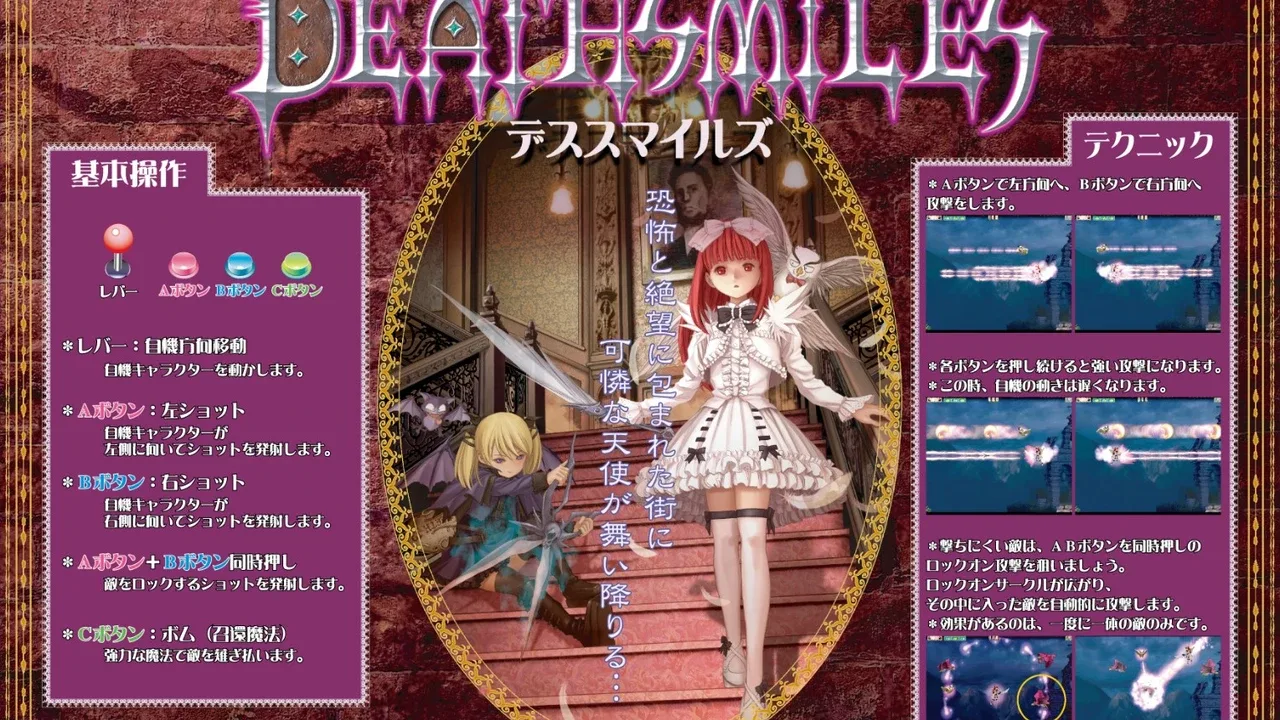
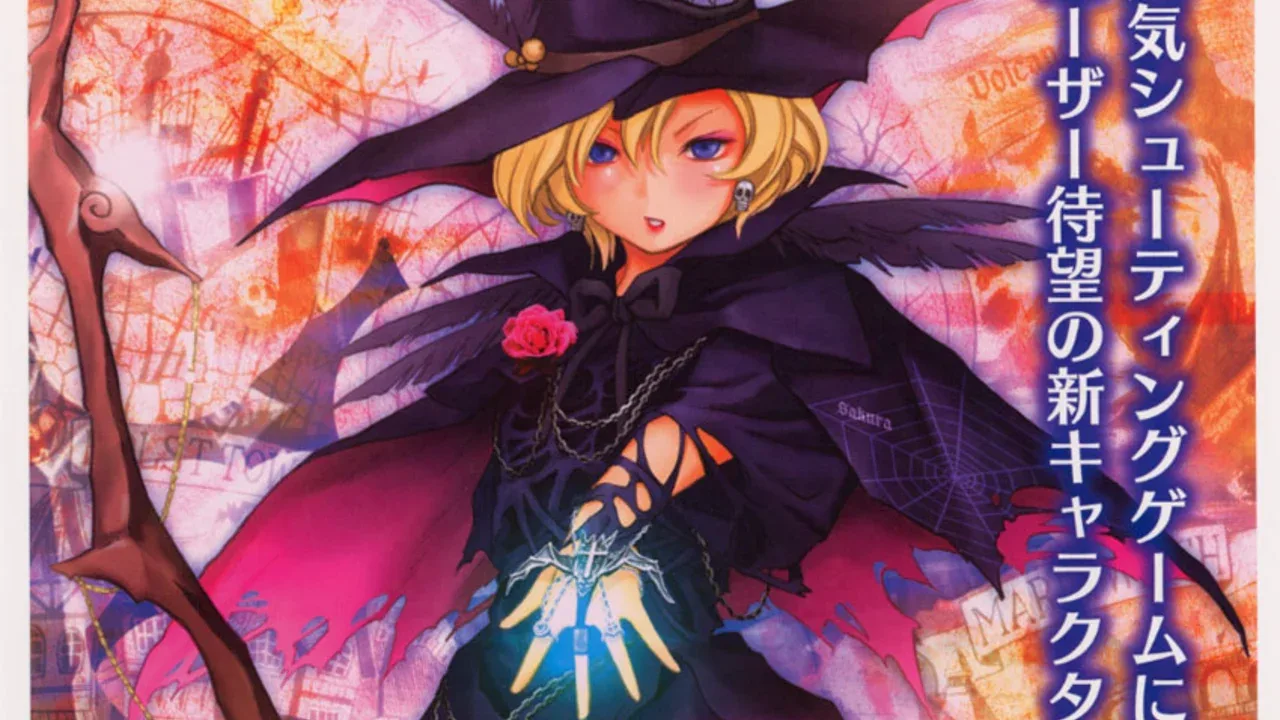
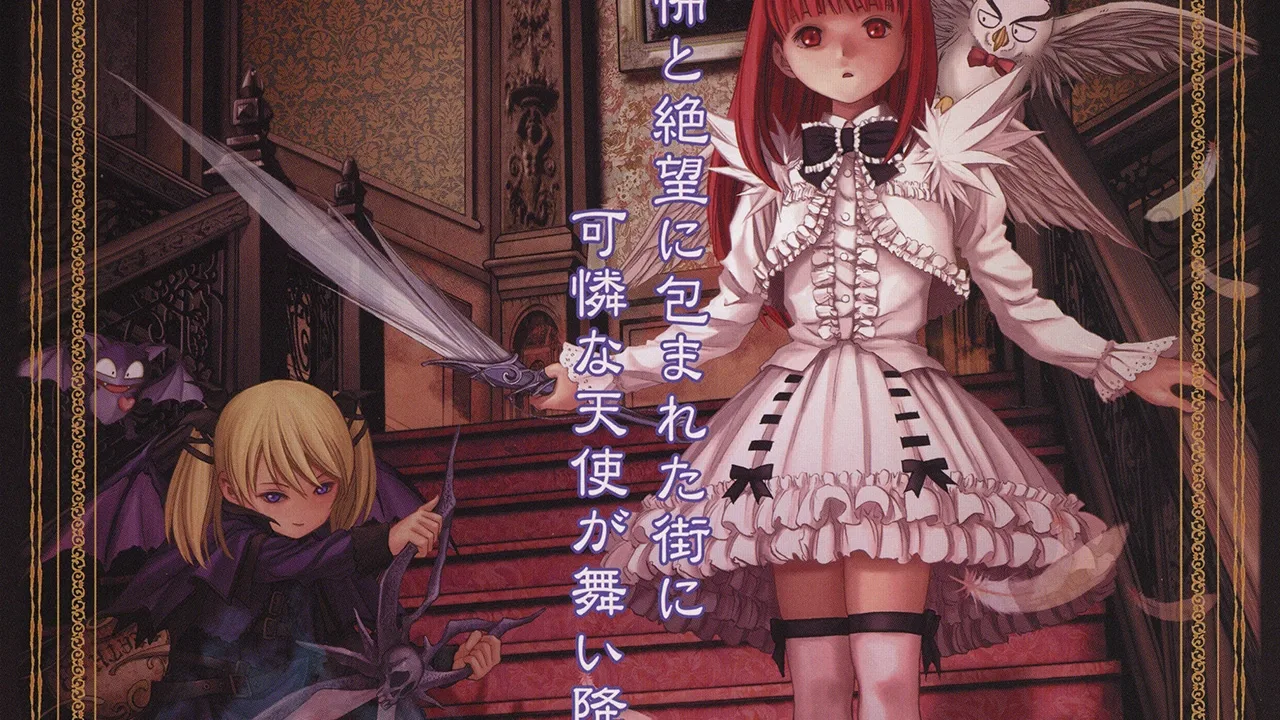
Deathsmiles Enter the world of Gilverado, a kingdom plagued by hideous monsters and tortured souls. Choose from four angels with unique demonic familiars and battle against a storm of enemies pouring out of Hell’s gates! Fight your way out of tight spots as you are surrounded by enemy units and bullets from both sides of the screen. The unique left/right shooting mechanic of Deathsmiles will keep you on your toes as you dodge and weave through complex enemy fire, beautifully crafted by the modern masters of shmups, CAVE. DeathSmiles II X "DeathSmiles" comes back as "DeathSmiles II X"! This time it takes place at Christmas. Angels fight at snowing Gilverado. "DeathSmiles II X" is a sequel to the Horizontal side-scrolling STG "DeathSmiles".
Death Smiles II, the sequel to the hugely popular Death Smiles is coming in May. This is not only a port, but a upgraded version. The graphics are updated to full 16:9 HD splendour. Look at the screen shots, the gothic fantasy world and their fire spitting monsters have never been so beautiful.Besides visuals, we have two more characters, Roza, affiliated with a fairy and Foret who has a dragon. Let's see what stories and their special bullets they have.Meet the new monsters and bosses. The Xbox360 version has two new stages, Meiro - Shiroi yami no naka (Labyrinth - In the White Darkness) and Hairakuen - Mihatenu yume no kuni (Forgotten Paradise - Land of the endless dreams). Fly into them and test your skills against the new bosses Tartarus and the Mad Teddy and Bunny.This is a game everybody can enjoy, like the previous installment, you can choose the difficulty settings according to your own skills.
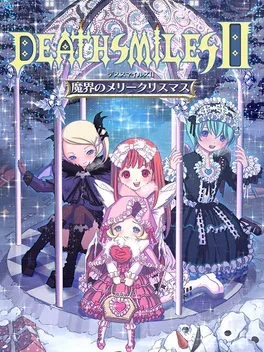
Deathsmiles II: Makai no Merry Christmas is a horizontal side scrolling shoot 'em up arcade game by Japanese developer Cave, released in 2009. It is the third Cave shoot 'em up to be played using a horizontally-oriented monitor (preceded by Progear and the original Deathsmiles). Deathsmiles II is also the first CAVE arcade game to use polygons instead of their traditional sprites for graphics.
Could be interesting
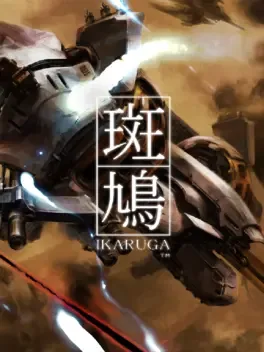
In this vertical scrolling spaceship shooter, you control a ship that can change its polarity at will. As blue/white, the ship can easily destroy red/black enemies, and vice versa. Bullets of your polarity can be collected to fuel your energy gauge, but those opposite will kill you. Destroying an enemy ship causes them to fire revenge bullets which can be absorbed and fired back by the player. Different difficulties exist to change exactly how you interact with polarized points, or how they appear. It is the spiritual successor to Radiant Silvergun, featuring similar level and boss design, as well as it's buddhism inspired themes and aesthetics. Both are directed by Hiroshi Iuchi, who also composed Ikaruga's soundtrack.
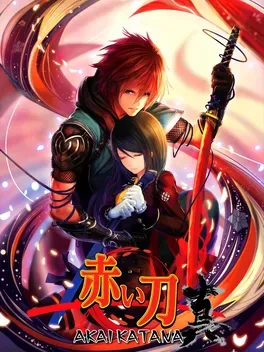
"Akai Katana" is a horizontally scrolling shooter bullet hell developed by Cave and released in Japan on August 20, 2010 for arcades. A port to the Xbox 360 with additional game modes, "Akai Katana Shin", followed on May 26, 2011 in Japan. Rising Star Games published the console release in North America and Europe on May 15, 2012 simply as" Akai Katana".
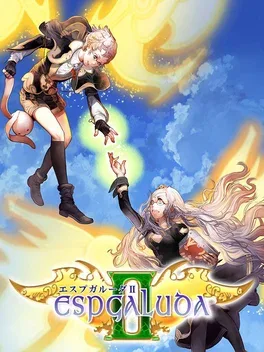
Espgaluda II is a manic shooter originally released by Cave in the arcades in 2005 as a sequel to Espgaluda.
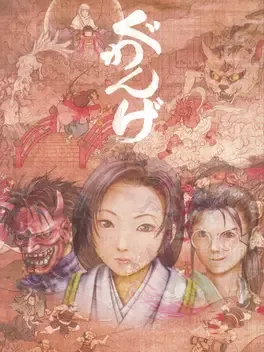
Guwange is 2D vertically scrolling shoot'em up played with a character moving on foot. The game takes place during the Muromachi period in Japan with strong fantasy elements. The shikigami demons possess the people and give them great opportunities, but they die after exactly one year. Three heroes want to get rid of the curse. They must kill the evil deity Guwange, but first they must find five elemental scrolls. The game belongs to the "bullet hell" range of shooters, with lots of bullets on the screen where precise movement and pattern detection is required. The player can choose from three characters, each with a different attack style. They can be moved around the screen and need to shoot enemies and bosses. They have access to basic weapons and special shots, but as the characters move on foot, they cannot shoot enemies on rooftops or freely move around the level when there are structures or obstacles in the way. The player can summon shikigami, increasing firepower. The Xbox 360 version has two additional game modes: Arrange Blue Mode (a more challenging version) and Arrange Xbox 360 mode (small changes in gameplay, for example shikigami is controlled separately with the right analog stick).
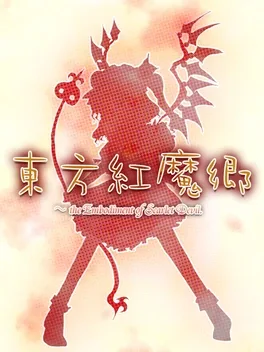
Embodiment of Scarlet Devil features two playable characters to choose from, with two Spell Card types each. Reimu Hakurei can cover a wide area of the screen with weaker attacks, while Marisa Kirisame relies on her speed and power to make up for her thinner attack spread. The bombs show different behavior and damage depending on the character and type chosen. Unlike its predecessor, Mystic Square, Embodiment of Scarlet Devil comes with an "automatic item collection" feature, which allows you to collect all items on the screen by moving to the top of the screen if you are at full power, as well as a counter-bomb system, which allows you to avoid a fatal hit by using a bomb immediately. Though there are six total stages in the main game, playing on Easy will end the game after Stage 5.
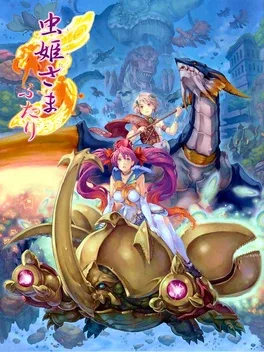
Mushihime-sama Futari is a bullet-hell shoot 'em up where players control one of two insect-themed warriors through relentless waves of enemy fire. The game blends precise dodging with strategic weapon use in a vibrant, high-speed world filled with colorful enemies and bosses. Originally released in arcades, this version delivers the purest form of the game's challenging gameplay, requiring sharp reflexes and pattern recognition to survive its intense bullet patterns. The iOS adaptation, titled Bug Princess 2, brings the same core experience to mobile devices, adapting controls for touchscreens while maintaining the game's signature intensity.
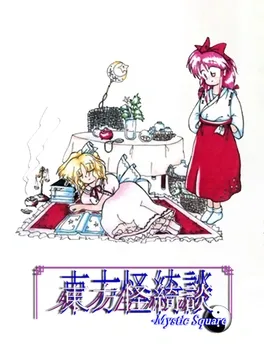
Mystic Square allows the player to select from among four unique protagonists, each hailing from one of the 2 prior danmaku shooting games in the series. Series mainstays Reimu Hakurei and Marisa Kirisame are joined by former enemies Mima and Yuuka Kazami for a journey reaching to the depths of the Makai. Mystic Square also marks the first appearance of Alice Margatroid as an opponent, who later stages a comeback in Perfect Cherry Blossom. Although limited by the PC-98 hardware, Mystic Square is the most refined of the PC-98 Touhou titles, and features gameplay quite similar to Windows Touhou games. It employs a variant of Lotus Land Story's Dream Bonus system, rewarding the player for taking risks (i.e. collecting point items from the top of the field area). Its rank system, however, is more lenient than Lotus Land Story's.
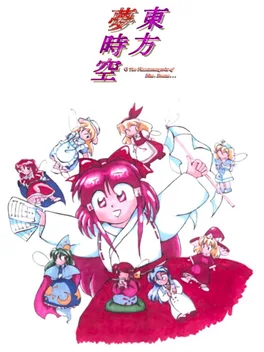
This game is a vertical danmaku shooting game, where two characters engage in danmaku gameplay within individual and separate play areas (aka. split-screen). Upon meeting certain conditions, players are able to unleash a variety of character-specific Spell Attacks upon their opponents in an attempt to whittle down their remaining health points. In Story Mode, the player will face nine opponents, each more capable than the previous. Phantasmagoria of Dim.Dream also features a Match Play Mode where the player may face off against AI opponents or compete against other players, as well as watch AI vs. AI matches.
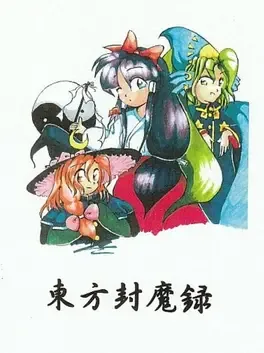
The Story of Eastern Wonderland casts the player as the Shrine Maiden Reimu Hakurei and offers three distinct attack types to choose from: a wide-range type with weak attack power, a mid-range type with moderate attack power and auto-targeting capabilities, and a narrow-range type with high attack power but lowered movement speed. The bombs also exhibit unique behavior depending on the type chosen. As the first danmaku shooting game in the Touhou Project, the Story of Eastern Wonderland introduces many features that are now hallmarks of the series as a whole: relatively small hit boxes, boss characters who are not much larger than the player character however are highly mobile, a power-up system, variable-worth point items, an unlockable Extra Stage, and a semi-complex scoring system. The game also marks the first appearance of Marisa Kirisame, who would become a major character in the series, appearing as often as Reimu Hakurei herself.
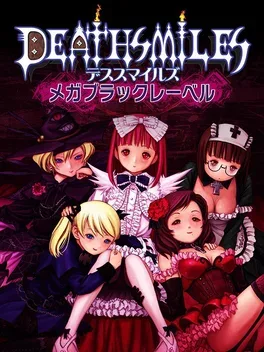
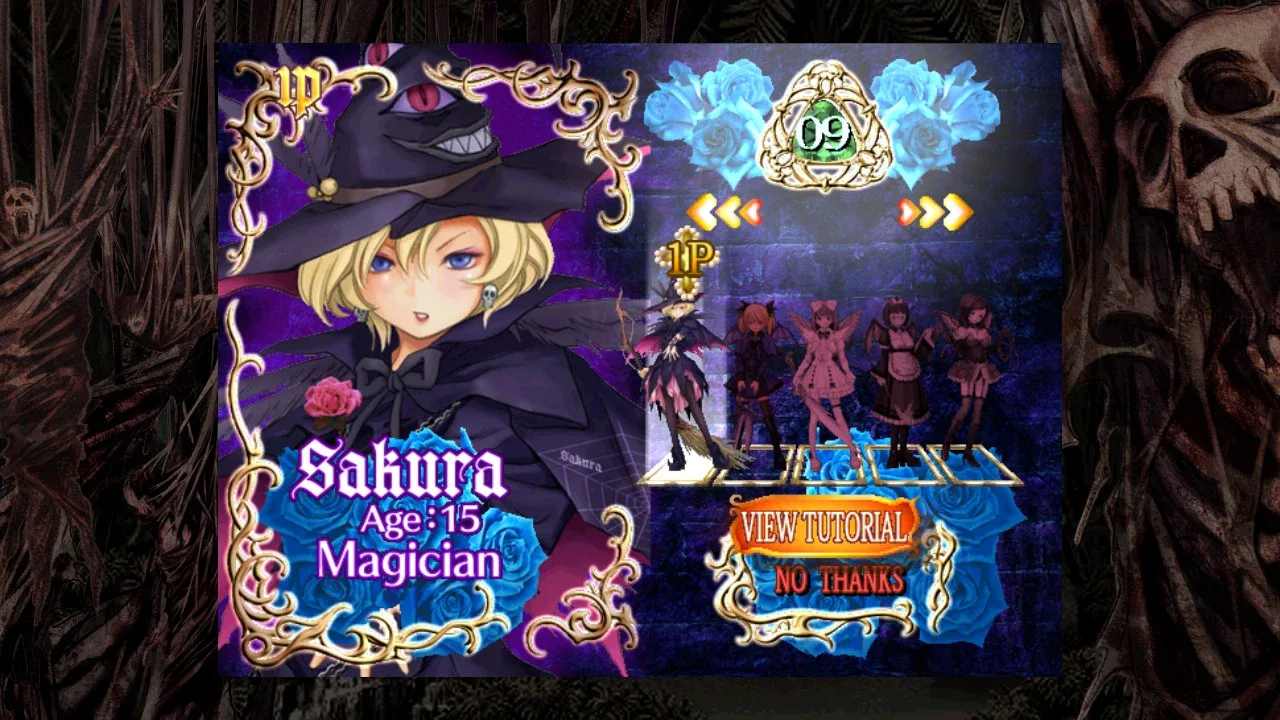
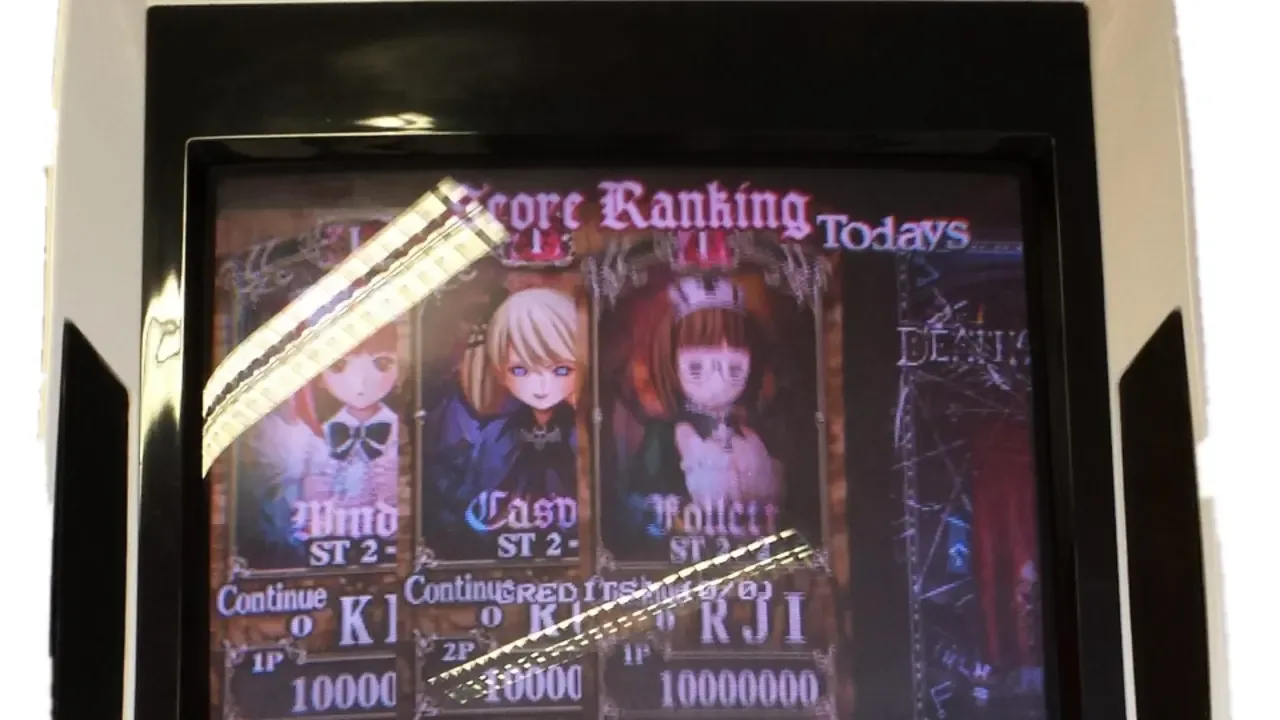
Deathsmiles Mega Black Label is an especial edition of the game released for arcades in Japan. It added Sakura as playable character, as well as the Crystal Shrine stage, and Level 999 difficulty level. There are other scoring changes.