
Dragon Quest III: The Seeds of Salvation


Parent game
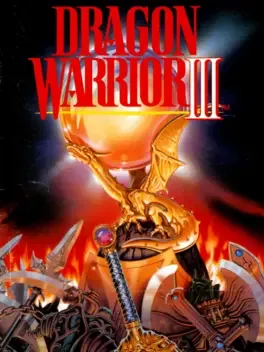
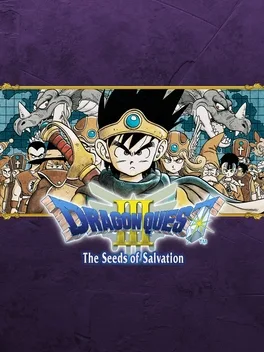
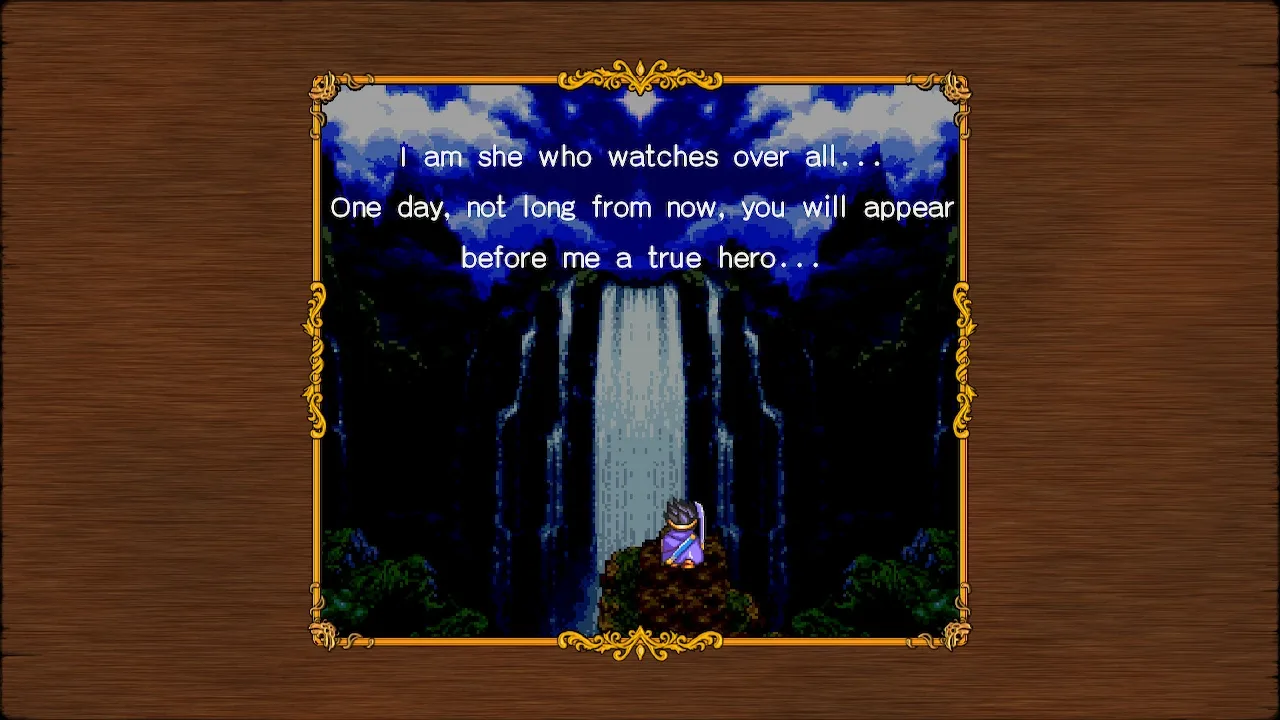
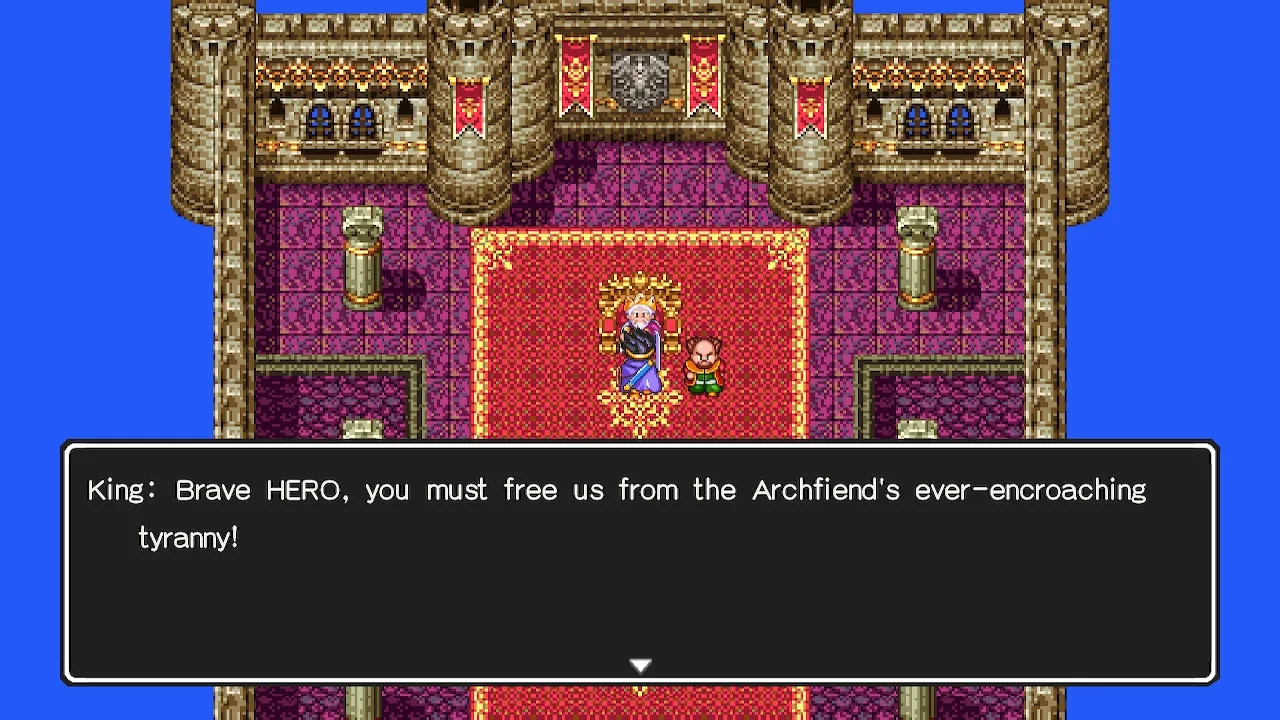
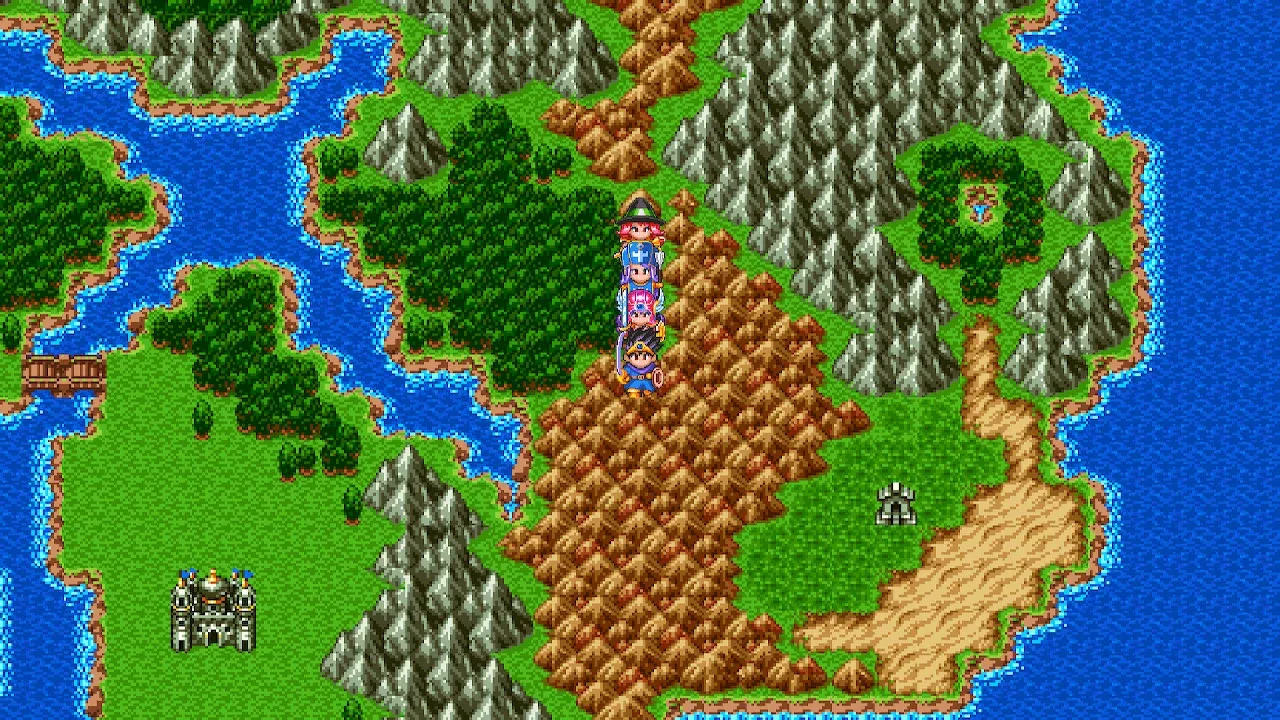
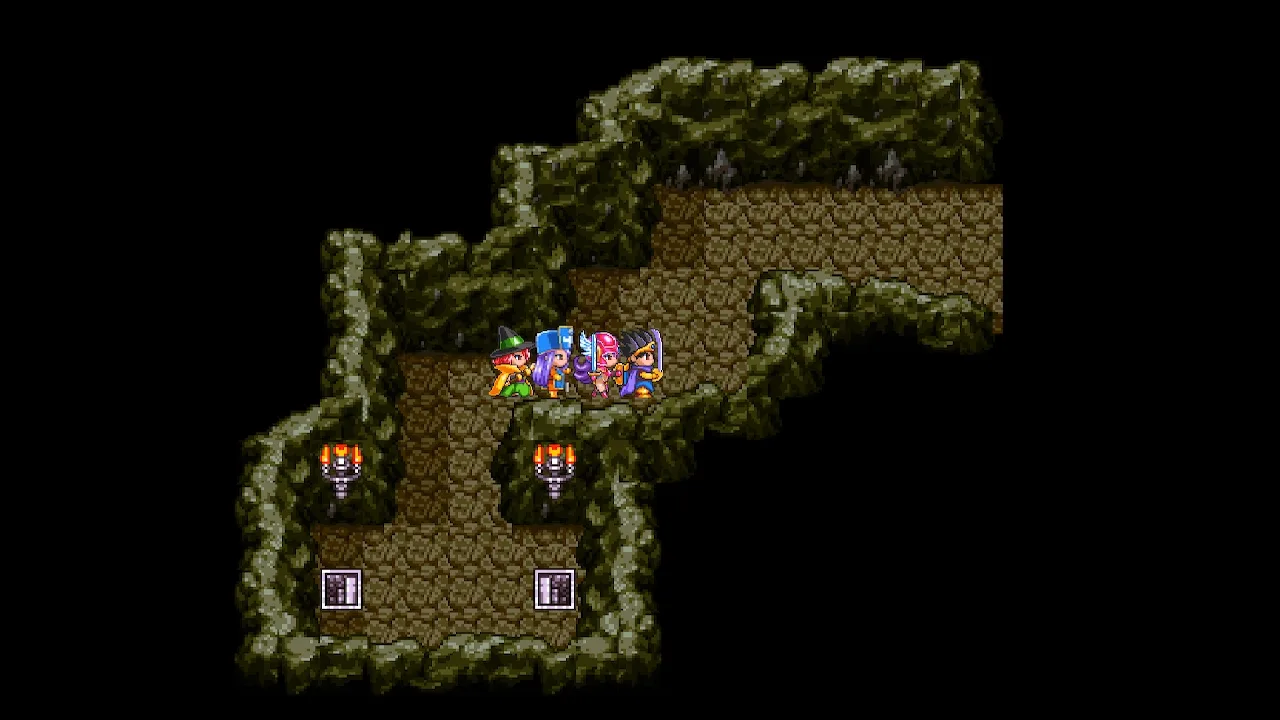
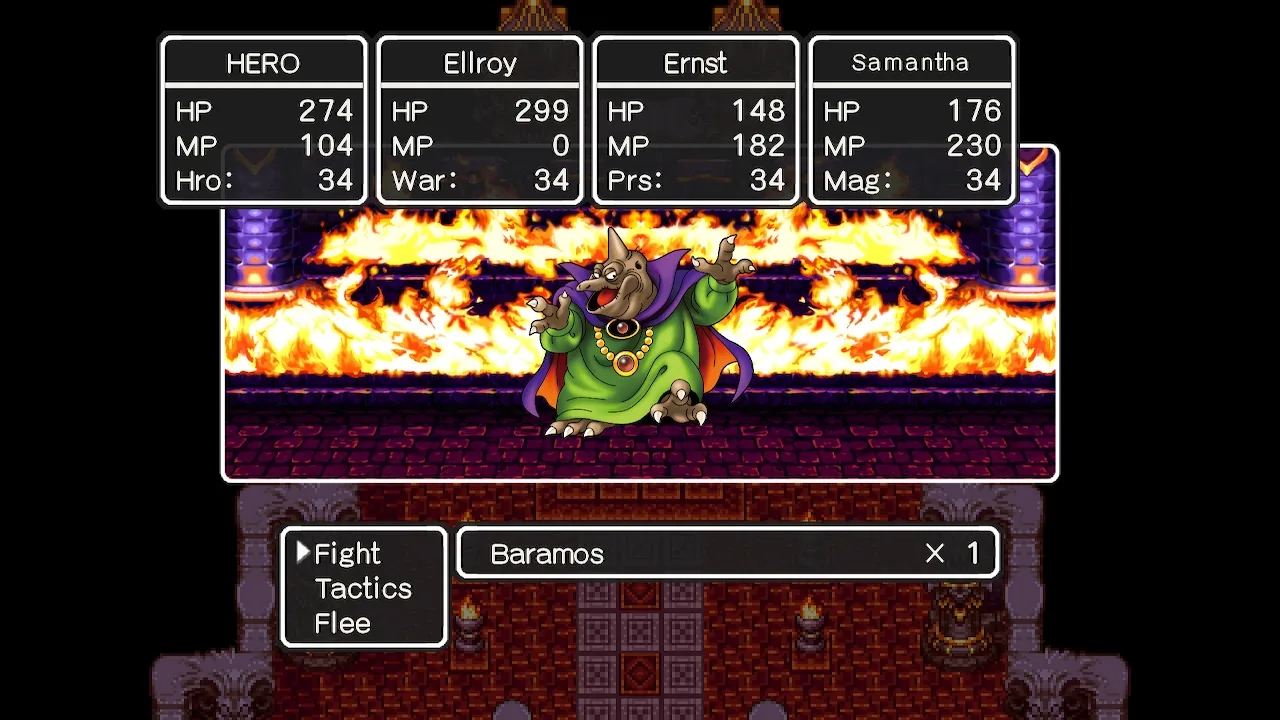
Dragon Warrior III is a top-down role-playing game where you travel around the overworld, caves, castles, cities and other locations while battling random encounters, buying equipment, and talking to people. You and your party members receive experience when they beat up monsters and level up with enough experience, increasing their stats. The game features a day/night cycle - as you travel, day slowly changes to night and vice versa; shops are typically closed at night. You begin with control of just the main character but can quickly recruit three more members to your party. During the game you can choose to drop your current characters and recruit others at any time. The recruitable characters are divided into six classes: soldier, fighter, merchant, goof-off, pilgrim and wizard. The game has a unique job system, giving you the ability to switch your hired characters' classes after they have achieved at least level 20 in their base class. Characters can switch to the other beginning classes, as well as the sage class, which is not available at the beginning. When a character switches classes, they lose all earned experience points, and half of their stats, but retain all the abilities of the previous class. In this way, you can create powerful combination characters that are able to cast spells and fight effectively.
Part of collection:
Dragon Quest
(last 3 games)
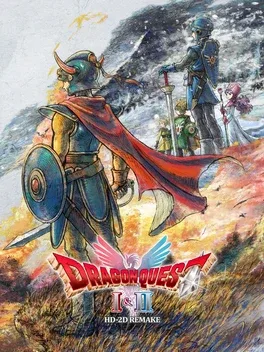
Dragon Quest I & II HD-2D Remake is a stunning reimagination of the first two legendary adventures in The Erdrick Trilogy, brought together in one package.
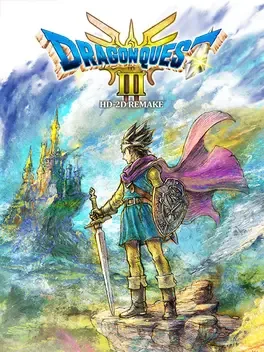
The Dragon Quest III HD-2D Remake is a modernized turn-based JRPG that follows a hero’s quest to defeat the archfiend Baramos. It features updated HD-2D visuals and an orchestral score while maintaining the original's prequel narrative and non-linear world exploration. The core mechanics center on a vocation system for party customization, now including the new Monster Wrangler class. Modern updates like adjustable battle speeds and difficulty settings streamline the traditional experience of leveling characters and managing strategic combat.

This is the sixth major expansion for Dragon Quest X, known as Version 7, which will feature a new story, new characters, a new area called Zenias, and the new master vocation Dragon Mage.
Part of franchise:
Dragon Quest
(last 3 games)
Dragon Quest I & II HD-2D Remake is a stunning reimagination of the first two legendary adventures in The Erdrick Trilogy, brought together in one package.
The Dragon Quest III HD-2D Remake is a modernized turn-based JRPG that follows a hero’s quest to defeat the archfiend Baramos. It features updated HD-2D visuals and an orchestral score while maintaining the original's prequel narrative and non-linear world exploration. The core mechanics center on a vocation system for party customization, now including the new Monster Wrangler class. Modern updates like adjustable battle speeds and difficulty settings streamline the traditional experience of leveling characters and managing strategic combat.
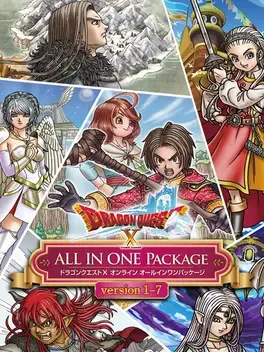
A new all-in-one package including versions 1 to 7 of Dragon Quest X Online.
Could be interesting
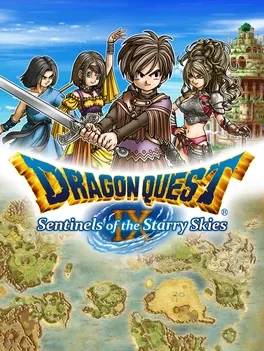
In Dragon Quest IX: Sentinels of the Starry Skies, players begin their adventure as a city guardian who is sent to retrieve a sacred trees fruits, which have the power to grant wishes. Players travel the world, conquer fearsome monsters and unravel an epic storyline. During their journey, players will encounter mighty opponents in fast-paced battles, and also interact with a colorful cast of characters.
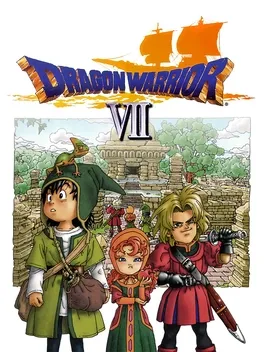
Dragon Quest VII is the seventh installment of the popular Dragon Quest series of role playing games and the first in the series to not be a part of a larger trilogy. It was the first main series Dragon Quest title to be released outside of Japan since the release of Dragon Quest IV: Chapters of the Chosen in North America in 1992, and the last DQ title to be released in North America with the Dragon Warrior name.
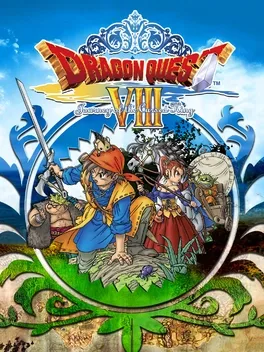
Dragon Quest VIII: Journey of the Cursed King is the eighth installment in the Dragon Quest series, developed by Level-5 and published by Square Enix for the PlayStation 2 video game console. It was also later released for the Nintendo 3DS in 2015. It is a traditional Japanese-style role-playing game with random enemy encounters, simple turn-based combat mechanics, and management of a party consisting of four characters, each belonging to a clearly defined class. Unlike its predecessors in the series and most Japanese RPGs in general, the game features a continuous world with fairly vast landscapes and integrated towns and dungeons, as opposed to world map traveling and locations represented by icons. The game features full camera rotation and optional first-person view. Like in the previous Dragon Quest games, many objects can be interacted with; for example, barrels can be physically lifted, carried, and broken, to reveal items hidden within.
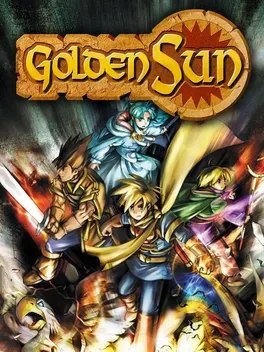
Evil is slowly covering the world. Forces of darkness are pursuing the lost art of Alchemy, and the fate of mankind hangs in the balance. You and your companions, armed with weapons, Psynergy magic, and a host of elemental creatures, must return peace to the world. Golden Sun is an epic role-playing game with an engrossing story, set in a massive world. Gather the elemental Djinn – fire, water, wind and earth – and combine them in unique ways to produce awesome magical effects.
School is out for the summer, but mischievous Luso Clemens must first face detention to make up for his misbehavior. Alone in the library, he stumbles upon an ancient book with magical powers that summons him to the mystical land of Ivalice. Warped into the middle of a battlefield, Luso joins Cid and his clan to set off on an adventurous journey looking for a way home.

Breath of Fire IV is a single-player game that continues the story with these "dragon people," who gave their lives to eradicate the evil goddess and restore peace in their world. This time around, battle has broken out between two powerful continents, and the fair Princess Elena has disappeared during a tour of the war-torn region. The princess's sister, Nina, who reigns o'er the Windia Kingdom, vows to retrieve her missing sibling. She meets Ryu along the way, who joins the epic quest

Pokémon Gold, along with Pokémon Silver, are the sequels to Pokémon Red and Blue. They offer 100 new Pokémon to capture and train, 8 more Gyms to take on and a new Pokémon League challenge. Featuring an expanded post-game, Pokémon Gold and Silver additionally offer extra content from the previous entries in the series.
The story of Golden Sun: The Lost Age picks up right near the end of the first game. Golden Sun veterans will be surprised to learn that The Lost Age is played from the point of view of the party being chased as they try to light the remaining two lighthouses, which will unlock the power of alchemy for the world--or will it instead unlock the world's destruction? * LAN PVP mode via GBA Game Link Cable
While incorporating action role-playing game elements from the three games which preceded it, Legend of Mana has its own distinct style of gameplay. Most notably, it gives the player the ability to shape the game's world of Fa'Diel according to his or her desires, a system which was incorporated through the use of "artifacts," which are gained as the player progresses through the game. The player uses the artifacts to create different towns, dungeons, etc., called "Lands", to venture to and explore. This creates a non-linear gameplay, since the game is driven by a series of what would be considered side-quests in other games. Legend of Mana features three different plots which can occur simultaneously, and which do not necessarily need to be completed for the player to finish the game. Legend of Mana was a financial success in Japan. While the game garnered considerable praise for its graphics and presentation, many critics and fans were turned off by the game's lack of a main storyline.
Final Fantasy II is the second installment in the Final Fantasy series, developed and published by Squaresoft. It was directed by Hironobu Sakaguchi, with Yoshitaka Amano designing the characters and Nobuo Uematsu composing the score. It was notable for being one of the first story-intensive RPGs released for console systems, and introducing many series staples, including chocobos and a character named Cid. Its story is unrelated to the original FINAL FANTASY, and its gameplay is a major departure from the previous title for eliminating the traditional experience-based progression system.