
Famicom Mukashibanashi: Shin Onigashima - Zengohen


Buy
Parent game
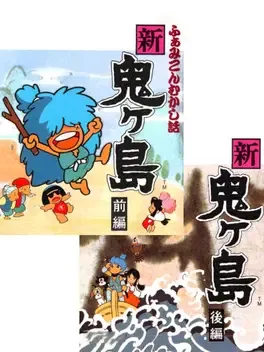
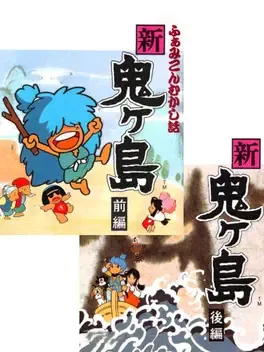
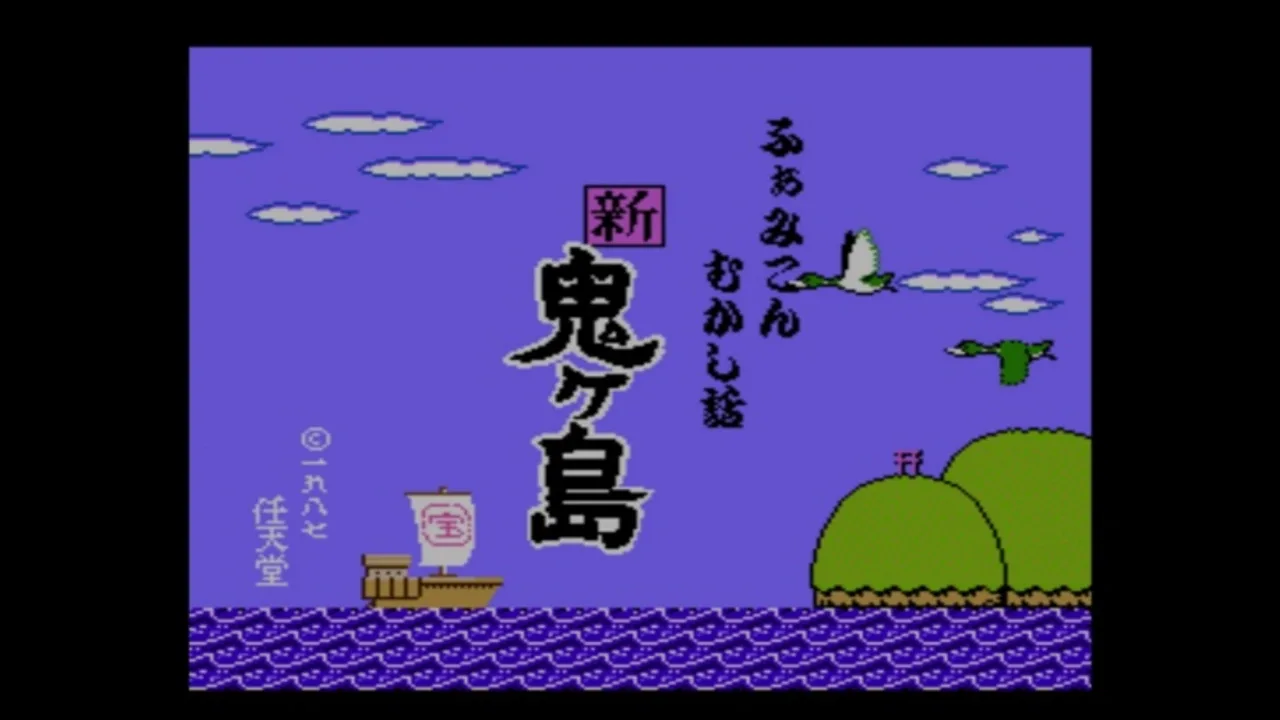
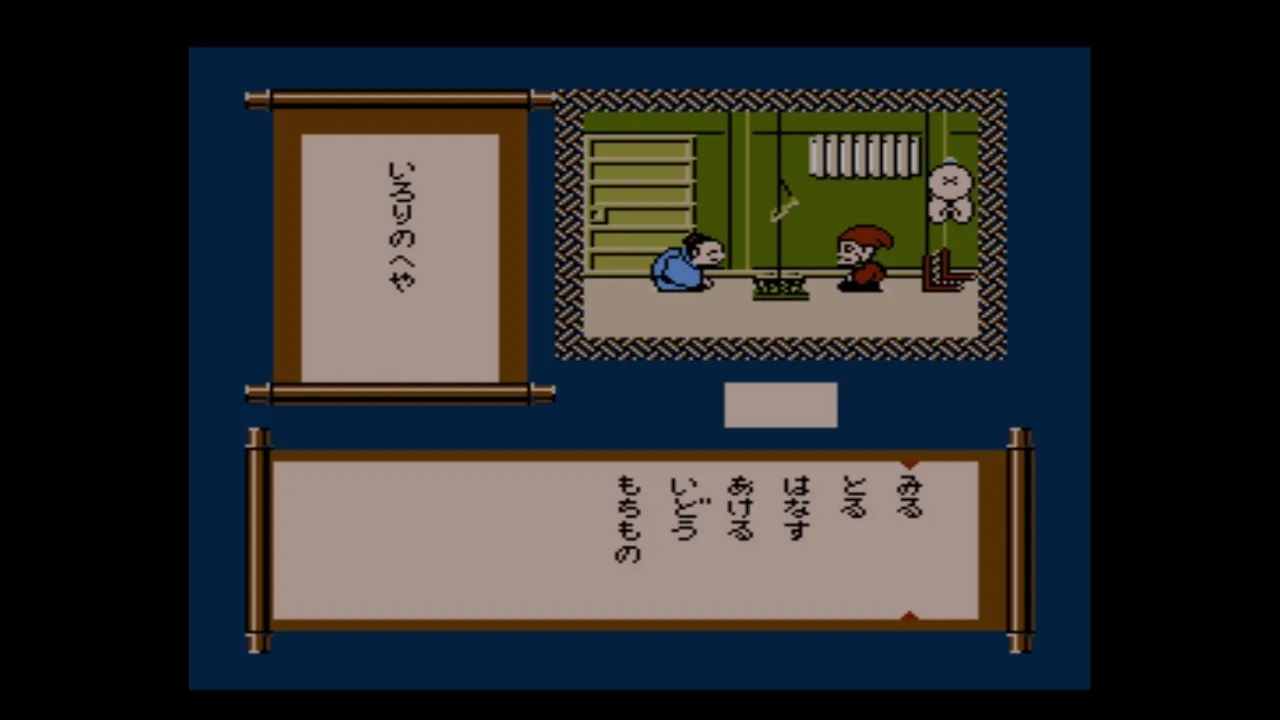
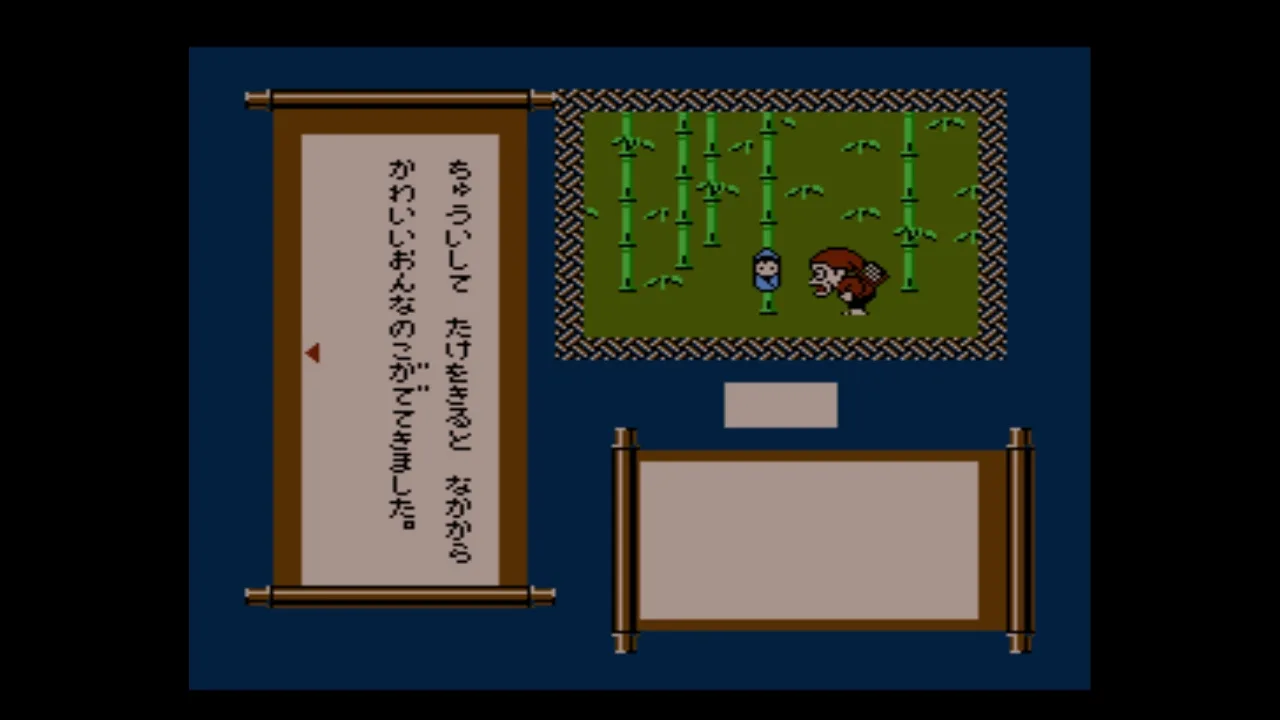
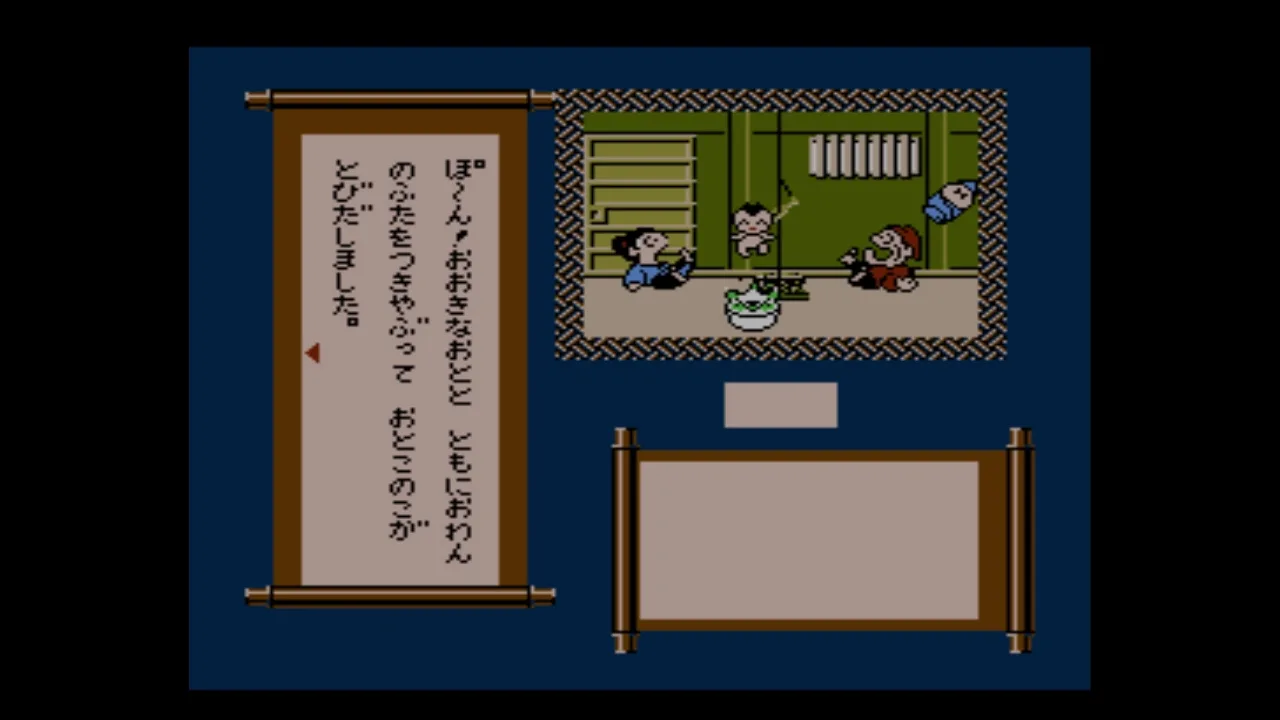
Famicom Mukashibanashi: Shin Onigashima is a Famicom Disk System text adventure game. The plot revolves around an elderly couple with no children who adopt an infant boy and girl. When the children turn six, a dragon appears in the country, and starts turning people into Oni who steal the souls of others. The Oni arrive at their home and steal the elderly couple's souls. The children decide to save their adoptive parents. The game is controlled by selecting commands such as the "Change Character" command, which allows you to switch between controlling Donbe (the boy) and Hikari (the girl). The game progress is shown by changes in the in-game graphics. The Famicom Disk System version comes on two disks released on different dates. Disk 2 cannot be played without completing Disk 1, and is switched while the system is still powered on. All later releases are switch-free.
Part of collection:
Famicom Mukashibanashi
(last 3 games)
Famicom Mukashi Banashi: Shin Onigashima - Zengohen (Famicom Fairytales: New Island of Ogres - Part 1+2) is a game that ports both Part 1 (Zenpen) and Part 2 (Kouhen) games from the original Famicom Disk System releases to be played as a complete game. This version was first released on the Wii Virtual Console, but the first time that both parts were ported together was in the Famicom Mini Series for the Game Boy Advance.
The fourth and final episode of BS Shin Onigashima. BS Shin Onigashima is a Downloadable 4-part Soundlink game for the Satellaview that was broadcast in at least 2 distinct runs between September 29, 1996 and January 31, 1996. The game was popular and won its December 1997 rebroadcast through the votes of players in the Third Player's Choice competition. The game came in second (in terms of votes) to BS SimCity: Machi Tsukuri Taikai and so it was broadcast second as a 4-day broadcast. BS Shin Onigashima was a remake sequel to the earlier Shin Onigashima, a game that was released for the Famicom Disk System in September of 1987. The major difference between the two games relate to the SoundLink elements that were introduced for the Satellaview broadcasts. BS Shin Onigashima was later re-made in December 1997 as the commercial release, Heisei Shin Onigashima, for the Nintendo Power system. This was later followed-up by the May 1998 Super Famicom cartridge release of the same name.
The third episode of BS Shin Onigashima. BS Shin Onigashima is a Downloadable 4-part Soundlink game for the Satellaview that was broadcast in at least 2 distinct runs between September 29, 1996 and January 31, 1996. The game was popular and won its December 1997 rebroadcast through the votes of players in the Third Player's Choice competition. The game came in second (in terms of votes) to BS SimCity: Machi Tsukuri Taikai and so it was broadcast second as a 4-day broadcast. BS Shin Onigashima was a remake sequel to the earlier Shin Onigashima, a game that was released for the Famicom Disk System in September of 1987. The major difference between the two games relate to the SoundLink elements that were introduced for the Satellaview broadcasts. BS Shin Onigashima was later re-made in December 1997 as the commercial release, Heisei Shin Onigashima, for the Nintendo Power system. This was later followed-up by the May 1998 Super Famicom cartridge release of the same name.
Could be interesting
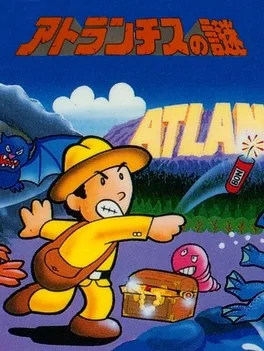
Atlantis no Nazo is a side-scrolling platform video game developed and published by Sunsoft and released for the Family Computer in 1986. The game is set in the mythical land of Atlantis. The player controls an amateur adventurer named Wynn, whose objective is to save his master being held captive in the final level.
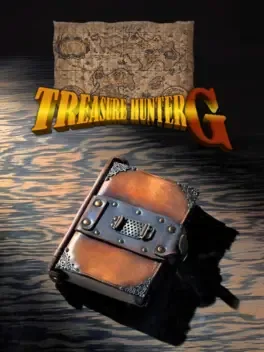
Brothers Red and Blue G. decide to leave their idyllic village in search of their long lost father, who left the kids years ago to go treasure hunting. Unfortunately, as soon as they begin their quest, they become entangled with a mysterious girl on the run from evil monsters who holds the key to the resurrection of a great demon. Now its up to the brothers to save the world if they ever want to find their father. Treasure Hunter G is a top-down RPG in which you control your party of four characters as they explore the fantasy/sci-fi game world in search for quests and grinding their stats while the plot advances. The game is divided in a world-map screen, a top-down "town" mode and a turn-based fight mode in which the characters are taken to generic tiled top-down arenas in which they select each character and move or attack depending on their action points. Enemies can be seen on the map instead of jumping at you at random intervals, and you can freely decide whether to engage them or simply circle them around. The game uses a combination of hand-drawn sprites and CGI pre-rendered one (mostly for the main characters) with a distinct cute or Super Deformed design (as usual for most console RPGs).
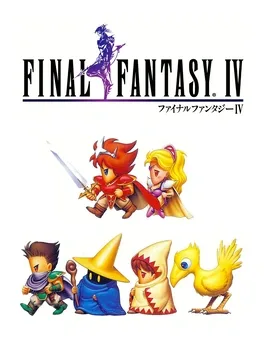
FINAL FANTASY IV is the fourth main installment in the FINAL FANTASY series, developed and published by Squaresoft. It was released in July 1991 for the Super Nintendo Entertainment System in Japan, and released as FINAL FANTASY II in North America in October 1991 with alterations made due to Nintendo of America's guidelines at the time.
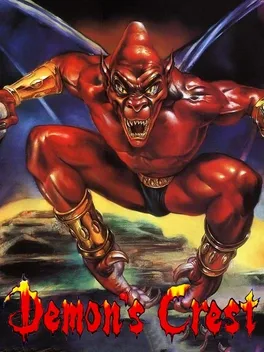
This is the third game featuring Firebrand from the Gargoyle's Quest series. It is side a scrolling platformer.
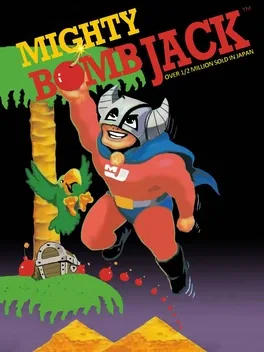
A platform game where the main character travels throughout various levels collecting bombs. The hero of the game, Jack, must make his way through 16 levels of a pyramid in order to defeat the demon Belzebut and rescue the royal Pamera family.Each level is split into two parts an action zone and a Royal Palace room. The mechanics and level designs of the Royal Palace rooms are directly lifted from the games prequel, Bomb Jack. Action zones can be split up into several portions, and contain power-ups usually hidden in treasure chests such as money bags, Mighty Coins and Mighty Drinks. Mighty Coins allow Jack to change colors blue allows Jack to open orange treasure chests, orange allows him to open any treasure chest by simply touching it from the side, and green transforms all enemies on the screen into coins for 5 seconds. Mighty Drinks add 10 seconds to the games timer. Secret passages can also be found in the action zones, activated by finding a Sphinx in a visible or hidden treasure chest.To prevent the player from becoming too greedy, the game automatically sends the player to a Torture Room if they obtain more than 9 Mighty Coins or 99 seconds on the games timer. The only way to escape a Torture Room without losing a life is to complete a number of jumps, which are counted down on the screen. Once the player exits the torture room, Jack automatically loses all Mighty Coins, the timer is reset to 60 seconds, and the game recommences from the beginning of the current level.A Royal Palace room NES version.A Vs. Series version of the game was released in 1986 for the Japanese market not to be confused with the original dedicated arcade version. Differences between the original and vs. series versions include adding a two-player mode, changing the locations of some secret passages and removing a warp trick in the Royal Palace rooms. In the NES version, Jack could warp forward to the next Royal Palace room if he touched the first lit bomb in the current room after the other 23 bombs were collected however, if Jack died in the warping process, he would be sent back to the beginning of the level from which the trick commenced.Mighty Bomb Jack also had a guest appearance on Tecmo Super Bowl, during the halftime show in the Super Bowl
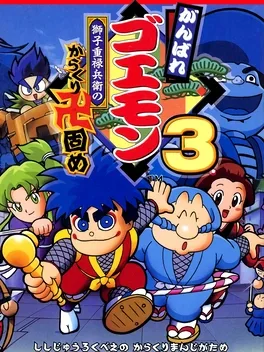
Third title in the Ganbare Goemon series of platform/adventure games which cast you as the heroic Goemon as he attempts to save feudal Japan from all sorts of wacky evildoers. This time around, a time-travelling machine threatens all of Japan and thus Goemon and co. must jump into the future to stop the machine. The game alternates between a top-down world map view in which your characters explore the gameworld and side-scrolling stages in which the main action lies. As in most games of the series there are also loads of mini-games and unique gameplay sequences such as maneuvering Goemon's giant mecha. The game continues the tradition of bizarre humor unique to the series, you can play as either Goemon or any of his 3 companions, Ebisumaru, Sasuke or Yae with each sporting unique weapons and abilities and also with their own dialogue options and cutscenes, which feature sitcom-like pre-recorded laughs for added wackiness.
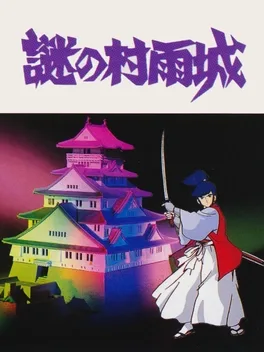
Restore peace to a land that has been overridden by evil! One stormy night in feudal Japan, a mysterious force begins to take control over Murasame Castle and its lands. Each lord in four neighboring castles has taken possession of a dark sphere of power, allowing them to summon ninja armies and monsters that wreak havoc in the villages. Takamaru, a brave and young samurai apprentice, has been sent to investigate. He must infiltrate all four castles and defeat the lords before making his way to Murasame Castle. Use sword and shuriken attacks against the swarms of enemies, and unlock the secret behind the source of evil. The game was at first released exclusively for the Famicom in Japan, but it would come to the rest of the world for the first time in 2013 as part of the 3DS virtual console, as well as for Nintendo Switch Online in 2023.
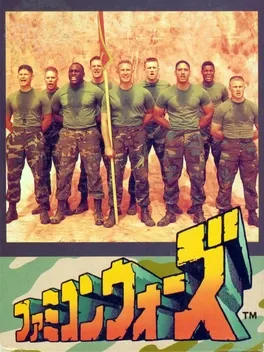
Famicom Wars is a Japanese-only video game for the Famicom (the Japanese name for the NES). It was designed by Nintendo R&D1 and programmed by Intelligent Systems and published by Nintendo. It spawned many sequels, five of which were released in America. It is the first game in the Nintendo Wars series. The gameplay can be compared to games in the Fire Emblem series, as both are in the turn based strategy genre, and both have been developed and published by the same companies (the Famicom Wars series was released first, however).
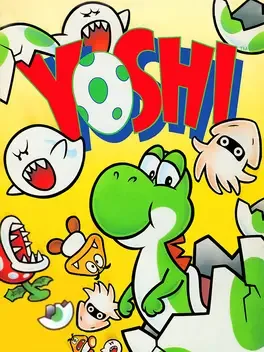
Yoshi is a puzzle game featuring the titular character. In this game, the player must stack two of the same Mario enemy on top of one another to clear them. The concept of the game was inspired by Tetris.

The original Japanese version of EarthBound Beginnings, released only in Japan for the Famicom, had some gameplay, story and level layout differences from the later Western port. This original version was never released outside of Japan.