
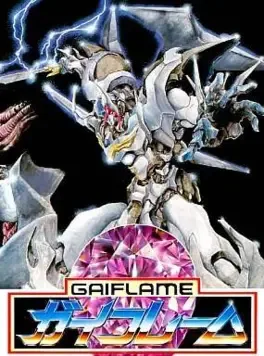
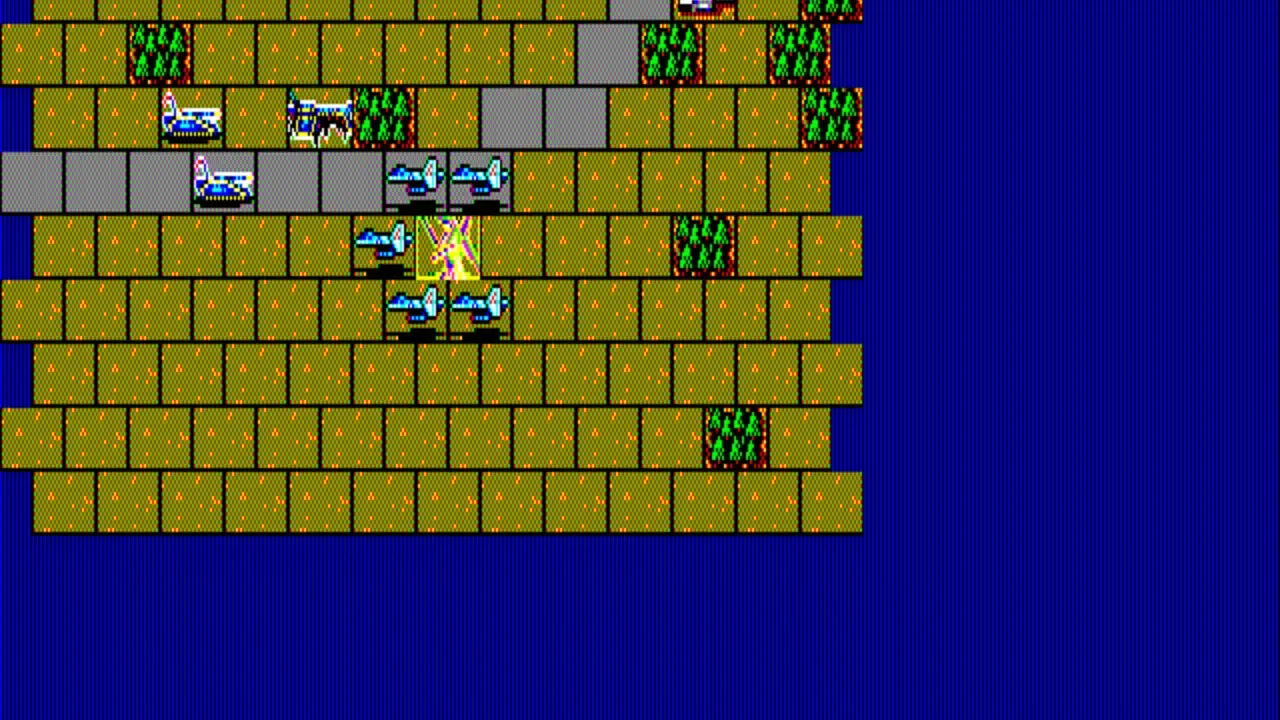
Gaiflame

Buy
Could be interesting

In a fantasy world inspired by Indian folklore, the end of mankind draws nigh. Can you break the cycle before humanity is doomed? Up to four separate scenarios are available for players to enjoy, with a magic system that gives the player total creativity in combat!
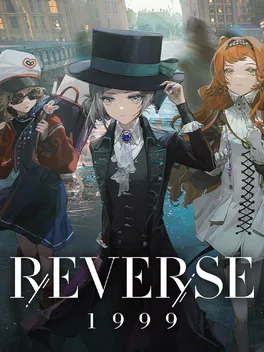
Reverse: 1999 sets in the retro style world in the west. The story is interesting: on the last day of 1999, humanity was brought into a new age – the 1920s, by a strange storm. In the new world, surprisingly, some talented people have a kind of ability called Arcanum, and some of them become Arcanists. You will explore and try to discover the secrets in the new world. Now you must find out what to do and save some people along the way. It’s a fantastic card-based game in which you’ll learn a lot of new stuff that RPG fans will undoubtedly enjoy.
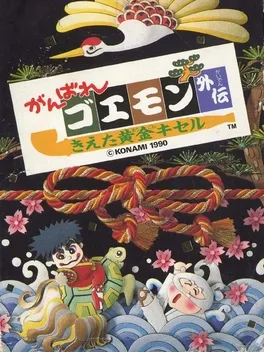
Ganbare Goemon Gaiden: Kieta Ougon Kiseru is a Role-Playing game, developed and published by Konami, which was released in Japan in 1990.
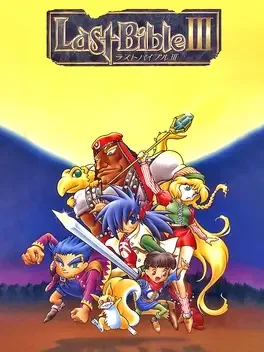
Last Bible III is the final entry in the Last Bible trilogy. Unlike the first two games, this game was not released on a portable system. The game follows Ciel, a boy who leaves his home town to travel to go on a journey.
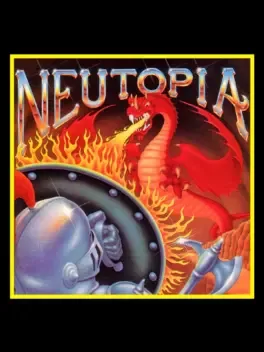
Neutopia is an overhead action-adventure video game developed by Hudson Soft. It was released by Hudson for the PC Engine in Japan on November 17, 1989. It was then released by NEC for the TurboGrafx-16 in North America in 1990. It was re-released for the Virtual Console service worldwide for the Wii in 2007 and in Japan for the Wii U on April 16, 2014; it was re-released for the PlayStation Network in Japan in 2010 and in North America in 2011. The game takes place in the land of Neutopia, where the evil demon Dirth has captured Princess Aurora and has stolen the eight ancient medallions which contain the wisdom and power necessary to maintain peace and prosperity throughout the land. It is up to the protagonist Jazeta to retrieve the eight medallions, defeat Dirth, rescue Princess Aurora, and save the land and its people. Neutopia is widely regarded as a clone of the popular Nintendo game The Legend of Zelda in nearly every aspect. Many reviewers have praised the game for making noticeable improvements over Zelda, but various shortcomings – which include long passwords, repetitive gameplay, and poor collision detection – prevent the game from being superior over the 1987 Nintendo title. But overall, reviewers have called Neutopia one of the better video games of its type and one of the better titles in the TurboGrafx-16 library
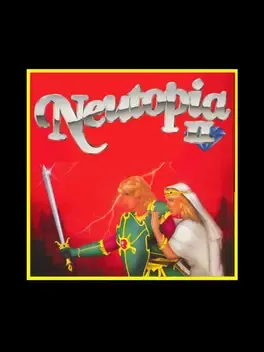
Jazeta brought peace back to the land. But as long as evil and fear live in the human heart, the dreaded Dirth, Emperor of Darkness, will be plotting his return. The Emperor is stirring under the peaceful surface of Neutopia, bringing suffering to its people. Who will save them? Jazeta, the hero, is lost in a labyrinth in a foreign land. Can his son withstand the powers of the Emperor of Darkness to rescue the good people of Neutopia from fear and despair?
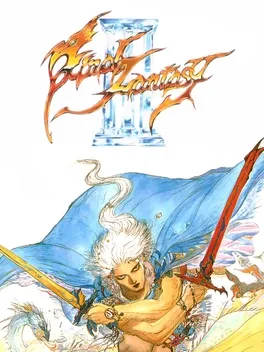
Final Fantasy III is the third FF game for the Famicom. The turn-based battle engine has been improved: if the enemy is defeated, the next character will automatically switch to another enemy, and not hit the air, like in the previous two games. The game itself is, like the previous games, a top-down RPG where your characters travel in the overworld, sometimes entering cities and dungeons to buy equipment, rest and fight random encounters and bosses with turn-based combat. Final Fantasy III also introduces various series staples, such as the Job system and the Moogle species.
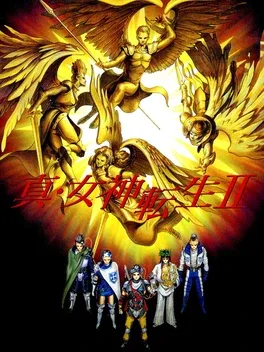
Fifty years have passed since the hero of Shin Megami Tensei followed the neutral path, defeated the leaders of Law and Chaos, and founded a state where followers of both ideologies could live freely. But his reign of freedom doesn't last long. The Messian faith gains power, expanding the Cathedral into a new enclosed environment named Tokyo Millennium. The Gaians rise up, but their rebellion is repressed by the Messians' elite warrior class, the Temple Knights. People flock into the encapsulated city, submitting themselves to the strict hierarchy imposed by the Messian Center, where only the privileged living in the Center district are safe from demonic assaults. A few years later, a retired arena fighter Okamoto rescues a man named Hawk, who was fighting for his life against a demon. He trains him to fight in the arena of the Valhalla district, hoping that he would win the tournament, which will grant them both citizenship in the Center district. When Hawk succeeds, he is brought before a Messian bishop, and learns the shocking truth about his own origins and the role he is supposed to play in the grand scheme of events. A new battle for a better future begins. Shin Megami Tensei II retains all the gameplay features of the previous game. The player is able to summon demons, fuse them to create more powerful ones, make them participate in battles, talk to random enemies and receive information from them, etc. The combat is turn-based, and the player explores the complex, maze-like dungeons from a first-person perspective view. Like in the first game, the Law, Chaos, and Neutral alignments play an important role: during the course of the game, the player will have to make choices that influence the alignment of the protagonist, steering the storyline into different directions. New features include a "magic succession" system, which allows demons to carry over their original magic spells when they are fused into new ones, a few additional spells and abilities, and the possibility to play at the casino and win unique items.
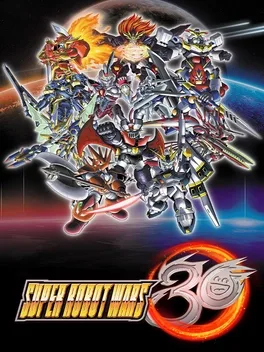
30 years on, the battle for our world's future continues. Super Robot Wars is a tactical RPG that brings characters and robots from a variety of mecha anime together to battle their mutual foes.
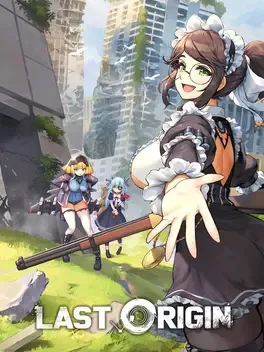
Last Origin is a strategy RPG mobile game with hero collecting mechanics standard to most games of its kind. The player takes the role of a newbie commander who is, as far as we know, the last remaining human being in a post-apocalyptic world ravaged by alien parasites known as Iron Worms.