
Gradius


Buy
Parent game
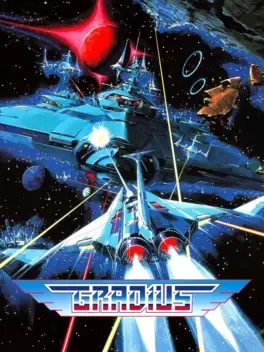
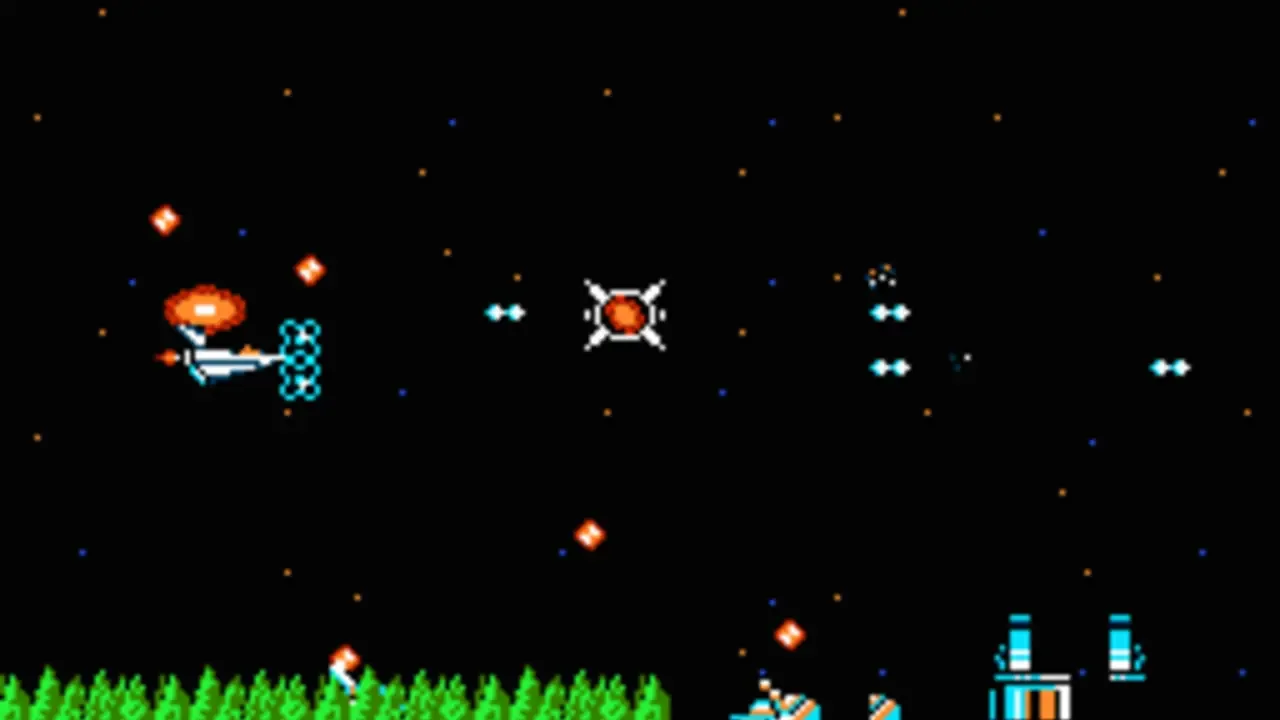
One of the defining characteristics of the Gradius series is the use of a "power meter." The power meter is powered by a power-up item, whose purpose, when collected, is to move a highlight to the next power-up on the power meter. When a power-up that the player wants becomes highlighted, he or she may activate it, also causing the highlight to reset.
Part of collection:
Gradius
(last 3 games)

Otomedius Excellent is an Xbox 360 game and the sequel to the 2007 arcade game Otomedius by Konami, which is a spin-off of the side-shooting game Gradius series. It was released in March 2011 in Japan and early November of 2011. Otomedius Excellent features a single player campaign with a new story, and a Multiplay mode in which 2 other players can play in. Players with an Xbox Live subscription can play online with other players in Score Attack mode and check their scores against other players on the Leaderboard. Alternate costumes and new stages were made available after release.
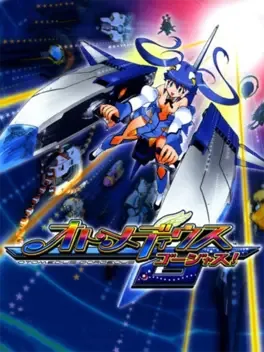
Otomedius Gorgeous is the Xbox 360 port of Otomedius Arcade, a side scrolling shooter by Konami which featured personification of space fighters from various Konami games like Gradius, Xexex, Salamander and Parodius. The name is a pun, being a portmanteau of the terms "otome" (meaning "maiden" in Japanese) and "Gradius". It was released for the Japanese Xbox 360 in November 20, 2008.
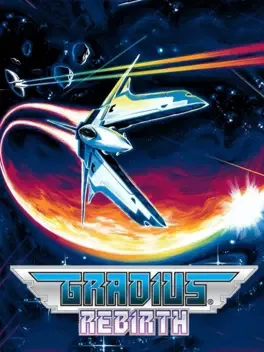
Blast your way through levels filled with alien spaceships and otherworldly creatures in this retro side-scrolling shooter. Pick your weapons carefully and upgrade them to create a devastating arsenal of space-aged weapons that will aid you in your challenging mission. Players can post their high scores to worldwide leader boards via Nintendo Wi-Fi Connection and see where they rank against all the other Gradius ReBirth players. Test your skills with Gradius ReBirth and see if you have what it takes to beat this action-packed arcade shooter.
Part of franchise:
Gradius
(last 3 games)
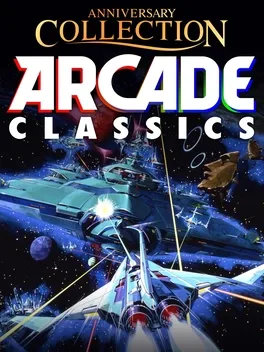
8 Konami arcade classics of the 80s, from Nemesis to TwinBee. Including bonus eBook packed with new information never before revealed to the public.
Arcade Archives: Life Force is a port of the shooting game Life Force. The player will challenge against the aggressions from the Bacterian special force known as Salamander. This title will include Salamander which is the Japanese version of the game, and Life Force which is rearranged as the Japanese version of Life Force that was released in 1987 in Japan.
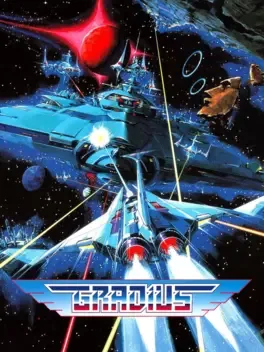
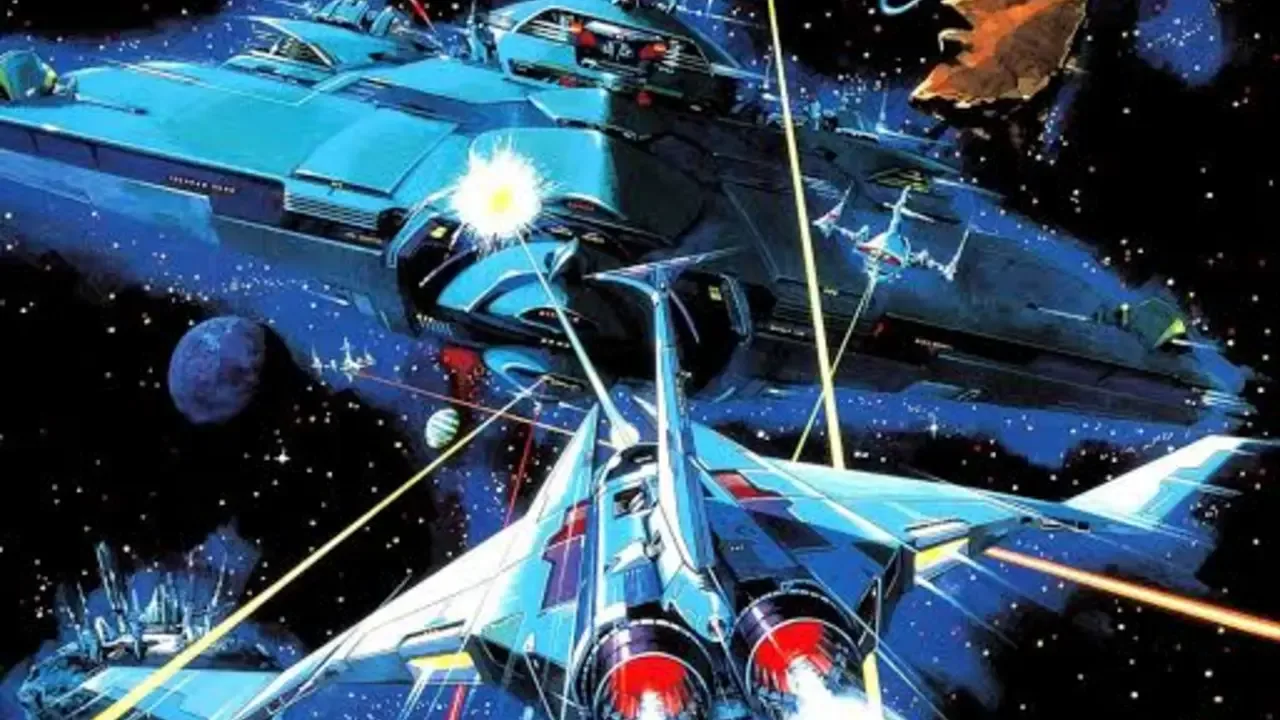
Arcade Archives: Gradius is a port of the shooting game Gradius. Players control the Super Dimension fighter Vic Viper and fight Bacterian with the aid of devastating power-ups. This shooting game is the first of a masterpiece series from Konami that had a major impact on later shooters.
Could be interesting
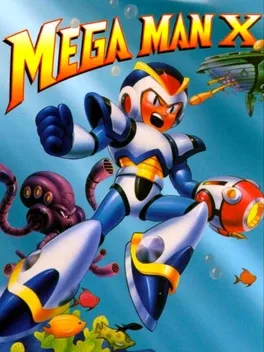
Mega Man X, known as Rockman X in Japan, is the first game of the Mega Man X series. It was the first spin-off of the classic Mega Man series and made its debut on the Super Famicom/SNES, initially released in 1993. It was ported to the PC in 1995, and to Android and iOS devices in 2011. It was re-released as part of Mega Man X Collection in January 2006, then later re-released in Mega Man X Legacy Collection in July 2018. The game takes place in the year 21XX (early 22nd century), a century after the conclusion of the classic Mega Man series, and stars a new main character named X.
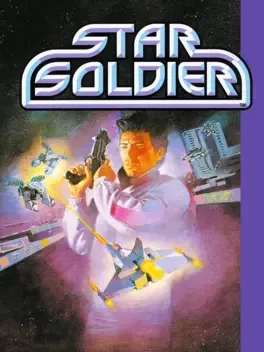
Star Soldier is a 1986 vertically scrolling shooter video game developed and published by Hudson Soft for the Nintendo Entertainment System and MSX. It is the first game in the Star Soldier series. The player pilots the starship "Caesar", traveling through space stations occupied by powerful supercomputers known as "Starbrains" who threaten the galactic empire. Star Soldier greatly resembles the earlier arcade game Star Force. The MSX version of the game was brought to the SG-1000 in Taiwan.
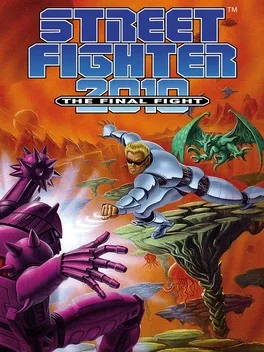
Conquer a galaxy with your bare hands! Twenty-five years ago you ruled in the world of the street fighter. Since then you and your partner have created a formula that turns men into supermen. Your partner is dead, the formula has been stolen, and you're out for revenge. You use your serum to transform into the most powerful man in the galaxy. You'll cross the stars in search of the killers that changed your life forever. With your newfound strength and your old street fighter training, you can't wait for your final fight! Teleport across the galaxy in this action/adventure game for the NES! Detailed graphics bring you all the excitement of countless worlds!
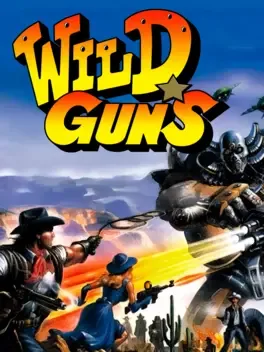
Released in 1994, Wild Guns is a shooting gallery video game for the Super Nintendo Entertainment System, developed by Natsume. Its setting is a unique blend of the Wild West, steampunk, and science fiction. The narrative revolves around Annie and Clint, a bounty hunter duo on a quest for vengeance after Annie's family is killed. Players can choose to control either Annie or Clint, navigating through the foreground, avoiding enemy fire, and taking down hostile robots in the background. This gameplay combines elements from third-person shooters and light gun games.
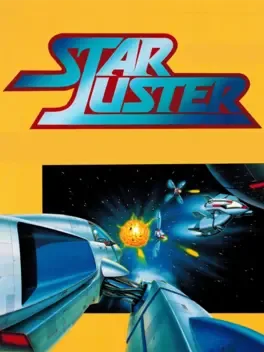
A first-person 3-D space shooter from Namco.
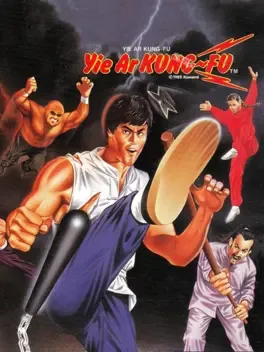
Yie Ar Kung-Fu is a 1985 fighting game developed and published by Konami. Along with 1984's Karate Champ, which influenced Yie-Ar Kung Fu, it is one of the games that established the basis for modern fighting games.
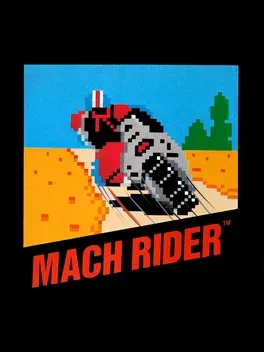
Mach Rider is a futuristic driving video game created by Nintendo. It was first released on November 21, 1985 for the Nintendo Family Computer in Japan. The game received a North American release in mid-1986 as part of the second wave of NES releases by Nintendo. On March 15, 1987 it was released in Europe and Australia. In July 2007 a modified version was released on the Wii's Virtual Console, which allowed designed tracks to be saved.
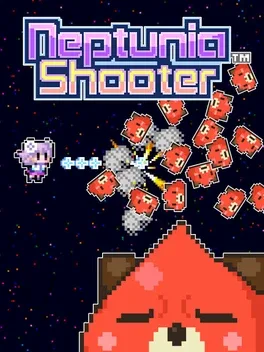
Armed to the teeth, players begin as Neptune in an unworldly 8-bit space dimension ravaged by creatures who burst endless waves of bullets. Shoot, dodge, and defeat the boss in six unique bullet-hell worlds.
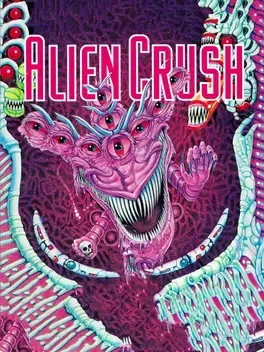
Fight against the aliens with your pinball skills! Imagine a living pinball machine...with aliens and outlandish worlds to throw at you. And turbo-charged, speed-of-light pinball action. You control the flippers and ball speed to defeat the Slime, the Tentacloid and Scorpion. Go for the eyes! This is full-tilt, out-of-this-world action! Surrealistic graphics plus true-to-life, earsplitting arcade pinball sound. Achieve the maximum possible score of 10 less than 1 billion and the game ends with the destruction of the table and a congratulatory message. The game is the first installment in the Crush Pinball series. It was followed by three sequels, Devil's Crush, Jaki Crush, and Alien Crush Returns.
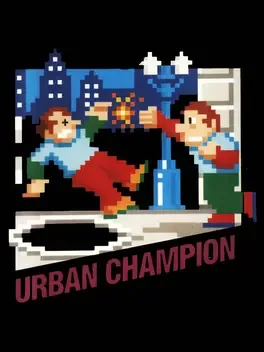
Urban Champion is a 2-player fighting game produced by Nintendo in 1984. It was inspired by the 1984 Game & Watch title, Boxing (also known as Punch-Out!!). It is also Nintendo's first 2D fighting game, followed by the 1993 Joy Mech Fight, released exclusively in Japan for the same platform.