
Great Wall Street Fortune Hunt


Buy
Part of collection:
Master Strategy Series
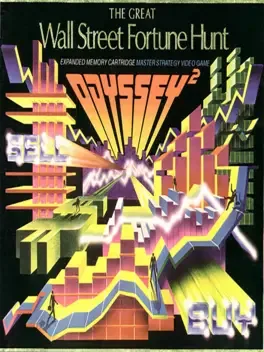
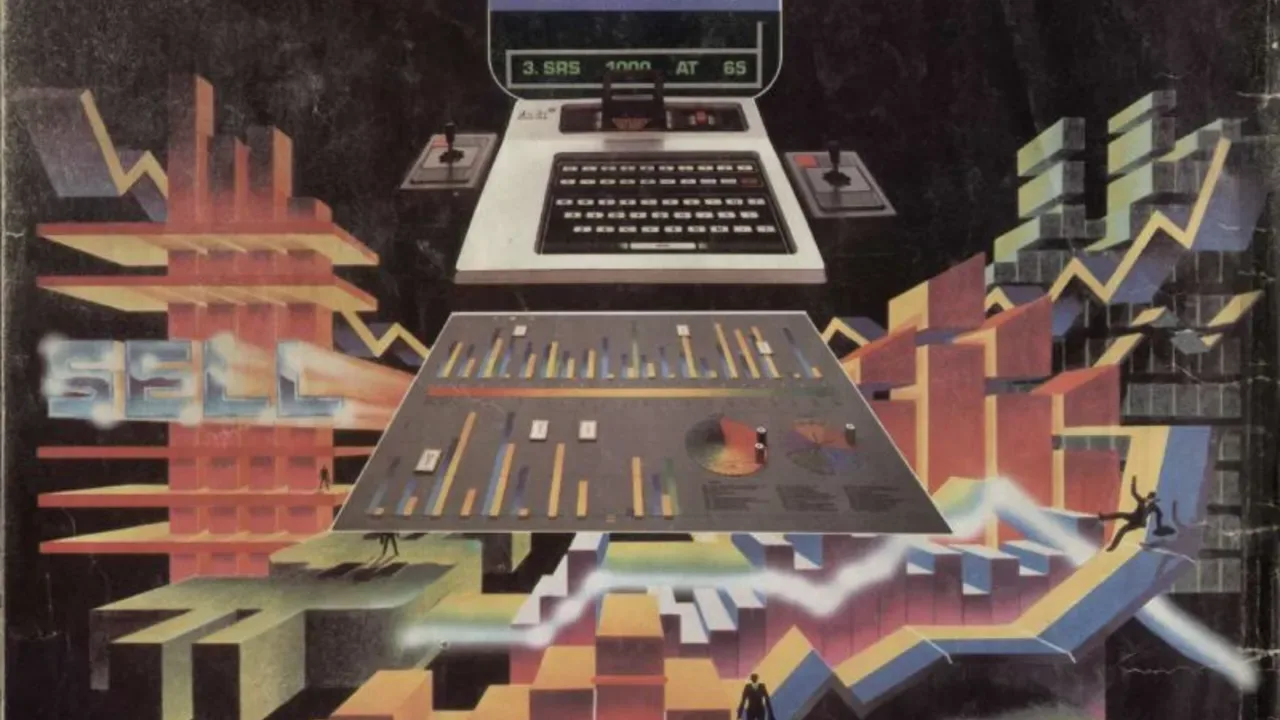
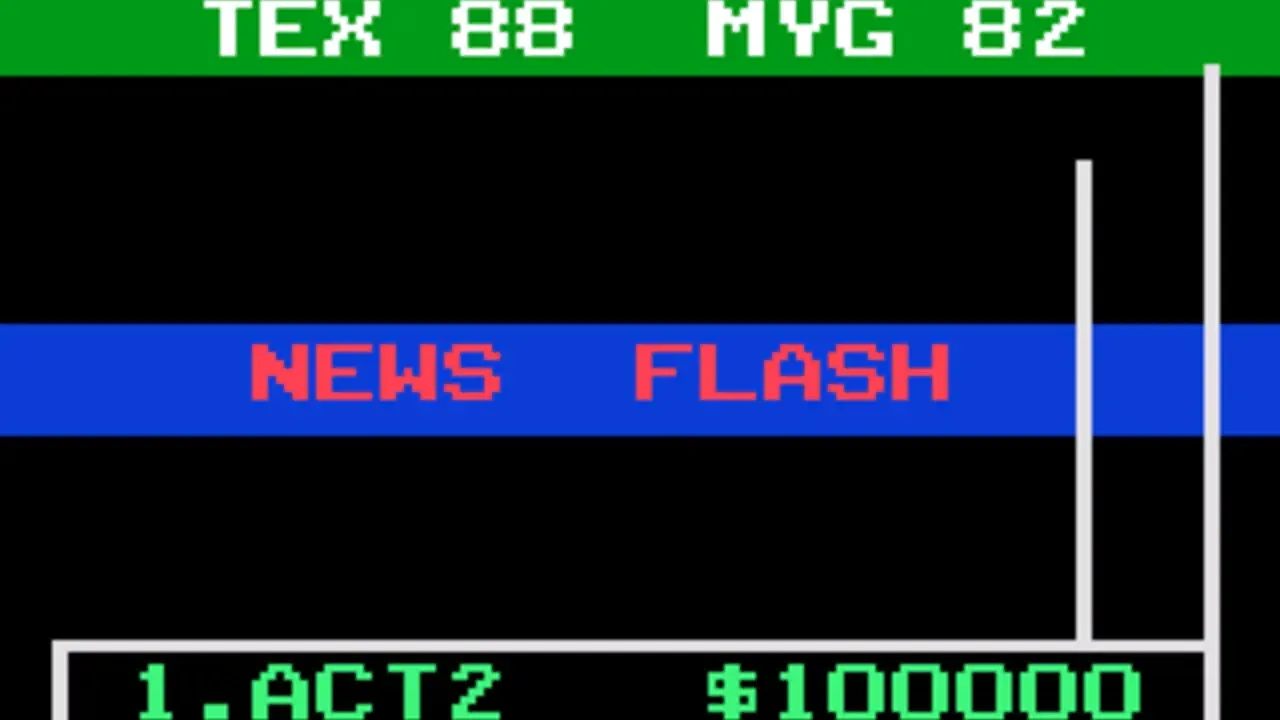
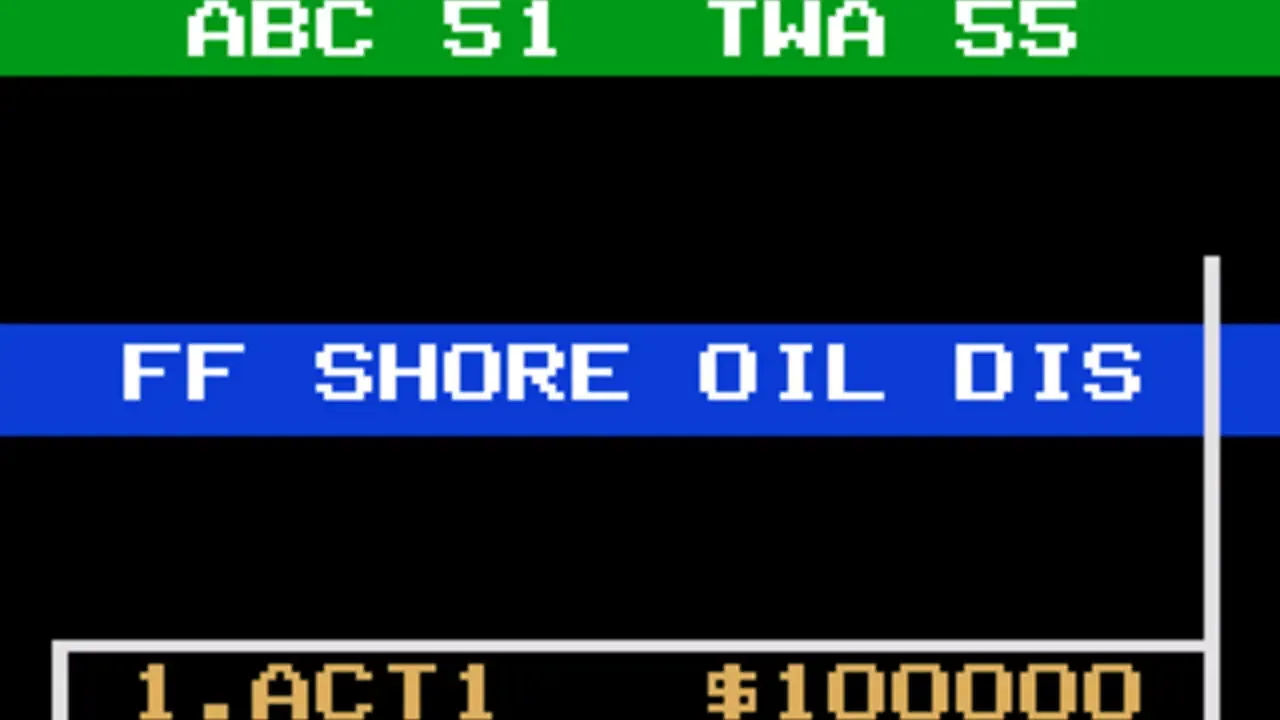
THE GREAT WALL STREET FORTUNE HUNT is an authentic computerized model of the real investment world. The opportunities for investment in the game represent the thousands of alternatives available on the various exchanges. You'll find conservative blue chips like IBM (International Business Machines Corporation) and high risk high flyers like WOW (Wildcat Oil Western). You'll find the fast food industry represented by McDonald's Corporation and high technology manufacturers represented by Texas Instruments. Each of the companies available for investment not only represents itself but other similar companies as well. Therefore the Standard Oil Company (Indiana) also represents Shell, Mobil, Arco and the other large petroleum companies. Each of the investments has a different sensitivity to the news flashes which come across the TV screen. For example - some investments will go up at a time of world crisis and others will go down. The inherent sensitivity of each investment to the various categories of news is graphically displayed on the gameboard. Your ultimate objective is to anticipate investment fluctuations swiftly enough to take full advantage of the many buying and selling opportunities which will occur in a different way every time you play. The rules of The Great Wall Street Fortune Hunt are designed to replicate real life as closely as possible. You can play it at four levels. It is highly recommended that you feel thoroughly comfortable at one level before incorporating the next level as part of the game. Have fun! Make money!!!
Could be interesting
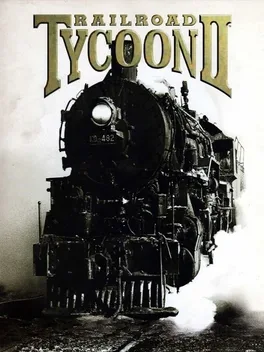
Sid Meier's Railroad Tycoon is a business simulation game. Railroad Tycoon was written by game designer Sid Meier and published by MicroProse Railroad Tycoon 2 is the only game of the series that was released fr the PSX console. You try to make it to the top of the transportation industry in Railroad Tycoon II, a simulation that takes you from a wannabe to a tycoon (if your lucky!).

Our Hotels. Your Rules. In Hotel Giant, you call the shots as you direct every aspect of hotel operations. You control the construction of your hotel – from site selection to building type – to personalized room features. Build up to 19 different hotel complexes, ranging from romantic get-away hotels to skyscraper business hotels to luxury 5-star hotels with exquisite spa and entertainment facilities. You’ll also get the chance to satisfy your inner voyeur by observing your guests’ every move and reacting to their feedback.
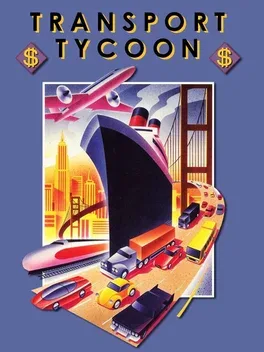
Released on PC in 1994. Developed by Chris Sawyer, and coded in X86 Assembly language, it was among the first in the relatively new 'tycoon' genre of games - simulations of business empires that the player founded, grew and took full control of. Transport Tycoon saw the player running their transport empire from 1930 to 2030, with rail, road, sea and air transport available to help the player's expansion of their business. New technologies are introduced to the player at historically accurate times, and players could see first-hand how advancements changed the way their businesses were run.
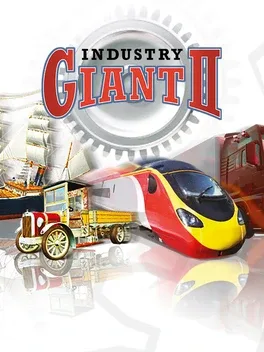
Economic booms, stock market crashes, oil crises, upswings, triumphs... Now you can become the greatest power in industry! Begin in the year 1900 with little money but large ambitions and through skilfull decision-making you can build up an enormous business empire. Make critical decisions which products you should manufacture, where to gather the best raw materials, where to sell them and how to effectively transport them there. It's your choice whether you start out as a small-time fruit-growing framer with a little orchard and retire as the owner of the biggest foodstuff empire around, or end up owning a multinational conglomerate with a vast portfolio of products.
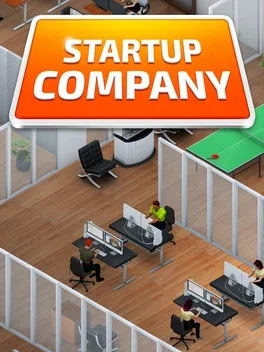
Startup Company is a business simulation sandbox game where you’re the CEO of a new company. Your job is to build your very own website and compete against the largest tech giants on the planet!
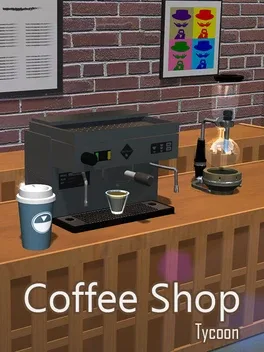
Coffee Shop Tycoon is a management game in which you take control of your own coffee shop. Will you thrive and become a popular coffee shop or die trying? Everything lies in your hands.
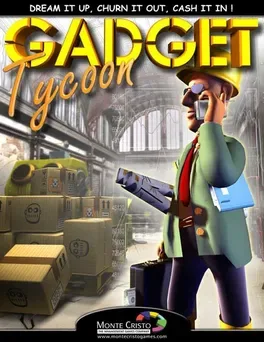
You are the proud owner of a derelict factory — and your very own company! Invest in R&D, learn the basics of Sales and Marketing, motivate your employees and start selling wacky products: futuristic latrines, roller-blades and android home helps! Target your consumers and anticipate their every desire. Tame the emotives by providing designer products that will flatter their image! Lure the techies with the latest in modern technology! And if that isn't enough, use means that measure up to your ambition: spy on your competition and steal their latest inventions, sabotage their machines and drain away their brains, sue them dry for espionage and get the IRS on their backs! Beware though... your competition will not hesitate to form an unholy alliance with the underworld to bring about your demise.

In this time-management game, you play Sara, a worker at a greenhouse. Unfortunately, the greenhouse is failing, and the owner is going to sell to a developer in eight weeks. Sara's only chance of saving the nursery is to take over a vacant three acres and turn it into a productive farm. Each week consists of five missions (where you need to harvest certain amounts of each crop) taking place on Monday through Friday, plus a Saturday farmer's market, where each item you sell gives bonus cash. Some items take more time than others to grow, and other items, such as milk, require you to take crops and process them in some way. (For example, taking clover to a cow to get milk in return, or turning tomatoes into ketchup.)
Stock and investment simulator game.
Cooking Simulator is back – bigger, better, and with optional multiplayer! Create your own recipes and take advantage of new and improved controls to become the best restaurant cook in the city! Or just have fun and enjoy cooking at your own pace. You’re the chef here!