
Jade Cocoon: Story of the Tamamayu




Buy
Part of collection:
Jade Cocoon
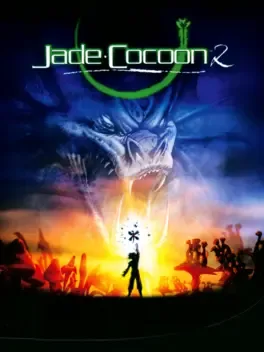
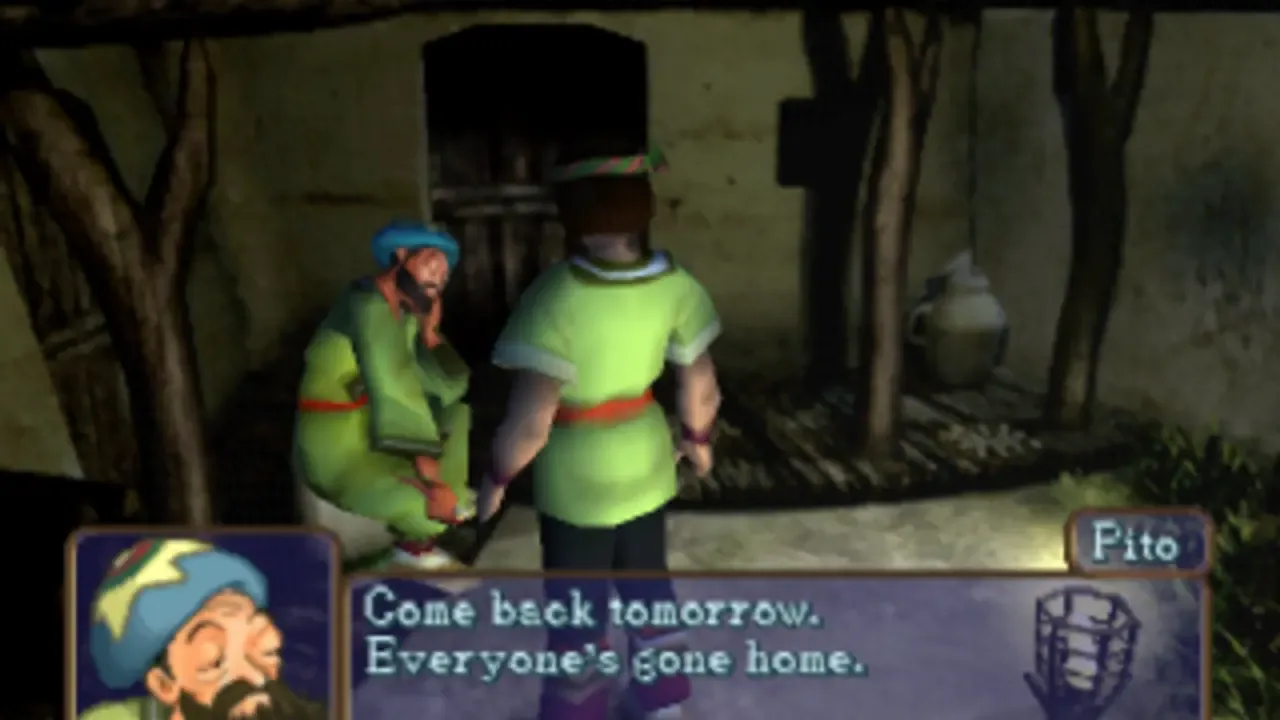
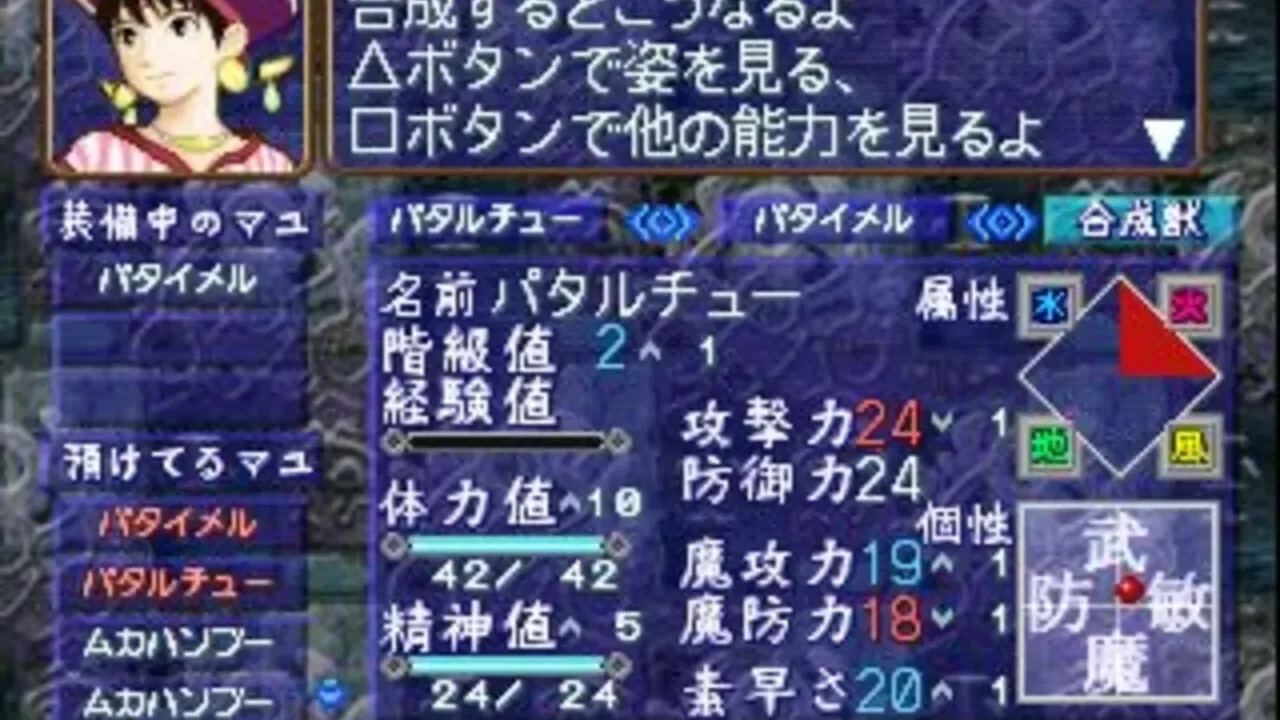
Presenting a combination of monster breeding and RPG elements, Jade Cocoon 2 expands upon Genki's original title in a number of significant ways. Gameplay comprises a familiar mix of storytelling and monster raising, with significant tweaks implemented for good measure. The town acts as your base of operations and it's here you can stock up on supplies, or take jobs for which you can earn money and build a reputation. The latter proves vital as it's directly related to the number of monsters you can use in battle. The successful completion of certain tests rewards you with the ability to command more beasts -- up to a maximum of 12 at once, however, you can only take these tests when your reputation is high enough. These trials take place in the Arena, which is also home to Beast Hunter battles, where you can test your mettle against fellow Beast Hunters. Monster eggs are found on your travels and can be hatched in the Room of Life; an all-encompassing monster management room that provides detailed information on the beasts and allows you to merge them, creating hybrid creatures. The monsters now also evolve over time. Your amulet consists of 12 slots, three for each of the four elements. Your creatures are placed in positions on the amulet corresponding to their position in battle, and during combat they'll attack the enemy and defend you from harm. Their amulet position also dictates the effectiveness of their elemental powers. The storyline starts 100 years after the original adventure, with the Cocoon Masters having become the stuff of myth and legend. Beast Hunters are the modern equivalent, and players take on the role of Kahu; an aspirant Beast Hunter. A chance encounter results in Kahu being cursed, and he, along with a fairy named Nico, must rid his body of the curse or die. Levant (the original title's protagonist) is now a guardian and acts as your guide.
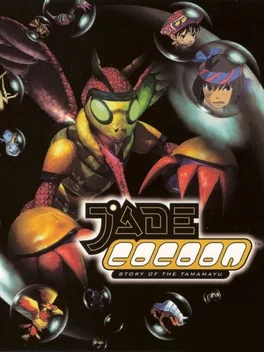
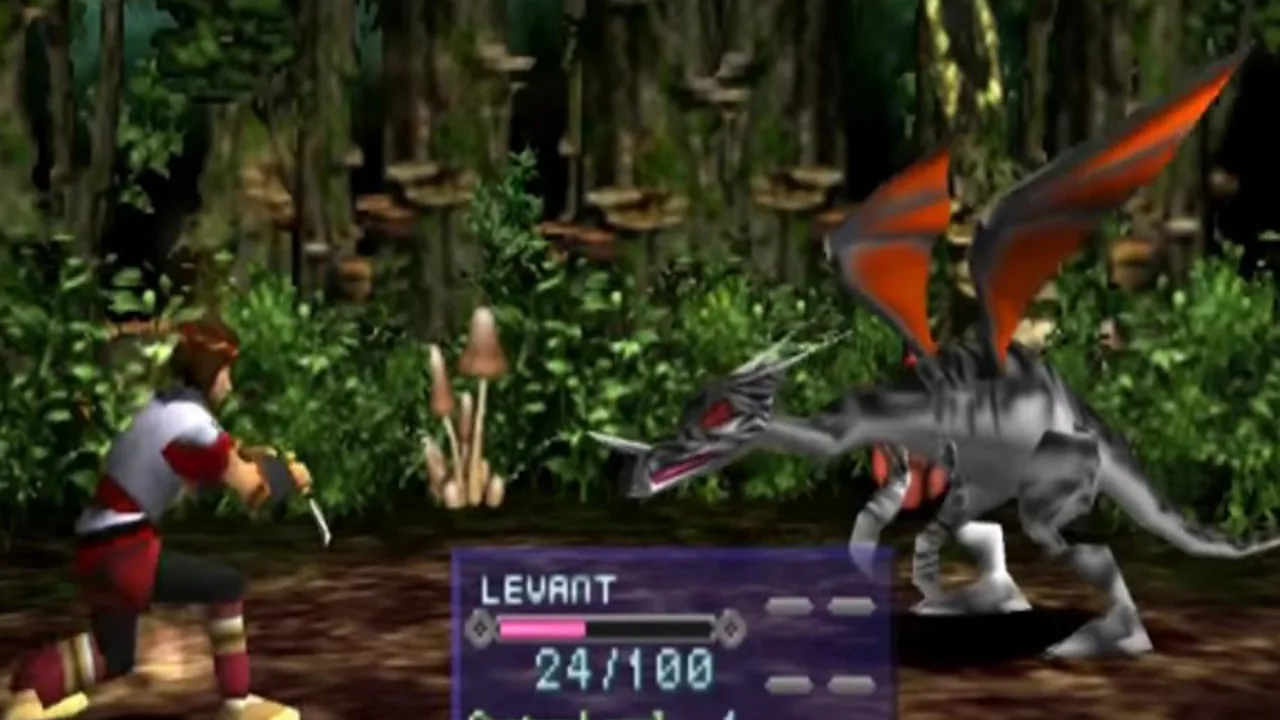
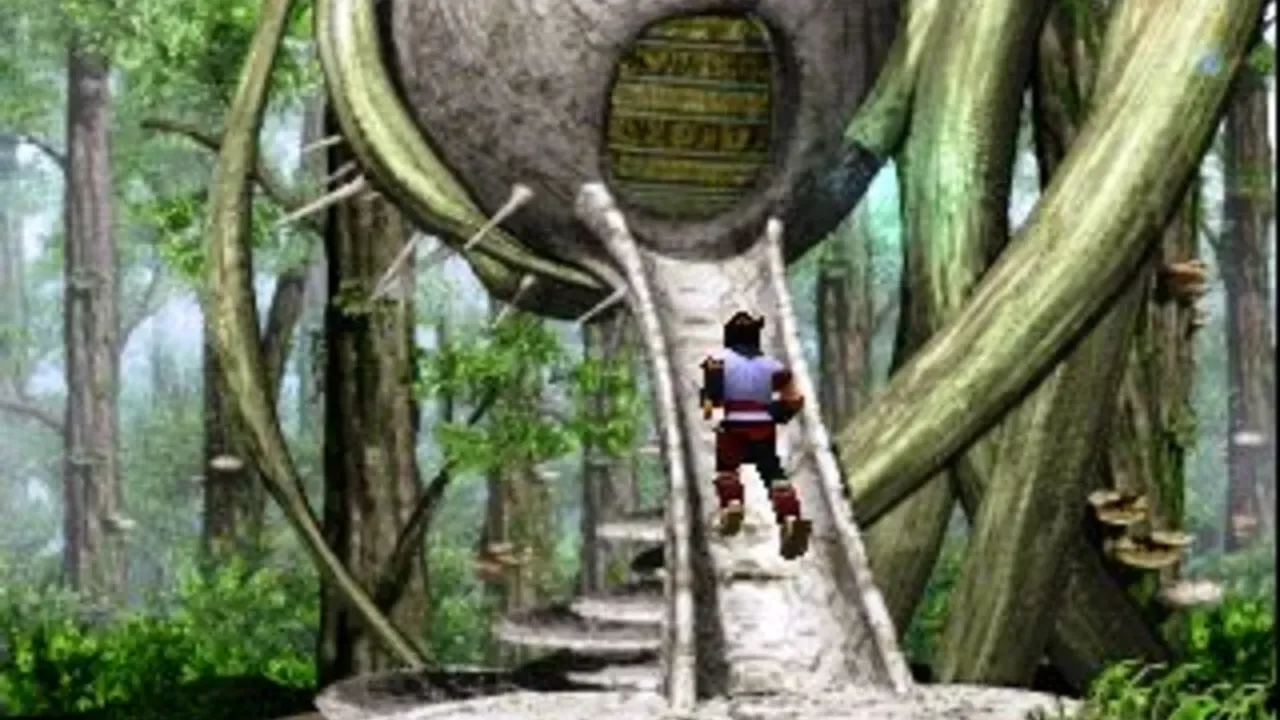
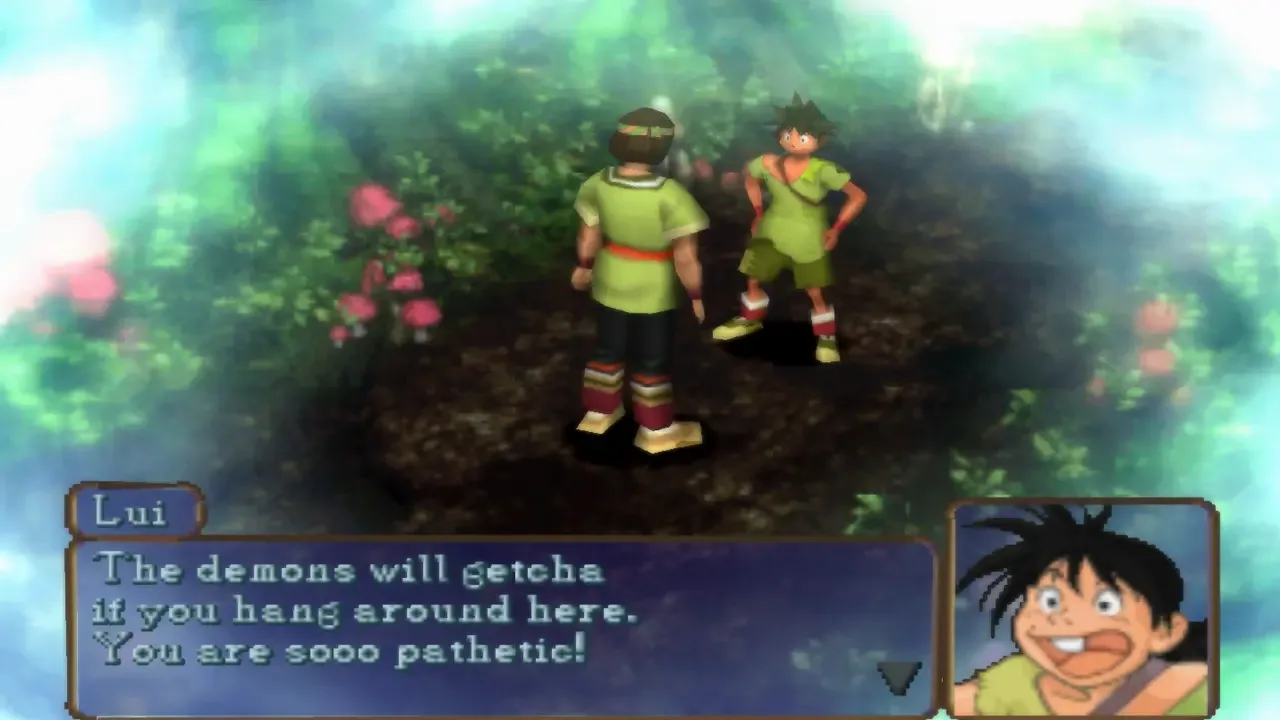
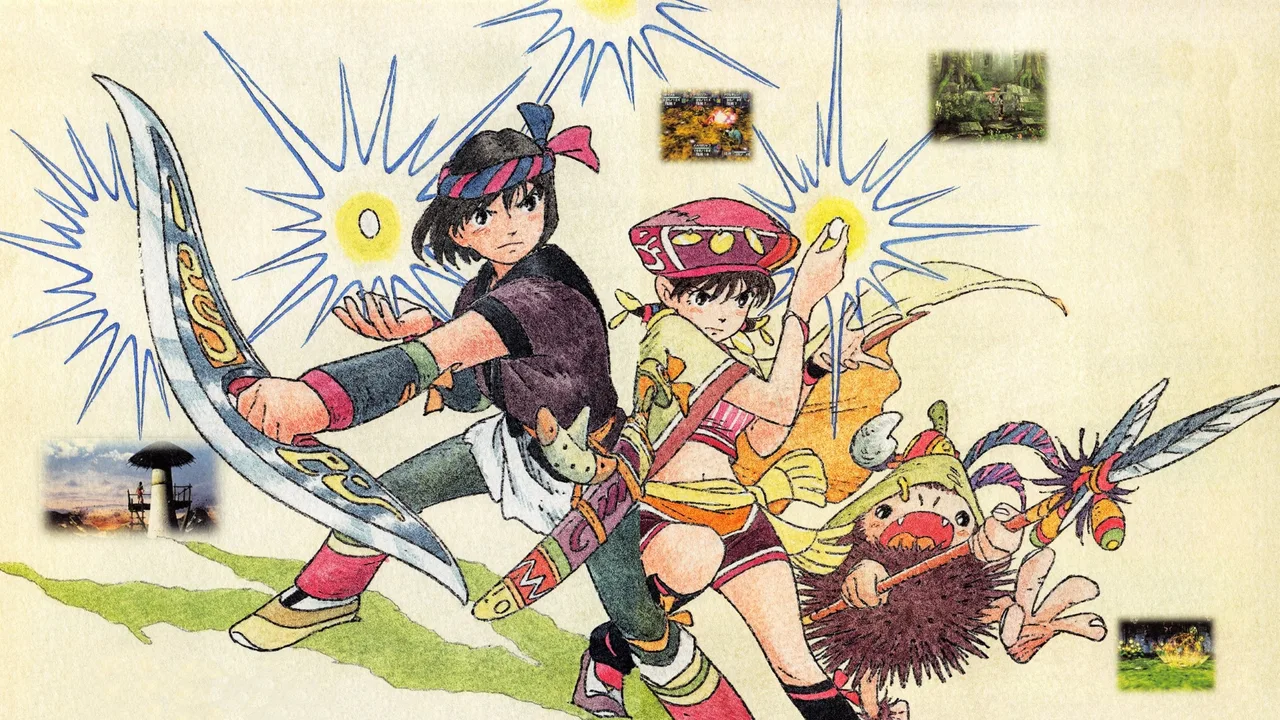
Enter the world of Jade Cocoon: Story of the Tamamayu. As Levant. a Cocoon Master. you will engage powerful monsters in deadly one on one combat. As the magic and talon clashes of these battles turn to your favor you can call on the mystic cocoon powers and capture your fallen foe. Once captured these mighty creatures will be the key to unlocking the curse that has overcome your village. The game combines elements of role-playing video games and digital pet virtual pet management. It was developed by Genki in collaboration with Katsuya Kondō, character designer for the Studio Ghibli movies "Kiki's Delivery Service" and "I Can Hear the Sea".
Could be interesting

Breath of Fire IV is a single-player game that continues the story with these "dragon people," who gave their lives to eradicate the evil goddess and restore peace in their world. This time around, battle has broken out between two powerful continents, and the fair Princess Elena has disappeared during a tour of the war-torn region. The princess's sister, Nina, who reigns o'er the Windia Kingdom, vows to retrieve her missing sibling. She meets Ryu along the way, who joins the epic quest
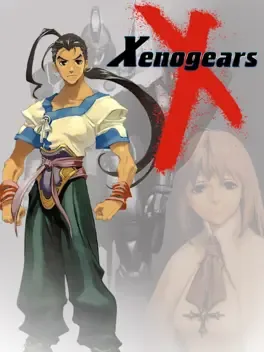
Xenogears Blends Authentic RPG Gameplay with Exquisite Hand-Drawn and Computer-Generated Animation in a Grand Science Fiction Tale. An intricate storyline involving many human and non-human characters will prove to captivate audiences of all ages. Players can rotate the amazingly detailed 3D gameplay maps 360 degrees, and have the ability to navigate around the environment by jumping and climbing. In battle, mega-robots can be controlled, adding great variety to play. A new real-time combat system eliminates restrictive menus, using button commands to provide fast-paced, intuitive action. Players can wield dramatic magical spells or engage in real-time polygonal robot vs. robot battles. Combined with dynamic camera angles and intense lighting effects, Xenogears is an experience that won't be forgotten.

Suikoden is a Japanese-style role-playing game with several unusual additions. There are three kinds of combat in the game, the most common one being the traditional turn-based party combat (players can have up to six people in their active party). Magic runes can be equipped on the player's characters which allow limited usage of offensive and healing spells. There are also a few army battles, where the player must control whole units of fighters, archers, magicians, etc., and one-on-one fights (duels).
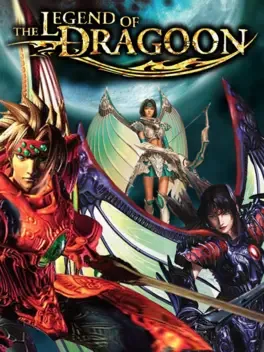
The Legend of Dragoon is a Japanese-style RPG, visually reminiscent of Final Fantasy VII (pre-rendered backgrounds, 3D characters and battle scenes, CG animations to advance the story). Battle mechanics follow the traditional turn-based prototype, with a few additions such as critical attacks dependent on precise timing, and "dragoon" transformations, which allow access to powerful techniques. Game progression is largely linear, with the "world map" replaced by locations represented as connected dots.
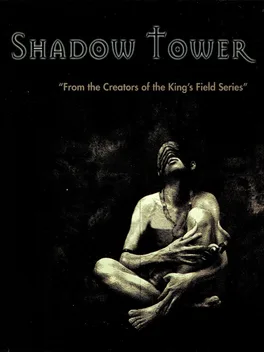
Shadow Tower is a first-person view action role-playing game developed by From Software and released in 1998. It shares many similarities with the King's Field series of games.
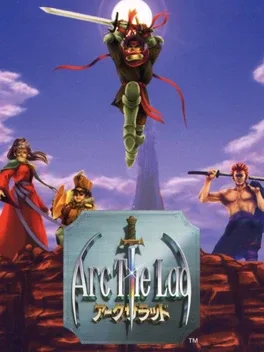
Arc the Lad is a tactical role-playing video game developed by G-Craft for the PlayStation and is the first game in the Arc the Lad series. It was released in 1995 in Japan, and released in North America on April 18, 2002, as part of Arc the Lad Collection. The Japanese released was published by SCEI, while the North American release was published by Working Designs. It was the best-selling Japanese PlayStation game of 1995 with over a million copies sold. Arc the Lad was followed by two direct sequels and many games that make up the series.
Presenting a combination of monster breeding and RPG elements, Jade Cocoon 2 expands upon Genki's original title in a number of significant ways. Gameplay comprises a familiar mix of storytelling and monster raising, with significant tweaks implemented for good measure. The town acts as your base of operations and it's here you can stock up on supplies, or take jobs for which you can earn money and build a reputation. The latter proves vital as it's directly related to the number of monsters you can use in battle. The successful completion of certain tests rewards you with the ability to command more beasts -- up to a maximum of 12 at once, however, you can only take these tests when your reputation is high enough. These trials take place in the Arena, which is also home to Beast Hunter battles, where you can test your mettle against fellow Beast Hunters. Monster eggs are found on your travels and can be hatched in the Room of Life; an all-encompassing monster management room that provides detailed information on the beasts and allows you to merge them, creating hybrid creatures. The monsters now also evolve over time. Your amulet consists of 12 slots, three for each of the four elements. Your creatures are placed in positions on the amulet corresponding to their position in battle, and during combat they'll attack the enemy and defend you from harm. Their amulet position also dictates the effectiveness of their elemental powers. The storyline starts 100 years after the original adventure, with the Cocoon Masters having become the stuff of myth and legend. Beast Hunters are the modern equivalent, and players take on the role of Kahu; an aspirant Beast Hunter. A chance encounter results in Kahu being cursed, and he, along with a fairy named Nico, must rid his body of the curse or die. Levant (the original title's protagonist) is now a guardian and acts as your guide.
Should you enter Tecmo's Deception you should be warned! You must decide who lives and who dies. As in life, Tecmo's Deception will hold you responsible for your actions. Everything you do, everywhere you go, everyone you meet has a reason. Are you seeking revenge, resurrection, or redemption? It's your decision.
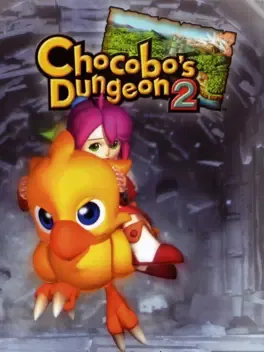
FINAL FANTASY's Chocobo stars in an all-new adventure! In search of treasure, Chocobo and Mog find more than they expect. Joined by other FINAL FANTASY characters, Chocobo must defeat foes and unveil a friend's secrets while exploring a series of mysterious dungeons. Players can combine armor or weapons to form stronger resources in their quest. There are also magic feathers that can aid in your efforts, since they allow gamers to perform magic spells that have an impact on combat. Between your dungeon travels, players are able to explore villages to obtain valuable clues for the journey. In addition, players can use this time to update Chocobo's inventory.
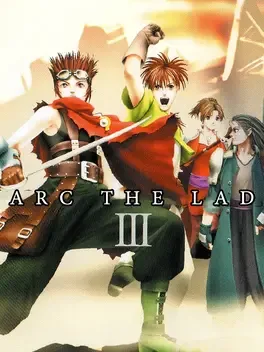
The events of this game take place several years after Elk and Arc faced their ultimate enemy in "Arc the Lad II". You control Alec, a teenager whose entire village was destroyed by an unknown evil - an event that was later called "The Great Disaster". He was saved by a mysterious Hunter. Since then, growing peacefully in a village he was brought to, which was like a new home for the survivors of the Great Disaster, Alec dreams about meeting the Hunter again, and becoming a Hunter himself. Together with his best friend Lutz he tries his luck in nearby towns, receiving small Hunter jobs, until the fate crosses the ways of the two young people with a mysterious organization called the Academy. And there their adventure really begins... The gameplay of this third installment of Arc the Lad series is very similar to that of the predecessor. You fight enemies in turn-based battles, and can move freely on the battlefield, positioning your party members the way you like. You can upgrade your weapons by forging them with special materials, and have a variety of techniques and magic spells at your disposal.