
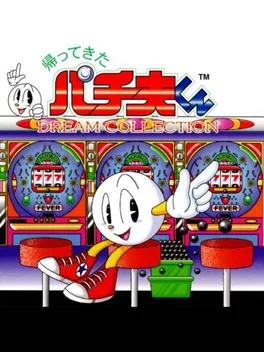
Kaettekita Pachio-kun Dream Collection


Buy
Part of collection:
Pachio-kun
(last 3 games)
Pachio-kun's second outing on the PlayStation.
Pachio-kun continues his adventures on PlayStation.
Part of collection:
SuperLite 1500
(last 3 games)
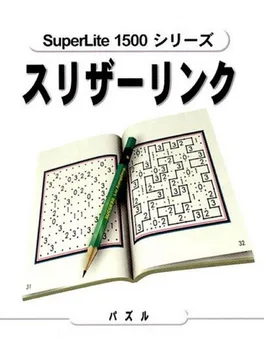
Slitherlink (also known as Fences, Takegaki, Loop the Loop, Loopy, Ouroboros, Suriza and Dotty Dilemma) is a logic puzzle developed by publisher Nikoli. Slitherlink is played on a rectangular lattice of dots. Some of the squares formed by the dots have numbers inside them. The objective is to connect horizontally and vertically adjacent dots so that the lines form a simple loop with no loose ends. In addition, the number inside a square represents how many of its four sides are segments in the loop. Other types of planar graphs can be used in lieu of the standard grid, with varying numbers of edges per vertex or vertices per polygon. These patterns include snowflake, Penrose, Laves and Altair tilings. These add complexity by varying the number of possible paths from an intersection, and/or the number of sides to each polygon; but similar rules apply to their solution. SuperLite 1500 Series - Slither Link is a puzzle game based on the Slitherlink logic puzzle featuring over 200 different stages.
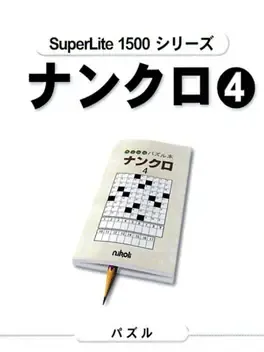
A crossword is a word puzzle that normally takes the form of a square or rectangular grid of white and shaded squares. The goal is to fill the white squares with letters, forming words or phrases, by solving clues which lead to the answers. In languages that are written left-to-right, the answer words and phrases are placed in the grid from left to right and from top to bottom. The shaded squares are used to separate the words or phrases. Squares in which answers begin are usually numbered. The clues are then referred to by these numbers and a direction, for example, "4-Across" or "20-Down". At the end of the clue the total number of letters is sometimes given, depending on the style of puzzle and country of publication. Some crosswords will also indicate the number of words in a given answer, should there be more than one.
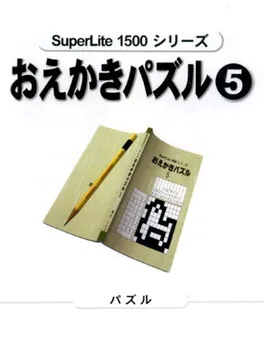
Popular collection of puzzle games will fill the picture will be completed based on the mass number of vertical and horizontal scratching puzzles first whenever visiting. The 200 questions included a wide range of offers from beginner to advanced, the size 10x10, 15x15, 20x20 sizes available 3. Configuration of the popular features button operation, and display position adjustment function, you can enjoy a comfortable play.
Could be interesting
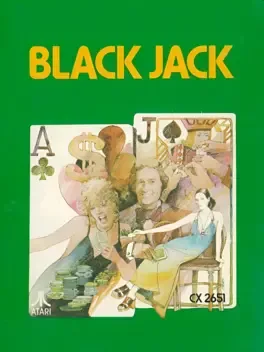
Atari's Blackjack employs a variant of blackjack rules that is so extremely unfavorable to the player, that it would almost certainly never be seen in a real casino because no one would play with them. Splitting pairs is not allowed, and even more substantially, draws are won by the dealer (your bet is not returned to you if you and the dealer get the same card total and neither busts). This represents over a 10% house advantage. The player uses the paddle controller to enter a bet of up to 25 chips from an initial pot of 200. An up card is then presented, and the player decides whether to "hit" (accept another card) or stand. The player breaks the bank by obtaining a score of 1,000 chips, or is "busted" upon losing everything. Due to a glitch in the program, while a player is selecting among the options of what to do with the current hand by pressing left or right with the paddle controller, the amount of the player's next bet is modified even though it is defined by a variable that will not be visible until the end of the hand, requiring the player to carefully re-enter it at the start of every hand without pressing the button carelessly or risk wagering an unintended amount.
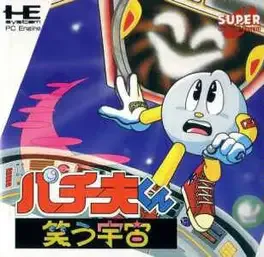
Pachio-kun's second endeavor on the PC Engine CD
Pachio-kun continues his adventures on PlayStation.
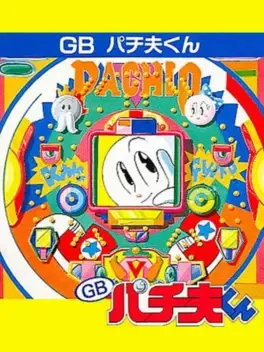
Pachio-kun heads to the Game Boy for an adventure in pachinkoing.
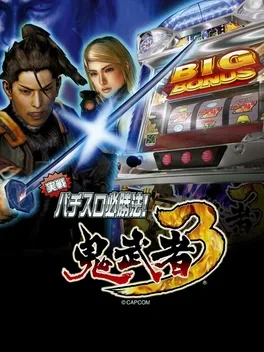
Jissen Pachi-Slot Hisshouhou! Onimusha 3 is a pachi-slot game that simulates a pachi-slot machine themed after Onimusha 3.
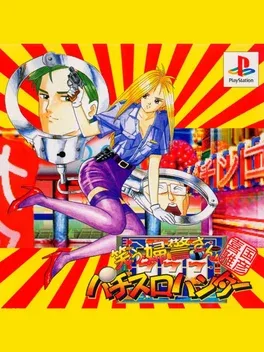
Released in 1994 for the PlayStation.
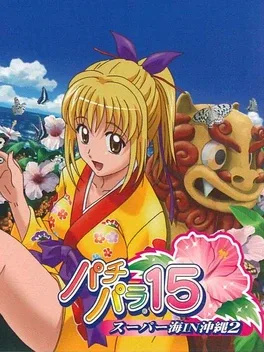
Don't confuse this with some kind of other, non-super Okinawan sea.
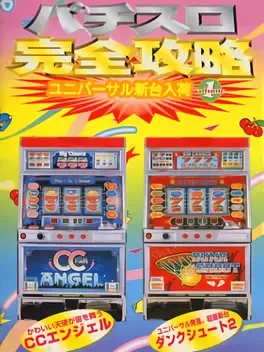
A pachi-slots game that draws from Universal Entertainment's product line. Like many pachinko/pachi-slots games, its chief role is to help gamblers practice for the real deal.
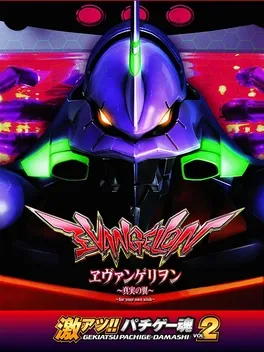
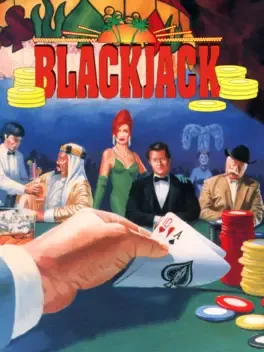
Blackjack is an unlicensed game developed by Odyssey Software and published by American Video Entertainment. The game is just basic blackjack, but with some configurations such as how much money it takes to win the game, and palate-swapping the card colors.