
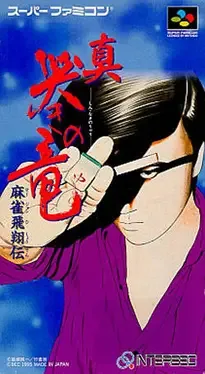
Mahjong Hishou-den: Shin Naki no Ryuu
Buy
Part of franchise:
Naki no Ryuu: Mahjong Hishou-den
Mahjong Hishouden: Shin Naki no Ryuu is a Miscellaneous game, published by Bec, which was released in Japan in 1995.
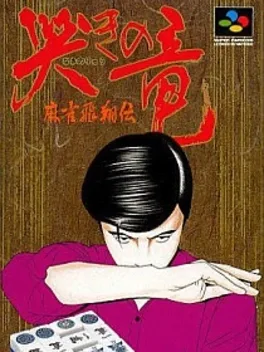
Naki no Ryuu: Mahjong Hishou-den is a Miscellaneous game, published by IGS (Japan), which was released in Japan in 1992.
Could be interesting
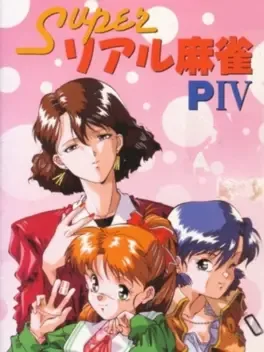
Super Real Mahjong PIV is a Miscellaneous game, developed by Affect and published by Seta Corporation, which was released in Japan in 1994.
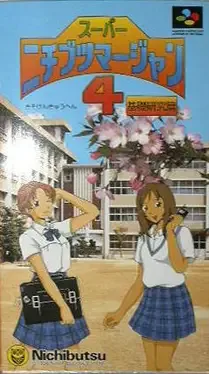
Super Nichibutsu Mahjong 4: Kiso Kenkyu Hen is a Miscellaneous game, published by Nichibutsu, which was released in Japan in 1996.
Naki no Ryuu: Mahjong Hishou-den is a Miscellaneous game, published by IGS (Japan), which was released in Japan in 1992.
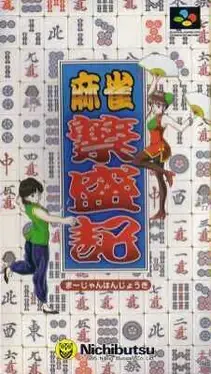
Mahjong Hanjouki is a Miscellaneous game, published by Nichibutsu, which was released in Japan in 1995.
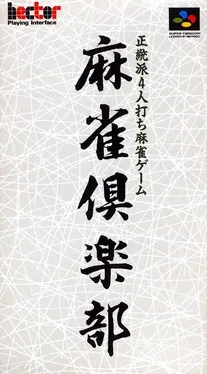
Mahjong Club is a Miscellaneous game, developed by Natsu System and published by Hect, which was released in Japan in 1994.
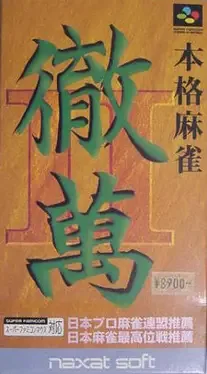
Honkaku Mahjong: Tetsuman II is a Miscellaneous game, developed by Khaos and published by Naxat Soft, which was released in Japan in 1994.
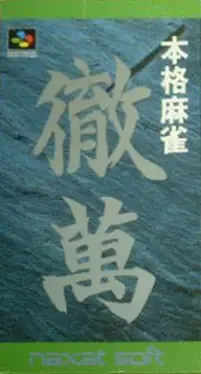
Honkaku Mahjong: Tetsuman is a Miscellaneous game, developed by Syscom and published by Naxat Soft, which was released in Japan in 1993.
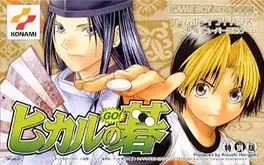
The first game based on the eponymous anime series, which centers on the strategic board game Go.
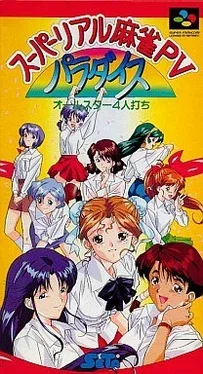
Part of SETA Corporation's series of mahjong games featuring a recurring cast of anime women. PV Paradise is a Super Famicom-exclusive entry.
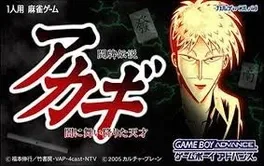
A Mahjong game based on an anime.