
Motor Toon Grand Prix








Buy
Part of collection:
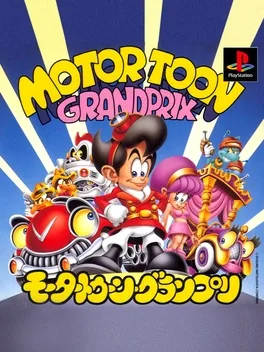
Motor Toon Grand Prix

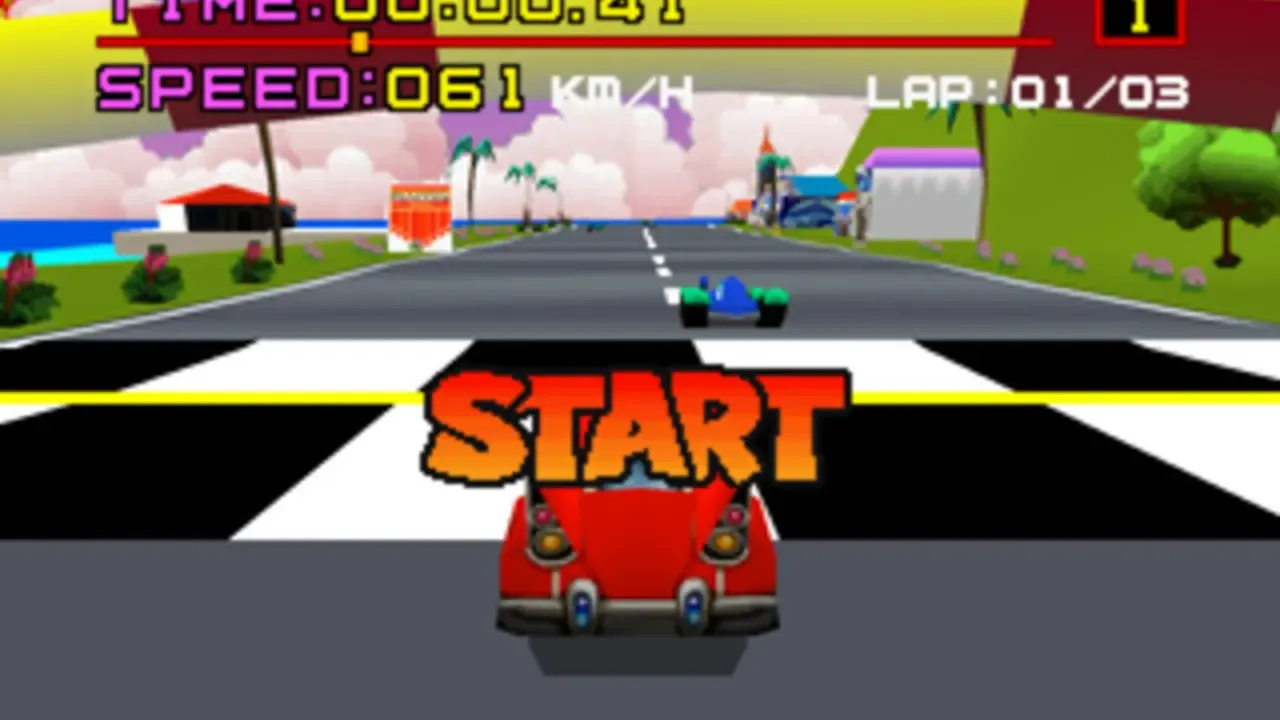
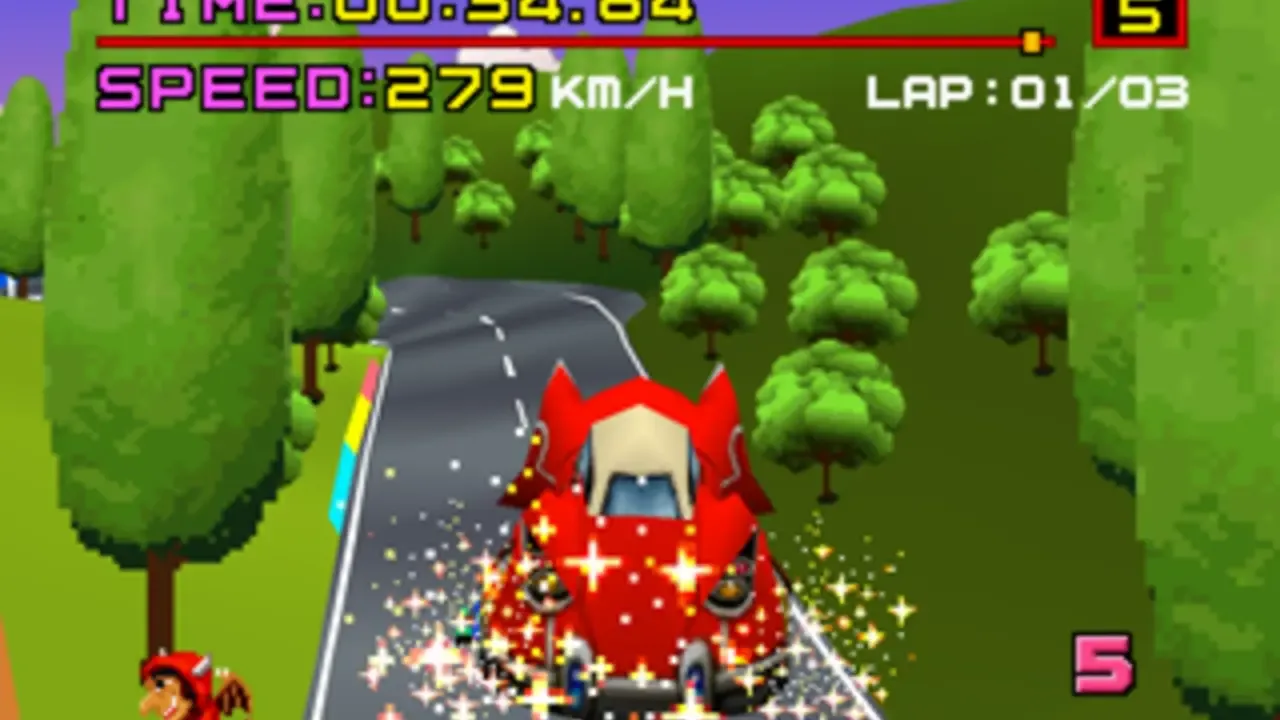
Motor Toon Grand Prix 2 is a racing game whose development is considered a lead-in to the Gran Turismo series. It was developed by a development group within SCE that later formed Polyphony Digital. It was released in the US as Motor Toon Grand Prix, since its predecessor never left Japan. In 2002, the game was re-released in Europe in a Twin Pack with Gran Turismo, Kazunori Yamauchi's following game. In 2010, the game was re-released on PlayStation Network. The game is compatible with Namco's neGcon analogue controller.
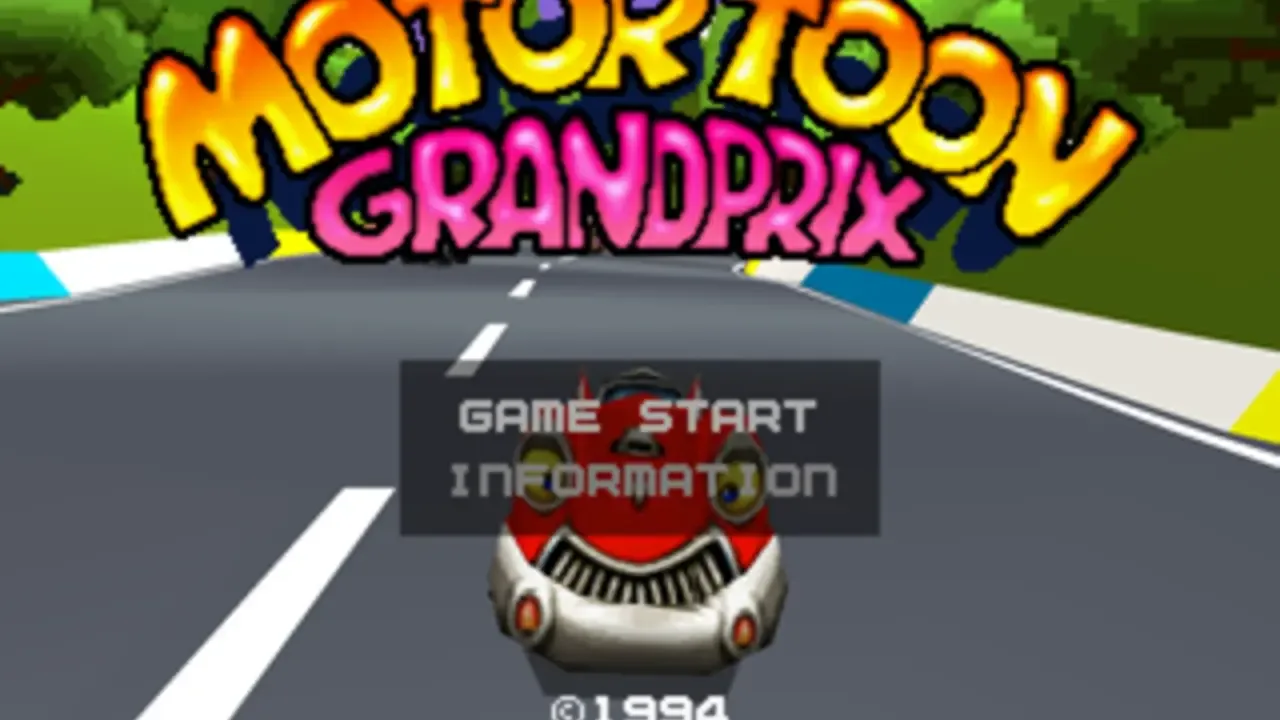
Motor Toon Grand Prix is a racing video game developed and published by Sony Computer Entertainment of Japan (SCEJ). It was released for the PlayStation in Japan on December 16, 1994. The game was designed by Kazunori Yamauchi and a development group within SCEJ that was later formed as Polyphony Digital, the company behind the realistic racing series Gran Turismo. It is notable among other things for its art design which was created by Japanese artist, Susumu Matsushita. The game is commonly confused with Motor Toon Grand Prix 2 which was released under this title in North America since the first game never left Japan.
Could be interesting
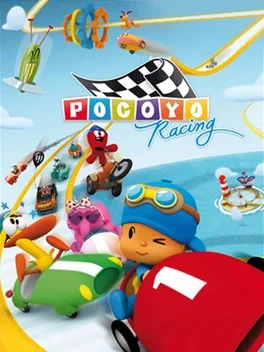
Pocoyo Racing is a child-oriented racing game with characters from the animation series Pocoyo. The game follows the typical kart racing games mechanics like those of the Mario Kart series, where you race with different characters around a circuit and collect items with special effects in order to win the race.
Compete in a race to the LazyTown park.
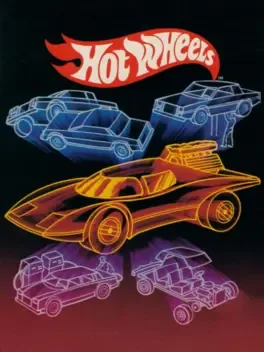
Hot Wheels is a licensed title based on the toy cars from Mattel and attempts to recreate the playing of toy cars. You start in a car showroom with different types of model cars but if they aren't to your taste then you can design and build your own. Once you are happy with your new car it's time to go to the Paint Shop and select a colour before driving out of the showroom and driving it through town. You view your car from the side at a slight elevated angle and you can drive it to the right or left along the road. To change direction you have to pull into a opening and reverse out in the new direction. The town itself is split into two parts and they are connected by an Expressway where you watch a small animated piece of your car driving along the road. Each part of town is made up of various buildings and some buildings can be drove into to either keep your car running smoothly or participate in various mini games. The buildings you encounter are: Car Wash: You just watch your car going through the various stages of a car wash. Gas Station: You control the mechanic and you can fill the car up with gas and check the tyre pressures. Tuning: Here you watch your car having the engine tuned. Oil Change: You control another mechanic and once you raised the car you must move a drum below the car and try to catch all the drops of oil dripping from the car without making a mess. Once the engine is empty you can fill the car with oil. Demolition Derby: You view a square track from above with the whole track on screen as you drive around the track. You attempt to smash the other cars to destroy them while avoiding being smashed yourself. Firefighting. Pulling into the fire station allows you to drive a fire engine along the road looking for any buildings on fire. Once you find a burning building you must park beside a fire hydrant. When you are in the correct position a hose appears. You move the hose around and attempt to put out the fire. Take too long and the building will burn down.
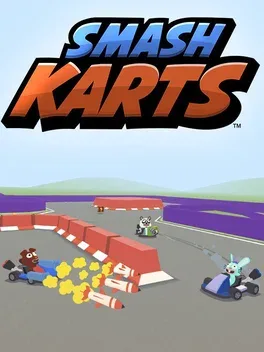
Smash Karts is a free io Multiplayer Kart Battle Arena game. Drive fast. Fire rockets. Make big explosions.
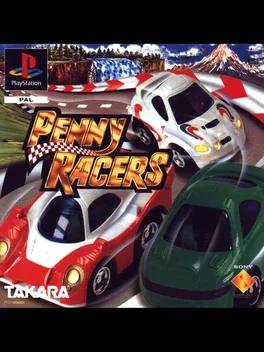
Penny Racers (released as Choro Q in Japan) is a 1996 racing video game developed by Tamsoft and published by Takara for the PlayStation. Sony Computer Entertainment released the game in PAL regions. The game features cars based on Takara's line of miniature Choro Q / Penny Racers toys, and was the first game based on Choro Q released outside Japan since Taito's 1984 title on MSX. Screech along tarmac raceways, slide around icy corners in the winter sections, or skid around dirt tracks in the rally courses. Squished up versions of real-life cars plus a split screen mode for frantic two player road duels.
A second sequel to the original game, JellyCar 3 was released in February 2011 on the Apple App Store. As before, JellyCar 3 added more features to the game, such as video replays, car customization and secret goals. A limited rewind feature was also added, allowing players to back up on the current level and resume at a chosen point; a total of ten rewinds were available, with extra rewinds as in-app purchases. A March 2011 update added new car shapes, new customization options and the ability to race ghosts of other players. Reviews of JellyCar 3 have been generally favorable, with a Metacritic rating of 84, based on seven reviews. Steve McCaskill of Pocket Gamer said the game was "an addictive combination of driving and physics-based platforming that manages to overcome one or two minor control issues". In the review for SlideToPlay.com, Chris Reed said that JellyCar 3 was "a bouncy, wildly creative romp" and that the March 2011 update "brings more value to an already great game".
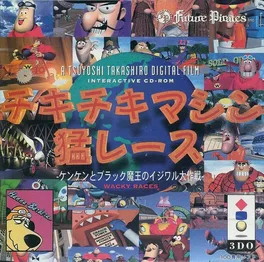
Based on the classic Wacky Races cartoon, this game puts players in the role not of a racer but of a gambler. Players choose different races and gamble on the outcome. Players can pick two different drivers they expect to come out on top. The racing itself is presented via prerendered CG cutscenes with some branching, so players' guesses aren't purely a matter of memorizing the cutscenes. With the money players earn, they can take part in the "trip" mode where they travel through the world of Wacky Races collecting items.
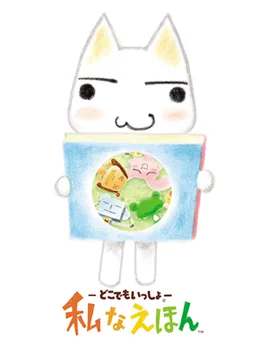
Doko Demo Issho: My Picture Book is a video game developed by BeXide and published by Sony Computer Entertainment Inc. It was released in April 24, 2003 on the PlayStation 2.
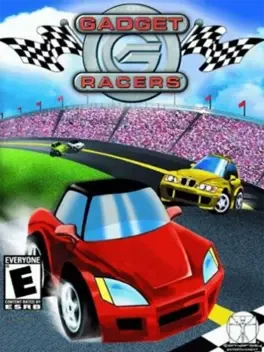
Gadget Racers is the first of two Choro-Q video games to be released on the Nintendo GameBoy Advance.
