
Power Sokoban


Buy
Part of collection:
Sokoban
(last 3 games)
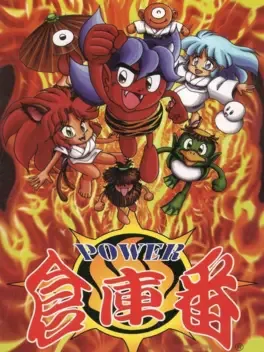
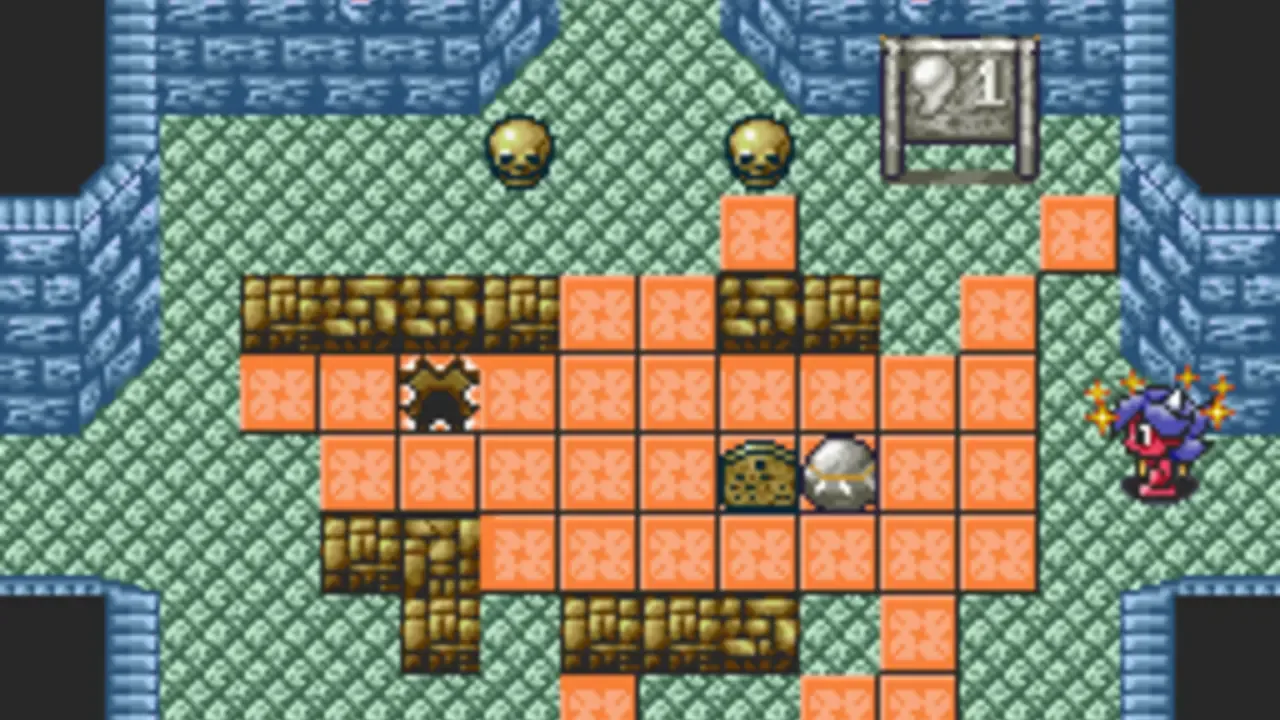
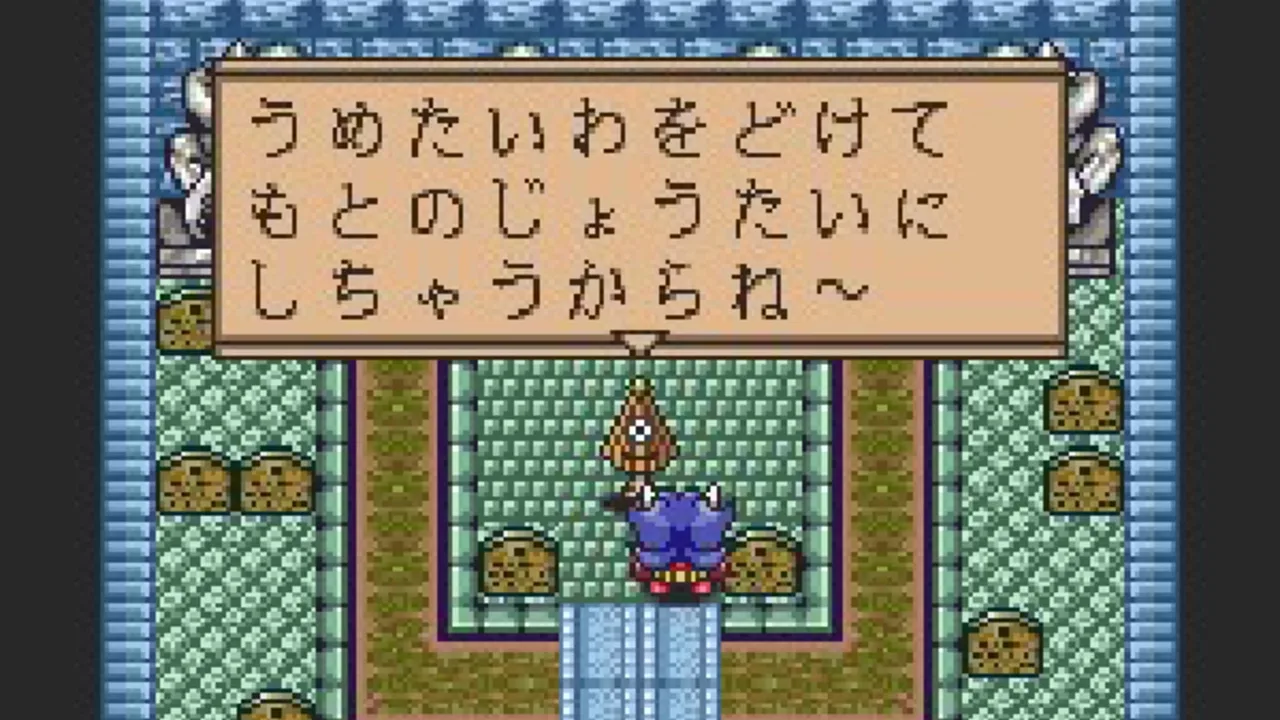
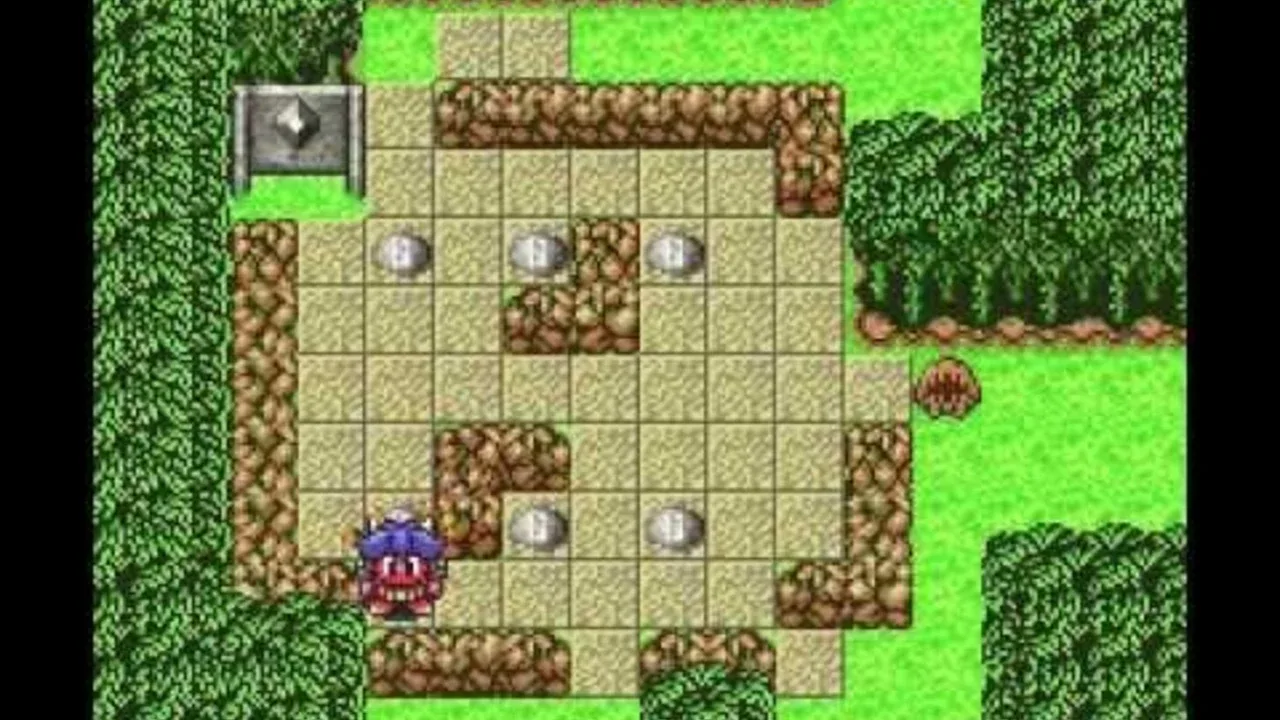
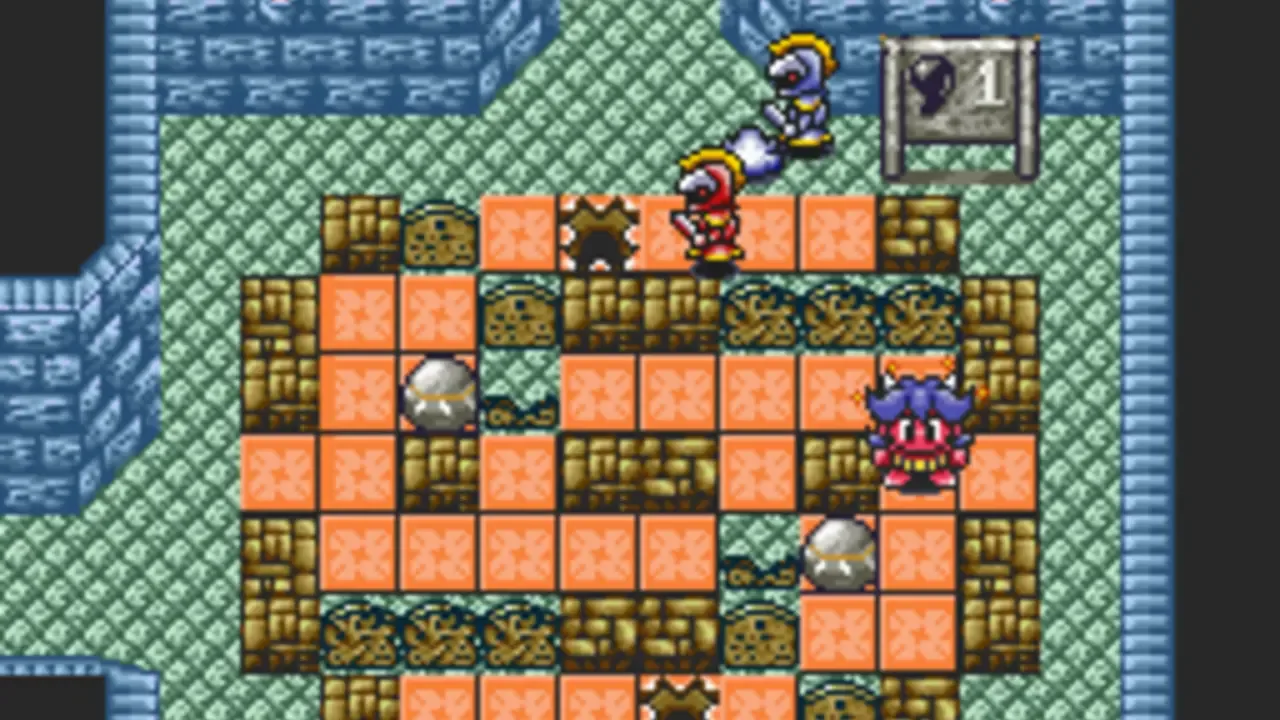
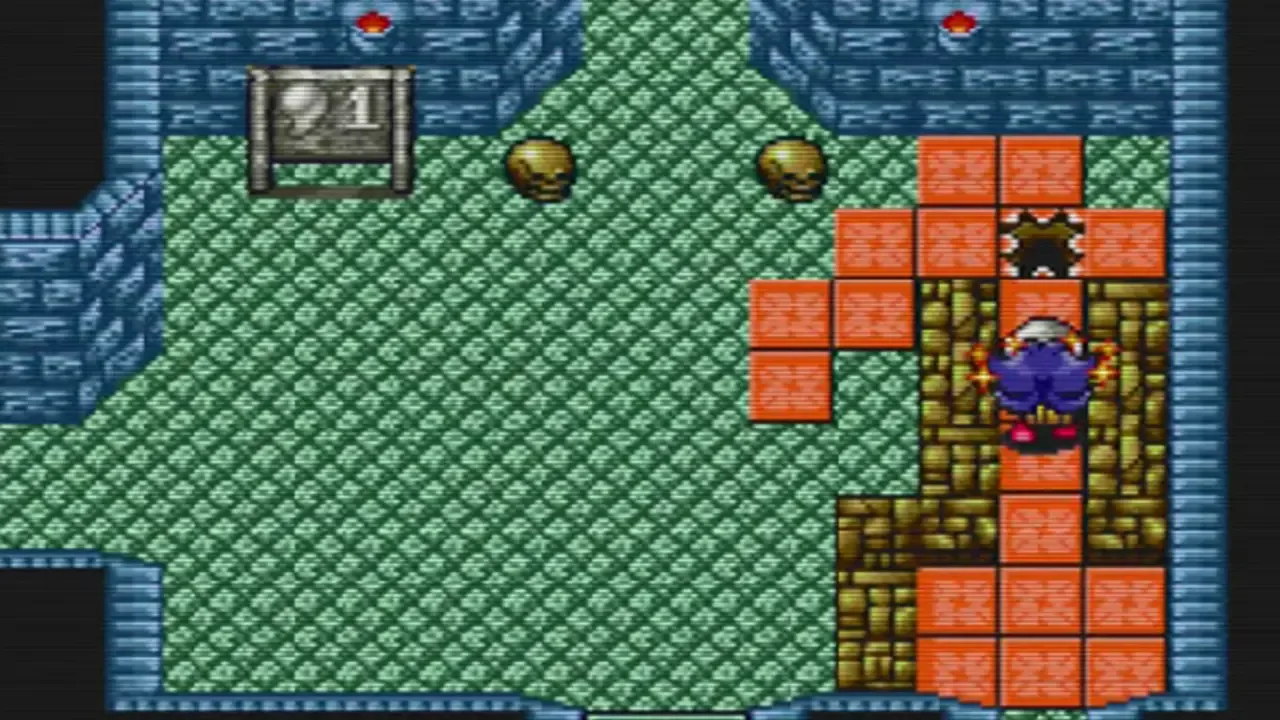
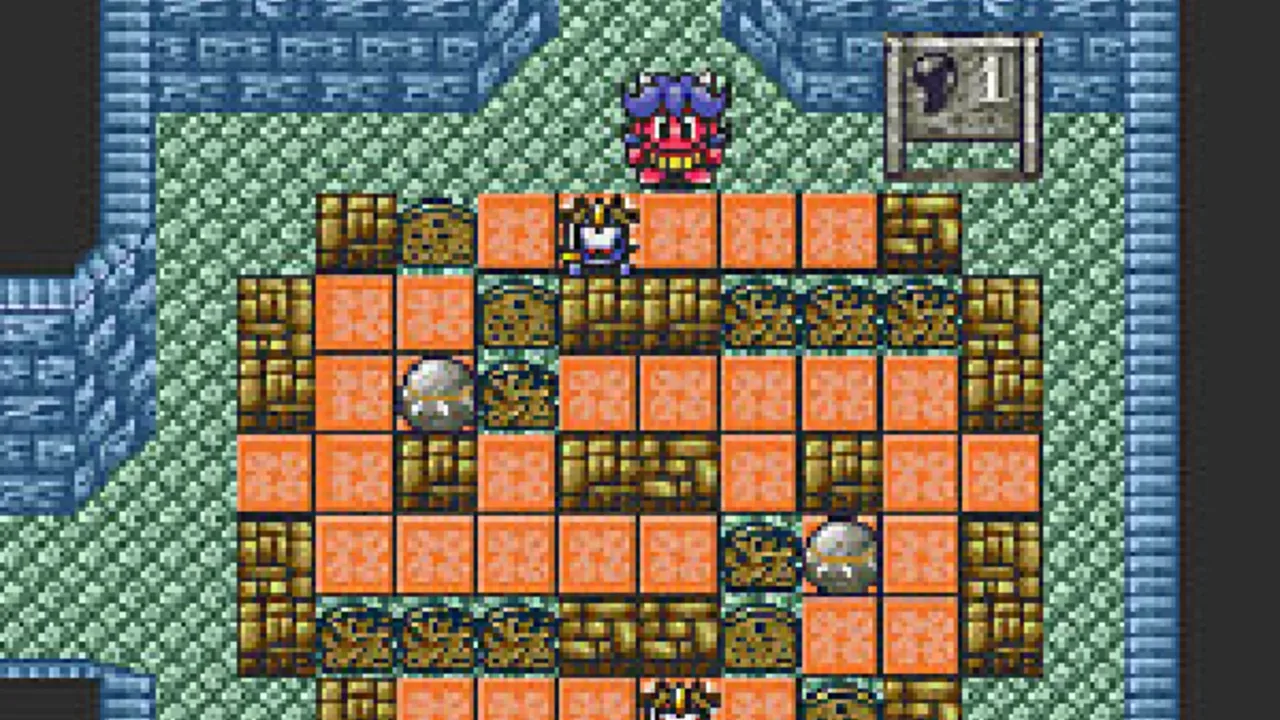
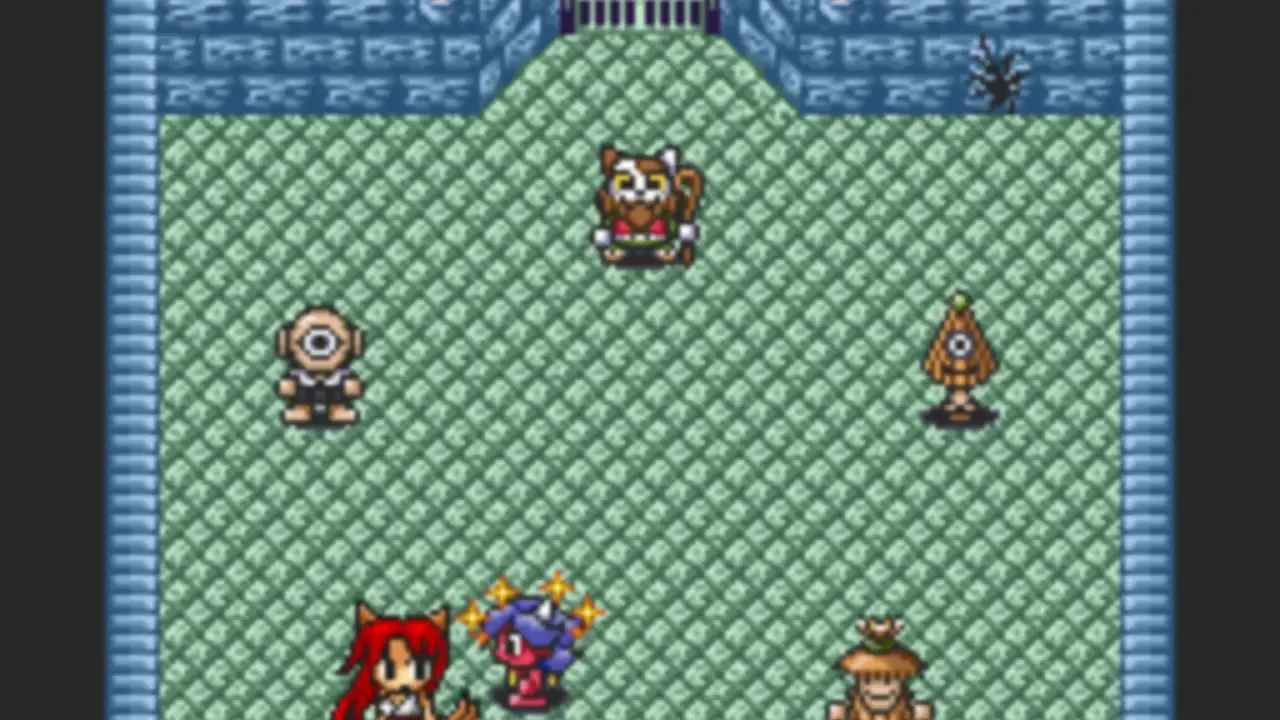
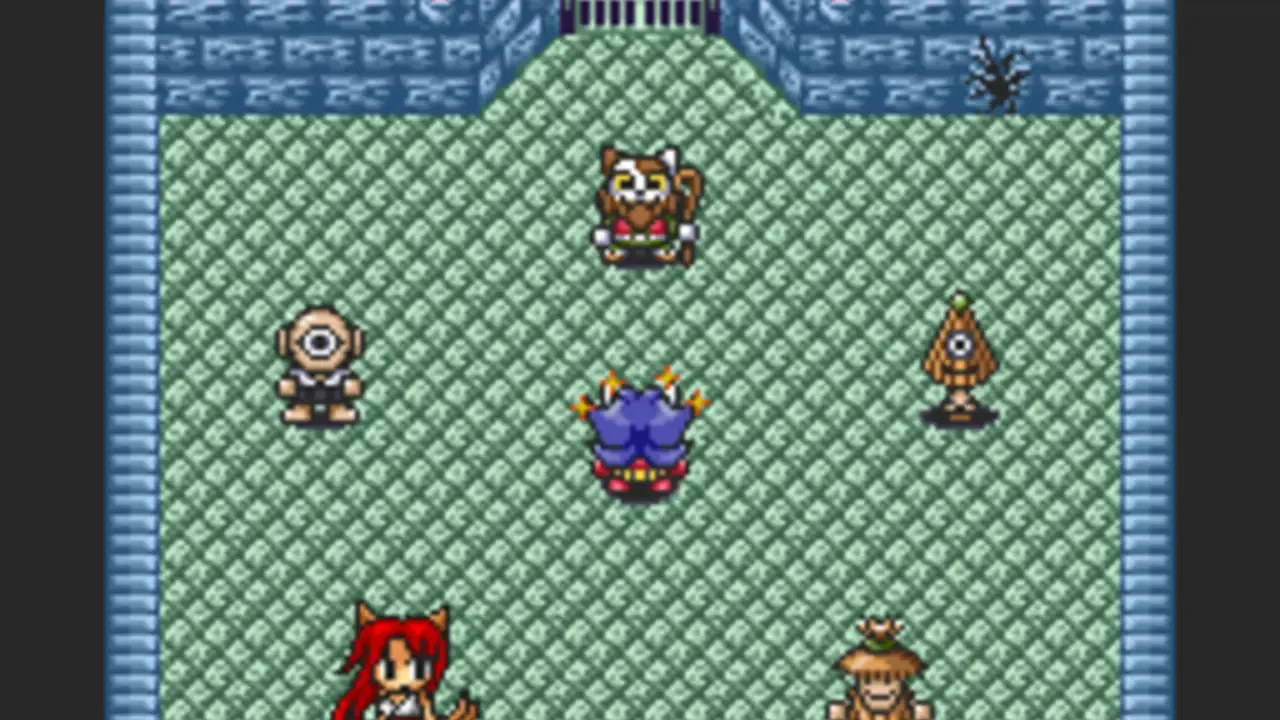
Power Sokoban is a Puzzle game, developed by Atelier Double and published by Nintendo, which was released in Japan in 1999.
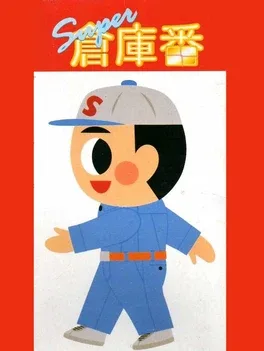
Super Sokoban (or Soukoban) is a puzzle game in which the player must push crates around a maze to their designated storage area, ensuring they do not accidentally push a crate into a position where it cannot be recovered. Thinking Rabbit created the original game in 1982 on home computers, and Super Sokoban is the first Super Famicom game to follow the same blueprint. The intro establishes that the eponymous Sokoban, or warehouse worker, must perform enough box-pushing puzzles to earn enough cash for a flashy new car so that he might finally impress the girl of his dreams. An added wrinkle is that each stage has a fixed move limit, and so the player must not only push the boxes in the right order but do so with maximum efficiency. The game was not released outside of Japan.
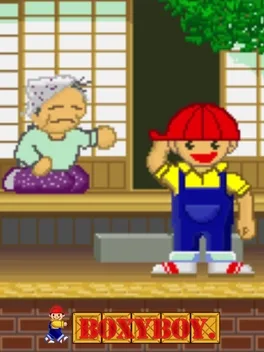
The player controls the character "Rabi-Kun", and must push various crates over the yellow dots in order to complete the game's fifty-five stages (divided into five "worlds") in that stage's time limit. Rabi-Kun can only push the crates, and he cannot pull them; and should one of the crates reach an unmoveable position, the player may simply push the "reverse" button to undo one of the player's moves. Should Rabi-Kun be trapped in an area and cannot get out, the player must push the "reset" button on the control panel, however this will not reset the timer; and should that timer reach zero, the game will be immediately be over.
Could be interesting
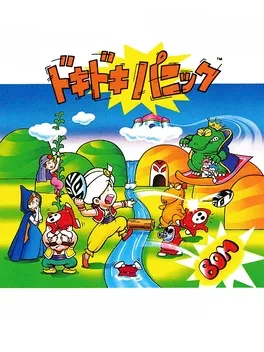
While two children, Poke and Piki, are reading a story, a monstrous hand suddenly appears from inside the pages and kidnaps them. When the rest of the Dream Factory family hear their cries of help, they jump into the story and help save them from the evil Wart. The game was released as part of the Yume Koujou '87 event (sometimes referred as Dream Machine, in English), which was sponsored by Fuji TV, and stars its mascots. The game was edited and released as Super Mario Bros 2. Due to Nintendo of Japan feeling like their version of Super Mario Bros 2 would be too difficult and outdated by the time it got to the United States.
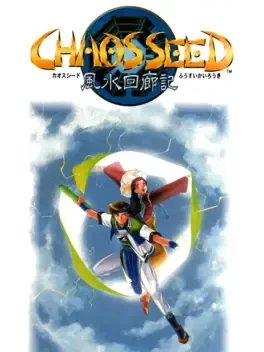
Delve into the depths of vast underground labyrinths, seeking aid from the spirit world in bringing life back to a dying planet! Chaos Seed is a role-playing game with elements of action and strategy blended in. Players will have to make smart use of their resources and use feng shui to their advantage to proceed.
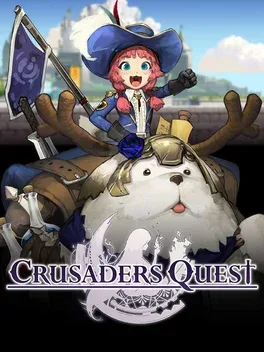
Crusaders Quest is an action RPG for IOS and Android made by Korean developer Toast.
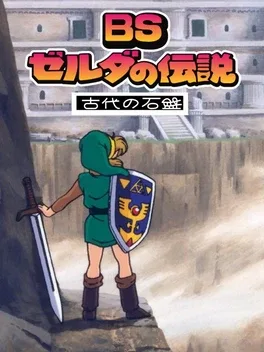
Ancient Stone Tablets was a Japan-Only release for the Legend of Zelda: A Link to the Past. It was an add on made for Satellaview, a system that takes radio broadcasts and processes them into games live. The game came in four weekly broadcasts and made new additions to the original, such as weather, many new dungeons, and a new story. The game was much like a Second Quest or Master Quest of A Link to the Past, sharing a very similar overworld with slight changes and entirely new dungeons. Unlike a Second Quest however, it has an entirely new story. Various actions earned the player points, and these points could later be traded in to Nintendo for different prizes. Ancient Stone Tablets is different from most other Zelda games as the game's central heroes are actually the avatars of the player's ID for the BS-X Broadcasting System (Super Famicon), drawn into Hyrule, which is also true for BS The Legend of Zelda. The difference being that this time the player does not take the place of Link, but takes part in a new tale set after the events of A Link to the Past. The male character wears a green tunic (though others are later available) and a backwards baseball cap. The female character has long red hair and is otherwise almost exactly the same as the male.
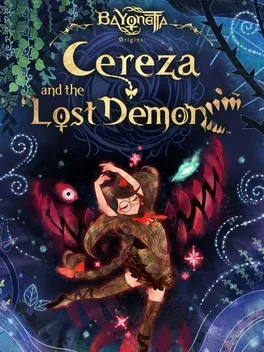
Long before this trainee of the dark arts would come to be called Bayonetta, she took a fateful journey into the forbidden Avalon Forest. Alongside her was Cheshire, her very first demon, possessing Cereza’s stuffed toy. Play as both Cereza and Cheshire and search through the treacherous forest to look for the power to save Cereza’s mother.
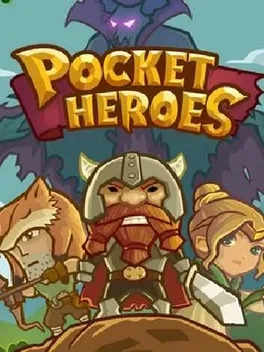
Command a party of elite heroes, fight monsters and demons in various dungeons. Use magic and different weapons. Take vengeance for king Arthur's death in this Android game. Defeat strong monsters like cyclops, carnivorous plant, giant sandworm and so on. Organize your hero parties in such a way so their classes and abilities complement each other. You have mages warriors, archers and priests. As you level up you can choose one of two paths of each hero class.
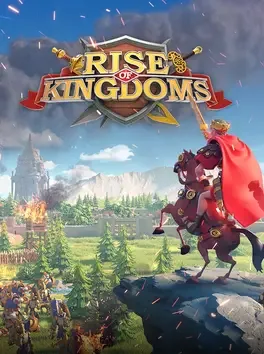
From the depths of obscurity to the peaks of legend, you will be the author of your civilization's history. Will you launch epic wars and conquer the entire world? Or rise up as a virtuous leader renowned for your sagacity? Will you set off to explore the unknown as a pioneer? Or dedicate yourself to helping your own people?
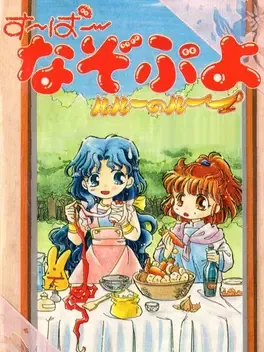
Super Nazo Puyo: Rulue no Roux is the sequel to Nazo Puyo: Arle no Roux. It was succeeded by Super Nazo Puyo Tsu: Rulue no Tetsuwan Hanjouki. A Nuisance Puyo variation known as Iron Puyo was introduced in this game. Super Nazo Puyo: Rulue no Roux uses the basic rules of Puyo Puyo. The game controls like a normal Puyo Puyo game with all five colors available and the ability to roate clockwise and counter clockwise, except the ability to double rotate and climb is not possible. Each puzzle gives the player different objectives to clear. The objectives range from clearing all of a specific color of Puyo, clearing all Nuisance Puyo, creating a specific chain length, clearing a certain amount of Puyo simultaneously, or simply clear the whole board. Every time the player fails to complete a puzzle, the player's health will deplete, as indicated by Arle or Rulue's expression gradually getting more distressed. If the player's health depletes completely, they'll receive a Game Over and can either choose to continue from the last save or quit back to the title. The player can recover completely if the gauges on the right side of the screen fills completely and rank up, with each cleared puzzle filling it gradually. On the pause menu, the player has the option to skip a puzzle at the cost of health. There are five game modes: Arle's Roux, Rulue's Roux, Road to Chains, Endless Puyo, and Editor. In the first three modes, the player must solve the presented tasks with a set of available Puyo. Arle's Roux focuses on a scenario with Arle, acting as the normal course with her puzzles only involving standard Puyo. Rulue's Roux is the mode that focuses on Rulue and acts as the expert mode, with her puzzles including Iron Puyo and Blocks. In both modes, the objective is to clear puzzle sets from varies characters within an area, with one character acting as a boss that cannot be challenged until the others are beaten. Once the boss of a given area is beaten, the player will progress to the next area. Road to Chains acts as a challenge mode where the player is given a series of puzzles to solve at a gradually increasing difficulty, with the player being unable to restore health. The Endless Puyo mode is a regular endless mode except that 6 next Puyo are shown instead of 1 next Puyo, and that nuisance Puyo will fall in the higher levels of difficulty. The Editor mode allows you to place Puyo freely in a manner similar to Practice Notebook in Puyo Puyo 7. You can also set a list of next Puyo and the task to be solved.
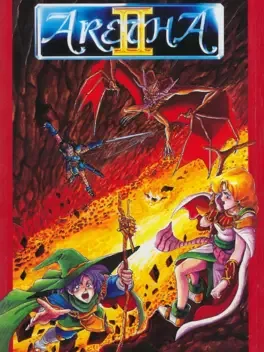
The game is a console-style RPG - you fight random enemies in turn-based combat viewed from first-person perspective. Enemies may attack you from the sides, and you should pay attention which enemy you face. A unique feature the game uses is the ability to get special items called "souls" after battles, and then to use them to forge your own armor.
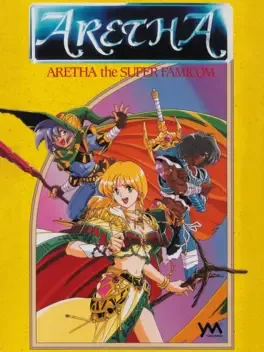
The game is a console-style RPG, where Ariel and her party travel on the world map, through forests, mountain paths, and caves, occasionally visiting towns and fighting monsters in turn-based combat viewed from first-person perspective, using a variety of physical and special attacks.