
Q*bert


Buy
Expanded games
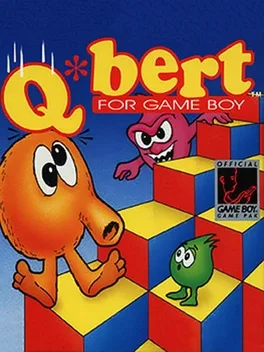
Q*bert for Game Boy brings new challenges to the classic series.
Part of collection:
Q*Bert
(last 3 games)
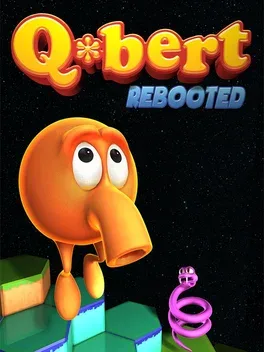
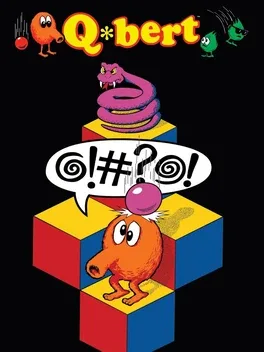
One of the most critically acclaimed and commercially successful arcade games of the 1980s is back in its Classic pixel perfect 2D form, and a re-imagined Reboot version with state of the art 3D game-play and graphics that remain faithful to the original concept.
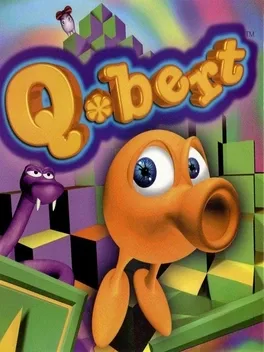
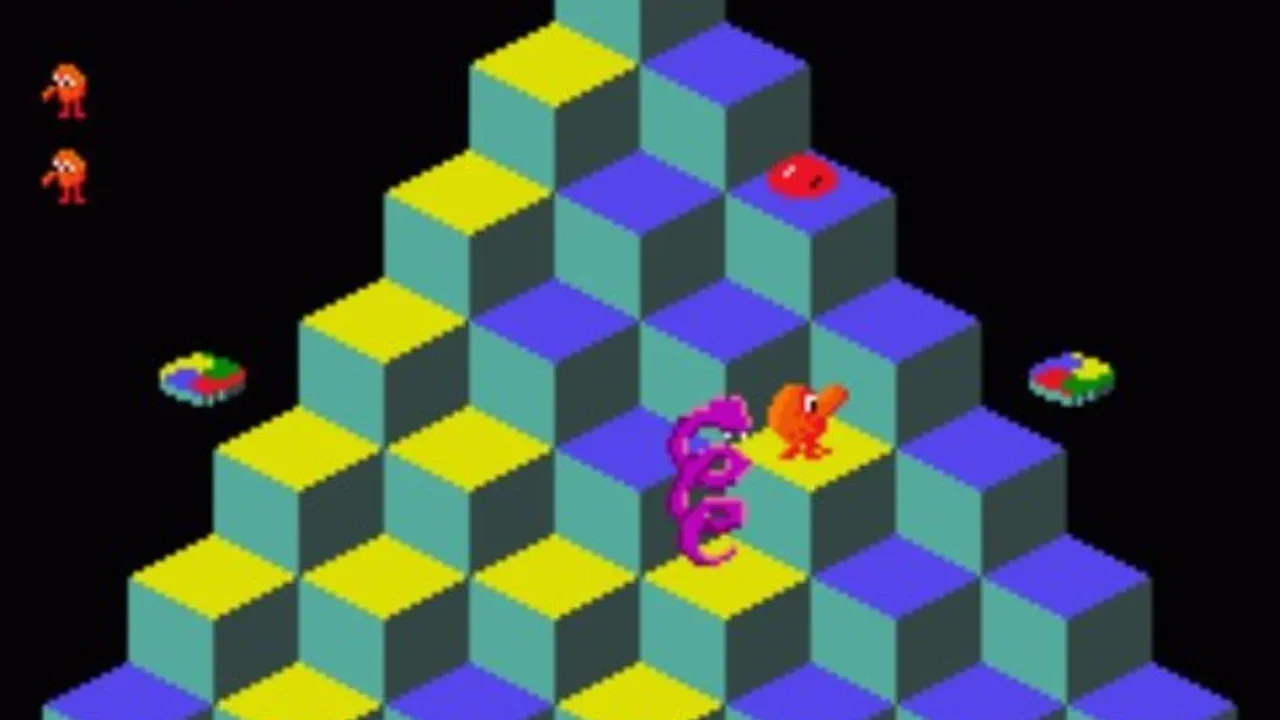
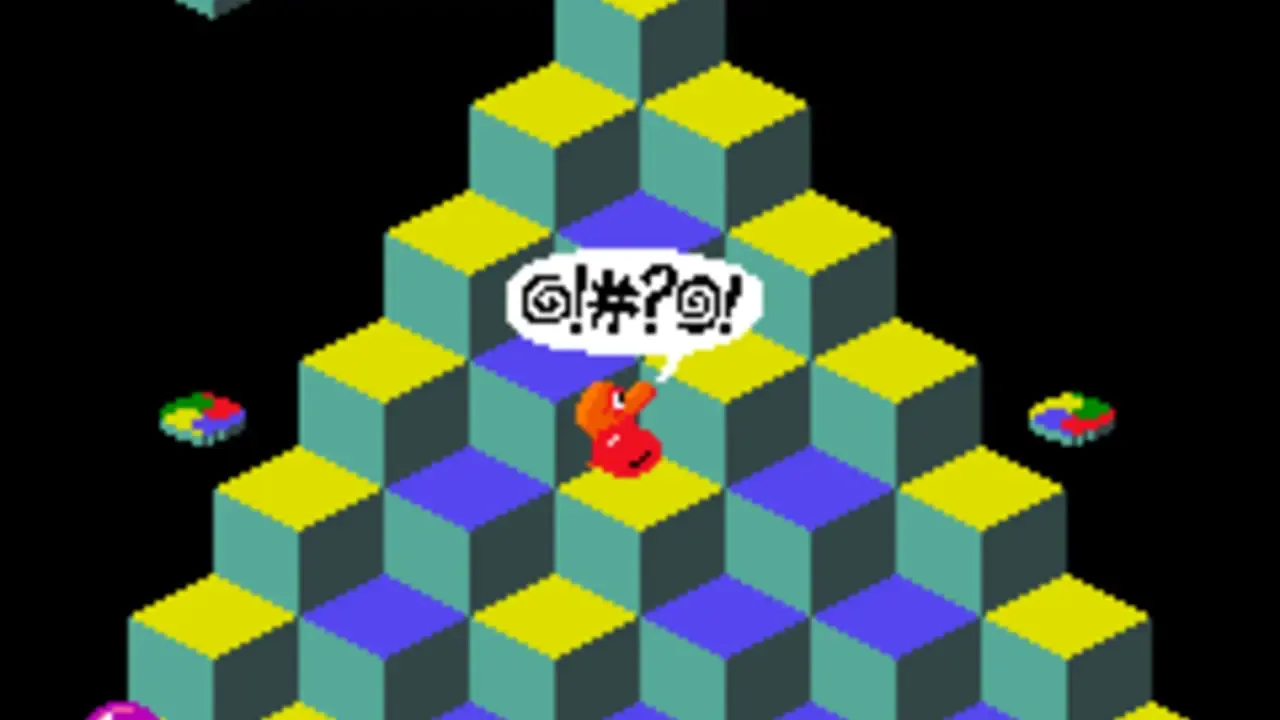
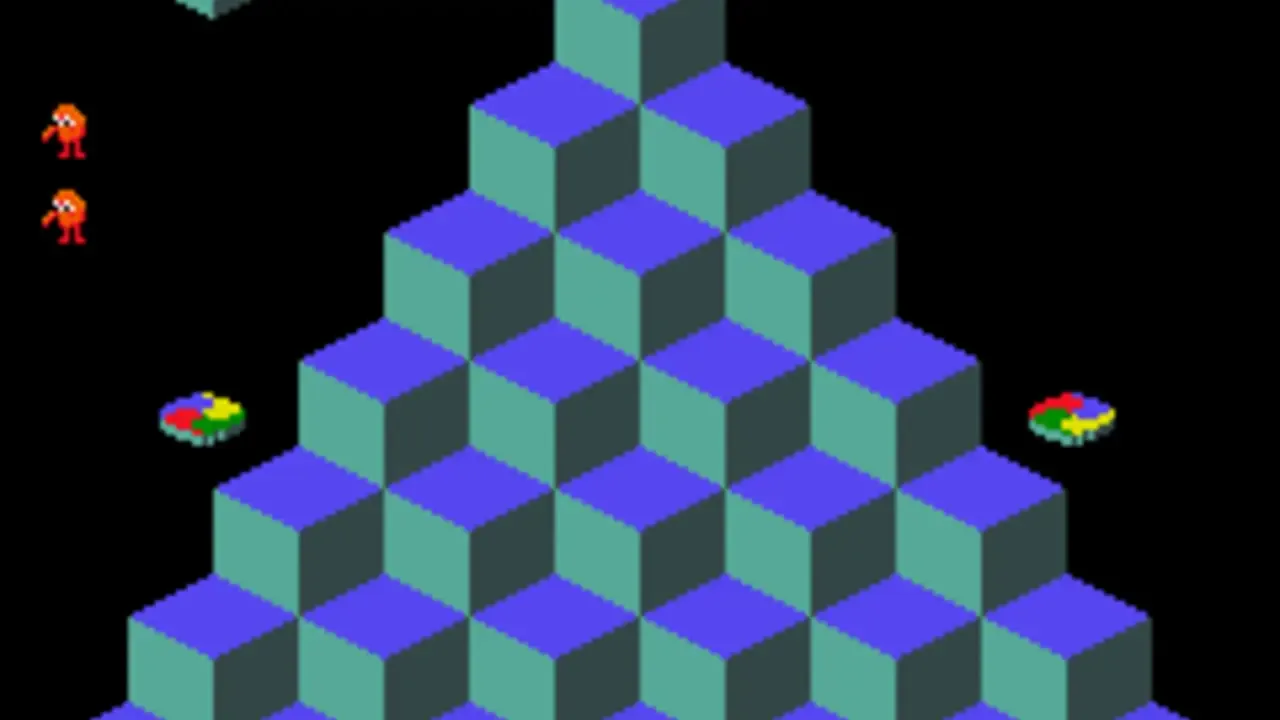
Will you master it or will it master you? Help Q*bert safely navigate his cube world by changing all the cubes to one colour whilst avoiding Coily the Snake and other enemies. Seem simple? Well don't underestimate the task of this challenging puzzle game that will test your skill and mental dexterity to the full. Special features include multiple power-ups, bonus rounds and hidden levels.
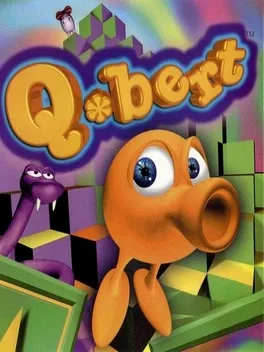
Q*bert is a remake of the arcade game of the same name with three-dimensional (3D) graphics. It was developed by Artech Studios and released by Hasbro Interactive on the PlayStation and PC in 1999 and on the Dreamcast in 2000. Q*bert has 3 modes of play. Classic is like the original Q*bert, and the graphics can be changed from Retro to Modern. The Adventure mode takes Q*bert to 3D dimensions, and contains power ups and all new characters set in 4 worlds. Head to Head is a multiplayer mode.
Could be interesting
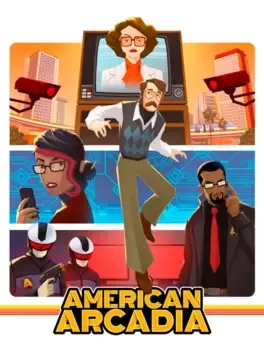
Escape from a televised utopia in Out of the Blue’s brand new puzzle-platformer game. Welcome to Arcadia! A 70's retro-futuristic metropolis where all its citizens enjoy a life of luxury and comfort… unaware that they’re being broadcast live 24/7! Arcadia is not an ordinary city, but the most watched reality show on the planet - where a drop in popularity ratings comes at the highest cost: death. Uncover the truth and escape with your life in American Arcadia!
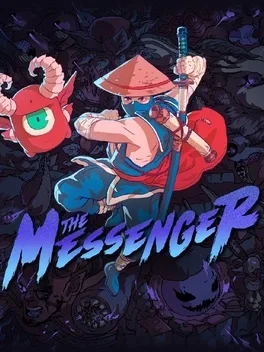
As a demon army besieges his village, a young ninja ventures through a cursed world, to deliver a scroll paramount to his clan's survival. Leveraging players expectations as a core game design ingredient, The Messenger is first presented as an 8-bit action platformer with a simple story, that unravels into an epic time traveling tale, eventually revealing itself as a 16-bit Metroidvania game packed with replay value and deadpan humor.
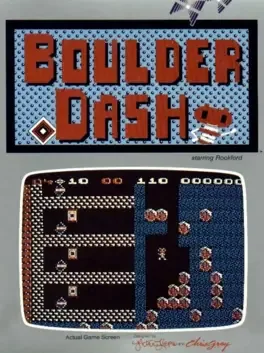
Boulder Dash was originally released in 1984 for Atari 8-bit computers. It was developed and published by First Star Software, and spawned a series of sequels, re-releases, and spinoffs. It also did a great deal to establish and influence the mining genre of video games, which can be seen in modern games such as Minecraft, Spelunky, and Terraria.
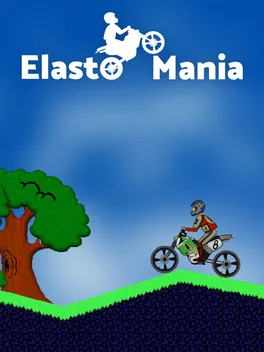
Elasto Mania (also known as Elma) is a physics-simulation game released in 2000. It claims to be "based on a real physical model." It explores the notion of elastic motorcycles. The goal of each level is to collect every apple (disappearing by contact) spread throughout it, and then to touch the flower (the exit object). Some people, especially the ones part of online groups such as Mopolauta, play the game trying to finish levels as fast as possible, while others, mostly quite-new-to-the-game players, simply concern themselves with the accomplishment of levels, often first requiring figuring out a way for them to be solved. Ultimately, though, experienced players are motivated by the objective of finishing levels in the least amount of time possible, trying either to settle down personal, or world, records. That contributes to setting the stage for serious competition, especially in the official game levels.
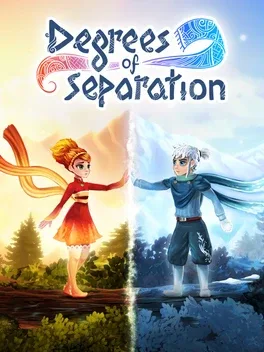
Degrees of Separation is a puzzle platformer where cooperation is built into every move. Two contrasting souls, Ember and Rime, fall in love, but are separated by an enigmatic force, and must use their powers to progress through a spectacular world of fantasy and adventure. Players solve environmental obstacles by drawing upon the contrasting temperatures of warm and cold in single-player and cooperative multiplayer.
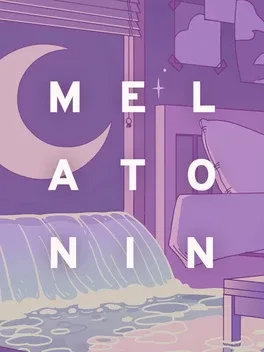
Melatonin is a rhythm game about dreams and reality merging together. It uses animations and sound cues to keep you on beat without any intimidating overlays or interfaces. Harmonize through a variety of dreamy levels containing surprising challenges, hand-drawn art, and vibrant music.
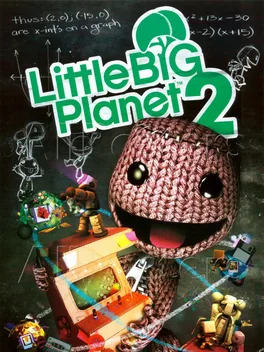
LittleBigPlanet 2 is a puzzle platformer video game centered around user-generated content, first announced on May 8th, 2010 in the June 2010 issue of gaming magazine Game Informer. The game was developed by Media Molecule and published by Sony Computer Entertainment Europe for the PlayStation 3 console, and is the last major Little Big Planet game in the series to be produced by Media Molecule, as the sequel, Little Big Planet 3 would be produced by Sumo Digital, Tarsier Studios, and The Station. Unlike the original LittleBigPlanet which was marketed as a "Platform game", LittleBigPlanet 2 was marketed as a "Platform for Games". The game is 100% backwards compatible with all user-created content (including personal profiles) from the first game. It is a direct sequel to LittleBigPlanet, and the third game in the series. The disc also features Sackboy's Prehistoric Moves, a ModNation Racers demo, as well as a PlayStation Network tutorial video.

Unravel Two is the sequel to the 2015 puzzle platforming game Unravel. In the game there are two Yarny's (made out of yarn) which can be controlled by one player, though the game can also be played in co-op. Together the Yarny's explore area's and solve the puzzles within them.
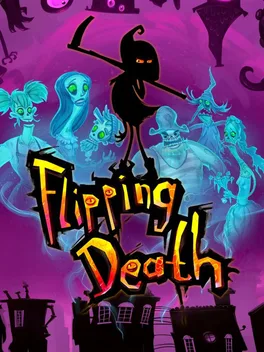
Possess the living, aid the dead and flip between the worlds of Flipping Death - a puzzling adventure platformer where you find yourself filling in for Death. Maybe your new powers will help you solve the mystery of your own demise?
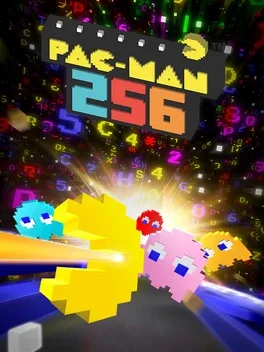
Pac-Man 256 is inspired by the glitched 256th level of Pac-Man. In the game, the player must continuously navigate an endless maze while avoiding ghosts and using power-ups and power pellets to combat them. Fruits grant a temporary multiplier, and as Pac-Man eats dots, it is up to the player to try to top their high score.