
Shinseiki Evangelion: Koutetsu no Girlfriend





Buy
Expanded games

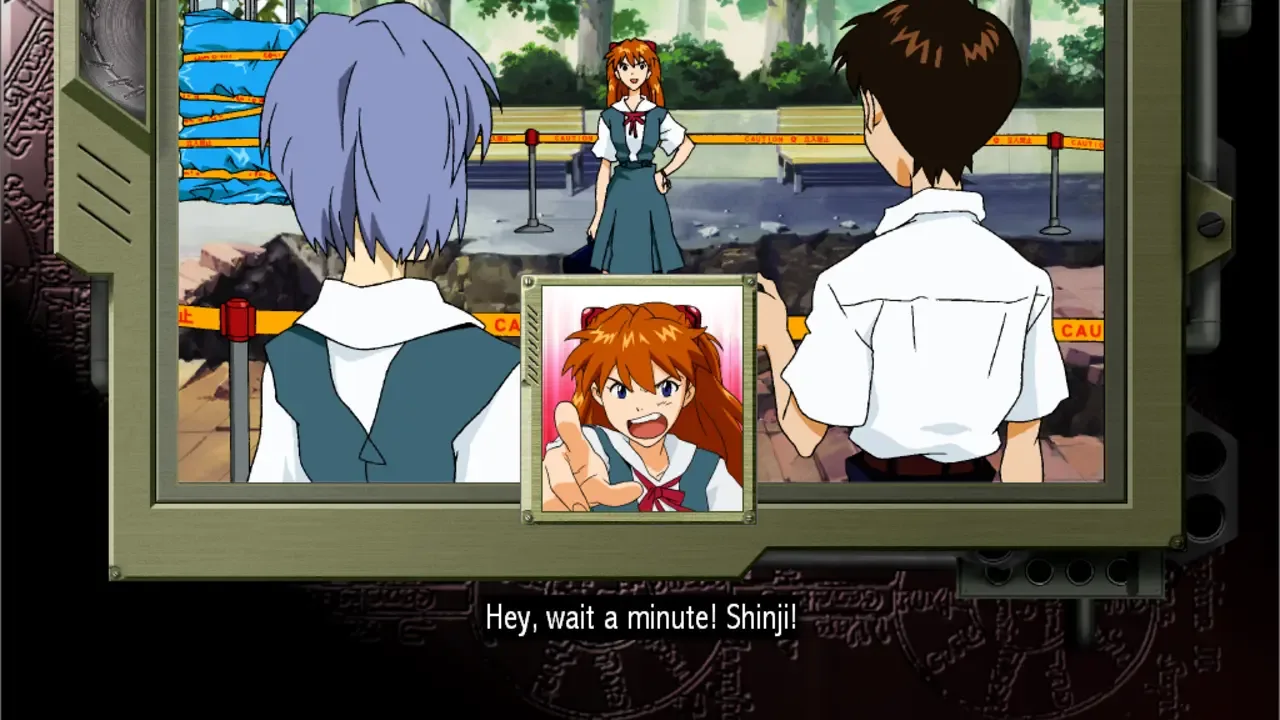
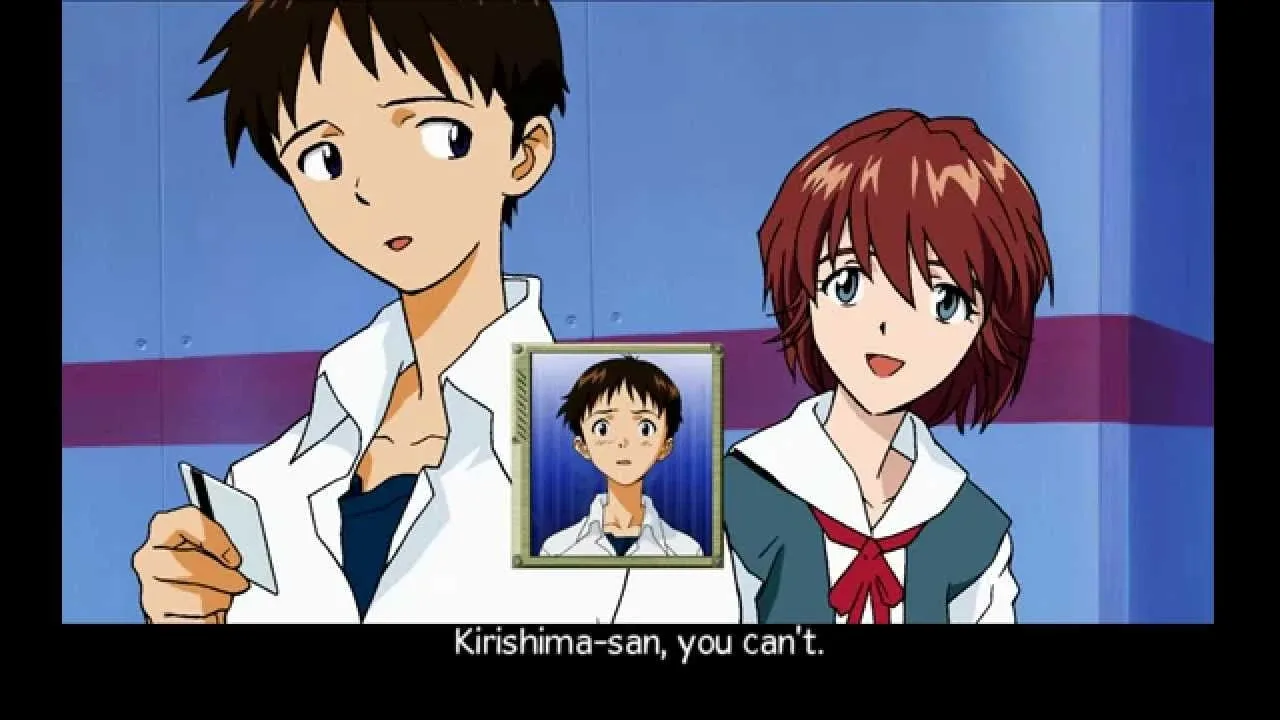
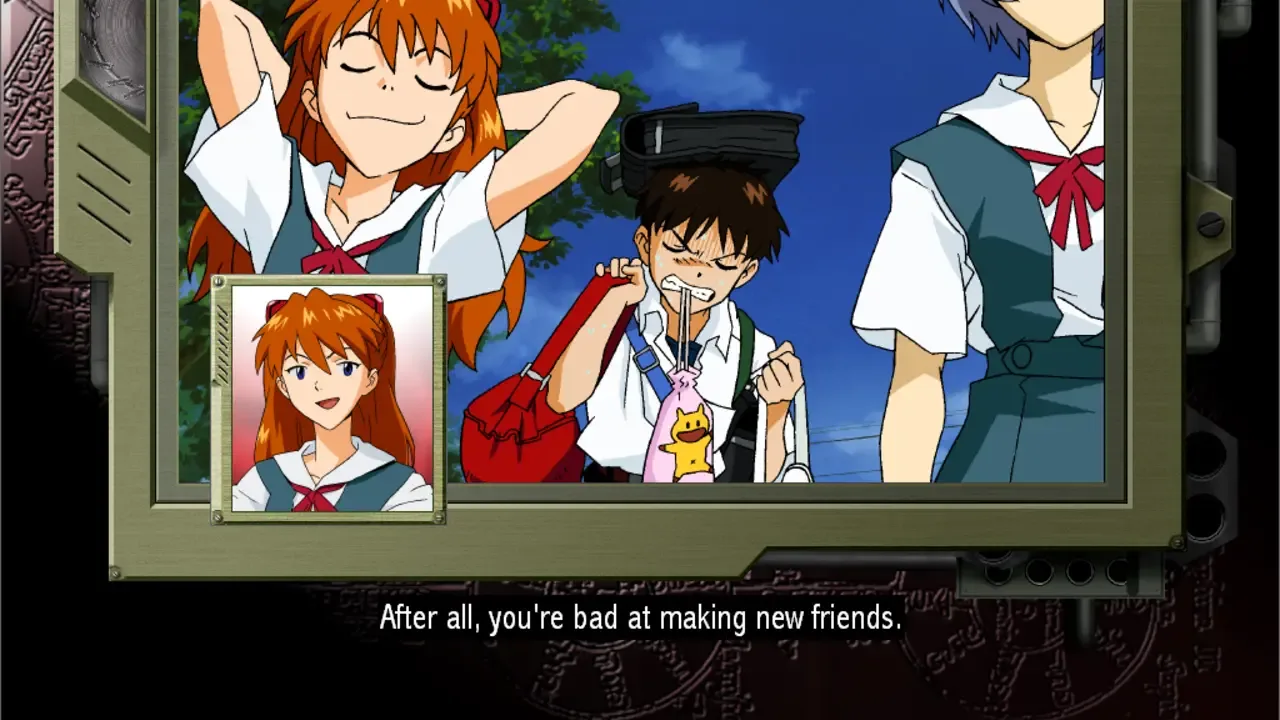
Neon Genesis Evangelion: Girlfriend of Steel, also known as Neon Genesis Evangelion: Iron Maiden, is a video game based on the Gainax anime/manga series Neon Genesis Evangelion. The PS2 and PSP edition adds new scenarios, gallery and replay mode and an auto-save function.
Part of collection:
Neon Genesis Evangelion: The Iron Maiden

Neon Genesis Evangelion: Girlfriend of Steel 2nd (新世紀エヴァンゲリオン鋼鉄のガールフレンド 2nd Shinseiki Evangerion Kōtetsu no Gārufurendo 2nd, lit. "Neon Genesis Evangelion Girlfriend of Steel 2nd"), subtitled in English Neon Genesis Evangelion: Iron Maiden 2nd, is a Gainax-produced adventure anime-style video game, and manga based on that game, set in the alternate universe seen in episode 26 of Neon Genesis Evangelion. The player controls Shinji Ikari, the hero of the original Evangelion series, as he navigates his home, school, and social life in a now-peaceful "Tokyo-3".
Neon Genesis Evangelion: Girlfriend of Steel, also known as Neon Genesis Evangelion: Iron Maiden, is a video game based on the Gainax anime/manga series Neon Genesis Evangelion, released officially only in Japan for the PlayStation, Sega Saturn, PlayStation 2, PSP, Windows (PC), and Macintosh. On January 20, 2005 a sequel was released titled "Neon Genesis Evangelion: Girlfriend of Steel 2nd" for the Playstation 2, and while it does feature much of the cast of the original game, the story is unrelated to the original's.
Part of franchise:
Neon Genesis Evangelion
(last 3 games)

The Evatchi, also known as the Multipurpose Egg Shaped Decisive Weapon Evatchi is a licensed Tamagotchi Nano model based on the anime series Neon Genesis Evangelion. Special Governmental Agency NERV has developed the technology to apply retroversion on Angels, forcing them into their embryonic state to be raised in egg-shaped containers filled with L.C.L. The egg-shaped armored containers are built to restrain Angel from its rampage and allow people to carry them outside of the organization’s laboratory. As a member of NERV, you have been assigned to raise the Angels using the ‘Evatchi’, and based on how you handle various events, the Angel will grow into various forms. Attend to any instances of L.C.L. corruption and break through all generated A.T. Fields!
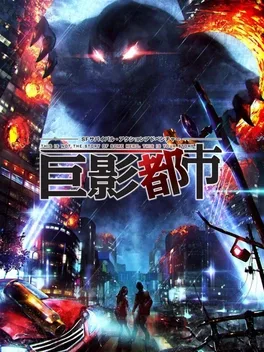
Disaster Report-esque game starring villains from disaster movies.

"Don't run away. *Pilot an EVA for the first time in VR history. The future is in your hands. *The wonders of VR technology have fully recreated the cockpit, aka “Throne of Souls”, inside the EVA Entry Plug. Board a specialized sensory machine and pilot your EVA in a VR world of massive scale. *The 10th Angel is attacking Tokyo-3! Defeat it with the help of two other companions on EVAs, before your operational time limit runs out! *Experience firsthand the thrill of the EVA activation sequence, including LCL immersion, A10 nerve synchronization, and sync ratio measurement, as you prepare for an intense battle with the 10th Angel!"
Could be interesting

Detective Evangelion (Meitantei Evangelion), an adventure/strategy PS2 game published by Broccoli, follows Shinji Ikari, a detective hired by Nerv, as he attempts to uncover the truths behind a series of murders. The game was released in Japan on Jan 17, 2007 and include voices from all the original Seiyū. There were 2 editions of the game: a standard edition which included a Nerv magnifying glass/key chain if you pre-ordered; and the premium edition (about 26,040円) which included a multi-face analog watch. You play as Shinji the detective in an adventure style gameplay, talking to the Nerv personel and other people in the environment in order to pick up clues within the conversations. The game starts as Shinji emerges from an outdoor stall with sirens blaring in the background. He then finds Rei Ayanami being attacked by a teenager with tentacles. Shinji must then fight the teenager in order to free Rei. From this point on, you pick locations and explore, the ultimate goal being to discover the identity of the killer that's committing murders all over Nerv and Tokyo-3. At each of the locations, you can interact with the people there, with the occasional action sequence or mini game. All of Shinji's friends, Gendo and Misato all appear in the game.

An adventure game where you follow the cybernetic journeys of a girl named Lain.

In Ayanami Raising Project, the player takes on the role of a NERV officer who has just been assigned to Tokyo-3. Upon meeting with Commander Gendo Ikari, he is charged with taking care of the First Child, the mysterious Evangelion pilot Rei Ayanami. It is up to the player to decide Ayanami's weekly schedule, balancing between education, duties at NERV, and leisure. The game spans approximately one year, and includes the events of the entire anime series, as well as the movie The End of Evangelion. In the "Asuka Supplementing Project" version released for PS2 and DS, the player can also unlock a new Asuka route.

Clannad follows the life of Tomoya Okazaki, a high school delinquent who meets many people in his last year at school, including five girls, and helps resolve their individual problems. The gameplay of Clannad follows a branching plot line which offers pre-determined scenarios with courses of interaction, and focuses on the appeal of the five female main characters by the player character. The game was ranked as the best-selling PC game sold in Japan for the time of its release, and charted in the national top 50 several more times afterwards.

Akira is a 1988 adventure video game by TOSE for the Family Computer console exclusively in Japan. It is based on Akira, the 1988 animated film version of Katsuhiro Otomo's manga of the same name.

Yahari Game Demo Ore no Seishun Love-come wa Machigatteiru. Kan features an original story with six routes based on the player’s decisions. In the game, the player can enjoy new stories centered around six heroines (Yukino Yukinoshita, Yui Yuigahama, Iroha Isshiki, Saika Totsuka, Shizuka Hiratsuka, and Saki Kawasaki), different from the stories of the anime and light novel. The direction that the story takes is up to the player.

A visual novel about gay asian girls playing baseball and falling in love.
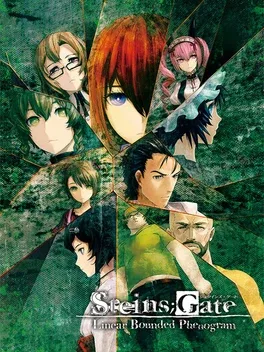
Steins;Gate: Linear Bounded Phenogram/Phenogram of Linear Restraint (STEINS;GATE 線形拘束のフェノグラム Senkei Kousoku no Phenogram?) is a visual novel released on April 25, 2013 containing a mixture of scenarios set during and after the original visual novel's story-line, but in different world lines.

Based on the 1997 anime, Shoujo Kakumei Utena: Itsuka Kakumei Sareru Monogatari tells an original story which is set between episodes eight and nine of the TV series. The main character of the game is an original character who transfers to Ohtori Academy. The game is in the style of a visual novel with strong dating sim elements. The major characters each possess a statistic called "Heart's Nobility" which the player affects through dialog choices that appear sporadically during play. Each character's level of Heart's Nobility determines how the game will end. The special endings available for characters that end with particularly high Heart's Nobility represent the game's dating sim element, but because it is set within the larger plot of the TV series the relationships are usually somewhat platonic, or one-sided affections on the part of the main character.
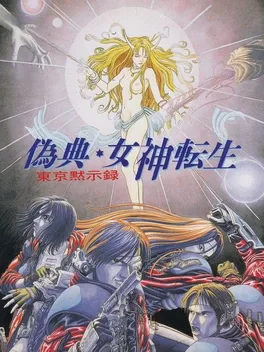
The game is set in an alternate reality, in which Tokyo is invaded by hordes of demons. You play the role of a young man who lives in an underground shelter and is training to become a demon hunter with help of special programs. One day, during a training, one of the programs goes berserk, and as a result you are thrown into the world where you must fight for your life against vicious demons. Giten Megami Tensei: Tokyo Mokushiroku is a non-canonical part of Megaten universe, featuring recurrent setting and story elements of the franchise. Like in classic Shin Megami Tensei games, the largest part of the game is spent in 3D dungeons, which are viewed from first-person perspective. The battle system introduces some unusual elements: enemies are visible before the actual battle begins, and during your dungeon exploration, you will be sometimes attacked from different sides. You will have to turn around to face the enemy in real time, but the game will be paused when you select commands from menu, in a traditional turn-based fashion.