
Soukaigi



Buy
Could be interesting

Suikoden is a Japanese-style role-playing game with several unusual additions. There are three kinds of combat in the game, the most common one being the traditional turn-based party combat (players can have up to six people in their active party). Magic runes can be equipped on the player's characters which allow limited usage of offensive and healing spells. There are also a few army battles, where the player must control whole units of fighters, archers, magicians, etc., and one-on-one fights (duels).
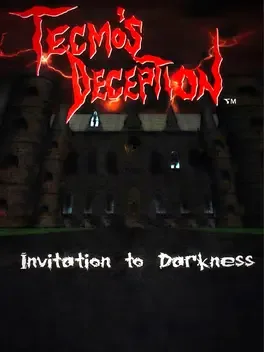
Should you enter Tecmo's Deception you should be warned! You must decide who lives and who dies. As in life, Tecmo's Deception will hold you responsible for your actions. Everything you do, everywhere you go, everyone you meet has a reason. Are you seeking revenge, resurrection, or redemption? It's your decision.
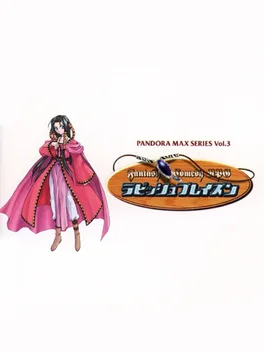
Pandora Max Series Vol. 3: Rubbish Blazon is a RPG developed and published by Pandora Box, which was released in Japan in 2000
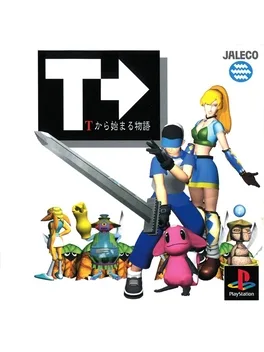
T Kara Hajimaru Monogatari is an action adventure game developed by Jaleco in 1998, in the game the player takes the role of a young skater boy (which name is unknow since the player can put the name that he wants to) that one day he arrives at home and received in email in his computer to create a graffitti using these 4 words: Trap, trick, trip, truth.
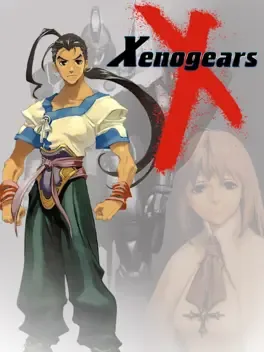
Xenogears Blends Authentic RPG Gameplay with Exquisite Hand-Drawn and Computer-Generated Animation in a Grand Science Fiction Tale. An intricate storyline involving many human and non-human characters will prove to captivate audiences of all ages. Players can rotate the amazingly detailed 3D gameplay maps 360 degrees, and have the ability to navigate around the environment by jumping and climbing. In battle, mega-robots can be controlled, adding great variety to play. A new real-time combat system eliminates restrictive menus, using button commands to provide fast-paced, intuitive action. Players can wield dramatic magical spells or engage in real-time polygonal robot vs. robot battles. Combined with dynamic camera angles and intense lighting effects, Xenogears is an experience that won't be forgotten.
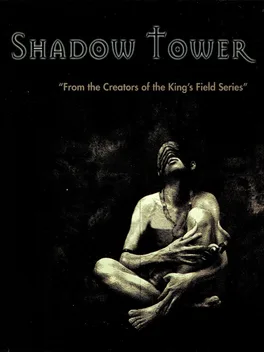
Shadow Tower is a first-person view action role-playing game developed by From Software and released in 1998. It shares many similarities with the King's Field series of games.
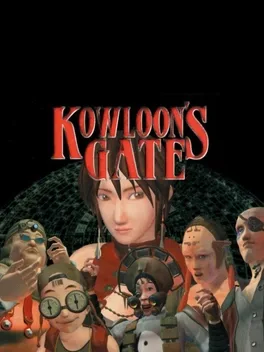
Kowloon's Gate is a 1997 Japanese adventure video game developed by Zeque. Set in the Kowloon Walled City in Hong Kong, it is considered a cult hit. Kowloon's Gate is a first person adventure game that puts the player in a futuristic fantasy world in which he will take the role of a young woman (a master feng shui) that will have to encounter different people, fight evil enmies, and solve some strange situations and puzzle to advance in the adventure and try to make that the world won't dissappear. Kowloon's Gate uses motion JPEG technology to render the strange CG enviroments you'll explore. Interact with unique characters, traverse the real-time 3D scenes freely, and solve imaginative puzzles in this Adventure game.
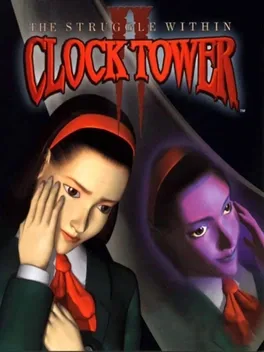
Clock Tower II: The Struggle Within, known as Clock Tower: Ghost Head in Japan, is a PlayStation point-and-click survival horror game and the third installment in the Clock Tower series. It was developed and published by Human Entertainment on March 12, 1998 in Japan and later published by Agetec on October 31, 1999 in North America. It was released as a PlayStation Classic on the Japanese PlayStation Network for PlayStation 3 on May 9, 2012. The game is a spin-off story with little to no connection to the story of the Barrows/Burroughs family or Scissorman, nor was Hifumi Kono involved with it. It does not take place in Europe as many of the others do; it takes place in Osaka, Japan. In the North American version, the setting was changed to Salinas, California, and the characters were given Westernized names. However, untranslated Japanese can be seen in the hospital entrance and even in the intro, there are Japanese-styled buildings, including a Shinto shrine. The game also contains various Japanese-styled rooms and samurai armor.
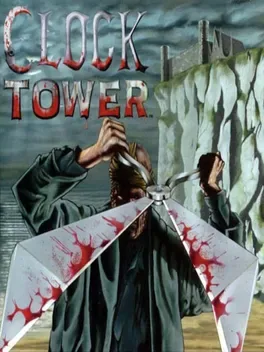
Clock Tower, known as Clock Tower 2 in Japan, is a PlayStation point-and-click survival horror game and a sequel to Clock Tower: The First Fear. One year after the events of Clock Tower: The First Fear, in late 1996, Jennifer Simpson has been adopted by Helen Maxwell, the assistant of a renowned psychiatrist, Samuel Barton, and is currently undergoing treatment at a university research building in Oslo, Norway, to help her cope with her traumatic experiences in the Clock Tower case and possibly shed some light on the mystery that was the Scissorman.
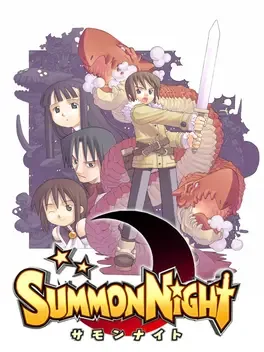
Summon Night is a Japanese tactical RPG and the first entry in the Summon Night series. This game follows the story of a Japanese high schooler, who is suddenly summoned into the world of Lyndbaum. The main character gets involved in a series of conflicts between gangs, classes, factions and worlds. He/she has to use the power of summons to solve those problems while trying to return to his or her own homeworld.