
Clock Tower



Buy
Part of collection:
Clock Tower
(last 3 games)
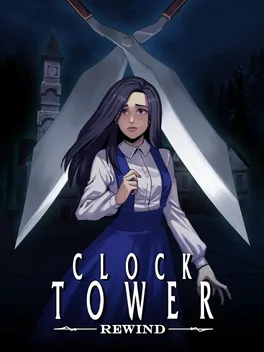
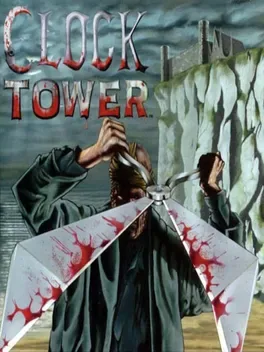
The Super Famicom classic, Clock Tower, is getting remastered for modern consoles. This remaster is a collaboration effort between Capcom, Sunsoft, WayForward, and Limited Run. This remaster also marks the first time the original Clock Tower game will see an official release outside of Japan, which up until this point only had fan translations. The remastered version will utilize the Carbon Engine. Clock Tower is a survival horror point-and-click adventure game developed and published by Human Entertainment for the Super Famicom in 1995. It is the first installment of the long-running Clock Tower series. The story follows Jennifer Simpson as she learns the secrets of the Barrows Mansion and attempts to escape the game's antagonist, Scissorman. Clock Tower originally released in 1995 and is not to be confused with the PlayStation 1 game Clock Tower released in 1996. The franchise only spawned four games, with the most recent release, Clock Tower 3, launching on the PlayStation 2.
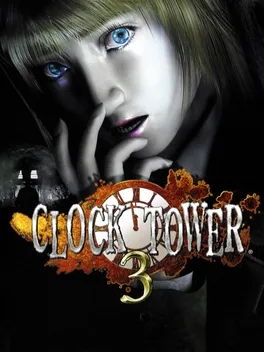
Clock Tower 3 is a survival horror video game co-developed by Capcom and Sunsoft for the PlayStation 2. Released in 2002, it is the fourth installment in the Clock Tower series, and the first and only video game directed by Japanese film director Kinji Fukasaku. The plot and characters have very little relation with the previous Clock Tower games. The story follows 14-year-old Alyssa Hamilton who is part of a family lineage of female warriors who travel through time to defeat evil spirits. Alyssa travels from her time in 2003 London to the 1940s and 1960s in order to defeat these "Entities" and bring peace to troubled souls.
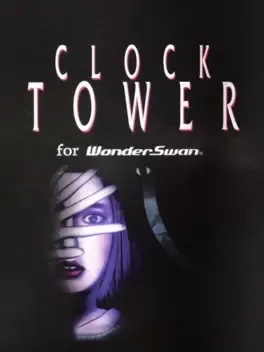
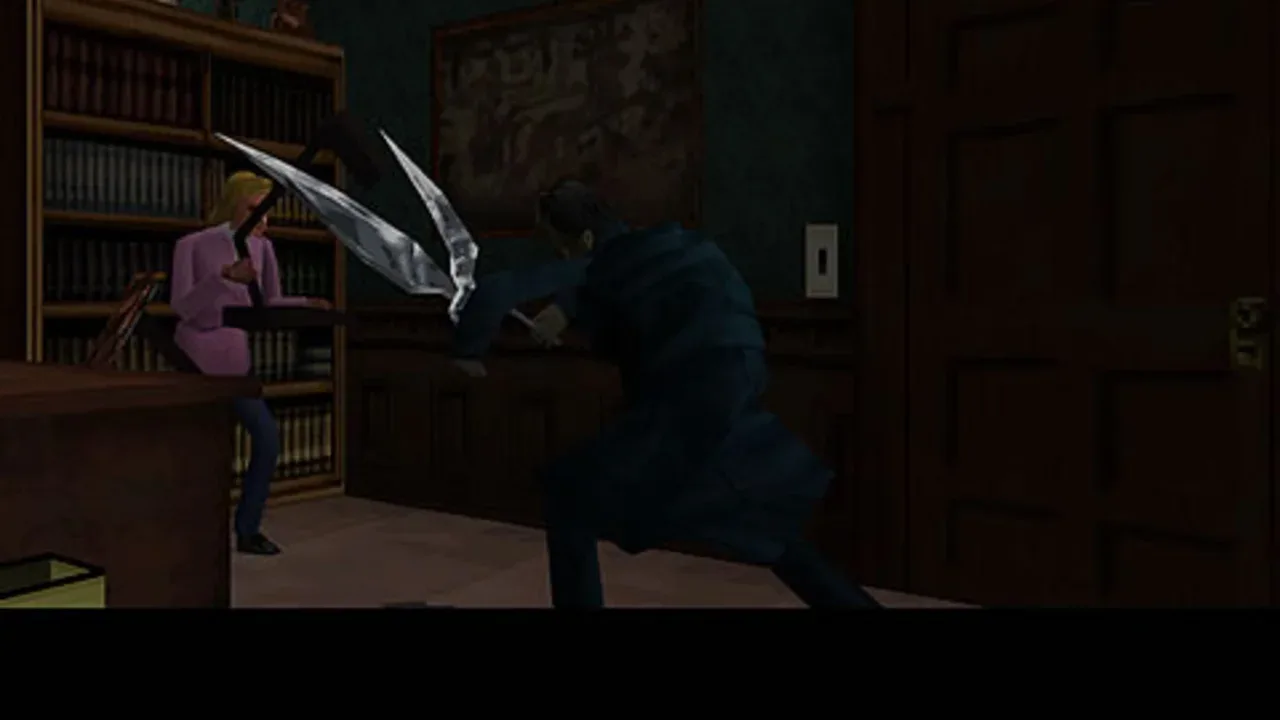
Jennifer and her friends are adopted by a nice lady named Mary one day. They expect to be going to a wonderful new home, at the Barrows Mansion. There they will live with Mary and Mr. Barrows. Unfortunately, something goes terribly wrong and Jennifer's friends are showing up dead one by one. While this is happening, Mary is missing and Jennifer ends up being chased by a crazed psychopath known only as...Scissorman. Now she must survive and get out of the mansion in this point-and-click horror adventure... Being a teenage girl, you have no special abilities at all, just your wits and your will to survive, there are a few enemies that can kill you instantly, but Scissorman is the true horror that will give you trouble.
Could be interesting
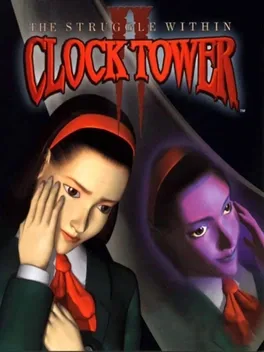
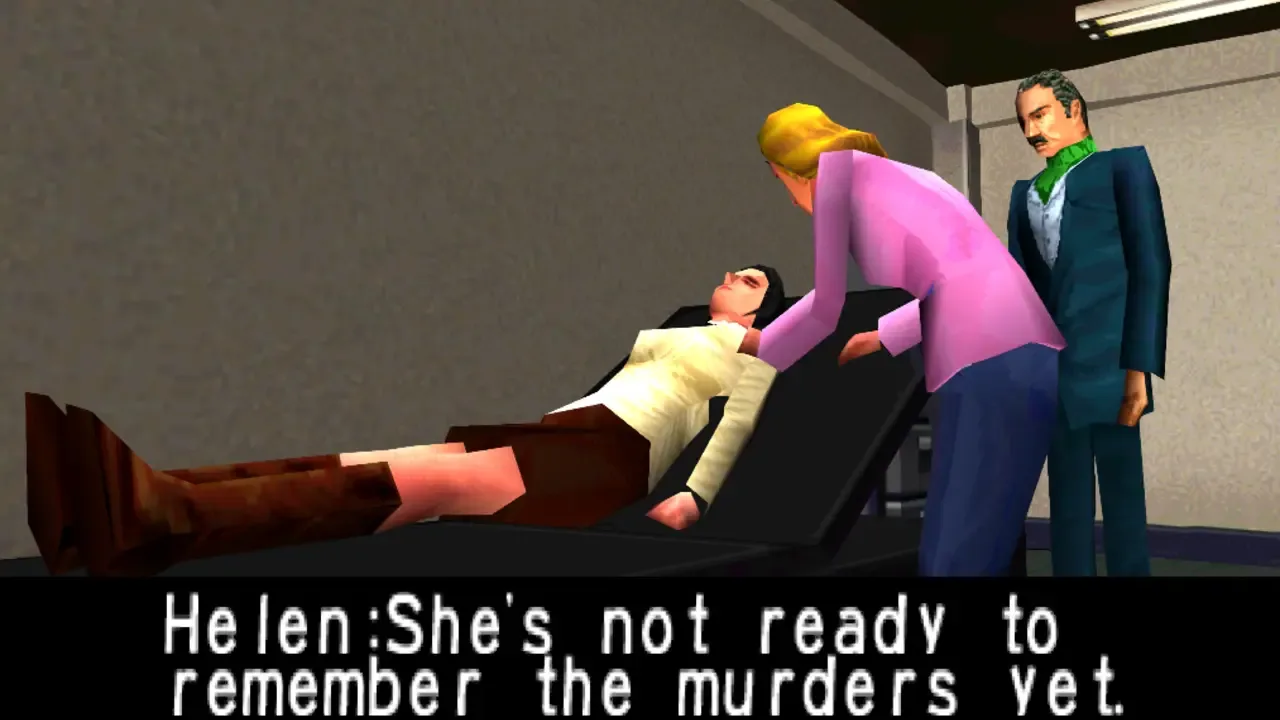
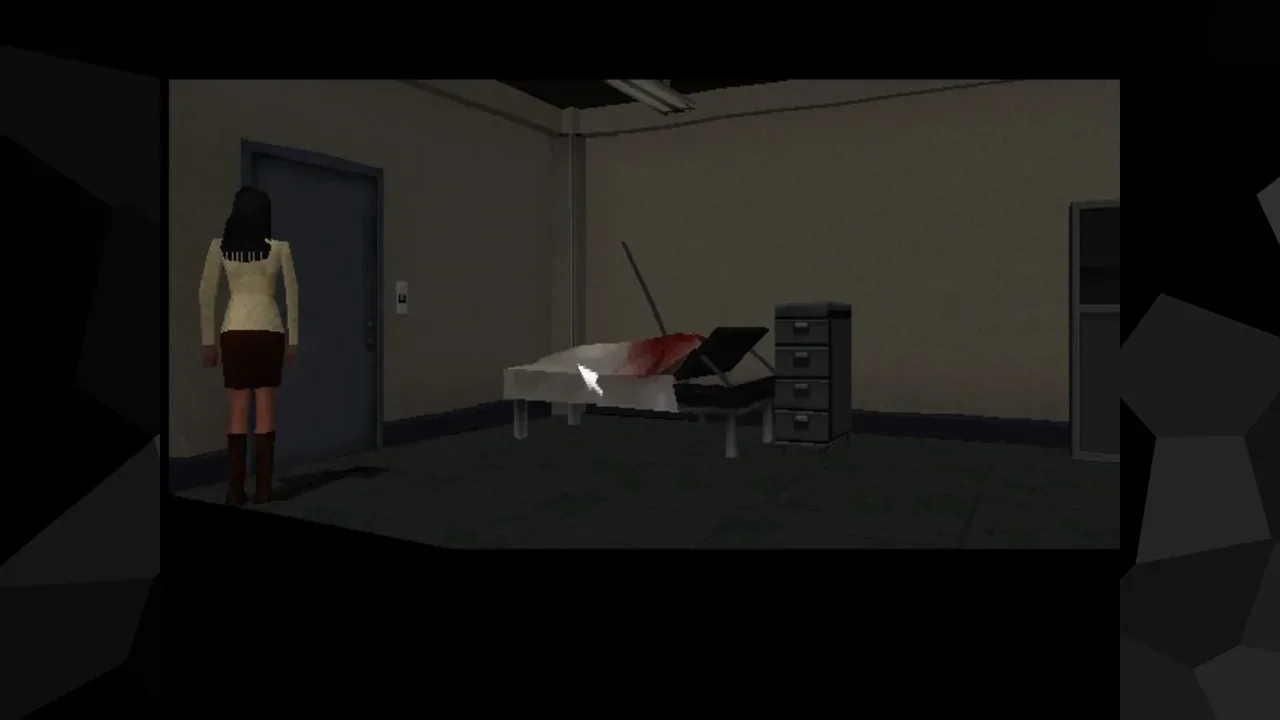
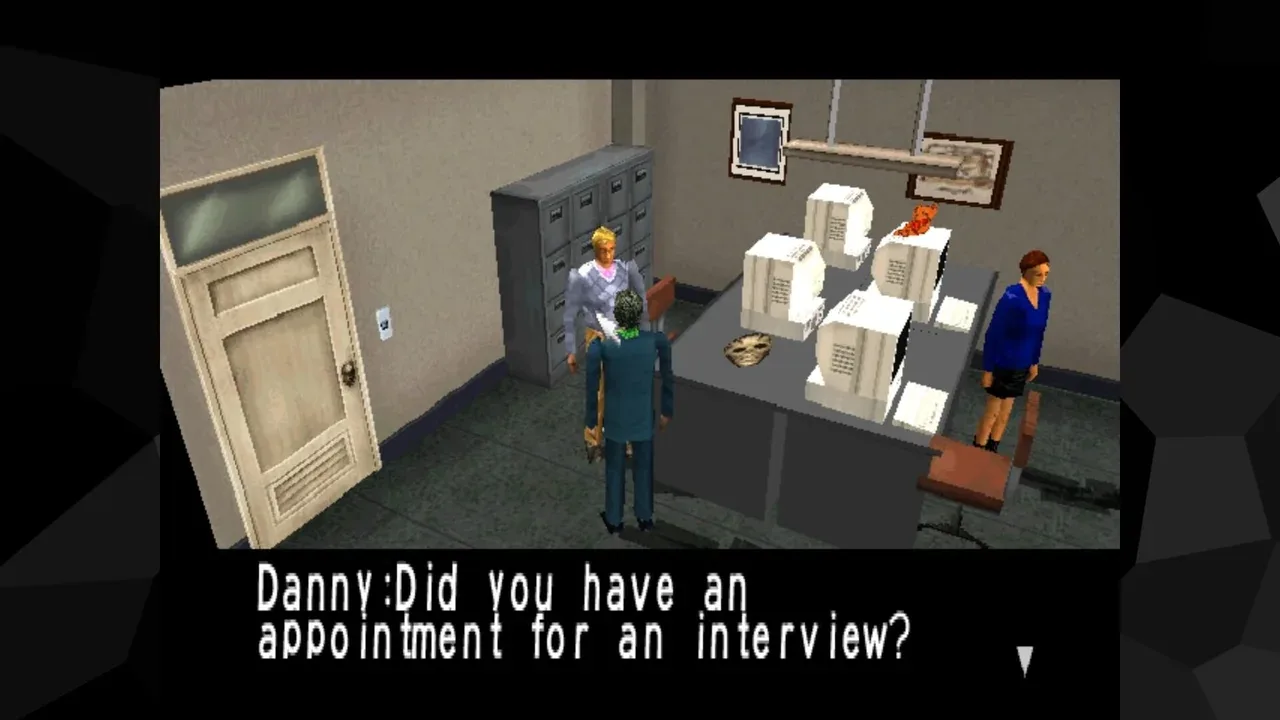
Clock Tower II: The Struggle Within, known as Clock Tower: Ghost Head in Japan, is a PlayStation point-and-click survival horror game and the third installment in the Clock Tower series. It was developed and published by Human Entertainment on March 12, 1998 in Japan and later published by Agetec on October 31, 1999 in North America. It was released as a PlayStation Classic on the Japanese PlayStation Network for PlayStation 3 on May 9, 2012. The game is a spin-off story with little to no connection to the story of the Barrows/Burroughs family or Scissorman, nor was Hifumi Kono involved with it. It does not take place in Europe as many of the others do; it takes place in Osaka, Japan. In the North American version, the setting was changed to Salinas, California, and the characters were given Westernized names. However, untranslated Japanese can be seen in the hospital entrance and even in the intro, there are Japanese-styled buildings, including a Shinto shrine. The game also contains various Japanese-styled rooms and samurai armor.
Should you enter Tecmo's Deception you should be warned! You must decide who lives and who dies. As in life, Tecmo's Deception will hold you responsible for your actions. Everything you do, everywhere you go, everyone you meet has a reason. Are you seeking revenge, resurrection, or redemption? It's your decision.

Suikoden is a Japanese-style role-playing game with several unusual additions. There are three kinds of combat in the game, the most common one being the traditional turn-based party combat (players can have up to six people in their active party). Magic runes can be equipped on the player's characters which allow limited usage of offensive and healing spells. There are also a few army battles, where the player must control whole units of fighters, archers, magicians, etc., and one-on-one fights (duels).
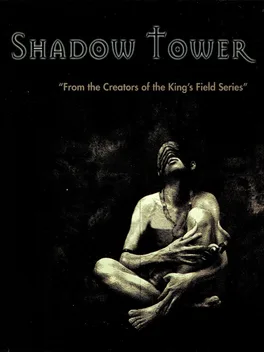
Shadow Tower is a first-person view action role-playing game developed by From Software and released in 1998. It shares many similarities with the King's Field series of games.
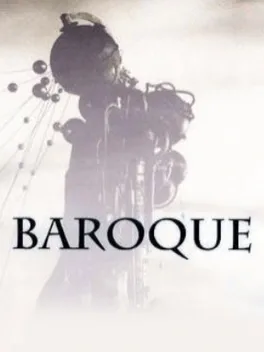
Baroque is horror-themed action game with elements of survival gameplay. The whole game is set in the tower: you slowly work your way to the top, fighting demons as you progress. You have HP as well as stamina gauge. If your stamina is depleted, you walk slower and can't react well in a battle.
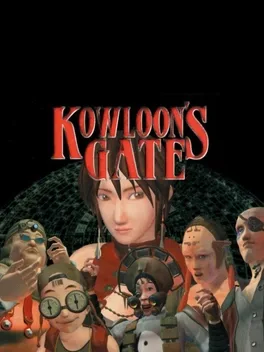
Kowloon's Gate is a 1997 Japanese adventure video game developed by Zeque. Set in the Kowloon Walled City in Hong Kong, it is considered a cult hit. Kowloon's Gate is a first person adventure game that puts the player in a futuristic fantasy world in which he will take the role of a young woman (a master feng shui) that will have to encounter different people, fight evil enmies, and solve some strange situations and puzzle to advance in the adventure and try to make that the world won't dissappear. Kowloon's Gate uses motion JPEG technology to render the strange CG enviroments you'll explore. Interact with unique characters, traverse the real-time 3D scenes freely, and solve imaginative puzzles in this Adventure game.
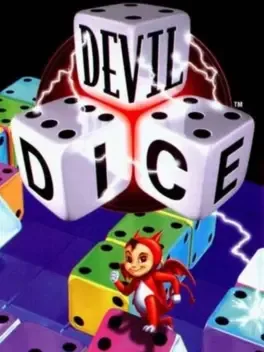
Devil Dice is a unique puzzle game, where the player controls a small devil that runs around a grid covered in large dice. The player can both stand atop dice, and stand on the ground (with the dice towering above). When standing on the dice, the player can move from die to die, or can roll a die in the direction he or she runs, revealing a different face as the die rotates. Creating a group of adjacent dice with identical pips—the size of which must be at least the number of pips—causes those dice to slowly sink into the field before disappearing. Chain reactions are possible by adding additional dice to a sinking set. Different types of dice are available in some modes, with different properties to make the game more challenging. It was originally created by developer Shift on the "homebrew" Yaroze platform, and later turned into a commercial game. Released in 1998, it is one of only a handful of games to make the leap from the Yaroze to commercial release. The game is a million-seller and a demo version was released as a PlayStation Classic game for the PlayStation 3 and PlayStation Portable on November 7, 2007.
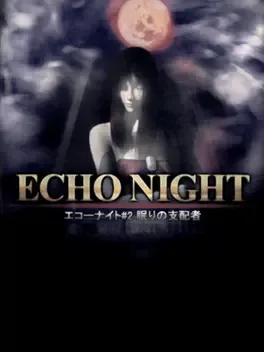
Echo Night 2: Nemuri no Shihaisha is a first person adventure. Like the first game, Echo Night 2 is played from a first-person perspective, but unlike most other first-person games there is no use of firearms in the game. When confronted by a ghost the player must turn on the lights in the room by means of a light switch. The player is often transported into the past via the passengers or certain objects. Once the player fulfills a task important to a spirit they will vanish and drop an "Astral Piece" which can be used to get a different ending scene.

R4: Ridge Racer Type 4 is the fourth game in the Ridge Racer series. It includes eight tracks (with reverse variants, for a total of 16 layouts) and 321 vehicles, all of which are fictional. This iteration was one of the first PlayStation titles to feature Gouraud shading on polygons, giving the game a visual depth that was previously missing. It was also the first Ridge Racer game on the system to feature two-player split-screen mode and offered two different driving models.

Published in 1993, the original Super Sidekicks (known as Tokuten Ou, "Goal-Scoring King" in Japan) was SNK's first soccer video game. It features 12 teams divided into two groups which compete for the "SNK Cup" (the main differences between teams is their formations on the field): Group A: Germany, Italy, Spain, England, Mexico, Japan Group B: Argentina, Holland, Brazil, France, United States, South Korea The players' team plays against all the others in their group, then it goes into an elimination tournament's semifinals and then the final to win the cup. There was also a hidden feature in the game, which wasn't documented, and affects a single player game. During a free kick for the CPU if the player has tapped button A for player two, the CPU performs a short-shot, while pressing the button A performs a longer kick.