
Baroque


Buy
Part of collection:
Baroque
(last 3 games)
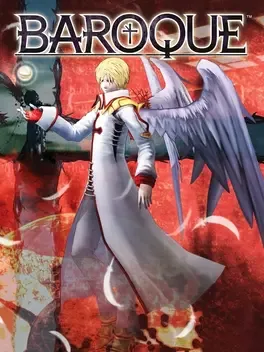
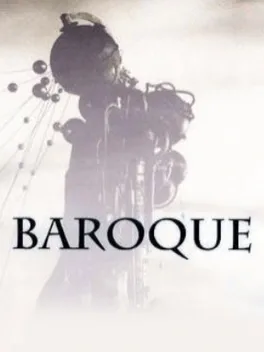
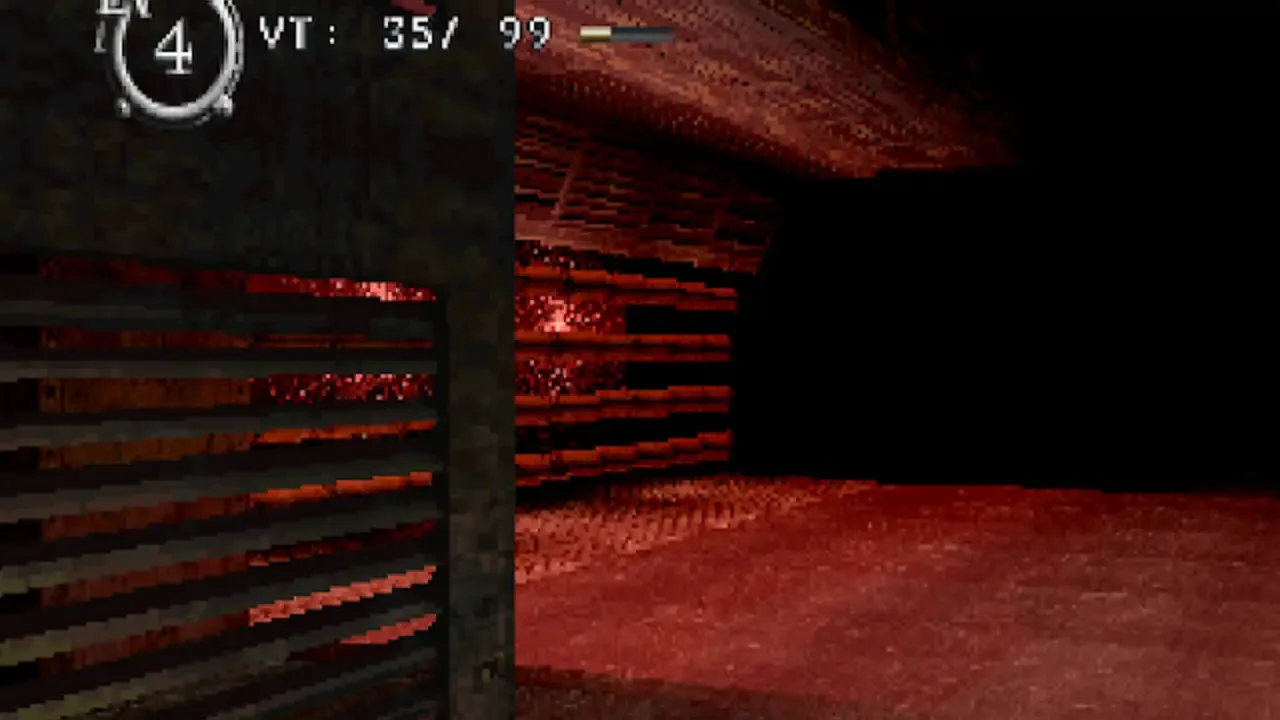
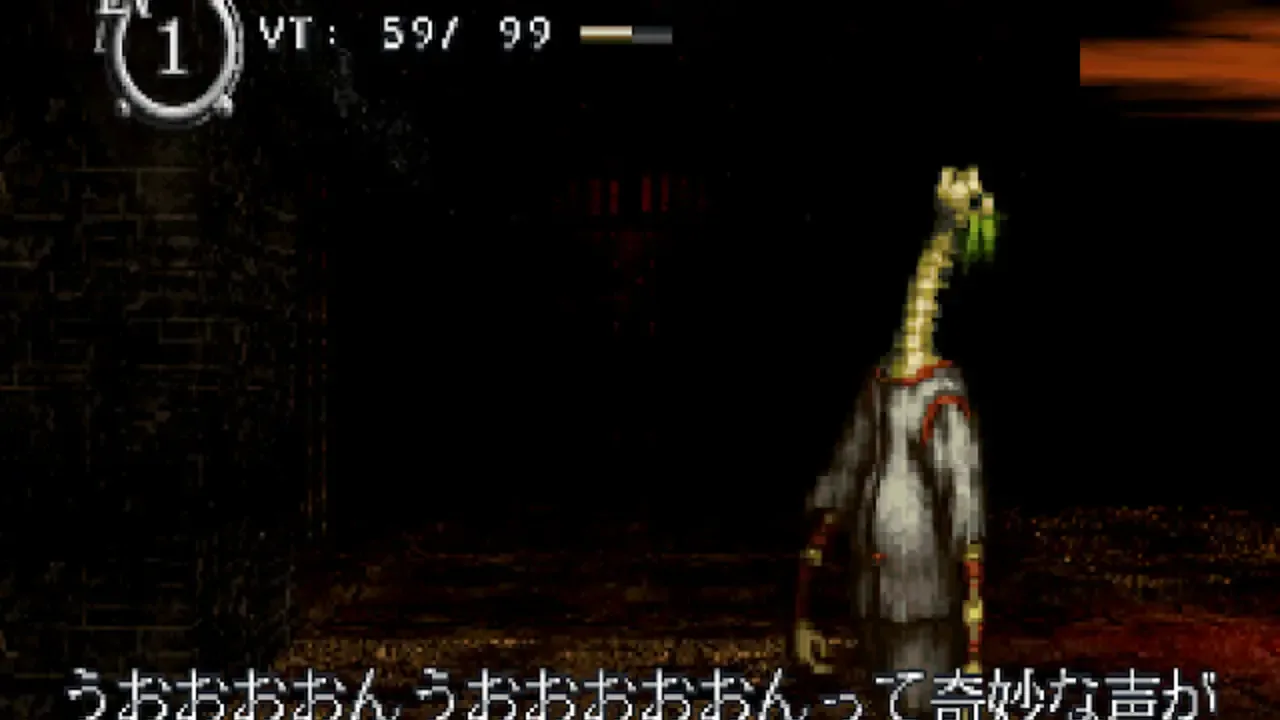
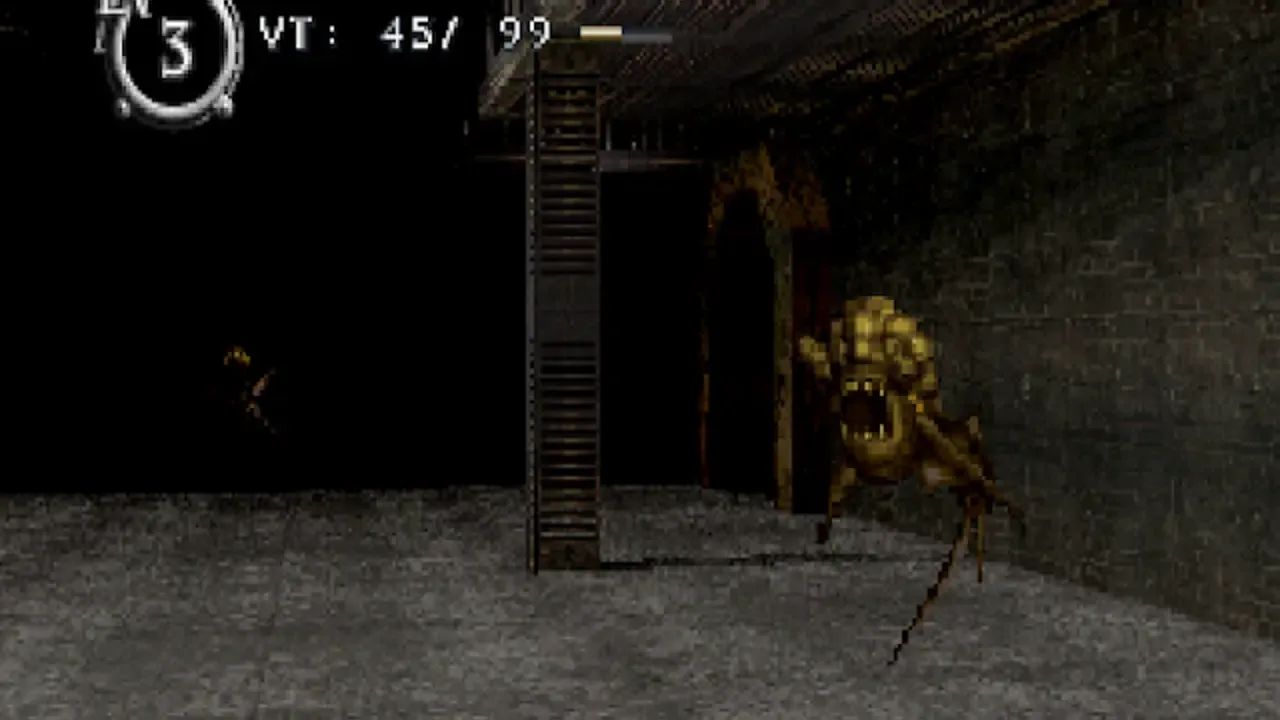
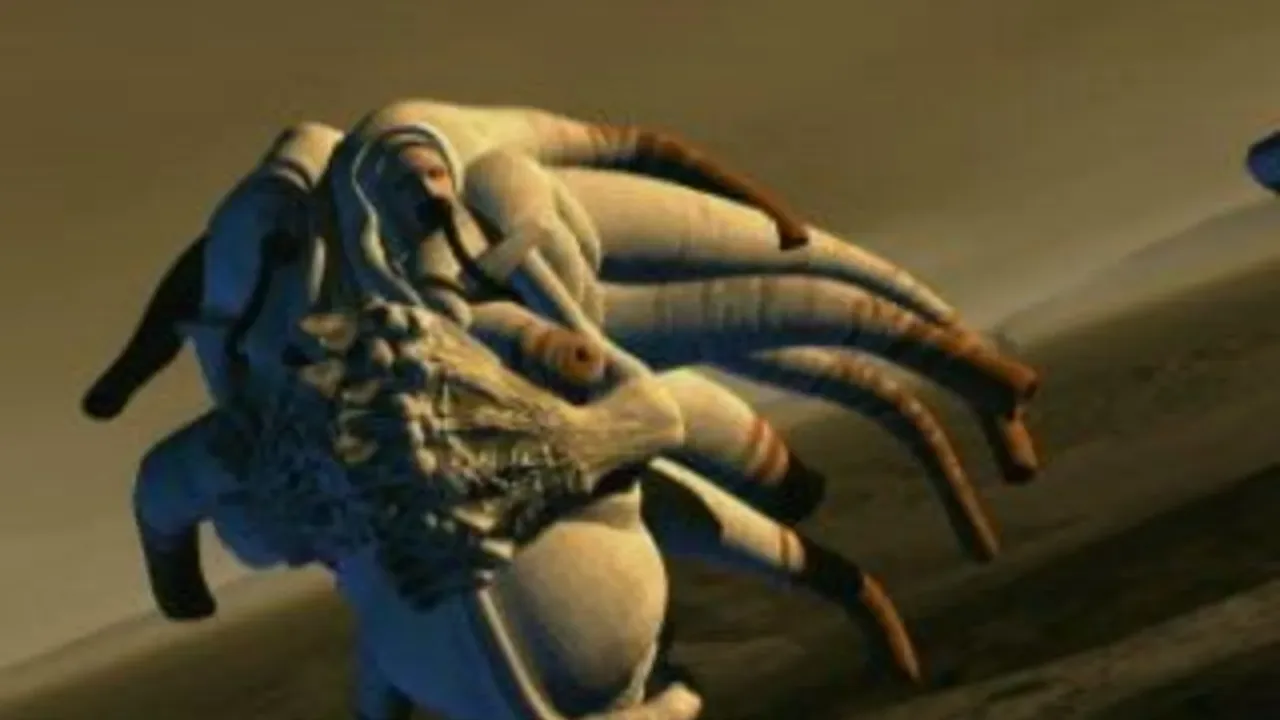
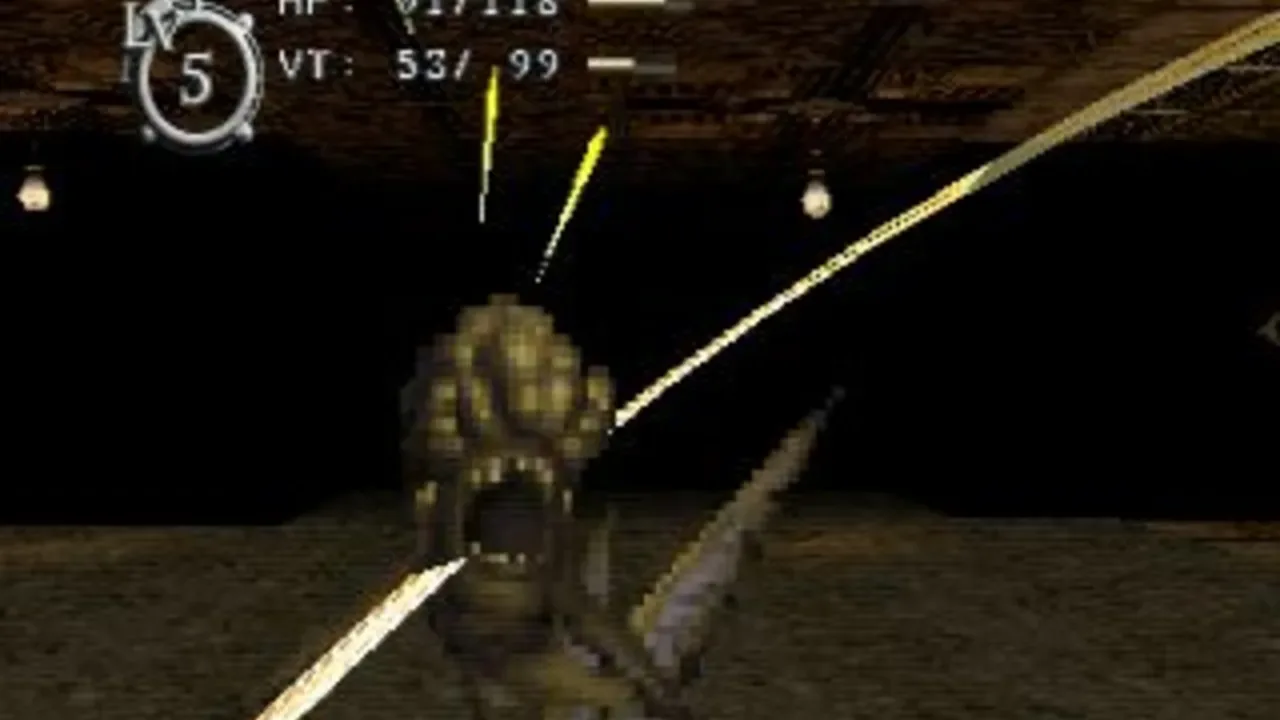
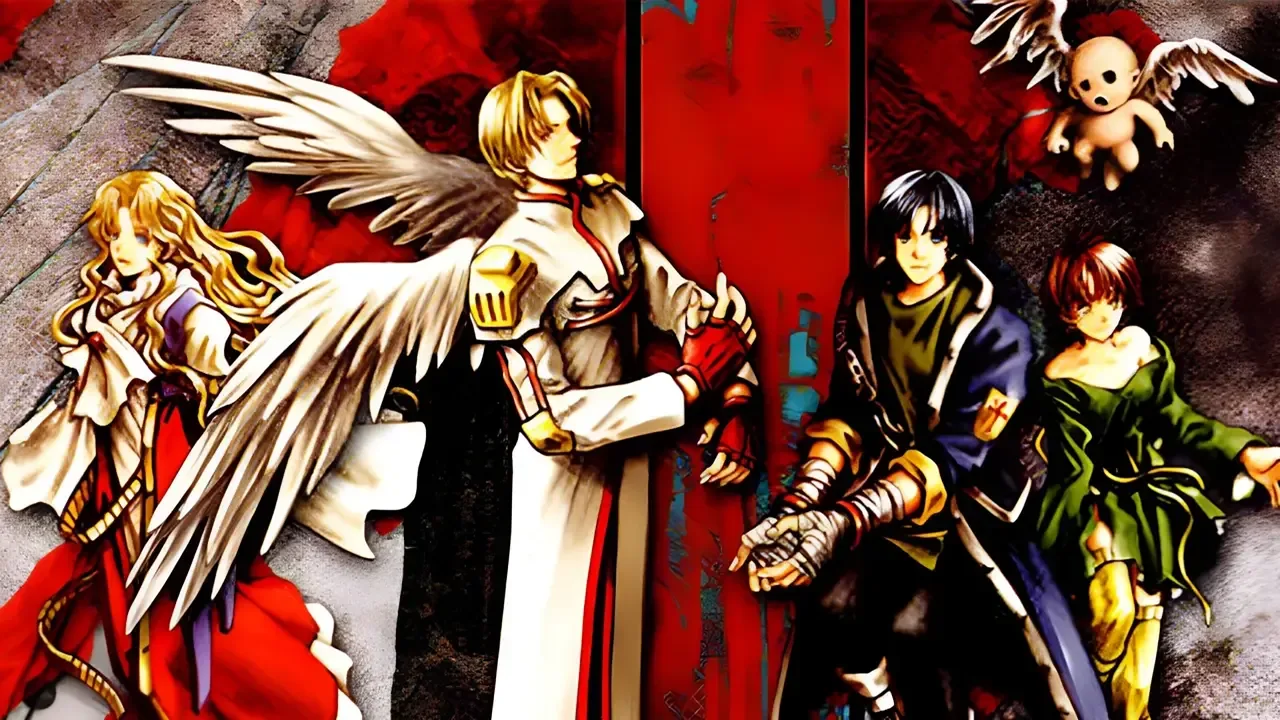
An updated remake of Baroque, a post-apocalyptic RPG game in which all hell has literally broke loose on earth. As the game starts, the world has been devastated by a heat wave and left nothing but demon infested ruins and a mysterious "Nerve Tower" which many claim that holds the answers to the apocalypse. You play as an amnesiac survivor who decides to enter the tower in search for clues to both your identity and the reasons behind the apocalypse. The game plays as an RPG dungeon-crawler, in which you control your character and attempt to clear each floor in the tower from monsters, earning experience and items and only occasionally journeying outside the tower to get weapons and equipment from a few NPCs. The PS2 remake adds additional floors, items and creatures and updates the whole game with a completely polygonal engine (the original used 2D sprites to depict characters and monsters). Furthermore, the point of view has been changed from first person to third person and the gameplay has been modified accordingly to make the game more of an action-RPG than the original.
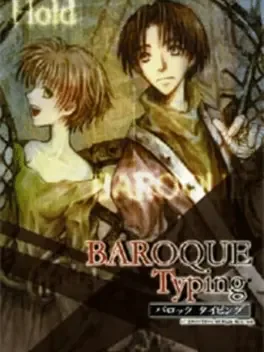
Baroque Typing is a spin-off of the dark fantasy roguelike RPG Baroque, developed by Sting Entertainment. Released for PC, this title reimagines the post-apocalyptic world of the Neuro Tower as a typing game. Similar to The Typing of the Dead, players must defeat grotesque enemies and progress through the distorted environment by accurately typing words and phrases that appear on screen. The game features characters and assets from the original Baroque universe, blending the series' signature grim atmosphere with educational typing mechanics.
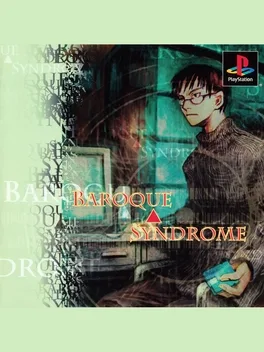
The game is played as an interactive novel, with 2D still pictures of settings and characters being the main graphic elements, and all actions being described via scrolling texts. At several intervals you will have to make a choice that branches the plot in different directions, but that's all the interaction you get to make.
Could be interesting
Should you enter Tecmo's Deception you should be warned! You must decide who lives and who dies. As in life, Tecmo's Deception will hold you responsible for your actions. Everything you do, everywhere you go, everyone you meet has a reason. Are you seeking revenge, resurrection, or redemption? It's your decision.
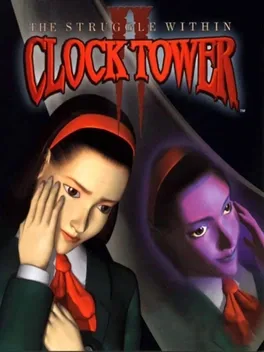
Clock Tower II: The Struggle Within, known as Clock Tower: Ghost Head in Japan, is a PlayStation point-and-click survival horror game and the third installment in the Clock Tower series. It was developed and published by Human Entertainment on March 12, 1998 in Japan and later published by Agetec on October 31, 1999 in North America. It was released as a PlayStation Classic on the Japanese PlayStation Network for PlayStation 3 on May 9, 2012. The game is a spin-off story with little to no connection to the story of the Barrows/Burroughs family or Scissorman, nor was Hifumi Kono involved with it. It does not take place in Europe as many of the others do; it takes place in Osaka, Japan. In the North American version, the setting was changed to Salinas, California, and the characters were given Westernized names. However, untranslated Japanese can be seen in the hospital entrance and even in the intro, there are Japanese-styled buildings, including a Shinto shrine. The game also contains various Japanese-styled rooms and samurai armor.
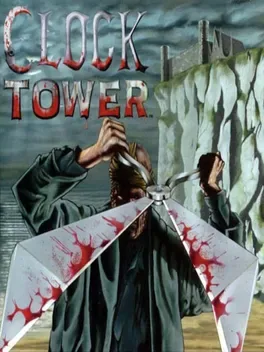
Clock Tower, known as Clock Tower 2 in Japan, is a PlayStation point-and-click survival horror game and a sequel to Clock Tower: The First Fear. One year after the events of Clock Tower: The First Fear, in late 1996, Jennifer Simpson has been adopted by Helen Maxwell, the assistant of a renowned psychiatrist, Samuel Barton, and is currently undergoing treatment at a university research building in Oslo, Norway, to help her cope with her traumatic experiences in the Clock Tower case and possibly shed some light on the mystery that was the Scissorman.
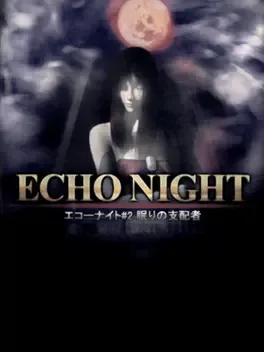
Echo Night 2: Nemuri no Shihaisha is a first person adventure. Like the first game, Echo Night 2 is played from a first-person perspective, but unlike most other first-person games there is no use of firearms in the game. When confronted by a ghost the player must turn on the lights in the room by means of a light switch. The player is often transported into the past via the passengers or certain objects. Once the player fulfills a task important to a spirit they will vanish and drop an "Astral Piece" which can be used to get a different ending scene.

R4: Ridge Racer Type 4 is the fourth game in the Ridge Racer series. It includes eight tracks (with reverse variants, for a total of 16 layouts) and 321 vehicles, all of which are fictional. This iteration was one of the first PlayStation titles to feature Gouraud shading on polygons, giving the game a visual depth that was previously missing. It was also the first Ridge Racer game on the system to feature two-player split-screen mode and offered two different driving models.
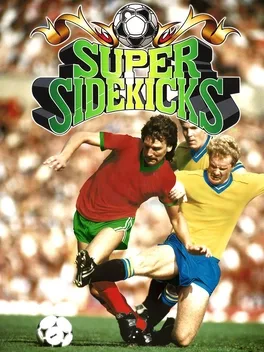
Published in 1993, the original Super Sidekicks (known as Tokuten Ou, "Goal-Scoring King" in Japan) was SNK's first soccer video game. It features 12 teams divided into two groups which compete for the "SNK Cup" (the main differences between teams is their formations on the field): Group A: Germany, Italy, Spain, England, Mexico, Japan Group B: Argentina, Holland, Brazil, France, United States, South Korea The players' team plays against all the others in their group, then it goes into an elimination tournament's semifinals and then the final to win the cup. There was also a hidden feature in the game, which wasn't documented, and affects a single player game. During a free kick for the CPU if the player has tapped button A for player two, the CPU performs a short-shot, while pressing the button A performs a longer kick.
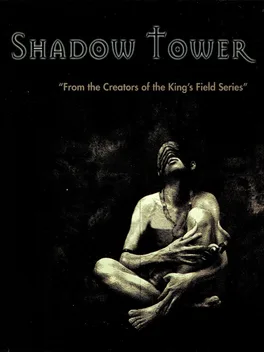
Shadow Tower is a first-person view action role-playing game developed by From Software and released in 1998. It shares many similarities with the King's Field series of games.

Suikoden is a Japanese-style role-playing game with several unusual additions. There are three kinds of combat in the game, the most common one being the traditional turn-based party combat (players can have up to six people in their active party). Magic runes can be equipped on the player's characters which allow limited usage of offensive and healing spells. There are also a few army battles, where the player must control whole units of fighters, archers, magicians, etc., and one-on-one fights (duels).
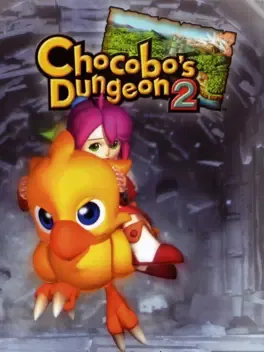
FINAL FANTASY's Chocobo stars in an all-new adventure! In search of treasure, Chocobo and Mog find more than they expect. Joined by other FINAL FANTASY characters, Chocobo must defeat foes and unveil a friend's secrets while exploring a series of mysterious dungeons. Players can combine armor or weapons to form stronger resources in their quest. There are also magic feathers that can aid in your efforts, since they allow gamers to perform magic spells that have an impact on combat. Between your dungeon travels, players are able to explore villages to obtain valuable clues for the journey. In addition, players can use this time to update Chocobo's inventory.
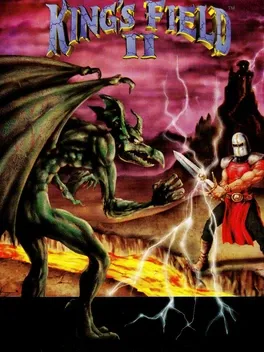
King's Field II -- the hour of destiny is at hand... Your kingdom is once again under attack by the ruthless minions of evil. This time they have possessed King Alfred himself! As the King's son, Prince Lyle, you must bring forth the tide of change that will effect the universe from now until the end of time. The fate of the world is in your hands! Re-enter the realm of King's Field for the most explosive debut on the PlayStation yet... ASCII Entertainment went all out to provide a fully non-linear three dimensional world that even blows away the original! The intense action and powerful storytelling will keep you riveted for months!