
Theme Hospital





Parent game

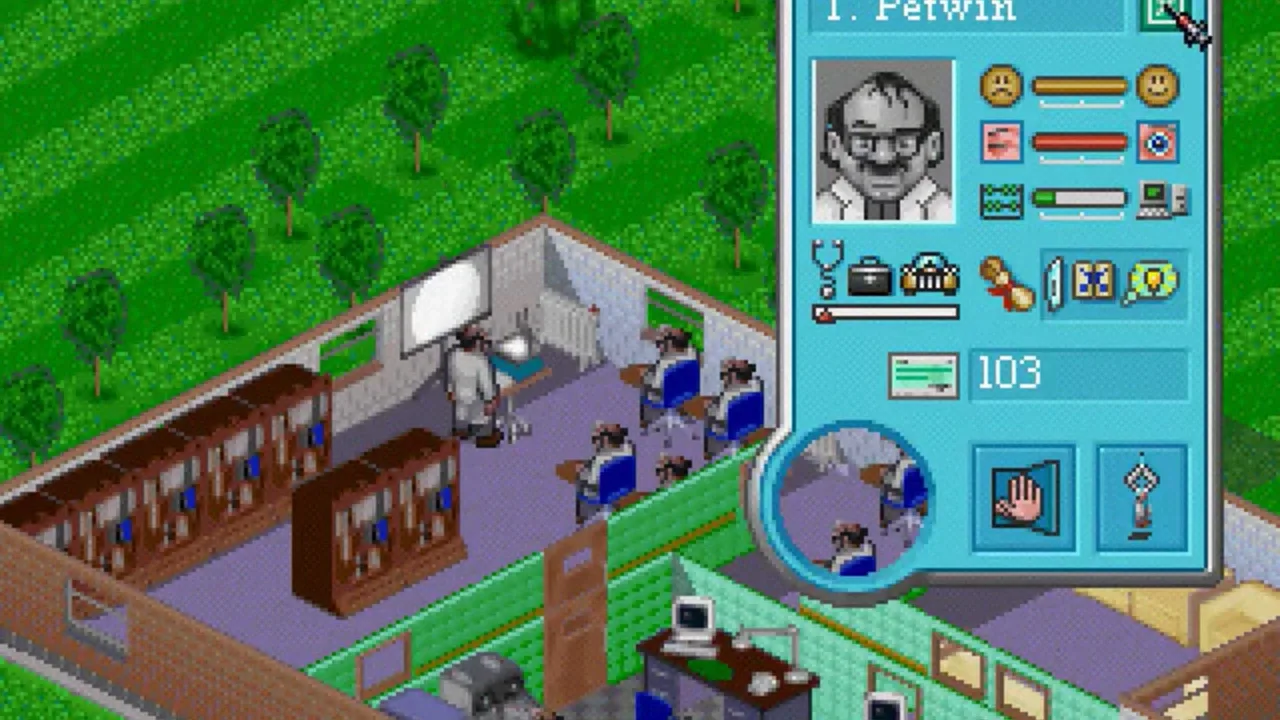
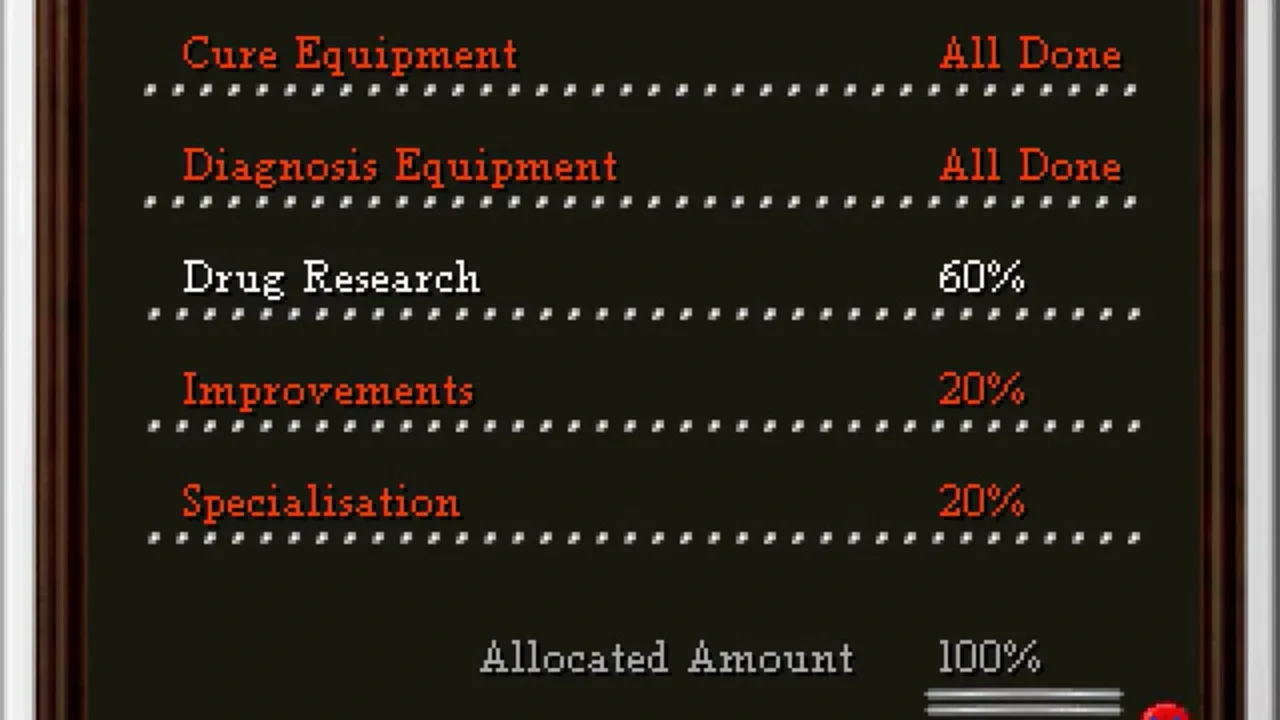
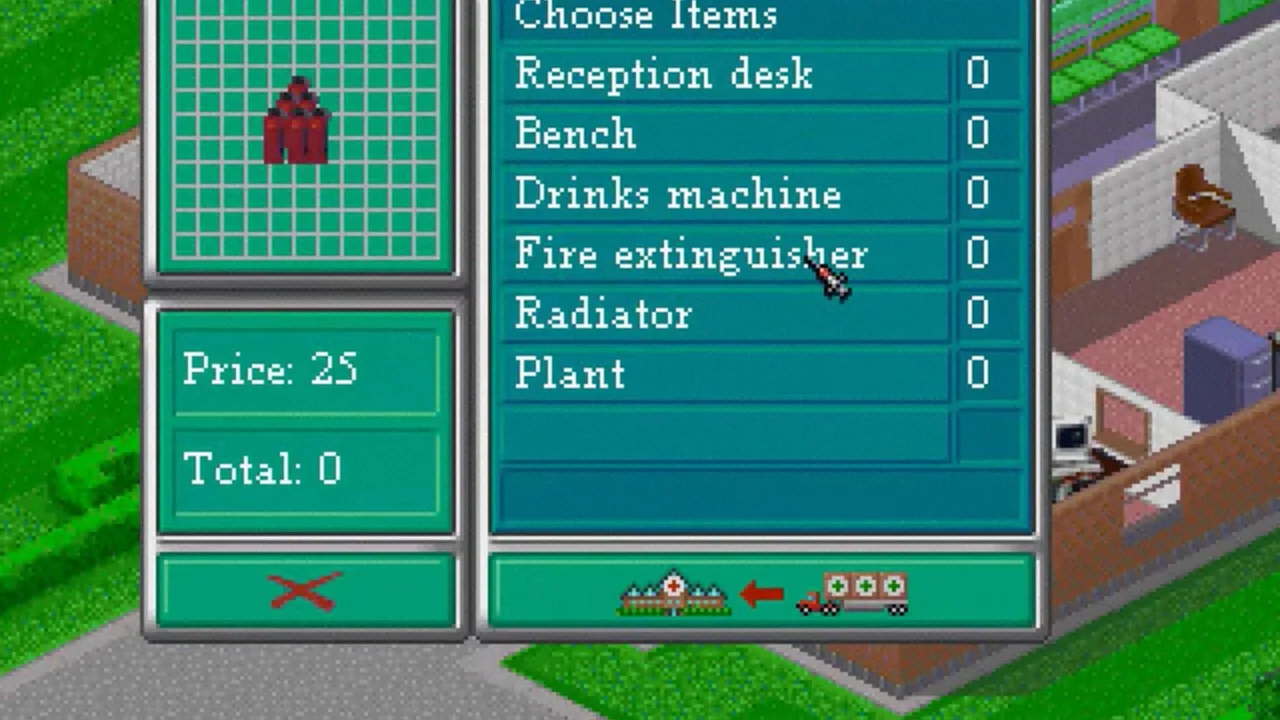
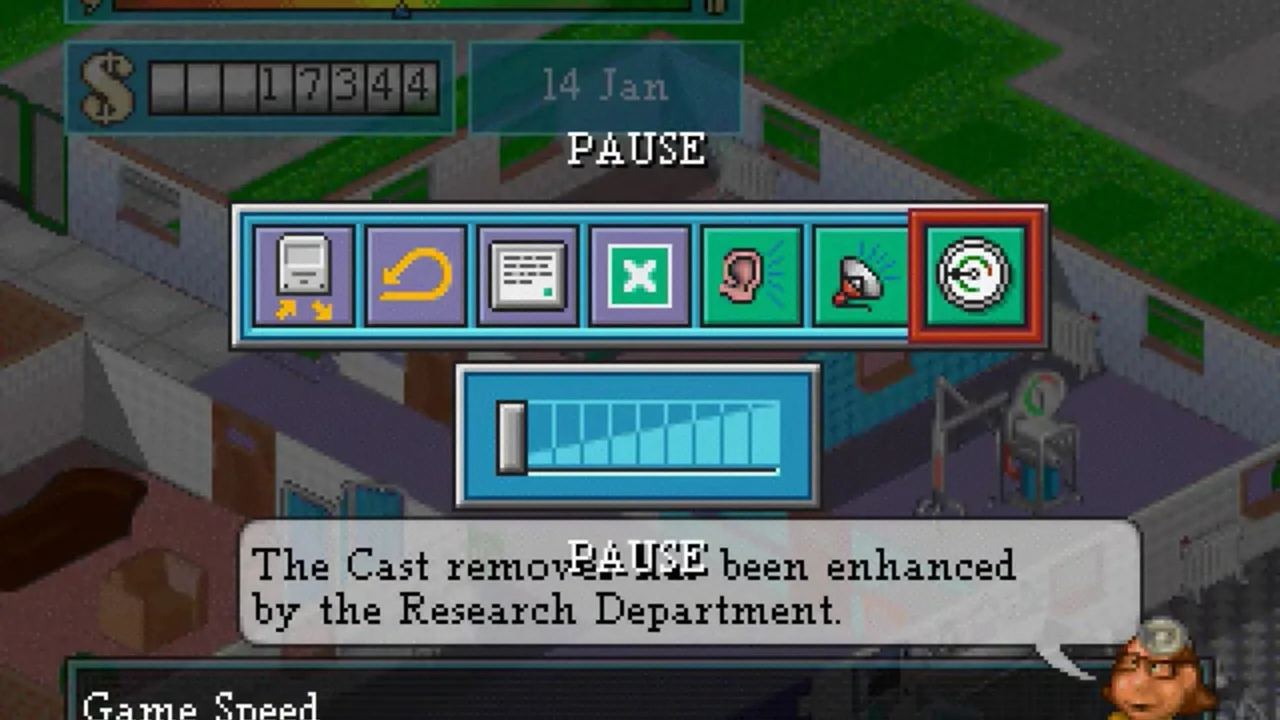
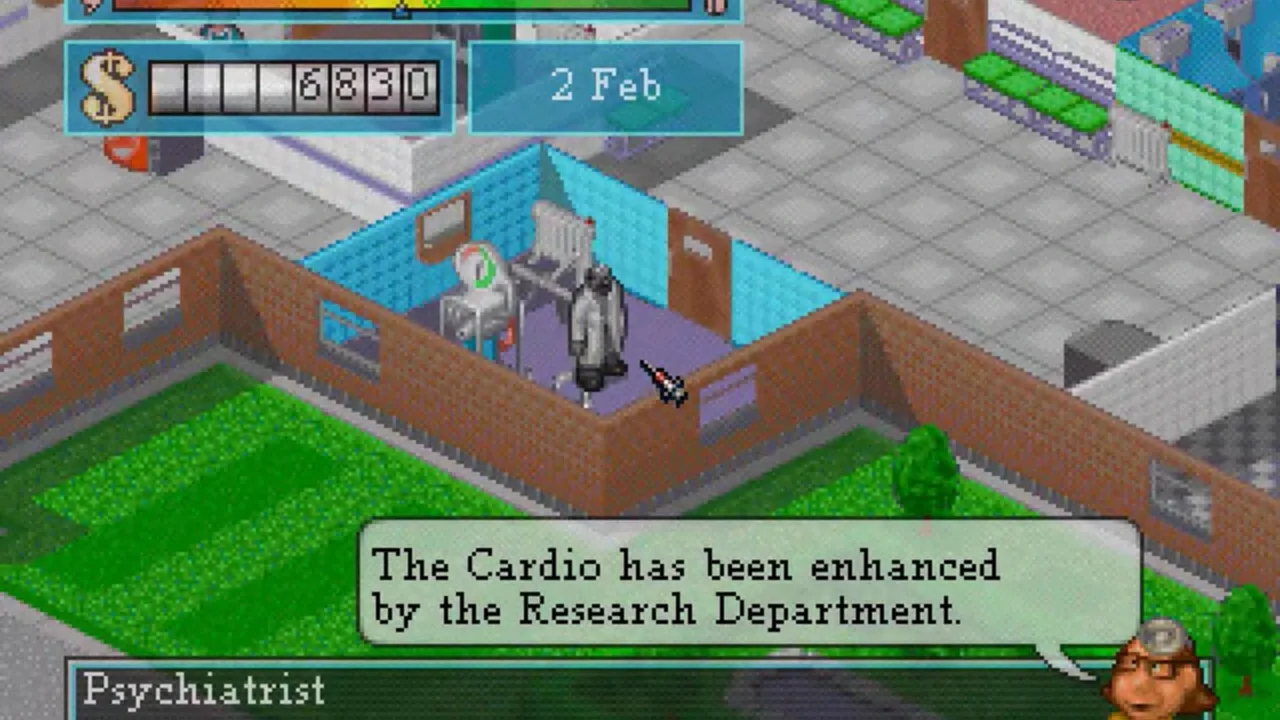
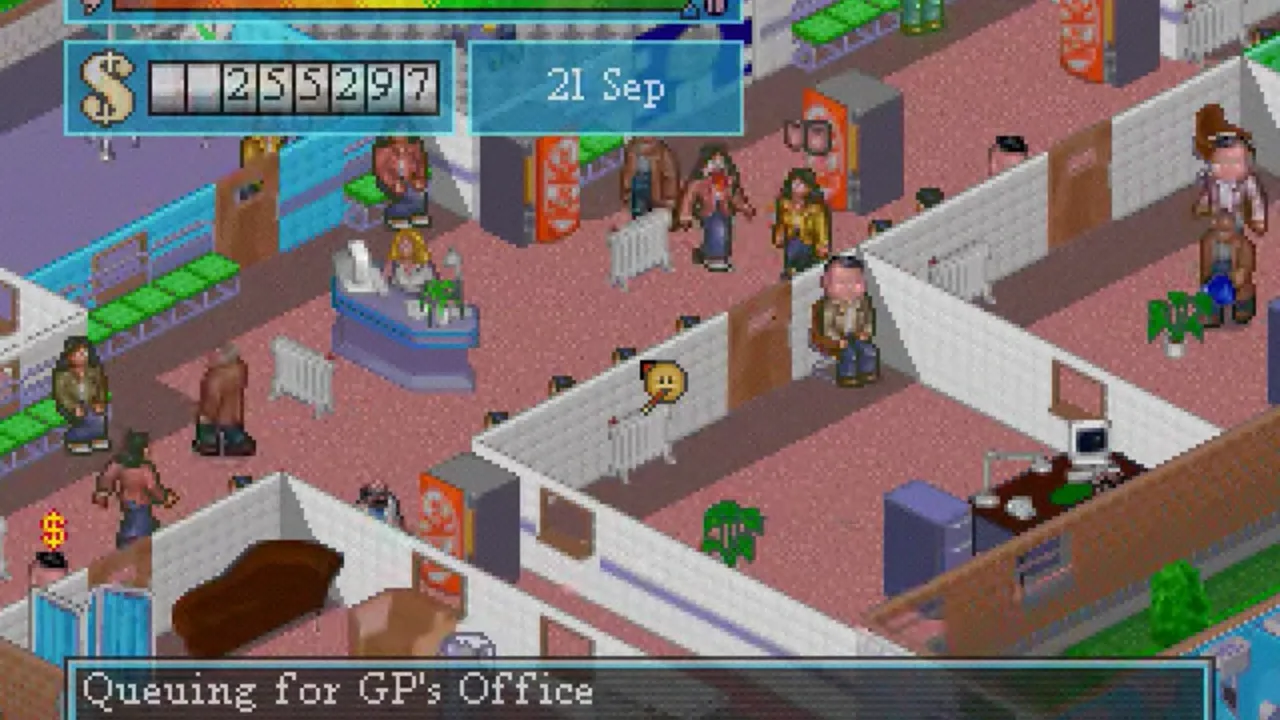
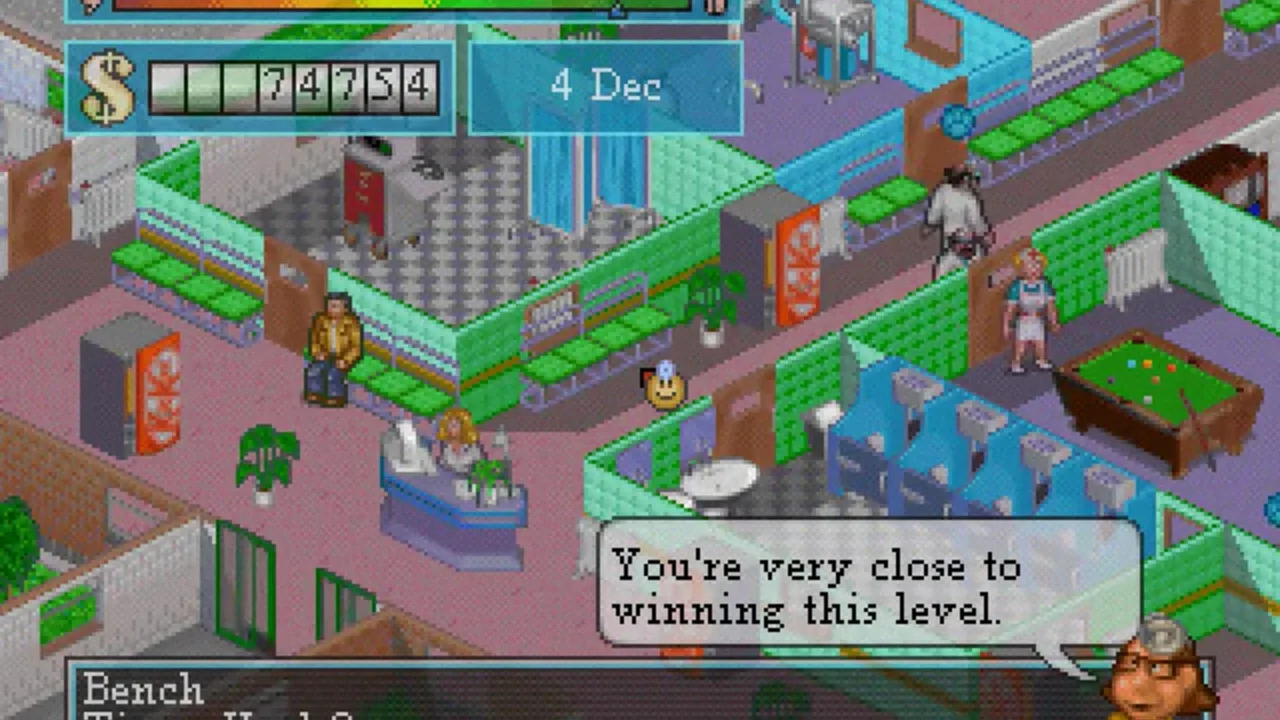
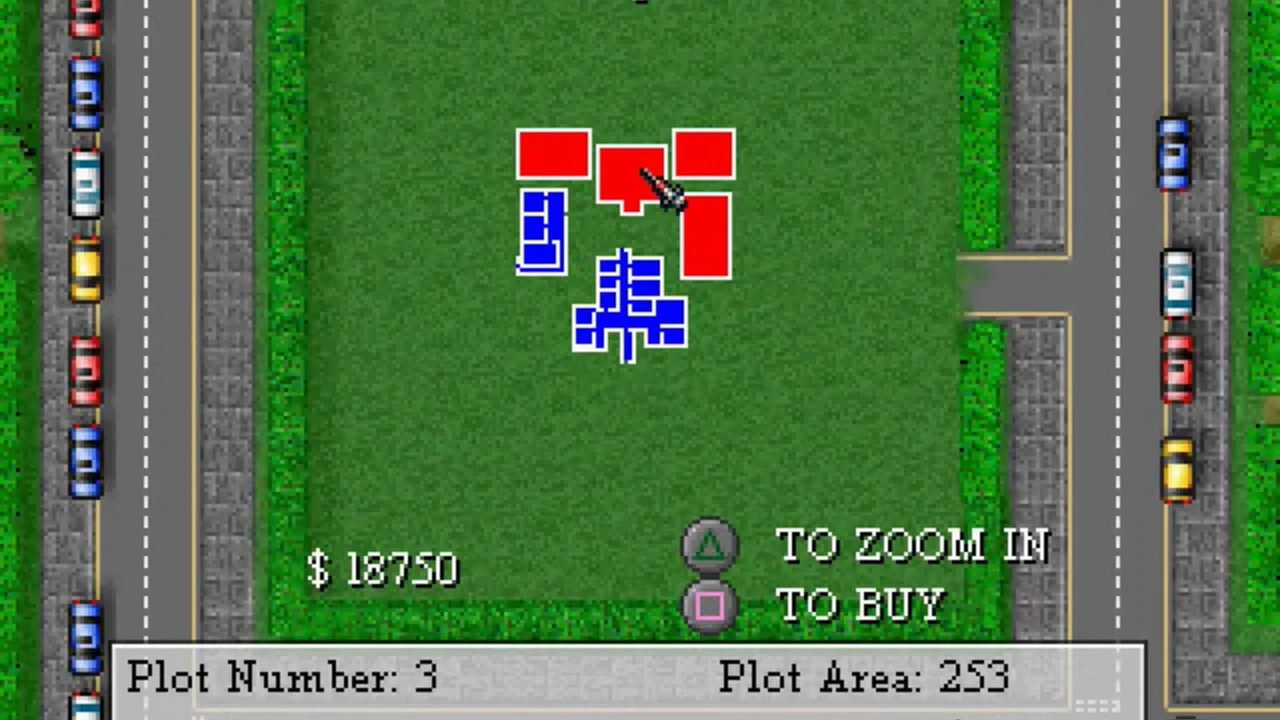
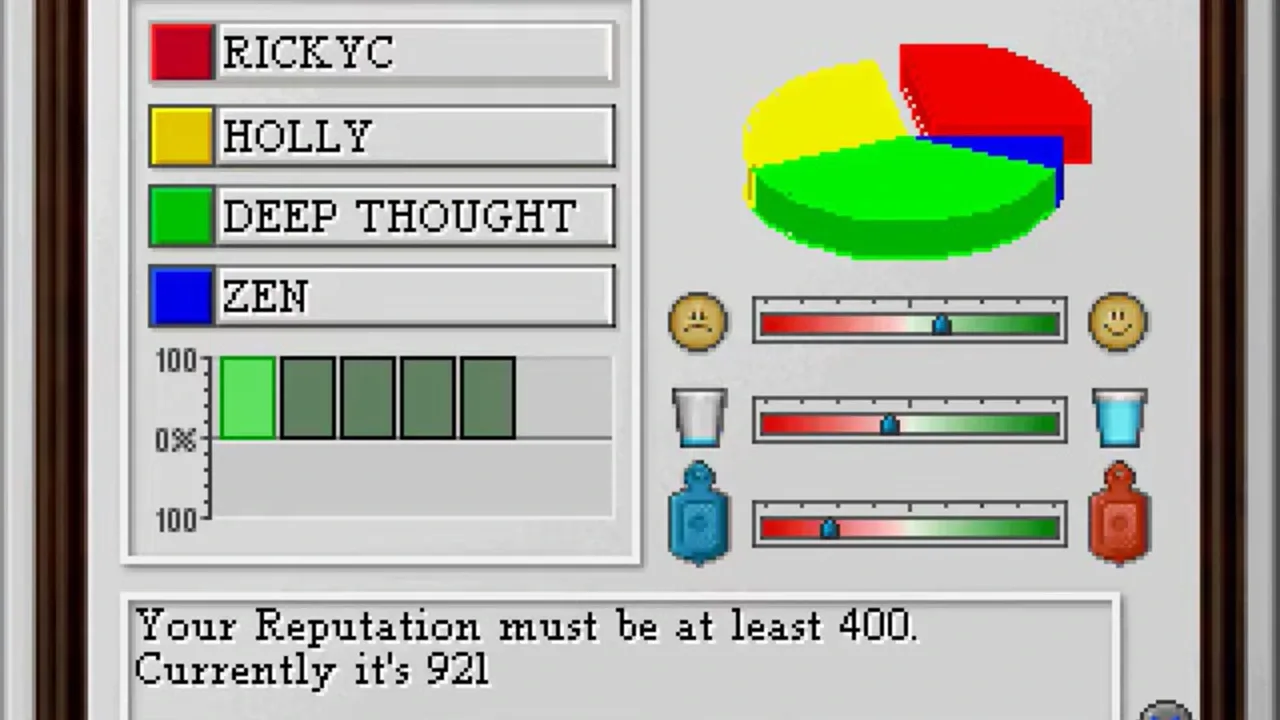
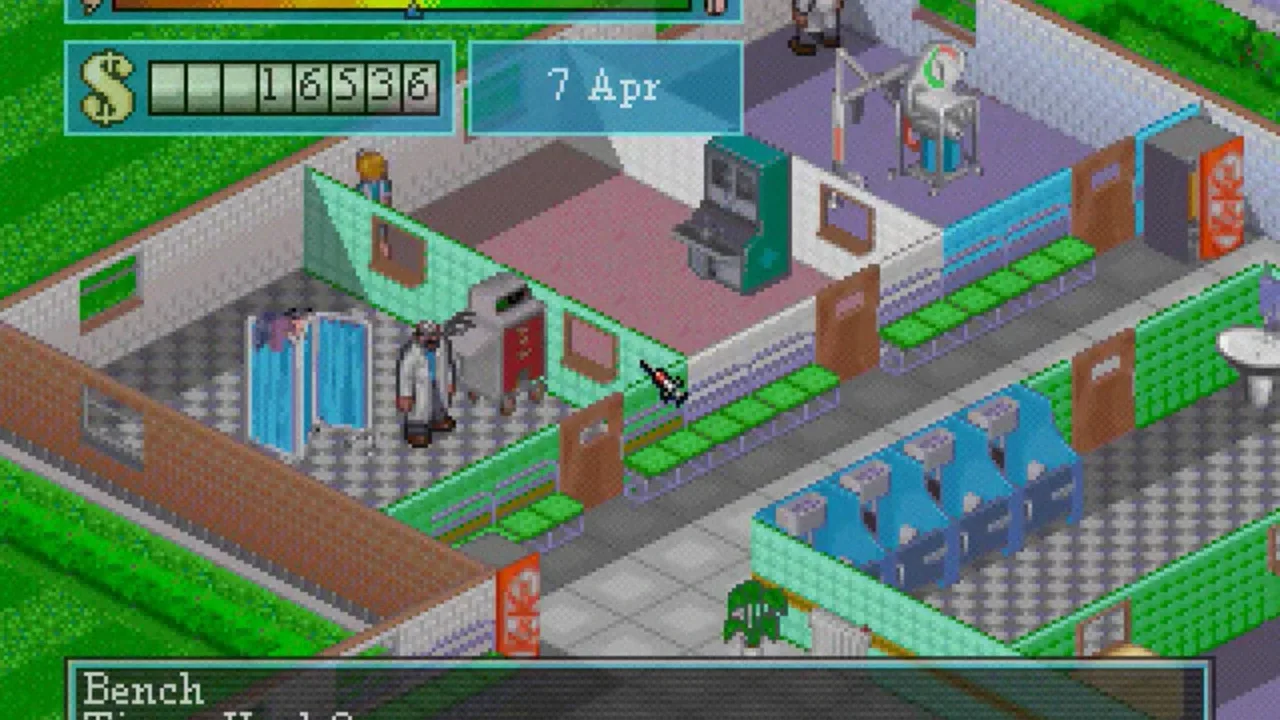
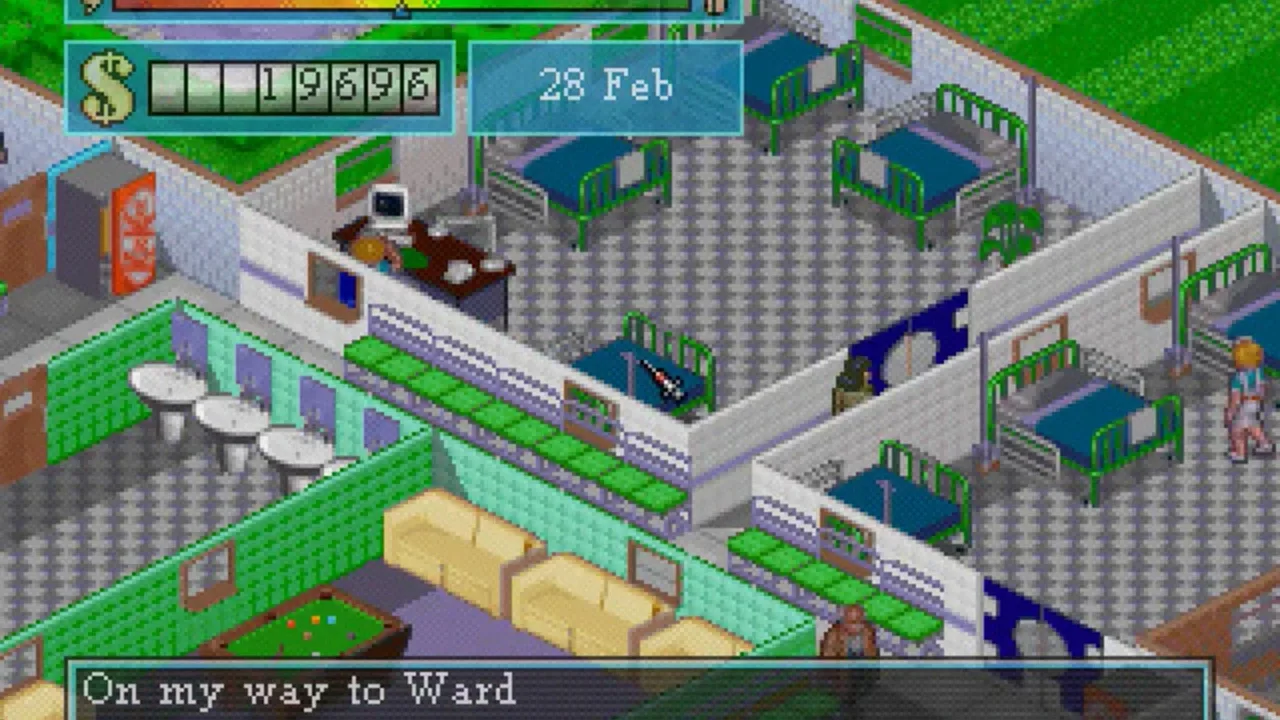
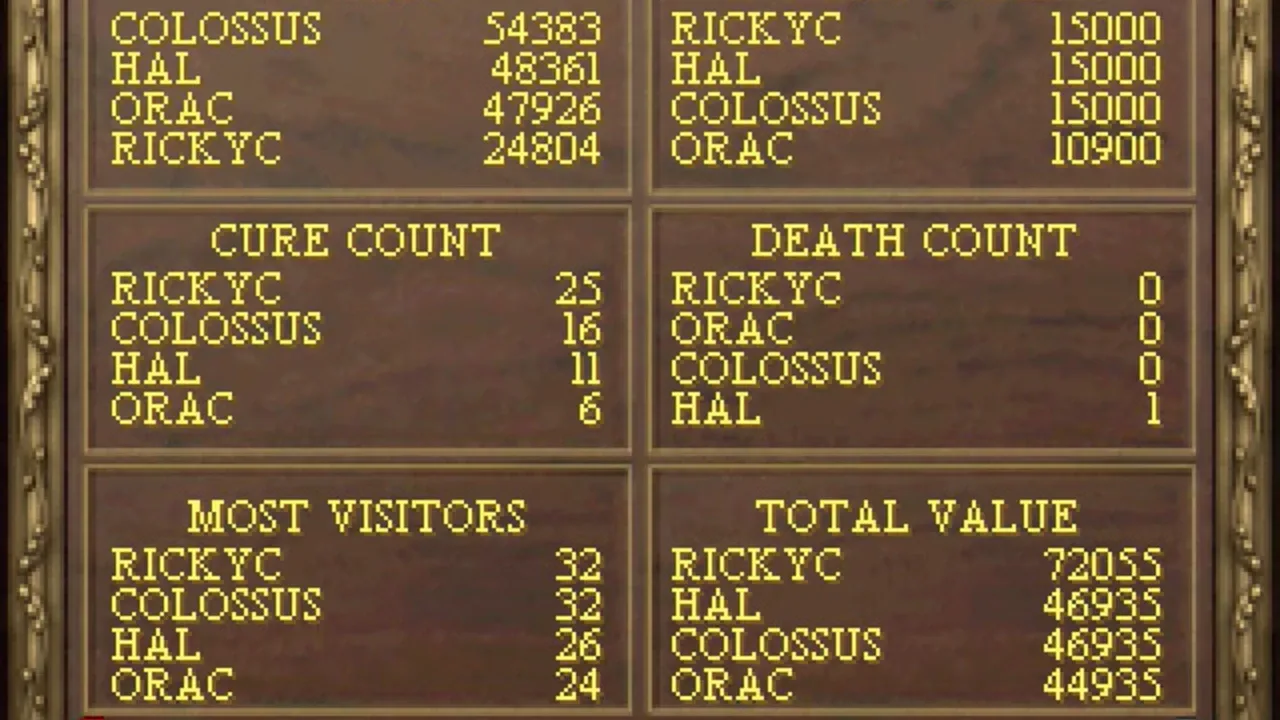
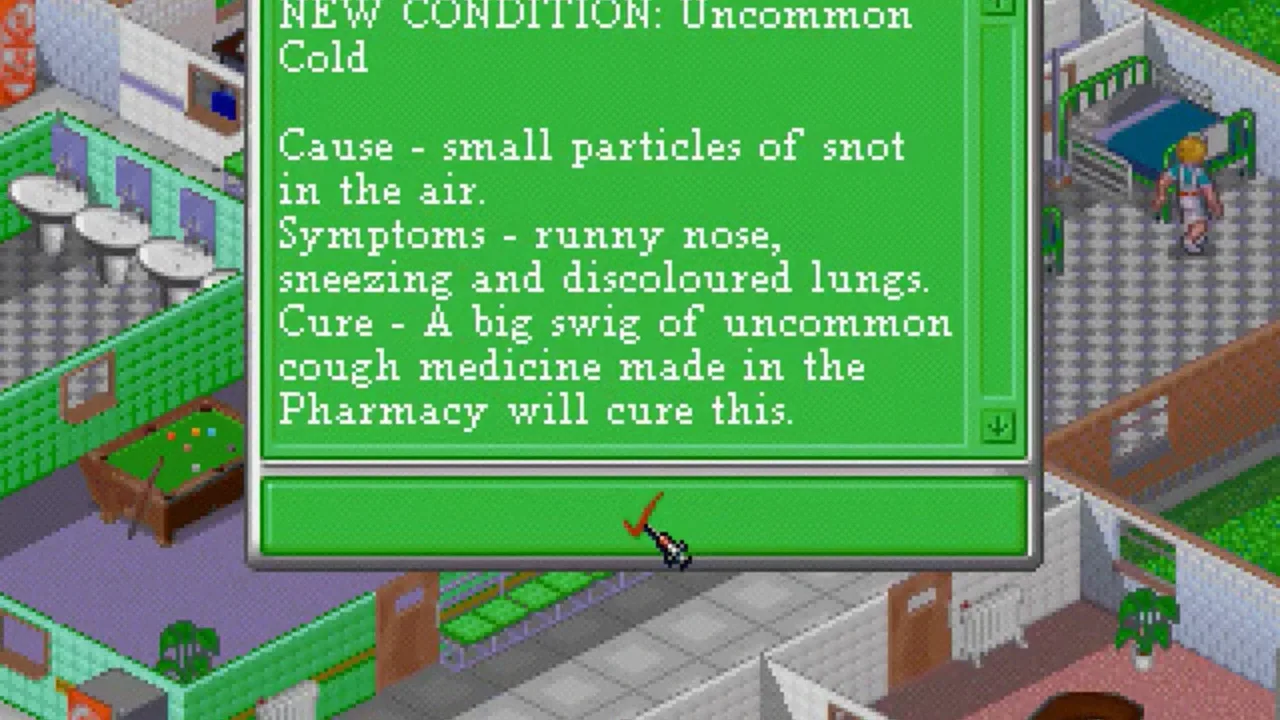
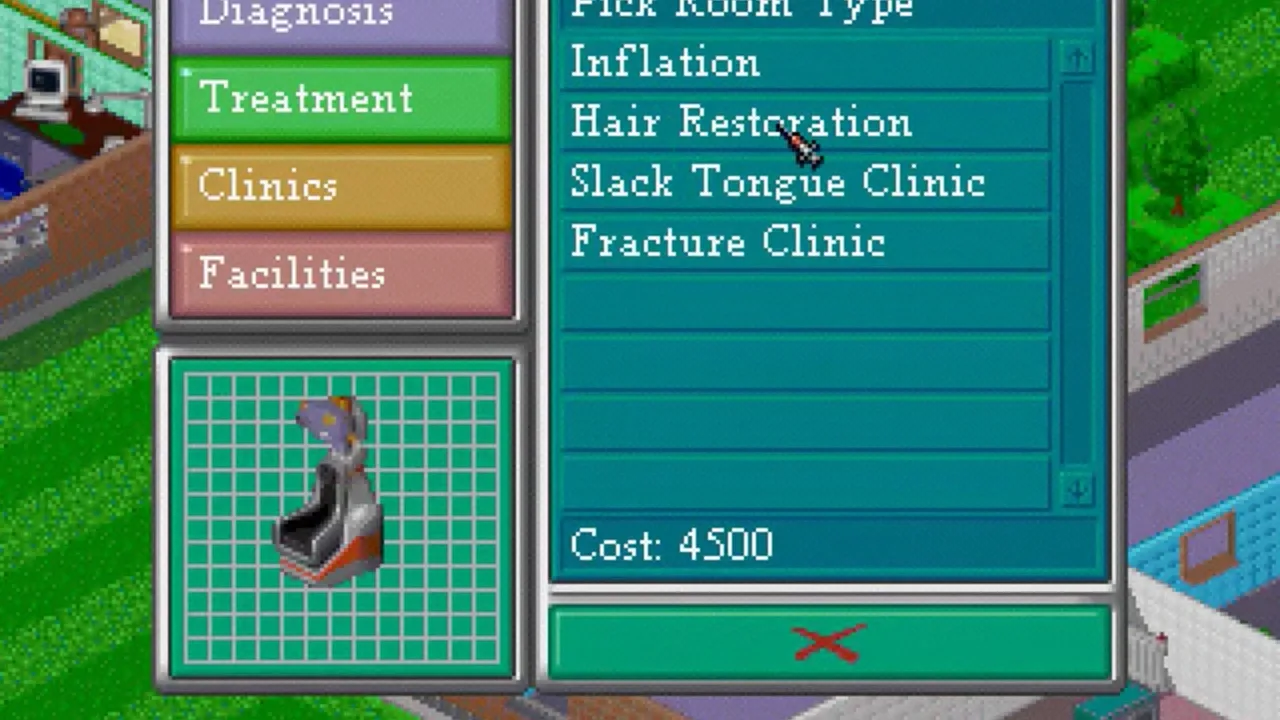
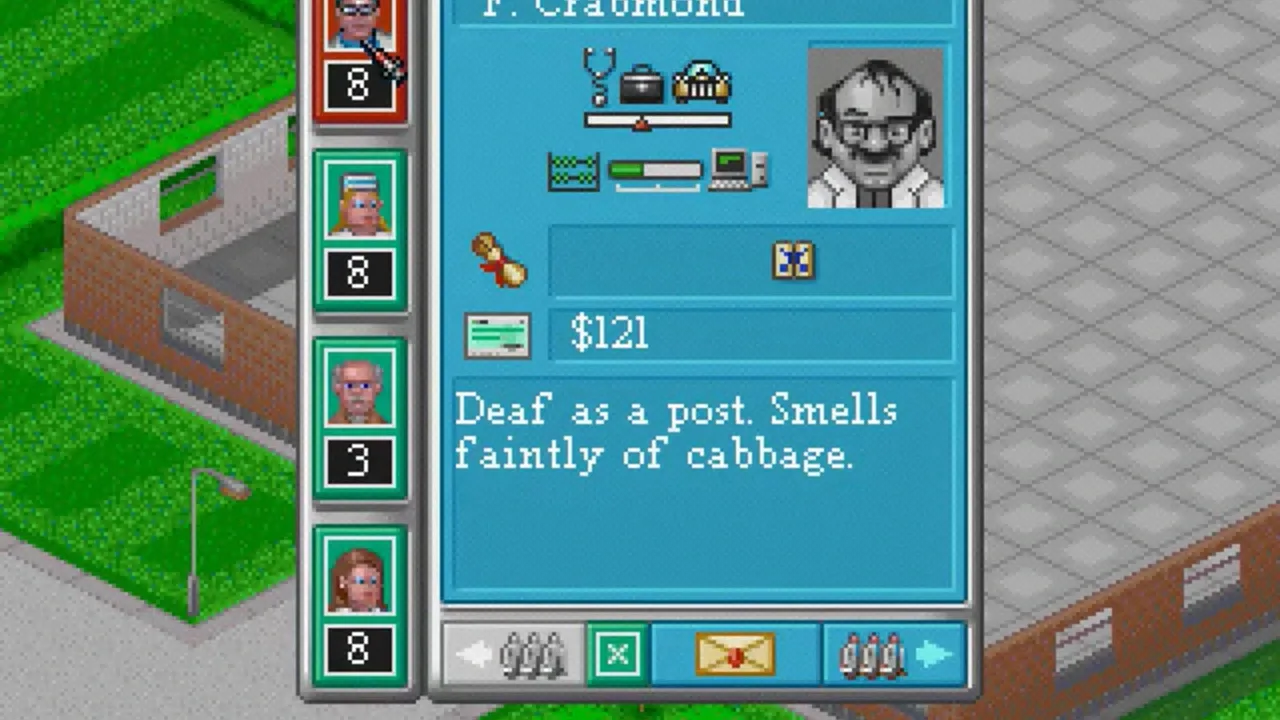
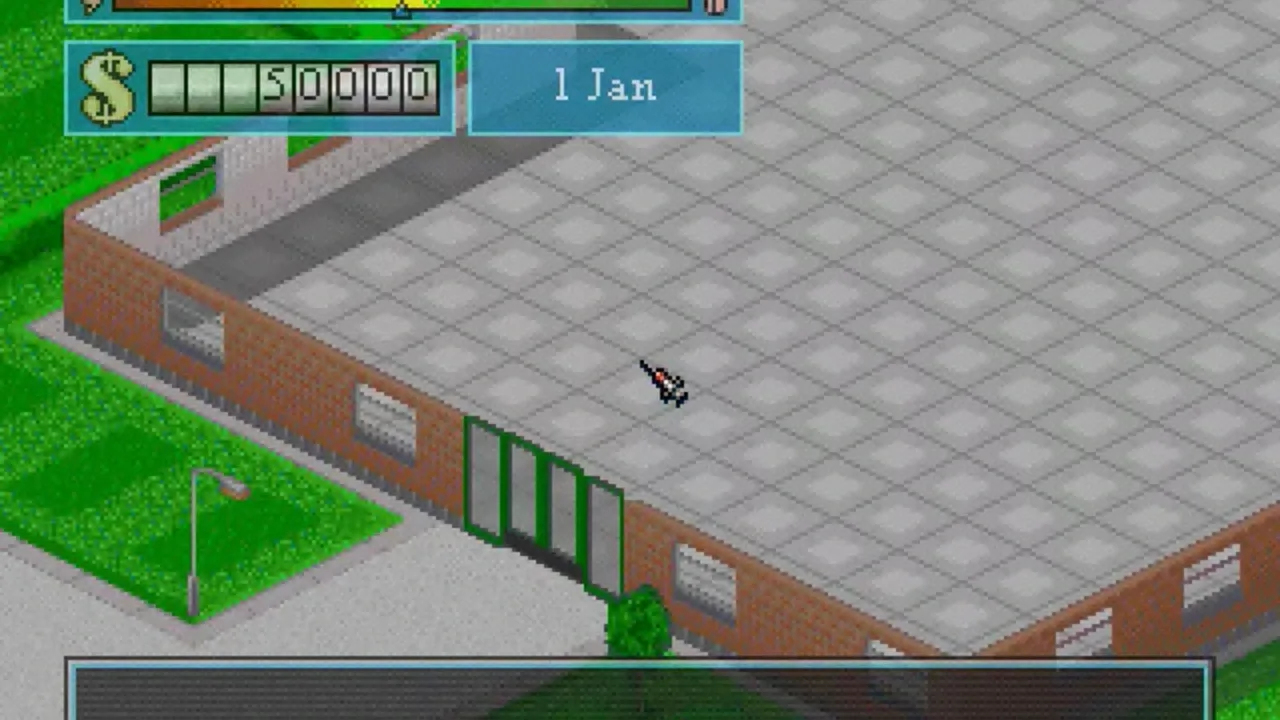
Theme Hospital is a business simulation game developed by Bullfrog Productions and published by Electronic Arts in 1997, in which the player designs and operates a hospital. Like most of Bullfrog's games, Theme Hospital is permeated by an eccentric sense of humour. The game is the thematic successor to Theme Park, a game also produced by Bullfrog. The game was a massive commercial success, selling over 4 million copies worldwide.
Could be interesting

Stand o' Food challenges you to feed a host of hungry patrons before they leave in a huff!
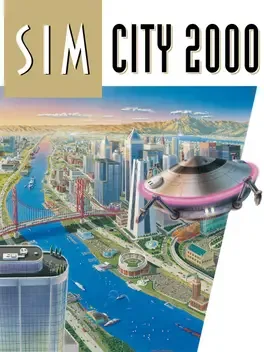
It has all the features, flexibility, art, animation, and power you need to create an environment of your dreams. Choose from a selection of bonus cities and scenarios to rule or ruin as you please. Build schools, libraries, hospitals, zoos, prisons, power plants, and much more... Lay down roads, railways, and highways. Explore the underground layer and build subways and utilities without compromising your aesthetics. Customize different buildings or design your own graphics sets from scratch. This is the ultimate classic Maxis city-building and management simulation. If this game were any more realistic, it'd be illegal to turn it off!
Theme Aquarium is a simulation video game in which the player creates and controls a sea life aquarium. It was originally released on 17 December 1998 for PlayStation only in Japan. The game was later ported to Microsoft Windows under the name Aquarium and was released in Europe. It was developed by Bullfrog production after the acquisition by Electronic Arts, since at the time Bullfrog was one of the most successful developer at breaching the Japanese market (with Populous and Theme Park). EA then decided to developed a Theme game exclusive to the Japanese Market. The western release did not have the Bullfrog branding.
Ore no Ryouri was developed by Agenda and released by Sony for the original PlayStation. Players must successfully manage different types of restaurants, utilizing the DualShock's analog sticks to perform various tasks.
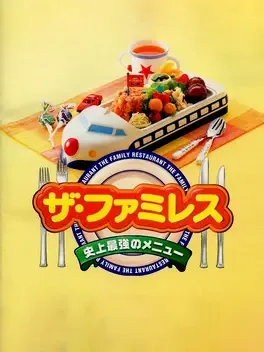
The Famires: Shijou Saikyou no Menu is a business simulator where you run your family restaurant, hire staff and design the layout to serve customers food.
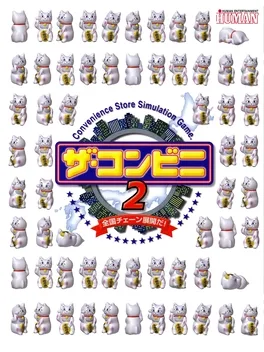
A convenience store simulation game.
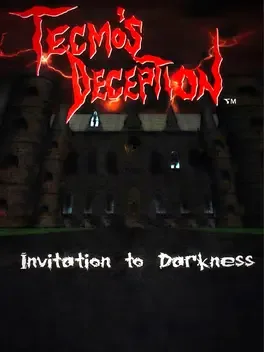
Should you enter Tecmo's Deception you should be warned! You must decide who lives and who dies. As in life, Tecmo's Deception will hold you responsible for your actions. Everything you do, everywhere you go, everyone you meet has a reason. Are you seeking revenge, resurrection, or redemption? It's your decision.
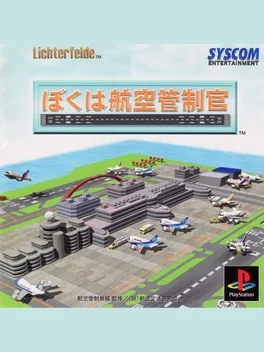
Boku wa Koukuu Kanseikan is a Strategy game, developed by Graphic Research and published by Tamsoft, which was released in Japan in 2001.

Reel Fishing is designed to create a realistic angling experience in the comfort of the gamer's living room. Strategy comes in choosing the right lure for the circumstance and it takes skill to hook the big ones and reel them in successfully. Underwater shots and "fish-eye" views of the lure offer a perspective on the sport that few ever see on an actual outing. Players can even take a "picture" of their prize catch before releasing it back into the virtual wild.
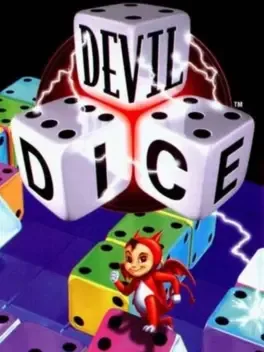
Devil Dice is a unique puzzle game, where the player controls a small devil that runs around a grid covered in large dice. The player can both stand atop dice, and stand on the ground (with the dice towering above). When standing on the dice, the player can move from die to die, or can roll a die in the direction he or she runs, revealing a different face as the die rotates. Creating a group of adjacent dice with identical pips—the size of which must be at least the number of pips—causes those dice to slowly sink into the field before disappearing. Chain reactions are possible by adding additional dice to a sinking set. Different types of dice are available in some modes, with different properties to make the game more challenging. It was originally created by developer Shift on the "homebrew" Yaroze platform, and later turned into a commercial game. Released in 1998, it is one of only a handful of games to make the leap from the Yaroze to commercial release. The game is a million-seller and a demo version was released as a PlayStation Classic game for the PlayStation 3 and PlayStation Portable on November 7, 2007.