
Ultima IV: Quest of the Avatar



Parent game
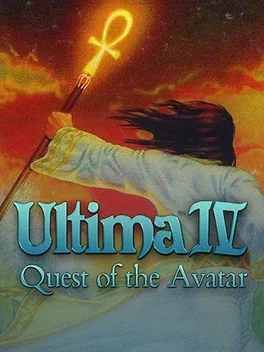
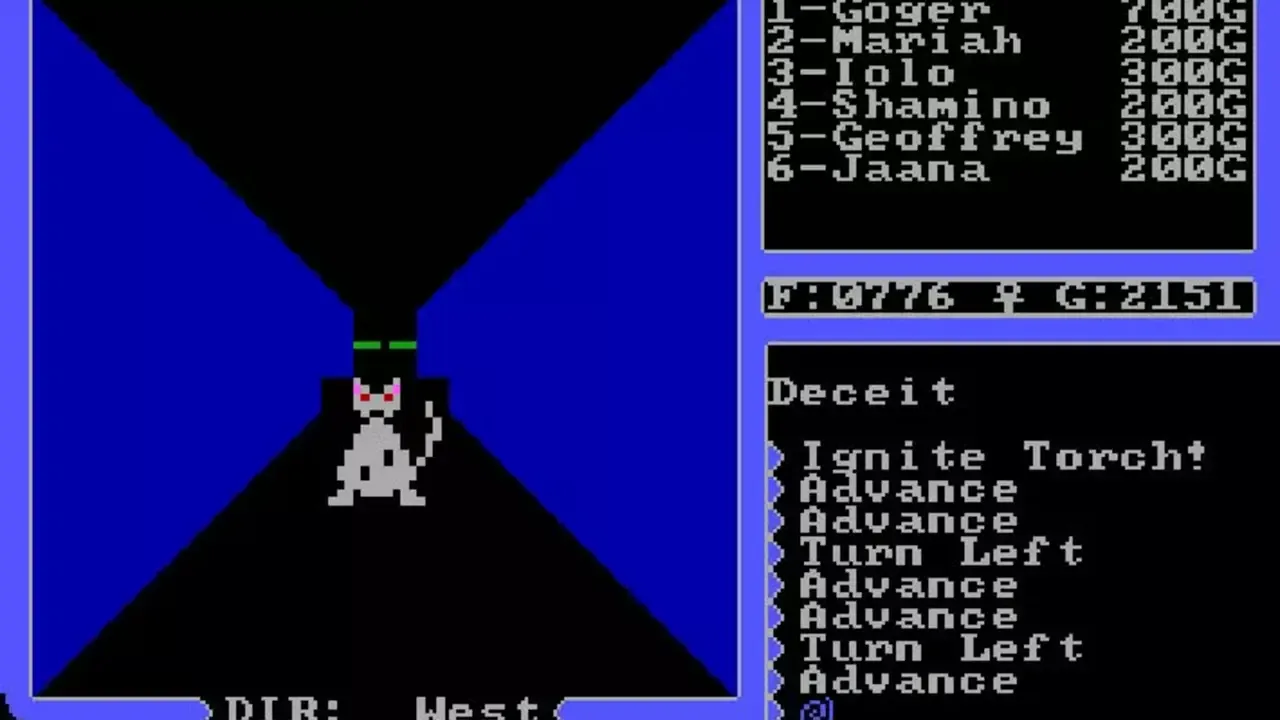
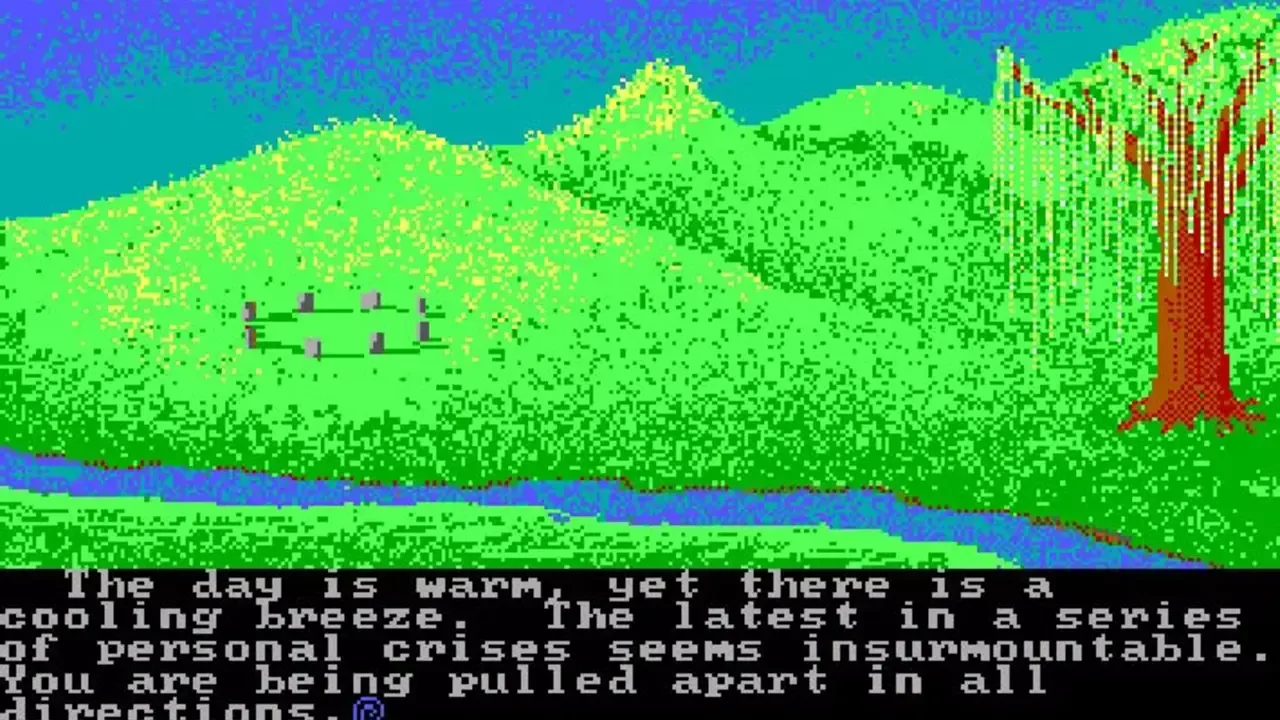
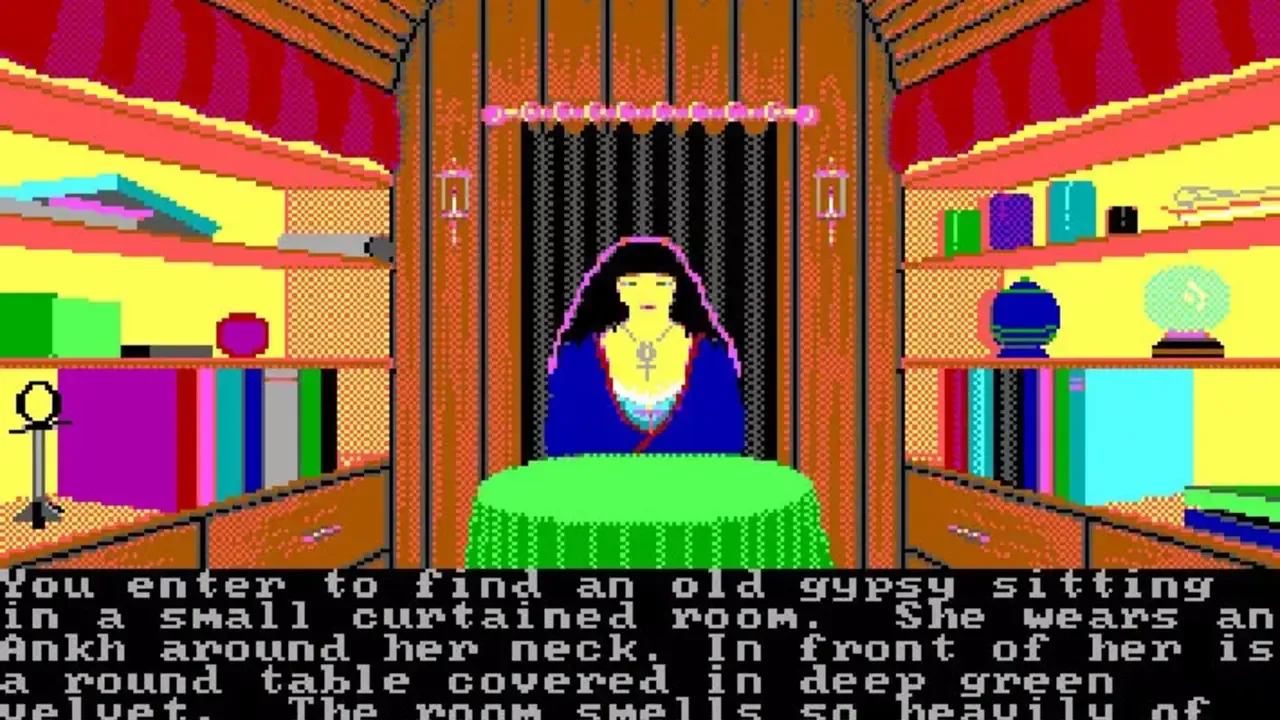
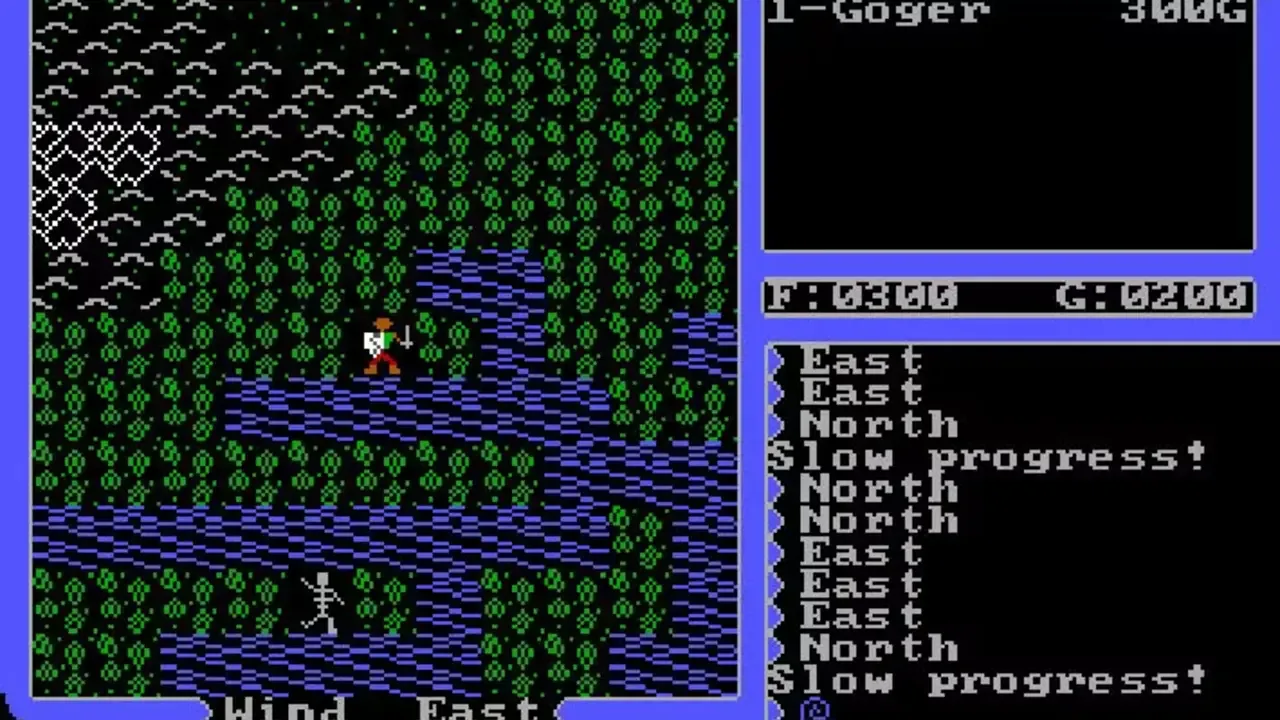
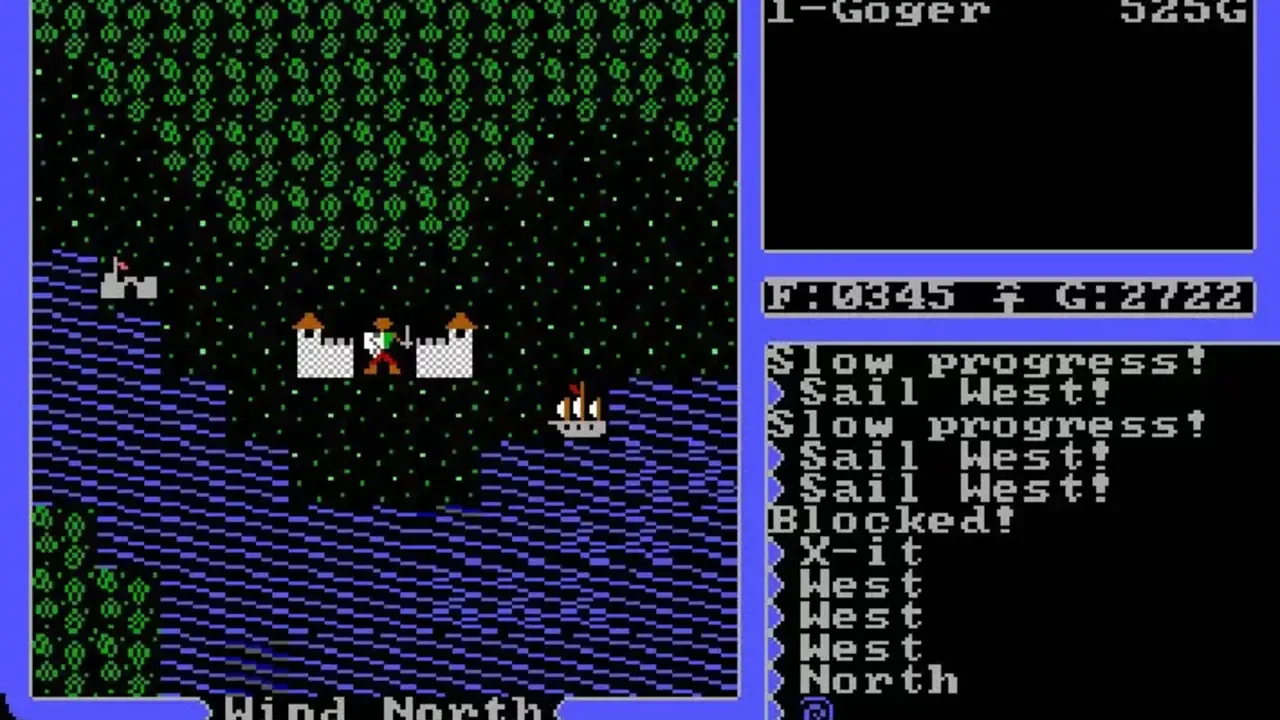
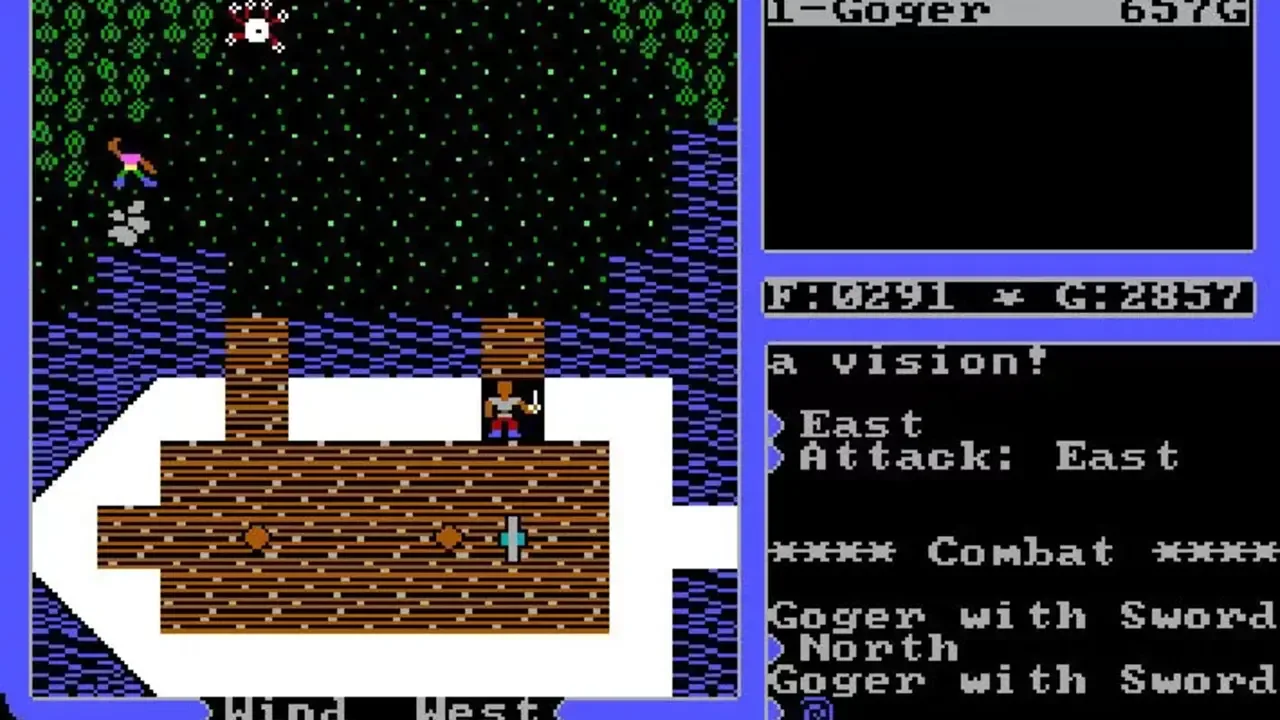
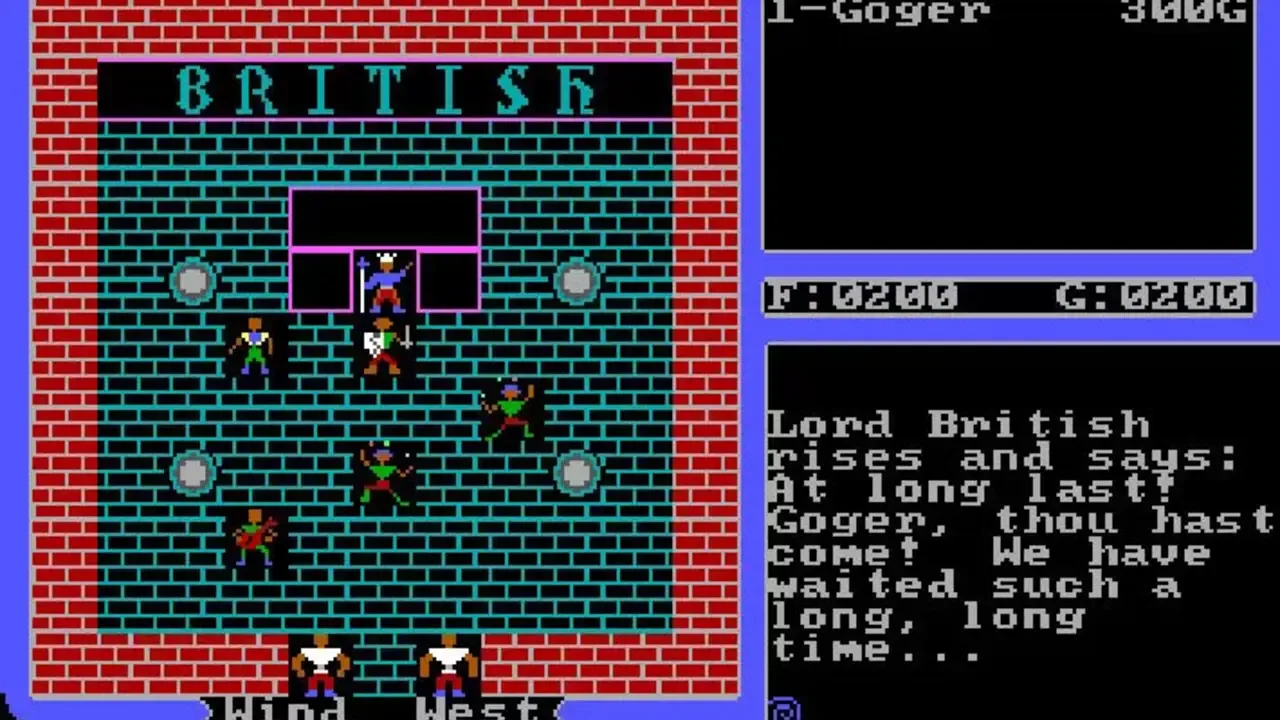
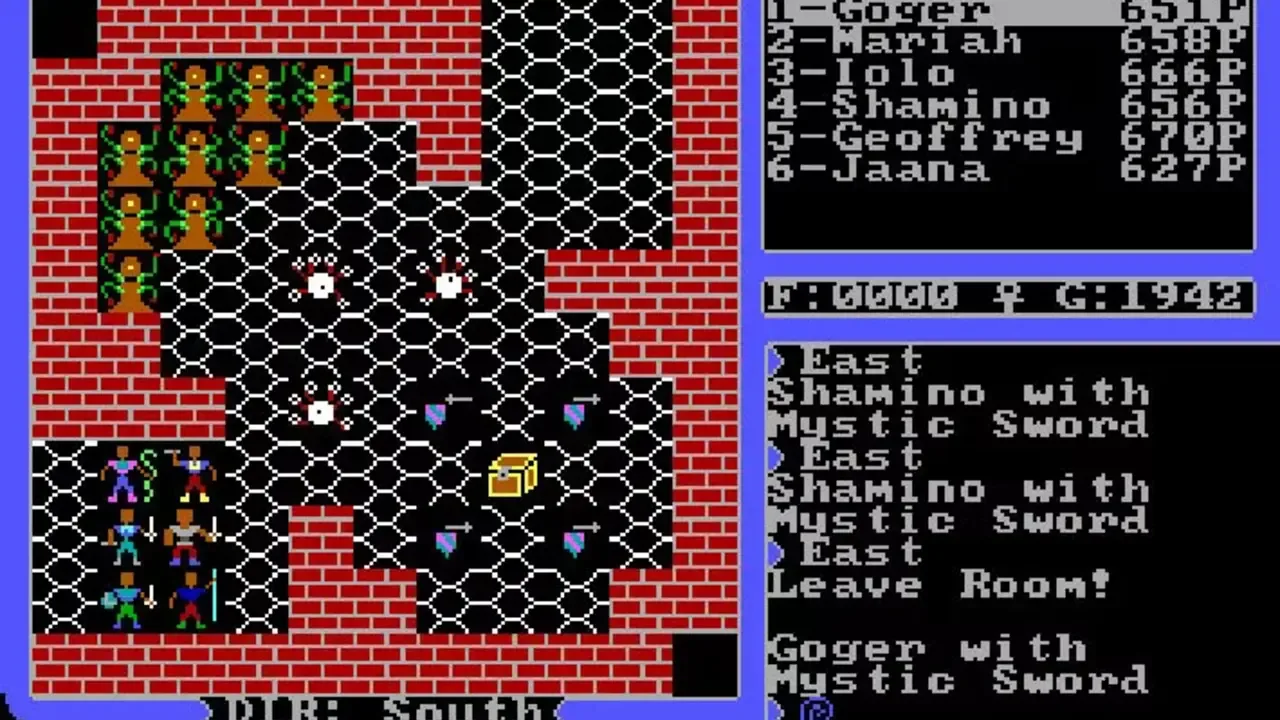
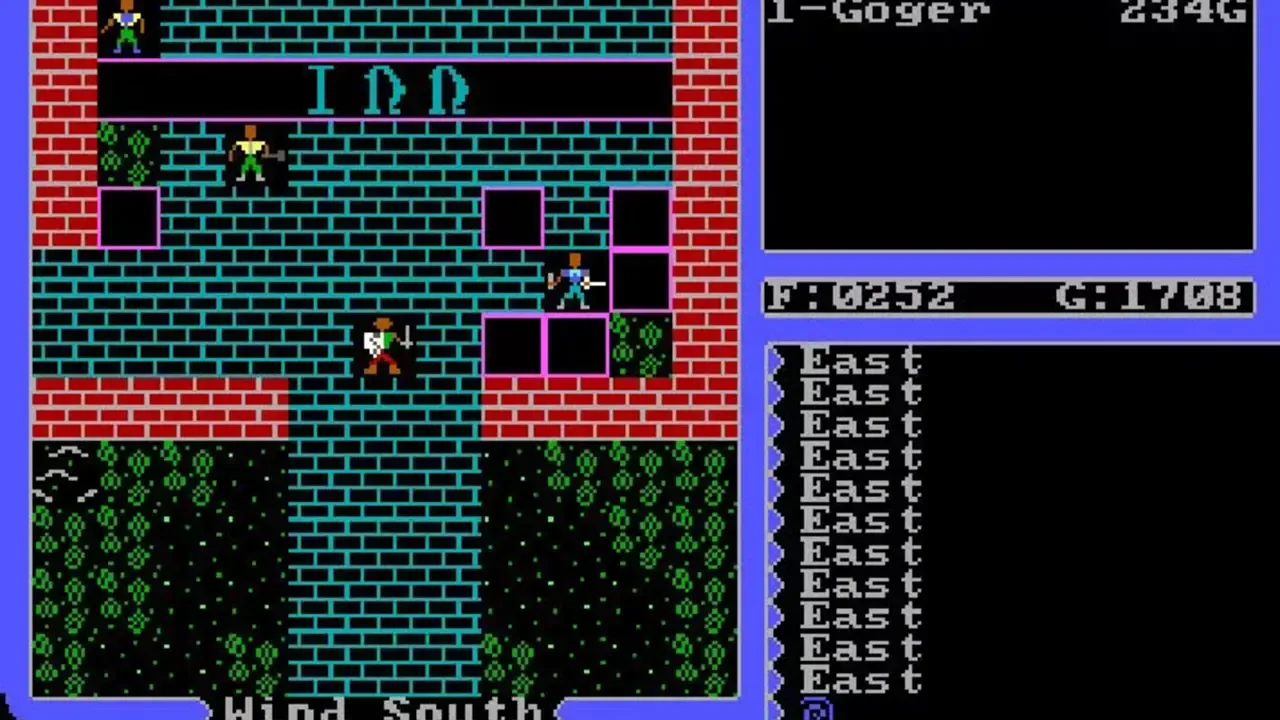
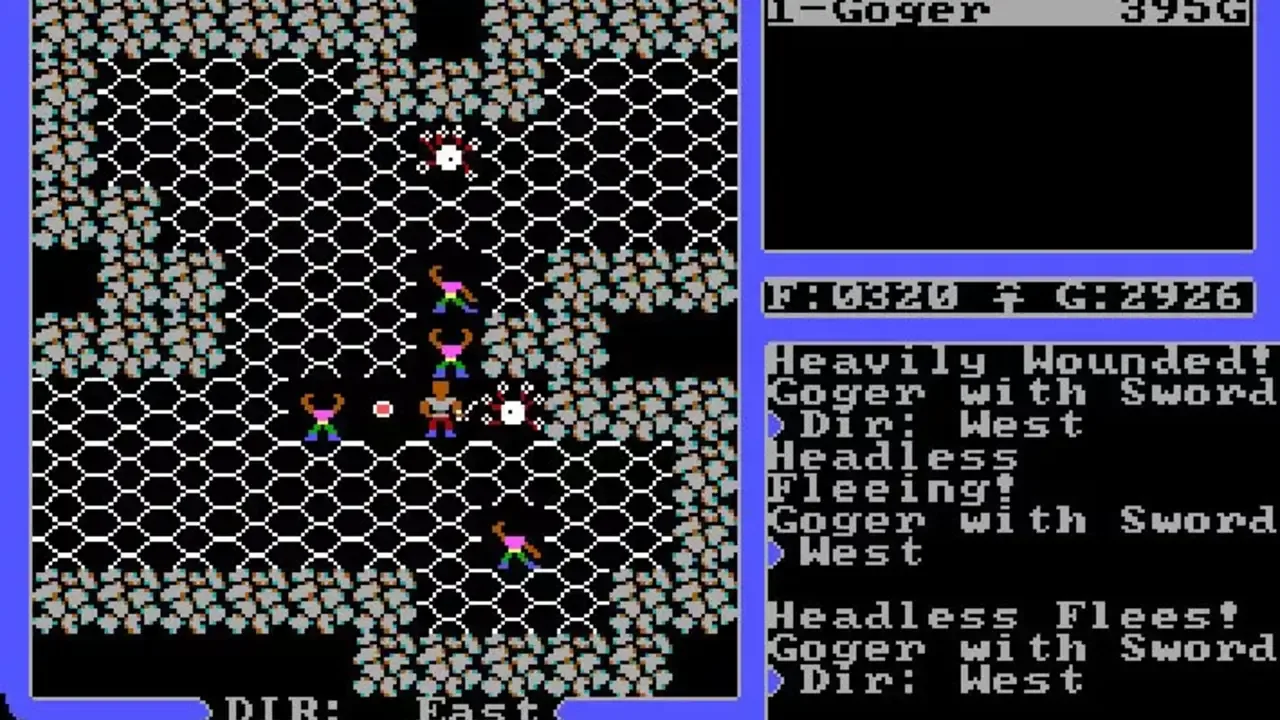
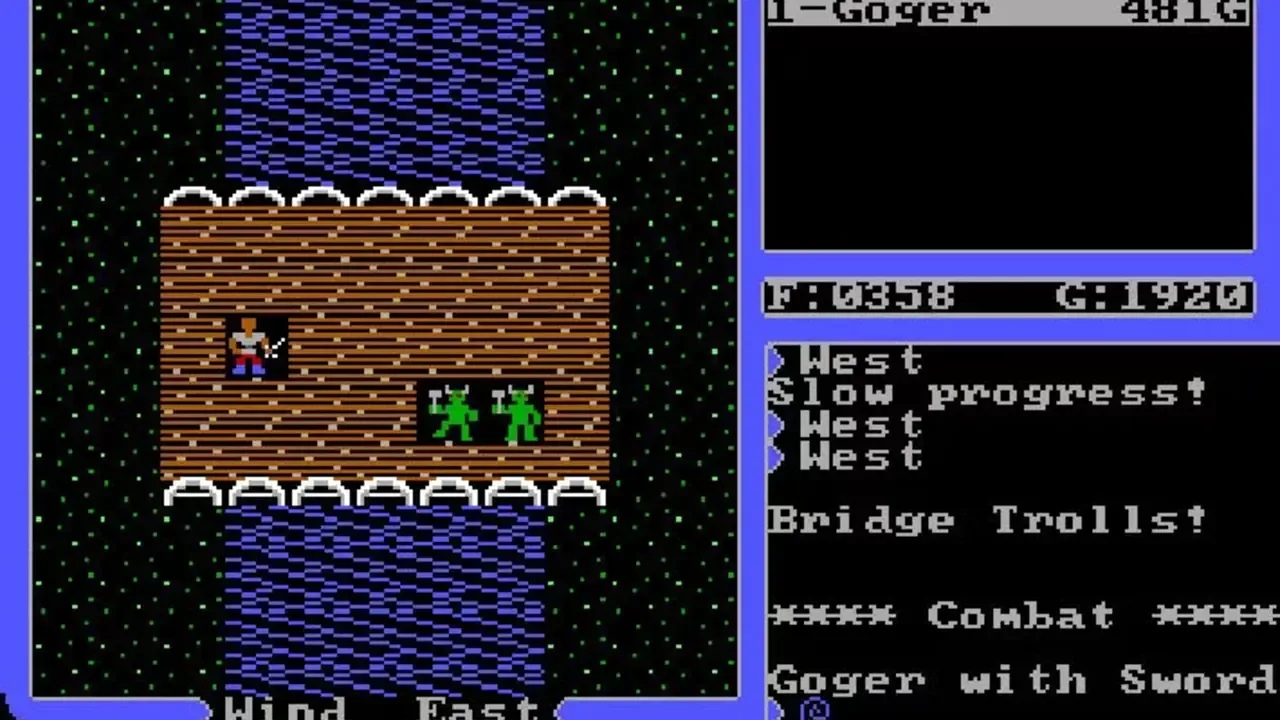
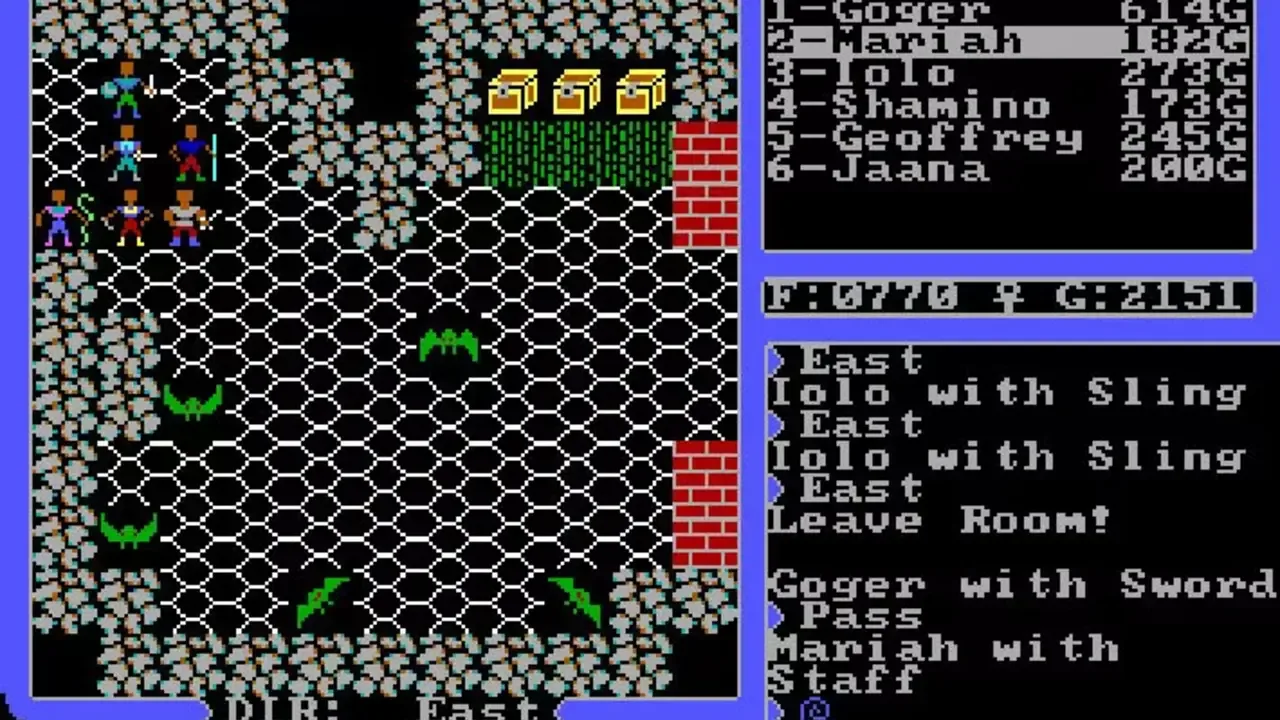
Following the defeat of the evil triad in the previous three Ultima games, the world of Sosaria changed beyond recognition: continents rose and sank, and new cities were built, heralding the advent of a different civilization. Unified by the reign of the benevolent monarch Lord British, the new world was renamed Britannia. Lord British wished to base people's well-being on the ethical principles of Truth, Love, and Courage, proclaiming the Eight Virtues (Honesty, Compassion, Valor, Justice, Sacrifice, Honor, Spirituality, and Humility) as the ideal everyone should strive for. The person who could accomplish full understanding and realization of these virtues would serve as a spiritual leader and a moral example for the inhabitants of Britannia; he alone would be able to obtain holy artifacts, descend into the Stygian Abyss, and access the Codex of Ultimate Wisdom. This person is the Avatar. The fourth game in the Ultima series features an improved game engine, with color graphics and enhanced character interaction: the player can have conversations with non-playable characters by typing names of various topics. However, the main difference between Ultima IV and its predecessors in the series (as well as other role-playing games) lies in the game's objectives and the ways to fulfill them. Instead of building up a character by any means possible in order to face a villain in the end of the game, in Ultima IV the player is trying to become the Avatar, a role model for people. This means upholding the Eight Virtues, basically trying to become a better person. Making morally conscious decisions and helping other people is not done expecting a material reward, but because it is the actual goal of the game and the main focus of its gameplay. The game frowns on behavior typical of most other RPGs, such as backstabbing fleeing enemies or picking up everything that isn't nailed down even if it does not belong to the protagonist. This different approach established the game's reputation as the first "true" Ultima, influencing the design philosophy of later installments and the overall spirit of the series. Character creation is done by choosing responses to morally ambiguous questions. Each of the Eight Virtues corresponds to a character class; by determining the player's personal priorities in the virtues, the game assigns a class and a starting location for the Avatar. After emerging in Britannia, the player is free to explore it in various ways (on foot, moongate teleportation, on horseback, by ship, etc.). Certain items must be collected in any order to enter the Stygian Abyss and complete the game. The Avatar also has to reach the highest level in all virtues. This is achieved by various means: donating blood increases Sacrifice, not fleeing from combat increases Valor, etc. The process, however, is not irreversible: should the Avatar overpay a blind seller, he gains Compassion points; should he, on the other hand, cheat the seller by underpaying, his level in several virtues would decrease. These unorthodox features of the game co-exist with plenty of traditional RPG elements, such as dungeons to explore and hostile monsters to kill. Enemies are encountered on the world map as well as in dungeons; combat takes place on separate top-down screens, allowing player-controlled and enemy parties freely move on them. Characters accumulate experience points and level up, gaining higher amount of hit points and access to stronger magic spells. Like in the previous installments of the series, world map, town exploration and combat are presented from a top-down view, while the dungeons are pseudo-3D and are explored from first-person perspective. Ultima IV also introduces several new gameplay features to the series and role-playing games in general. A number of initially non-playable characters living in various areas of the game world are able to to join the party and fight alongside the hero, replacing traditional player-generated characters or mercenaries and adventurers available only in special locations. Additional new elements include buying and combining reagents in order to cast spells, puzzle rooms in dungeons, and others.
Part of collection:
Ultima
(last 3 games)
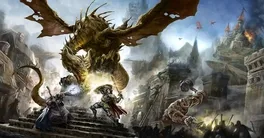
Are you tired of the same old games that lack accomplishments, true friendships, epic battles, and a sense of free will? Come and join Kingdom of Britannia Were anything is possible. † Explore a mysterious land, tame wild creatures, and powerful beasts? ‡ Perhaps you would rather pick up a sword and shield, and hunt murderous bandits, or master the dark secretes of necromancy. † Maybe you are a more of a merchant, or craftsman, with many professions and craftables to choose from.
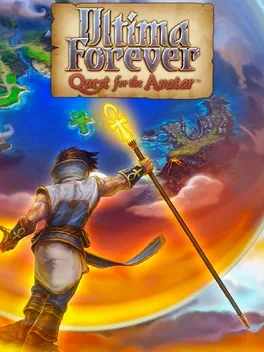
Play as a fighter or a mage as you take on Lady British's challenge in this free-to-play Ultima IV follow-up.
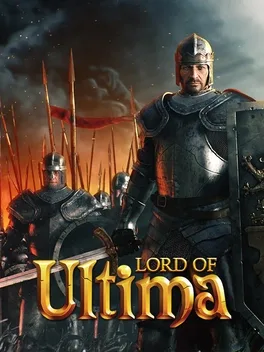
A browser based city building strategy game by EA. Create your own empire and defend it from others!
Part of franchise:
Ultima
(last 3 games)
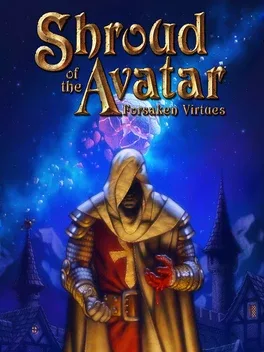
Journey to the world of Shroud of the Avatar: Forsaken Virtues, a computer role playing game created by Lord British (aka Richard Garriott), creator of the genre defining Ultima series of computer games, Starr Long, director of Ultima Online, and Tracy Hickman, author of the Dragonlance series. It combines rich story, like those of the single player Ultimas, with deep and varied multiplayer experiences, like Ultima Online.
A browser based city building strategy game by EA. Create your own empire and defend it from others!
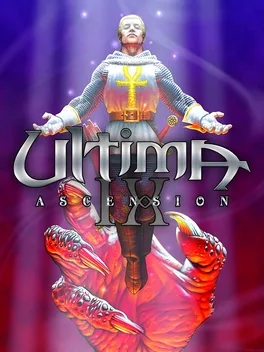
Prepare to embark on an adventure beyond imagination with the return of the best selling role-playing series of all time. In the 9th and final chapter in the 20-year legacy you return to Britannia for your last epic quest. As the heroic Avatar, only you can save Lord British and his people from the evil Guardian who has devastated the landscape and tainted the 8 sacred virtues. Valiant combat, magical prowess and knowledge of the 8 virtues are your weapons against evil in Ultima IX: Ascension, the most epic role-playing game ever created for the PC.
Could be interesting
Following the defeat of the evil triad in the previous three Ultima games, the world of Sosaria changed beyond recognition: continents rose and sank, and new cities were built, heralding the advent of a different civilization. Unified by the reign of the benevolent monarch Lord British, the new world was renamed Britannia. Lord British wished to base people's well-being on the ethical principles of Truth, Love, and Courage, proclaiming the Eight Virtues (Honesty, Compassion, Valor, Justice, Sacrifice, Honor, Spirituality, and Humility) as the ideal everyone should strive for. The person who could accomplish full understanding and realization of these virtues would serve as a spiritual leader and a moral example for the inhabitants of Britannia; he alone would be able to obtain holy artifacts, descend into the Stygian Abyss, and access the Codex of Ultimate Wisdom. This person is the Avatar. The fourth game in the Ultima series features an improved game engine, with color graphics and enhanced character interaction: the player can have conversations with non-playable characters by typing names of various topics. However, the main difference between Ultima IV and its predecessors in the series (as well as other role-playing games) lies in the game's objectives and the ways to fulfill them. Instead of building up a character by any means possible in order to face a villain in the end of the game, in Ultima IV the player is trying to become the Avatar, a role model for people. This means upholding the Eight Virtues, basically trying to become a better person. Making morally conscious decisions and helping other people is not done expecting a material reward, but because it is the actual goal of the game and the main focus of its gameplay. The game frowns on behavior typical of most other RPGs, such as backstabbing fleeing enemies or picking up everything that isn't nailed down even if it does not belong to the protagonist. This different approach established the game's reputation as the first "true" Ultima, influencing the design philosophy of later installments and the overall spirit of the series. Character creation is done by choosing responses to morally ambiguous questions. Each of the Eight Virtues corresponds to a character class; by determining the player's personal priorities in the virtues, the game assigns a class and a starting location for the Avatar. After emerging in Britannia, the player is free to explore it in various ways (on foot, moongate teleportation, on horseback, by ship, etc.). Certain items must be collected in any order to enter the Stygian Abyss and complete the game. The Avatar also has to reach the highest level in all virtues. This is achieved by various means: donating blood increases Sacrifice, not fleeing from combat increases Valor, etc. The process, however, is not irreversible: should the Avatar overpay a blind seller, he gains Compassion points; should he, on the other hand, cheat the seller by underpaying, his level in several virtues would decrease. These unorthodox features of the game co-exist with plenty of traditional RPG elements, such as dungeons to explore and hostile monsters to kill. Enemies are encountered on the world map as well as in dungeons; combat takes place on separate top-down screens, allowing player-controlled and enemy parties freely move on them. Characters accumulate experience points and level up, gaining higher amount of hit points and access to stronger magic spells. Like in the previous installments of the series, world map, town exploration and combat are presented from a top-down view, while the dungeons are pseudo-3D and are explored from first-person perspective. Ultima IV also introduces several new gameplay features to the series and role-playing games in general. A number of initially non-playable characters living in various areas of the game world are able to to join the party and fight alongside the hero, replacing traditional player-generated characters or mercenaries and adventurers available only in special locations. Additional new elements include buying and combining reagents in order to cast spells, puzzle rooms in dungeons, and others.
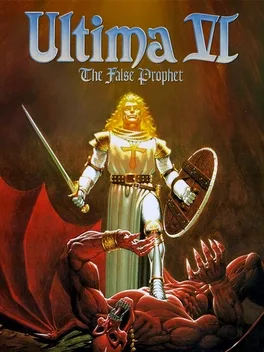
Ultima VI sees the player return to Britannia, at war with a race of gargoyles from another land, struggling to stop a prophecy from ending their race. The player must help defend Britannia against these gargoyles, and ultimately discover the secrets about both lands and its peoples.
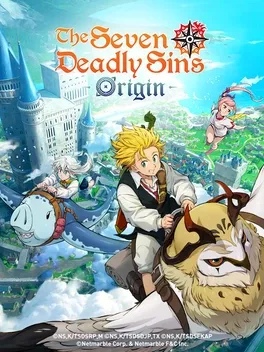
The Seven Deadly Sins: Origin is an open-world action RPG set in the universe of The Seven Deadly Sins. Step into the role of Prince Tristan of Liones and explore an open-world Britannia, as you embark on a journey to restore order to a world thrown into chaos by the collision of time and space.

Featuring the entire cast from the Five Nights at Freddy's series, this fantasy RPG will let players control their favorite animatronics in an epic animated adventure! With 40 playable characters, multiple endings, multiple difficulties, and a great soundtrack from artist Leon Riskin, FNaF World hits the ground running and doesn't stop. Take control of Freddy and the gang as they set out on a quest in the world beneath worlds, a world that reflects the actions and deeds of the "flipside", where things have started becoming distorted and broken. Lead your team deeper into this digital world to find the source of these glitches and monsters, and restore it to what it was designed to be- a safe haven. But be careful, behind the curtain there may be something even more sinister pulling the strings...
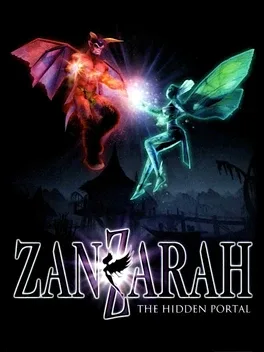
The legends speak of a long forgotten prophecy... of a shining hero and of perilous adventures... of sinister powers, strange worlds and swarms of fairies ... but they said nothing of a girl with a big heart instead of a big sword!
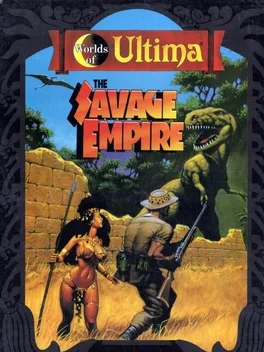
Savage Empire is Origin's first "Worlds of Ultima" release. It was made using basically the same engine as Ultima VI but with slightly different graphics. The game contains all of the elements of the other Ultimas, as well as some extra features that add to the experience. You are able to interact with the environment in a realistic manner... picking branches from trees, digging clay from a riverbank etc. Savage Empire also has a lot more character interaction than the previous Ultimas. Characters will jump into conversations whenever they feel they have something pertinent to add.
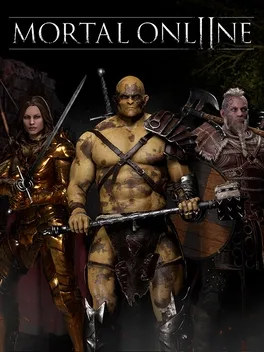
Mortal Online 2 is the long awaited sequel to Star Vault’s long running first person sandbox MMORPG. Explore a massive open sandbox world and choose your own path, but be aware, danger lurks around every corner in this full PvP full loot world.

Skald: Against the Black Priory is a classic, turn-based RPG. It's set in a dark and gritty fantasy universe: full of tragic heroes, violent deaths and eldritch, Lovecraftian horror. With a dark, immersive plot and inspired by legendary titles such as Ultima and the gold box series, this is my love letter to classic roleplaying. It is a tile and turn based roleplaying game where you lead a party of up to six characters on an epic and perilous quest.

In Stars and Time is a time-looping RPG adventure. With each loop, Siffrin gains a new perspective on the world around them, opening up new solutions to puzzles and allowing them to make better choices in conversation. Equip memories as armor, pray to the Change God to improve your team’s capabilities each loop, and challenge deadly foes to Rock, Papers, Scissors as Siffrin seeks the truth.
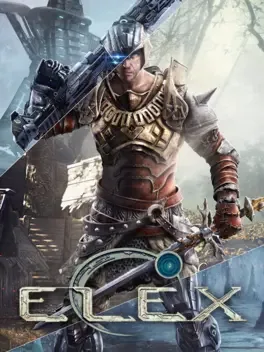
An action, role-playing open world game for PC and Consoles, Elex was developed by Piranha Bytes, creators of the award winning Gothic series and is set in a brand new, post-apocalyptic, Science-Fantasy universe where magic meets mechs. "Advanced in technology, civilized and with a population of billions, Magalan was a planet looking to the future. Then the meteor hit. Those who survived are now trapped in a battle to survive, a struggle to decide the fate of a planet. At the center of this fight is the element “Elex”. A precious, limited resource that arrived with the meteor, Elex can power machines, open the door to magic, or re-sculpt life into new, different forms. But which of these choices should be the future of Magalan? Can technology or magic save this world? Or will this new power destroy all those left alive amongst the ruins?"