
Ultima VI: The False Prophet


Buy
Part of collection:
Ultima
(last 3 games)
Are you tired of the same old games that lack accomplishments, true friendships, epic battles, and a sense of free will? Come and join Kingdom of Britannia Were anything is possible. † Explore a mysterious land, tame wild creatures, and powerful beasts? ‡ Perhaps you would rather pick up a sword and shield, and hunt murderous bandits, or master the dark secretes of necromancy. † Maybe you are a more of a merchant, or craftsman, with many professions and craftables to choose from.
Play as a fighter or a mage as you take on Lady British's challenge in this free-to-play Ultima IV follow-up.
A browser based city building strategy game by EA. Create your own empire and defend it from others!
Could be interesting
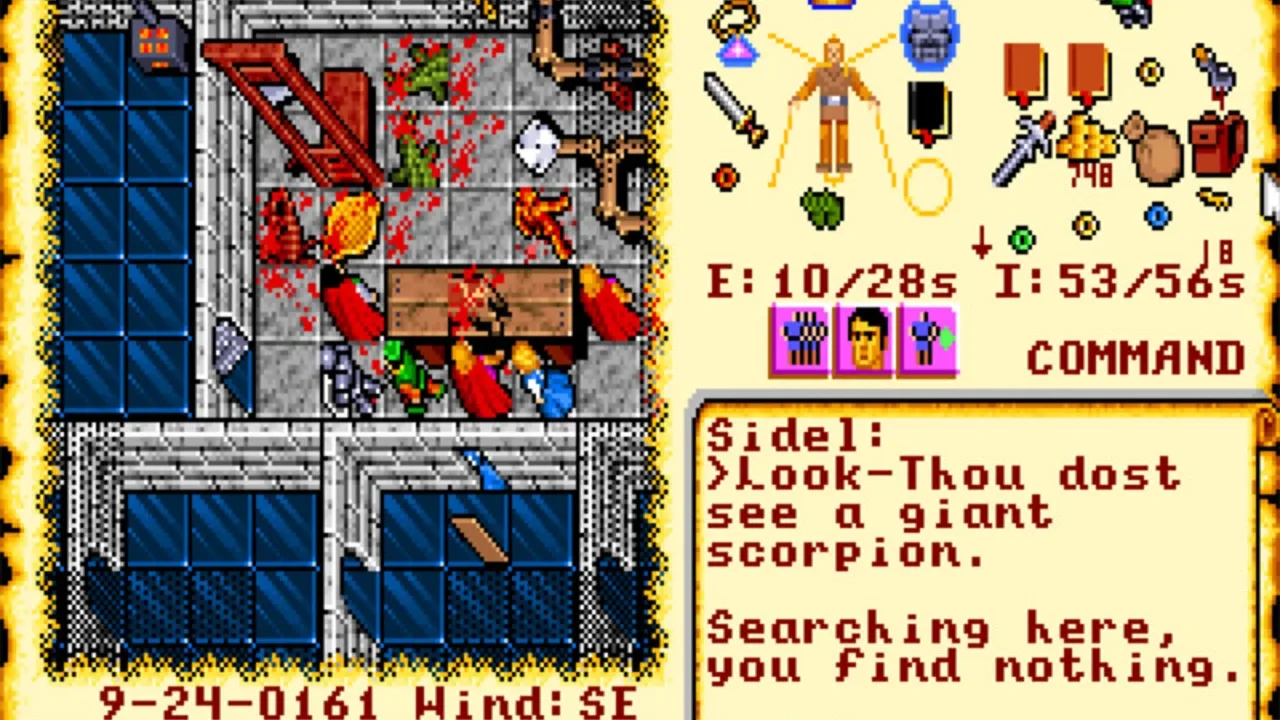
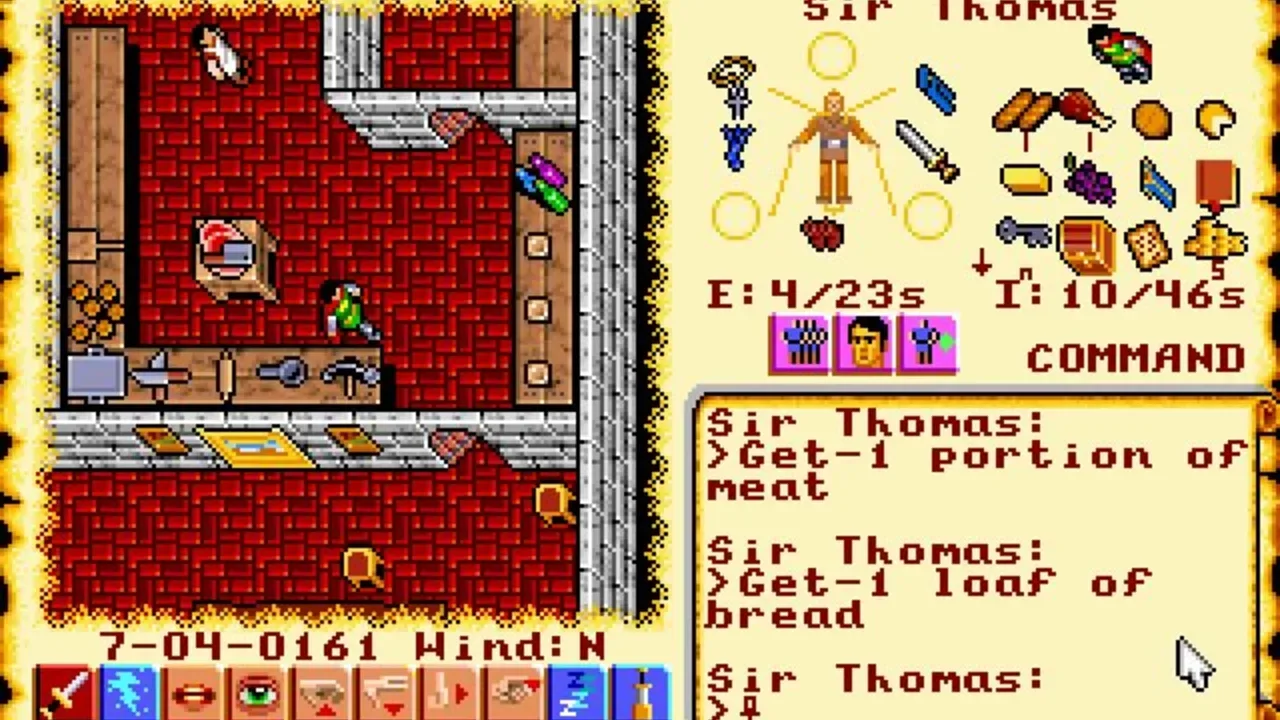
Following the defeat of the evil triad in the previous three Ultima games, the world of Sosaria changed beyond recognition: continents rose and sank, and new cities were built, heralding the advent of a different civilization. Unified by the reign of the benevolent monarch Lord British, the new world was renamed Britannia. Lord British wished to base people's well-being on the ethical principles of Truth, Love, and Courage, proclaiming the Eight Virtues (Honesty, Compassion, Valor, Justice, Sacrifice, Honor, Spirituality, and Humility) as the ideal everyone should strive for. The person who could accomplish full understanding and realization of these virtues would serve as a spiritual leader and a moral example for the inhabitants of Britannia; he alone would be able to obtain holy artifacts, descend into the Stygian Abyss, and access the Codex of Ultimate Wisdom. This person is the Avatar. The fourth game in the Ultima series features an improved game engine, with color graphics and enhanced character interaction: the player can have conversations with non-playable characters by typing names of various topics. However, the main difference between Ultima IV and its predecessors in the series (as well as other role-playing games) lies in the game's objectives and the ways to fulfill them. Instead of building up a character by any means possible in order to face a villain in the end of the game, in Ultima IV the player is trying to become the Avatar, a role model for people. This means upholding the Eight Virtues, basically trying to become a better person. Making morally conscious decisions and helping other people is not done expecting a material reward, but because it is the actual goal of the game and the main focus of its gameplay. The game frowns on behavior typical of most other RPGs, such as backstabbing fleeing enemies or picking up everything that isn't nailed down even if it does not belong to the protagonist. This different approach established the game's reputation as the first "true" Ultima, influencing the design philosophy of later installments and the overall spirit of the series. Character creation is done by choosing responses to morally ambiguous questions. Each of the Eight Virtues corresponds to a character class; by determining the player's personal priorities in the virtues, the game assigns a class and a starting location for the Avatar. After emerging in Britannia, the player is free to explore it in various ways (on foot, moongate teleportation, on horseback, by ship, etc.). Certain items must be collected in any order to enter the Stygian Abyss and complete the game. The Avatar also has to reach the highest level in all virtues. This is achieved by various means: donating blood increases Sacrifice, not fleeing from combat increases Valor, etc. The process, however, is not irreversible: should the Avatar overpay a blind seller, he gains Compassion points; should he, on the other hand, cheat the seller by underpaying, his level in several virtues would decrease. These unorthodox features of the game co-exist with plenty of traditional RPG elements, such as dungeons to explore and hostile monsters to kill. Enemies are encountered on the world map as well as in dungeons; combat takes place on separate top-down screens, allowing player-controlled and enemy parties freely move on them. Characters accumulate experience points and level up, gaining higher amount of hit points and access to stronger magic spells. Like in the previous installments of the series, world map, town exploration and combat are presented from a top-down view, while the dungeons are pseudo-3D and are explored from first-person perspective. Ultima IV also introduces several new gameplay features to the series and role-playing games in general. A number of initially non-playable characters living in various areas of the game world are able to to join the party and fight alongside the hero, replacing traditional player-generated characters or mercenaries and adventurers available only in special locations. Additional new elements include buying and combining reagents in order to cast spells, puzzle rooms in dungeons, and others.
Fire Emblem: Three Houses is a tactical role-playing game developed by Intelligent Systems and Koei Tecmo for the Nintendo Switch. Players take the role of a professor at Garreg Mach Monastery, where they teach and guide one of three student houses. Gameplay combines turn-based battles, character development, exploration, and relationship-building.
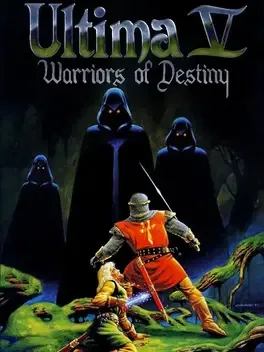
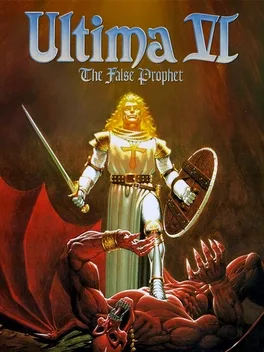
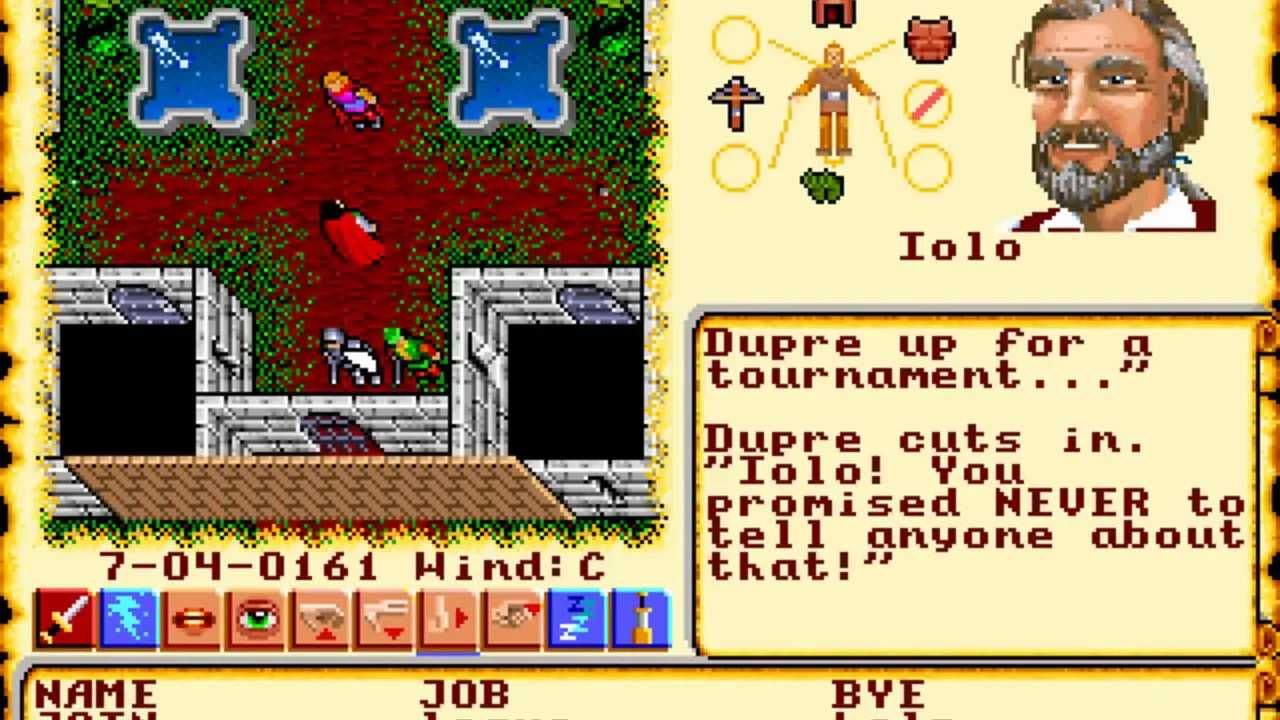
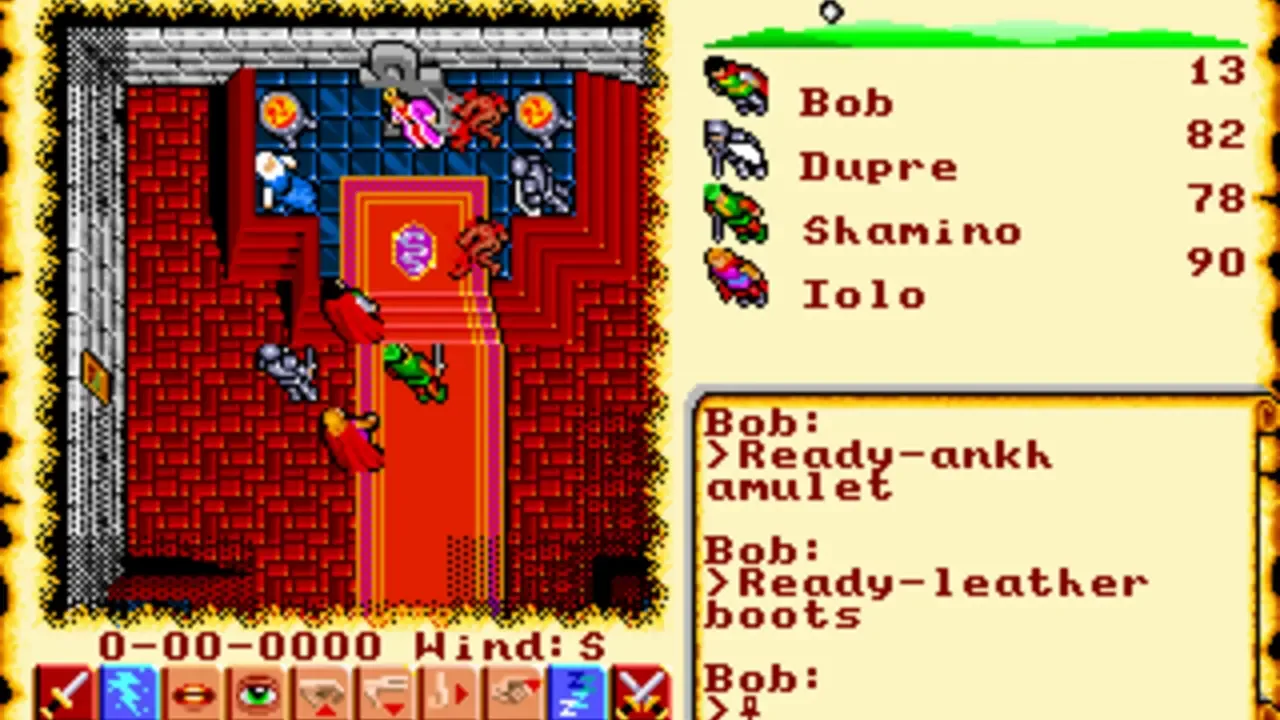
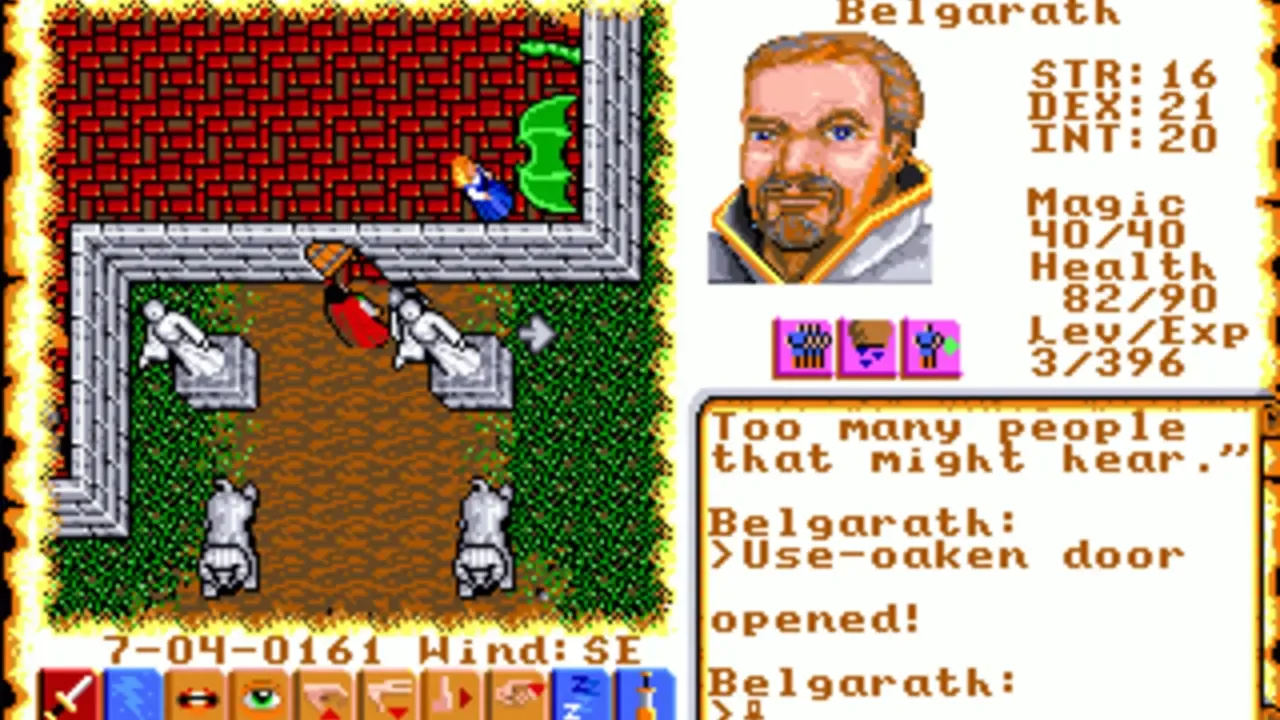
After a century of relative peace, the Avatar of Virtue is summoned back to the medieval kingdom of Britannia to deal with a new threat: the usurper Lord Blackthorn, a formerly honorable nobleman who has been corrupted by strange new creatures called the Shadowlords. After the recent disappearance of the true king, Lord British, the realm has fallen under martial law. Blackthorn now rules the land by brutally enforcing the eight Virtues upon the people of Britannia - corrupting their meaning in the process. The Avatar must gather together his former companions, now made outlaws by Blackthorn's regime, and venture forth to defeat the vile Shadowlords and recover the true king from the shadowy depths of the Underworld.
It has been two centuries since the Avatar last appeared in our good kingdom. Some have written that at last it is possible to interpret the tales of the Avatar as they should be, with the proper historical perspective. Some argue that as time moves on, the truth of what actually occurred will fade even further away and that we have a responsibility to preserve the legends as we now know them. However, most agree when it comes to a number of basic theories. While there are those who maintain that the stories of the Avatar are only myths, practically all credible scholars say that at least some elements of the Avatar’s tales are historical fact. In reality, one need look no further than the Isle of the Avatar to see very persuasive evidence that the Avatar did indeed exist - at least as a person if not as a spiritual being! It is most likely that there has been more than one Avatar. All of the writings insist that the Avatar who negotiated the peace between Britannia and the gargoyles is the one and same person who first appeared to vanquish the sorcerer Mondain those many years ago. While saying it is most unlikely, historians do not firmly deny the possibility of there having been only on Avatar. After all, our good sovereign monarch, wise Lord British, has himself displayed an amazing longevity! Whatever interpretation of history proves to be most accurate, it seems undeniable that the Avatar will not return to our fair kingdom. By all indications the age of magic is coming to an end. With the decline on reliability of mages, and with the kingdom turning away from the magical arts, it is doubtful that extreme danger - that which would require an Avatar’s aid to defeat it - will ever return to Britannia. And thankfully so. Upon us is the age of The Fellowship, in which one does not simply wait in anticipation for a heroic savior when a crisis occurs. In this less spectacular but more practical day, we are left to solve our problems with our own minds and our own will.
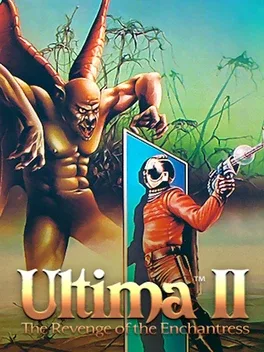
After obtaining aid from the lords of the realm in Ultima I, your character travels back in time, locates the mad wizard Mondain, slays him, and ends his reign of terror. In Ultima II: Revenge of the Enchantress, Mondain's protégé, Minax, who studied the mad wizard's teachings and writings, returns to wreak vengeance on the person who slew her teacher and lover -- you. And, instead of waiting for you to return to her native land of Sosaria, she wreaks havoc on your own Earth. Throughout Ultima II: Revenge of the Enchantress, your quest is quite different in scope from its predecessor. Earth is turned into a half-modern, half-fantasy world by the forces of magic and, as a result, things are much stranger than one might expect. As explained in the introduction, your tasks in the game are to "Battle strange creatures across the face of the Earth, search for clues in careless words spoken at the local pub, traverse deep, dark, deadly dungeons and tall, terrifying towers...and conquer Time itself to battle Minax the Enchantress."
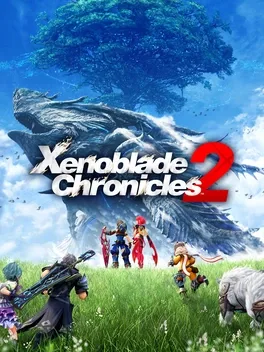
The next adventure is on the Nintendo Switch console set on the backs of colossal, living Titans. Discover each Titan's diverse regions, culture, wildlife, equipment, and hidden secrets. Find, bond with, and command weaponized life forms known as Blades to earn abilities and enhance them. Uncover the history of Alrest and the mystery of its endless ocean of clouds.
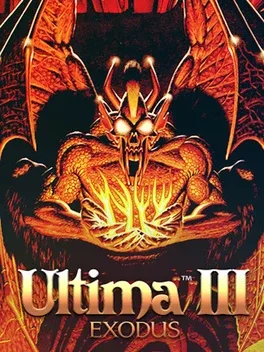
Eons ago Lord British came unto the lands of Sosaria. Since that time it has been united under his rule as the Kingdom of Britannia and has gone through two major crises. A few years ago there were political upheavals among the city states of the kingdom. The ringleader of this political instability was Mondain, the Magician. Under his horrible rule, the people's lives were devastated. A valiant warrior was called forth from another world by Lord British. This warrior overthrew Mondain. Britania survived the first crisis. But peace in the Kingdom of Britannia did not last long. Minax, the Witch, a disciple of Mondain, became very powerful and ruled the world of darkness. Minax had power to sway the time axis of the universe. However, a legendary hero again came to the rescue, overthrew Minax, and brought peace back to the kingdom. Now, the Kingdom is about to face its third crisis. Rumours abound about a fiery island which has emerged in the southwestern seas. Little is known of the evil that dwells there. It is known only as Exodus.

A turn-based role-playing game set in the Galar region, a fictional land inspired by the United Kingdom. Players catch, train, and battle creatures called Pokémon while traveling across the region to collect eight Gym badges and ultimately challenge the reigning Champion. The game introduces the Dynamax and Gigantamax mechanics, which temporarily transform Pokémon into giant forms with enhanced attacks. A fully explorable open-world Wild Area connects major locations, with weather-dependent Pokémon encounters and cooperative raid battles for up to four players. The first mainline Pokémon entry on the Nintendo Switch, it notably adopted DLC expansions instead of the series' traditional enhanced re-releases.
Baldur's Gate is a fantasy role-playing video game developed by BioWare and published in 1998 by Interplay Entertainment. It is the first game in the Baldur's Gate series and takes place in the Forgotten Realms, a high fantasy campaign setting, using a modified version of the Advanced Dungeons & Dragons (AD&D) 2nd edition rules. It was the first game to use the Infinity Engine for its graphics, with Interplay using the engine for other Forgotten Realms-licensed games, including the Icewind Dale series, as well as other licensed D&D campaign worlds such as Planescape: Torment. The game's story focuses on players controlling a protagonist of their own creation who finds themselves travelling across the Sword Coast alongside a party of companions, to unravel the mystery surrounding a sudden iron crisis affecting the region and attempting to discover the culprits behind it, all while uncovering dark secrets about their origins and dealing with attempts on their life.
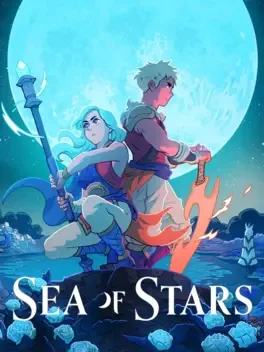
Sea of Stars is a turn-based RPG inspired by the classics. Promising the Sabotage touch in every system, Sea of Stars aims to modernize the classic RPG in terms of turn-based combat, storytelling, exploration and interactions with the environment, while still offering a hearty slice of nostalgia and good old, simple fun.