
Bounty Sword: Double Edge



Buy
Part of collection:
Bounty Sword
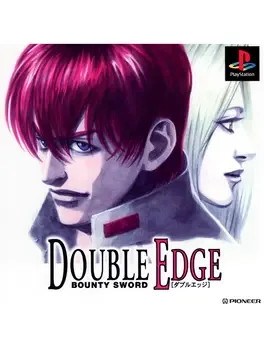
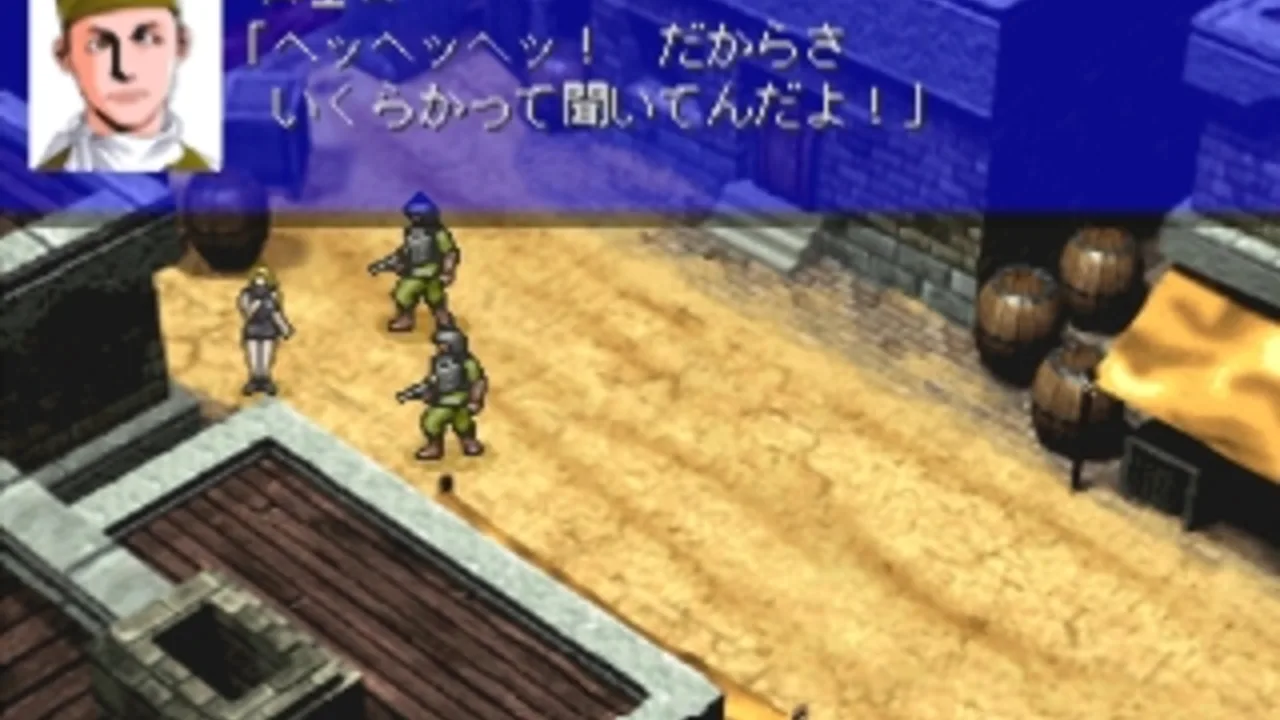
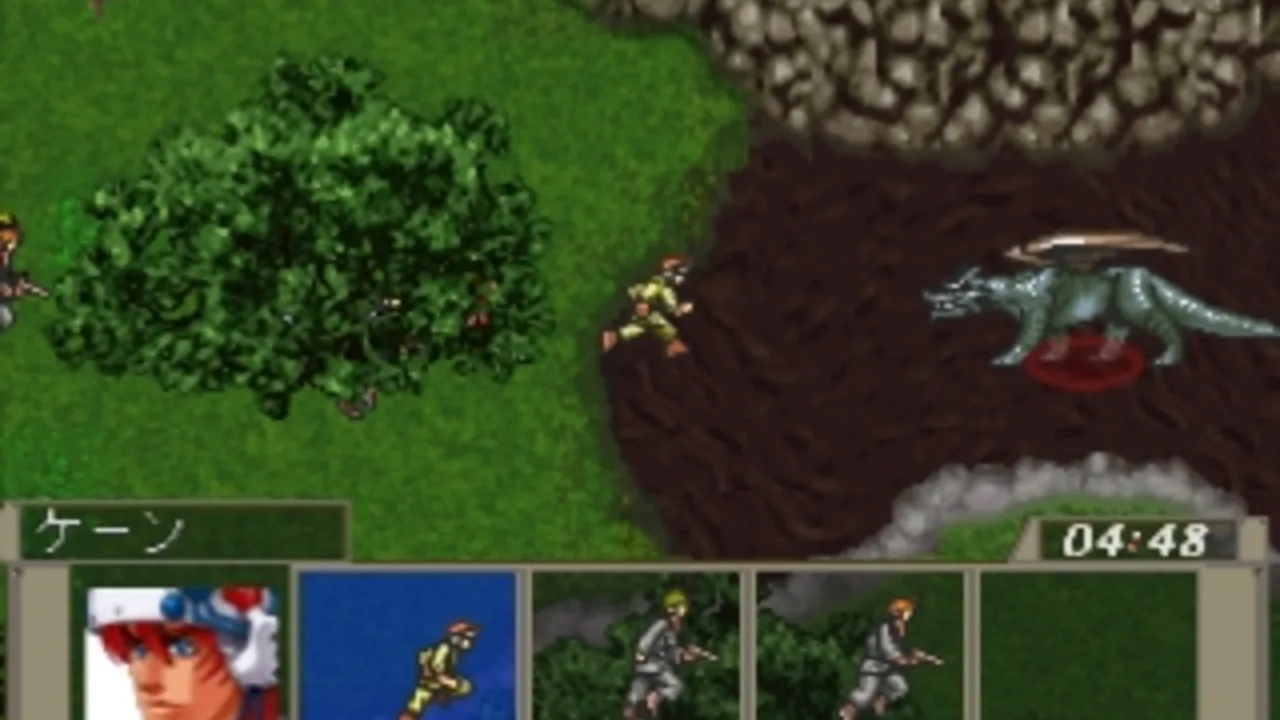
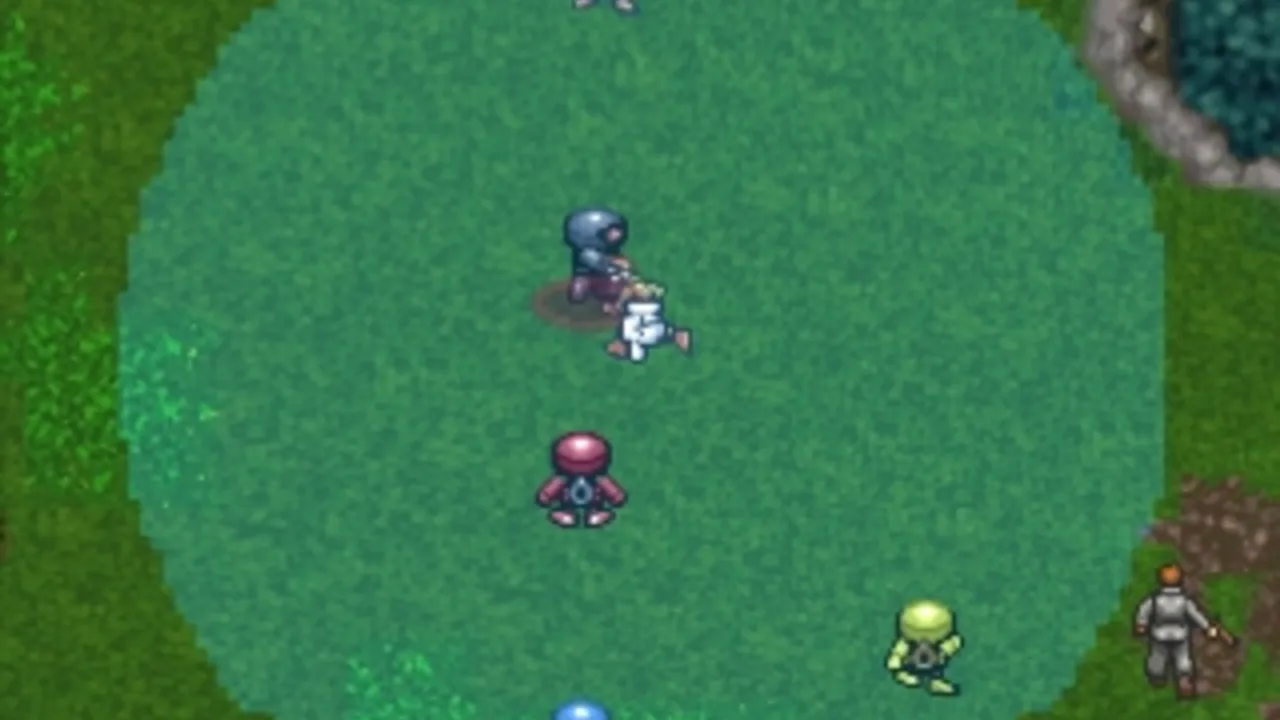
Bounty Sword Double Edge is the second game in the Bounty Sword game series, and it was the last one since the third game of the trilogy was never released. The bigger difference between this one and Bounty Sword First is that the player can select between 2 characters, and the one that is not chosen at the beginning of the game will appear during the story as a competitor. The game got the same gameplay as Bounty Sword First, since the characters move themselves around the battlefield and the player can only pause the gameplay to give some orders.
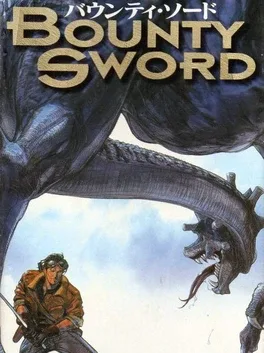
A Japan-only strategy RPG for the Super Famicom that mixes real-time and turn-based combat, with the player moving around the battlefield giving their units commands. Bounty Sword is a strategy game for the Super Famicom and adopts an unusual mix of real-time and turn-based for its units. The player can interrupt the action at any time to command their units to use special moves, otherwise units will march towards enemies and attempt to cut them down with regular attacks. Players can also customize their group on the camp screen between fights, organizing their equipment and setting their AI to heal themselves once they hit a health percentage threshold. Imaginative Technology Land developed Bounty Sword and the game was published in Japan by Pioneer LDC on September 8, 1995. The game was later followed by two other titles on the Sony PlayStation, a remake in 1997 called Bounty Sword First and a sequel in 1998 called Bounty Sword: Double Edge.
Could be interesting

Suikoden is a Japanese-style role-playing game with several unusual additions. There are three kinds of combat in the game, the most common one being the traditional turn-based party combat (players can have up to six people in their active party). Magic runes can be equipped on the player's characters which allow limited usage of offensive and healing spells. There are also a few army battles, where the player must control whole units of fighters, archers, magicians, etc., and one-on-one fights (duels).
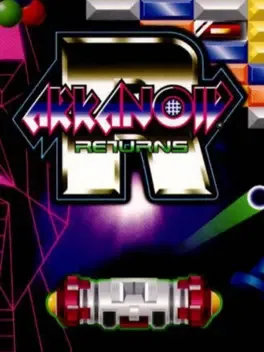
Arkanoid Returns is an arcade game released by Taito in 1997 as part of the Arkanoid series. It was the fourth overall, and third to be released in arcades. The game was since ported to the PlayStation, with an updated home release being released afterwards titled Arkanoid R 2000. All versions were released exclusively in Japan, currently making it the only game in the series to never receive an international release. The enemy known as 'DOH' still did not get the message and after many years of silence decides to attack once again. The 'Vaus' space vessel better be ready to face new, yet familiar challenges, in order to stop 'DOH' once again. The gameplay remains similar to Arkanoid: Doh it Again, the previous game in the series released for the Super Nintendo, in that it features the same powerups , some re-used level designs, and the same board size. The initial arcade game contains only 50 levels, the environment changing every 9 levels.

R4: Ridge Racer Type 4 is the fourth game in the Ridge Racer series. It includes eight tracks (with reverse variants, for a total of 16 layouts) and 321 vehicles, all of which are fictional. This iteration was one of the first PlayStation titles to feature Gouraud shading on polygons, giving the game a visual depth that was previously missing. It was also the first Ridge Racer game on the system to feature two-player split-screen mode and offered two different driving models.
Should you enter Tecmo's Deception you should be warned! You must decide who lives and who dies. As in life, Tecmo's Deception will hold you responsible for your actions. Everything you do, everywhere you go, everyone you meet has a reason. Are you seeking revenge, resurrection, or redemption? It's your decision.
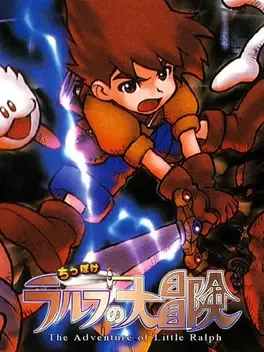
The Adventure of Little Ralph is a 2D platformer. In this game the player controls Ralph, who has been turned back into a child by the evil demons who have invaded his homeland. In order to stop them and return to his former self, he must get through each area filled with enemies, traps, and many hidden routes. Ralph is armed with swords and various magic powers and also has the assistance of a small furry companion. The game's levels are interconnected, unlike the "stages" of most other platform games.
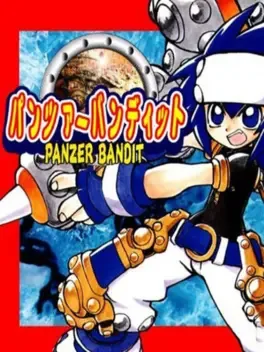
Full of magic and mecha fighting action takes place in a different world turns. Set in 2D with depth of field, with a comical action Ri Gemasu melee battle finishing moves and colorful quirky characters who are in disarray. In addition to story mode, and up to four people can play simultaneously mode also comes with VS.
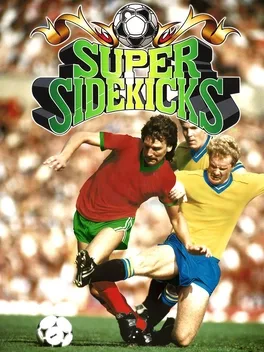
Published in 1993, the original Super Sidekicks (known as Tokuten Ou, "Goal-Scoring King" in Japan) was SNK's first soccer video game. It features 12 teams divided into two groups which compete for the "SNK Cup" (the main differences between teams is their formations on the field): Group A: Germany, Italy, Spain, England, Mexico, Japan Group B: Argentina, Holland, Brazil, France, United States, South Korea The players' team plays against all the others in their group, then it goes into an elimination tournament's semifinals and then the final to win the cup. There was also a hidden feature in the game, which wasn't documented, and affects a single player game. During a free kick for the CPU if the player has tapped button A for player two, the CPU performs a short-shot, while pressing the button A performs a longer kick.
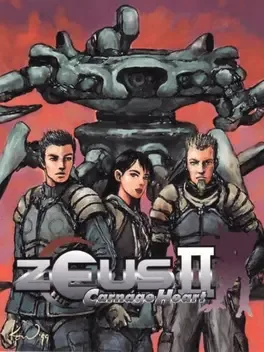
Zeus II: Carnage Heart is a Strategy game, developed and published by Artdink, which was released in Japan in 1999. Zeus II Carnage Heart is another Carnage Heart sequel (not to be confused with "Zeus Carnage Heart Second") with a new storyline, and vastly improved graphics over the original Carnage Heart.
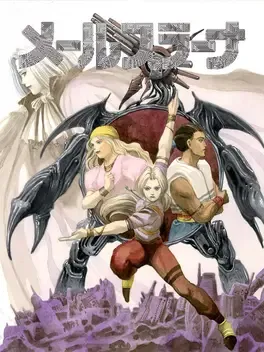
Meru Purana is a mix between an strategy game and a RPG where the player controls a group of characters. The player will have to decide the components of each battle group, and the possible actions and choices of commands in battle.
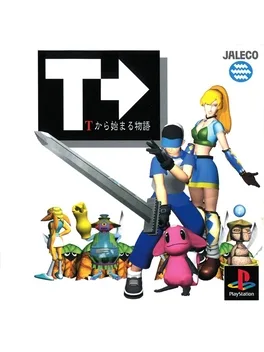
T Kara Hajimaru Monogatari is an action adventure game developed by Jaleco in 1998, in the game the player takes the role of a young skater boy (which name is unknow since the player can put the name that he wants to) that one day he arrives at home and received in email in his computer to create a graffitti using these 4 words: Trap, trick, trip, truth.