
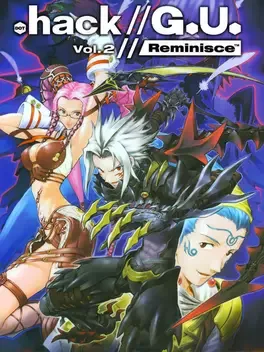
.Hack//G.U. Vol. 2: Reminisce


Buy
Part of collection:
.hack//G.U
(last 3 games)
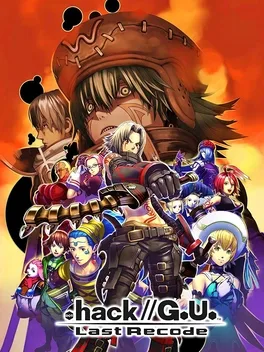
A remastered collection of the .hack//G.U. series with Improved graphics, systems, and game elements. This collection has an additional 4th volume continuing the story 16 months after the end of the 3rd game. There is also a movie version of the story, called .hack//G.U. Termination Disc, that goes over the story of the first 4 .hack games and acts as a prequel to the .hack//G.U. trilogy ending just before the first game begins. It will also include an optional cheat mode, that starts the player with maxed stats, for those who just want to experience the story. ".hack//G.U. is back better than ever! Get ready to log back into .hack as the beloved cross media franchise returns with enhanced graphics, improved gameplay, and brand new modes! Join Haseo as he fights to discover what's reality in "The World" and save his friend Shino, who was put into a coma in the real world by the Player Killer Tri-Edge. Celebrate the 15th anniversary of the franchise with the epic G.U trilogy, including the original .hack//G.U. titles - Rebirth, Reminisce, and Redemption - now with enhanced system features such as battle balance and game pacing!"
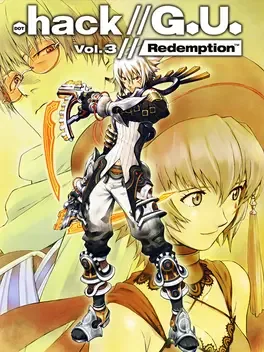
.Hack//G.U. Vol. 3: Redemption is the third entry in the .hack//G.U. series containing: Vol. 1: Rebirth, .hack//G.U. Vol. 2: Reminisce and .hack//G.U. Vol. 3: Redemption. As in the previous .hack games, .hack//G.U. simulates a massively multiplayer online role-playing game as the player controls a character who starts playing it. Players assume the role of a participant in a fictional game called The World. While in The World, the player controls the on-screen player character, Haseo, from a third-person person perspective (with optional first-person mode). The player may control the camera using the game controller's right analog stick. Within the fictional game, players explore monster-infested fields and dungeons as well as "Root Towns" that are free of combat. They also can "log-off" from the game and return to a computer desktop interface which includes in-game e-mail, news, and message boards, as well as desktop and background music customization options. In Reminisce, an optional card game called "Crimson VS" becomes available. The player may save the game to a memory card both from the desktop and within The World at a Save Shop. After the player completes the game, a Data Flag appears on the save file, which allows the transfer of all aspects of the player character and party members to the next game in the series. This can also be applied to previous games if the player first finished the Reminsce or Redemption. Players can attack monsters in real time. However, the action pauses whenever the menu is opened in order to select magic to cast, items to use, or skills to perform. The player only directly controls Haseo, while the other characters are controlled by artificial intelligence. The player may either provide guidelines ("Free Will", "Rage", "Life", etc.) or issue direct commands (for example, to cast a particular magic at a particular enemy) to the computer-controlled characters. Monsters roam the environments freely or guard treasure chests. Once combat is initiated, via a "surprise attack" or the player being spotted, a wall erects around the combat area to prevent escape. Weapons give the player access to the Skill Trigger feature which allows them to perform a powerful attack at the cost of losing SPs. As an adept rogue character, Haseo can wield multiple weapons for close combat. Although Haseo can only use one weapon per battle, during Reminisce the player can change weapons in the middle of Skill Triggers. Under certain conditions, the player may execute an enhanced type of Skill Trigger called "Rengeki". These attacks deal greater damage and fill a Morale gauge, which allows the player and his team members to use a combination attack. Certain plot-related fights, called "Avatar battles", use a different interface which incorporates shoot 'em up gameplay elements. After depleting the opponent's health, players must charge up a "Data Drain" to end the battle. Root Towns are non-combat areas in The World. The player may restock on items, buy equipment, or chat and trade with other "players" of The World. The player may also undertake optional quests and visit guilds. A key feature of all towns is the Chaos Gate. This blue portal is used to travel between towns (called "servers") as well as access the fields and dungeons where battles take place. A password system controls the characteristics of each area. Depending on the characteristics of each word in the three word phrase, the resulting area may have different attributes such as prevalence of monsters or items, among other features.
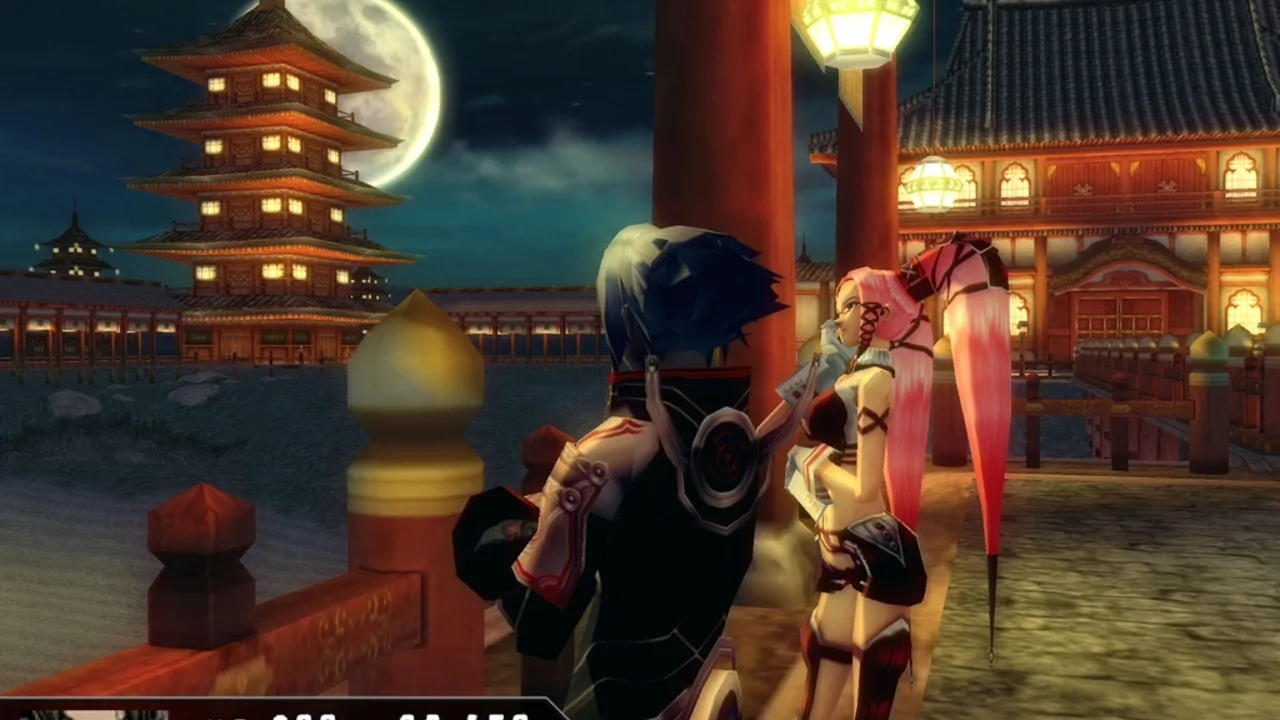
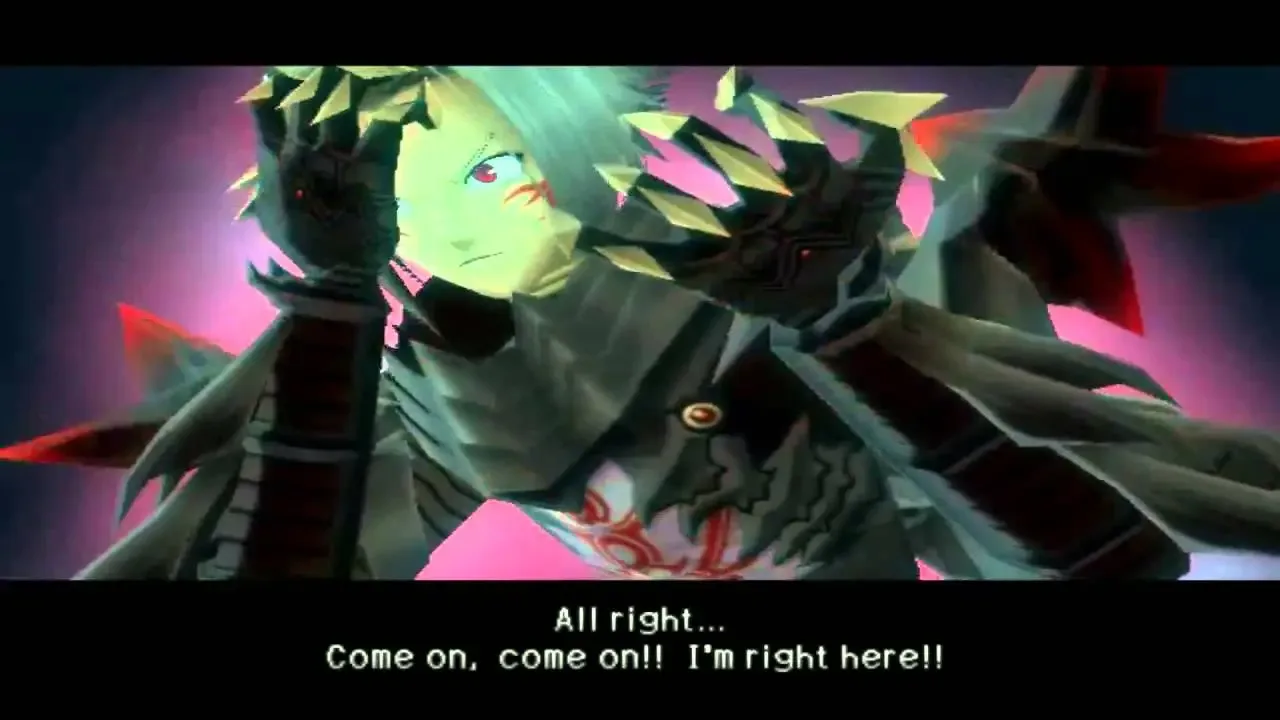
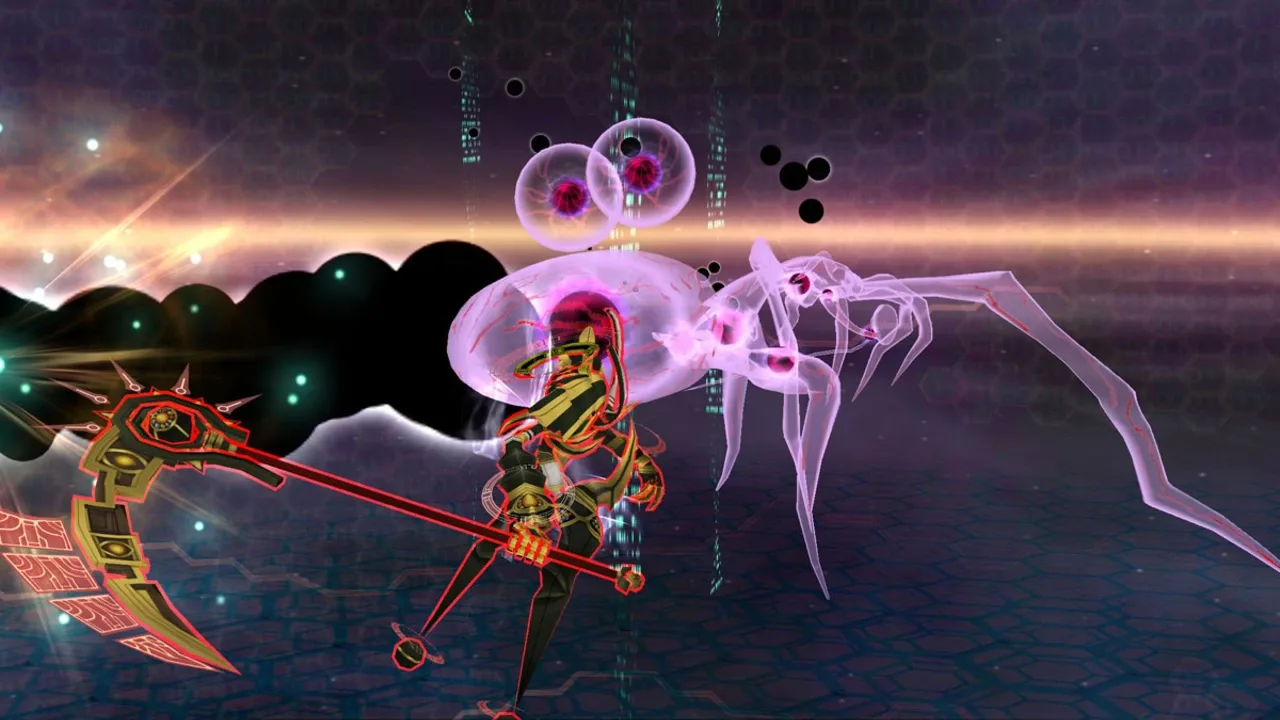
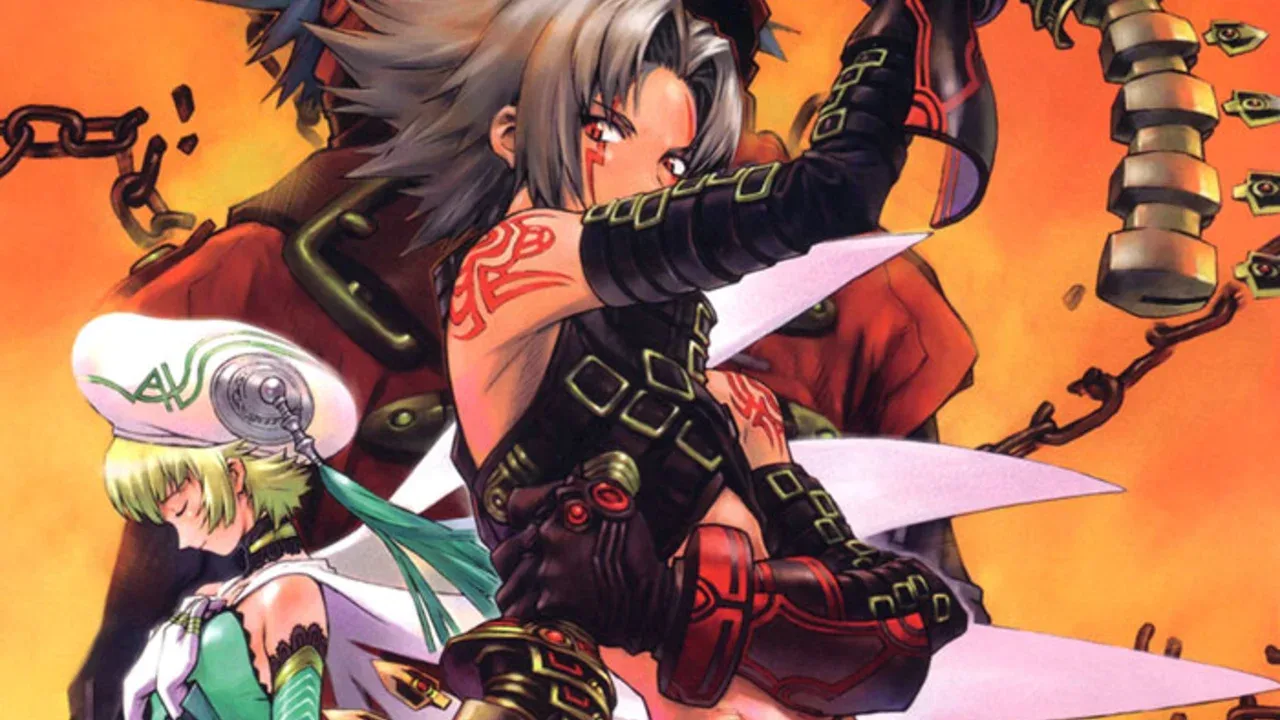
.Hack//G.U. Vol. 2: Reminisce is the second entry in the .hack//G.U. series containing: Vol. 1: Rebirth, .hack//G.U. Vol. 2: Reminisce and .hack//G.U. Vol. 3: Redemption. As in the previous .hack games, .hack//G.U. simulates a massively multiplayer online role-playing game as the player controls a character who starts playing it. Players assume the role of a participant in a fictional game called The World. While in The World, the player controls the on-screen player character, Haseo, from a third-person person perspective (with optional first-person mode). The player may control the camera using the game controller's right analog stick. Within the fictional game, players explore monster-infested fields and dungeons as well as "Root Towns" that are free of combat. They also can "log-off" from the game and return to a computer desktop interface which includes in-game e-mail, news, and message boards, as well as desktop and background music customization options. In Reminisce, an optional card game called "Crimson VS" becomes available. The player may save the game to a memory card both from the desktop and within The World at a Save Shop. After the player completes the game, a Data Flag appears on the save file, which allows the transfer of all aspects of the player character and party members to the next game in the series. This can also be applied to previous games if the player first finished the Reminsce or Redemption. Players can attack monsters in real time. However, the action pauses whenever the menu is opened in order to select magic to cast, items to use, or skills to perform. The player only directly controls Haseo, while the other characters are controlled by artificial intelligence. The player may either provide guidelines ("Free Will", "Rage", "Life", etc.) or issue direct commands (for example, to cast a particular magic at a particular enemy) to the computer-controlled characters. Monsters roam the environments freely or guard treasure chests. Once combat is initiated, via a "surprise attack" or the player being spotted, a wall erects around the combat area to prevent escape. Weapons give the player access to the Skill Trigger feature which allows them to perform a powerful attack at the cost of losing SPs. As an adept rogue character, Haseo can wield multiple weapons for close combat. Although Haseo can only use one weapon per battle, during Reminisce the player can change weapons in the middle of Skill Triggers. Under certain conditions, the player may execute an enhanced type of Skill Trigger called "Rengeki". These attacks deal greater damage and fill a Morale gauge, which allows the player and his team members to use a combination attack. Certain plot-related fights, called "Avatar battles", use a different interface which incorporates shoot 'em up gameplay elements. After depleting the opponent's health, players must charge up a "Data Drain" to end the battle. Root Towns are non-combat areas in The World. The player may restock on items, buy equipment, or chat and trade with other "players" of The World. The player may also undertake optional quests and visit guilds. A key feature of all towns is the Chaos Gate. This blue portal is used to travel between towns (called "servers") as well as access the fields and dungeons where battles take place. A password system controls the characteristics of each area. Depending on the characteristics of each word in the three word phrase, the resulting area may have different attributes such as prevalence of monsters or items, among other features.
Part of collection:
Project .Hack
(last 3 games)
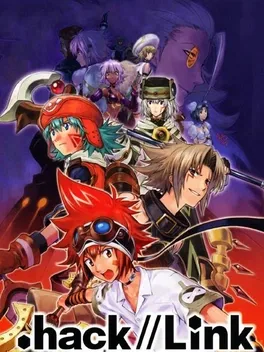
Set in a fictional version of the year 2020, .hack//Link's story takes place in a new version of “The World,” a popular series of MMORPGs known as The World: RX. The game focuses on a young man named Tokio Kuryuu, a second year junior-high student who gets transported into The World: RX by a new student named Saika Amagi. After arriving into the game, Tokio is tasked by an artificial intelligence version of the character Kite to be a hero and use a tower of the Akashic Records to save the Twilight Knights, a group of artificial intelligence versions of characters based on casts of previous entries in the .hack series. Using the Akashic Records, Tokio is able to travel backwards in time to previous .hack entries and encounter past characters in order to unfreeze the data of the Twilight Knights.
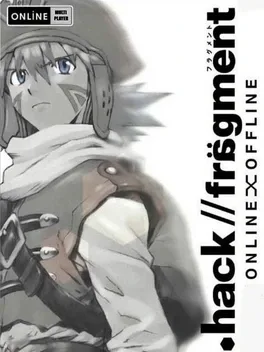
The commercial success of the Project .Hack franchise led to the production of .hack//frägment. The game uses the same engine as the .hack series with an online multiplayer component.
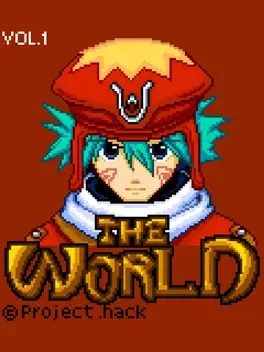
This is the 2004 flip phone game .hack//Vol. 1 produced for the LG Telecom line of phones ez-i. Developed by Mobile Entertainment Net21 in South Korea, published by GAVA Plus and licensed by Bandai of Korea.
Part of franchise:
.Hack
(last 3 games)
A remastered collection of the .hack//G.U. series with Improved graphics, systems, and game elements. This collection has an additional 4th volume continuing the story 16 months after the end of the 3rd game. There is also a movie version of the story, called .hack//G.U. Termination Disc, that goes over the story of the first 4 .hack games and acts as a prequel to the .hack//G.U. trilogy ending just before the first game begins. It will also include an optional cheat mode, that starts the player with maxed stats, for those who just want to experience the story. ".hack//G.U. is back better than ever! Get ready to log back into .hack as the beloved cross media franchise returns with enhanced graphics, improved gameplay, and brand new modes! Join Haseo as he fights to discover what's reality in "The World" and save his friend Shino, who was put into a coma in the real world by the Player Killer Tri-Edge. Celebrate the 15th anniversary of the franchise with the epic G.U trilogy, including the original .hack//G.U. titles - Rebirth, Reminisce, and Redemption - now with enhanced system features such as battle balance and game pacing!"
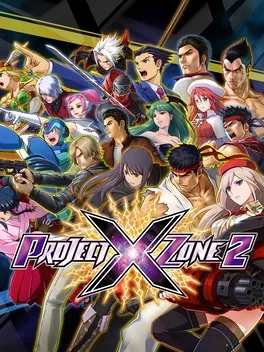
In the sequel to the original world crossing adventure, legendary characters from Japan's most prolific video game publishers come together to create the biggest mashup strategy game ever! Developed by MONOLITH SOFTWARE INC., Project X Zone 2 gives gamers the opportunity to play as their favorite characters from a multitude of franchises and form teams of characters hailing from classic and current franchises and engage enemies through strategic turn-based battles.
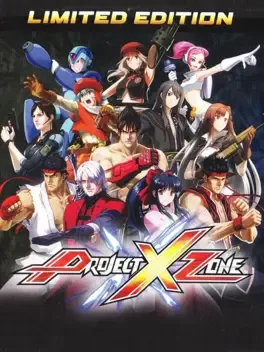
Project X Zone is a crossover tactical role-playing game for the Nintendo 3DS developed by Monolith Soft with assistance from Capcom and Red Entertainment and published by Namco Bandai Games. The game is a follow up to the 2005 video game Namco × Capcom and features characters from Namco Bandai, Capcom, and Sega. The game was released on October 11, 2012 in Japan; June 25, 2013 in North America; and July 5, 2013 in Europe. The game received mixed to positive reviews on release; praise went towards the game's cast, combat system, and presentation, but criticism was directed at its repetitive gameplay and confusing storyline.
Could be interesting
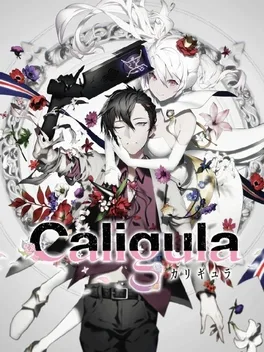
Featuring a story written by Persona veteran Tadashi Satomi, The Caligula Effect takes you inside a digital prison filled with brainwashed high school students, evil musicians, and an all-powerful virtual idol.
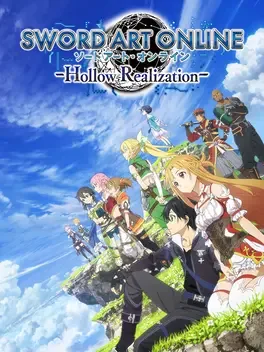
Sword Art Online: Hollow Realization is a Japanese role-playing game and the fourth game based on the Sword Art Online light novel franchise.
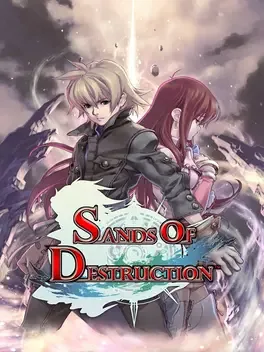
Sands of Destruction is a 2008 role-playing video game developed by Imageepoch and published by Sega for the Nintendo DS. It was released in Japan in 2008, and in North America in 2010. Set in a desert world where humans are ruled over and persecuted by the anthropomorphic Ferals, the story revolves around protagonist Kyrie after learning he holds the power to destroy the world. Gameplay features exploration of the game world from a top-down perspective, and a turn-based combat system incorporating real-time mechanics.
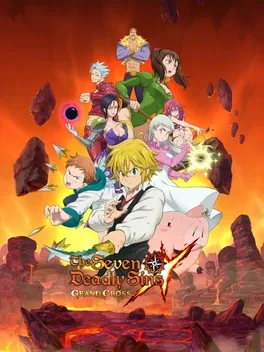
The Seven Deadly Sins: Grand Cross - A cinematic anime game beyond your imagination!
Last Origin is a strategy RPG mobile game with hero collecting mechanics standard to most games of its kind. The player takes the role of a newbie commander who is, as far as we know, the last remaining human being in a post-apocalyptic world ravaged by alien parasites known as Iron Worms.
Shining Force III is a fantasy turn-based tactics role-playing video game designed for the Sega Saturn by Camelot Software Planning. It is a continuation of the Shining series. Comprising three separate but overlapping storylines, the Japanese version of Shining Force III was released in three volumes, known as: "Scenario 1 - God Warrior of the Kingdom", "Scenario 2 - Target: Child of God", and "Scenario 3 - "Bulzome Rising". In America and Europe, only Scenario 1 was released. The real ending to the game can only be viewed by completing all the games in the series.
.Hack//G.U. Vol. 3: Redemption is the third entry in the .hack//G.U. series containing: Vol. 1: Rebirth, .hack//G.U. Vol. 2: Reminisce and .hack//G.U. Vol. 3: Redemption. As in the previous .hack games, .hack//G.U. simulates a massively multiplayer online role-playing game as the player controls a character who starts playing it. Players assume the role of a participant in a fictional game called The World. While in The World, the player controls the on-screen player character, Haseo, from a third-person person perspective (with optional first-person mode). The player may control the camera using the game controller's right analog stick. Within the fictional game, players explore monster-infested fields and dungeons as well as "Root Towns" that are free of combat. They also can "log-off" from the game and return to a computer desktop interface which includes in-game e-mail, news, and message boards, as well as desktop and background music customization options. In Reminisce, an optional card game called "Crimson VS" becomes available. The player may save the game to a memory card both from the desktop and within The World at a Save Shop. After the player completes the game, a Data Flag appears on the save file, which allows the transfer of all aspects of the player character and party members to the next game in the series. This can also be applied to previous games if the player first finished the Reminsce or Redemption. Players can attack monsters in real time. However, the action pauses whenever the menu is opened in order to select magic to cast, items to use, or skills to perform. The player only directly controls Haseo, while the other characters are controlled by artificial intelligence. The player may either provide guidelines ("Free Will", "Rage", "Life", etc.) or issue direct commands (for example, to cast a particular magic at a particular enemy) to the computer-controlled characters. Monsters roam the environments freely or guard treasure chests. Once combat is initiated, via a "surprise attack" or the player being spotted, a wall erects around the combat area to prevent escape. Weapons give the player access to the Skill Trigger feature which allows them to perform a powerful attack at the cost of losing SPs. As an adept rogue character, Haseo can wield multiple weapons for close combat. Although Haseo can only use one weapon per battle, during Reminisce the player can change weapons in the middle of Skill Triggers. Under certain conditions, the player may execute an enhanced type of Skill Trigger called "Rengeki". These attacks deal greater damage and fill a Morale gauge, which allows the player and his team members to use a combination attack. Certain plot-related fights, called "Avatar battles", use a different interface which incorporates shoot 'em up gameplay elements. After depleting the opponent's health, players must charge up a "Data Drain" to end the battle. Root Towns are non-combat areas in The World. The player may restock on items, buy equipment, or chat and trade with other "players" of The World. The player may also undertake optional quests and visit guilds. A key feature of all towns is the Chaos Gate. This blue portal is used to travel between towns (called "servers") as well as access the fields and dungeons where battles take place. A password system controls the characteristics of each area. Depending on the characteristics of each word in the three word phrase, the resulting area may have different attributes such as prevalence of monsters or items, among other features.
Valkyrie Profile 2: Silmeria is the second installment of the Valkyrie Profile series. Taking place hundreds of years before the original game, the story revolves around two characters living the same body, named Silmeria and Alicia. Together, the two characters work to stop a catastrophe that could cause war between the people and the gods. The game received generally positive reviews, citing its similarity to the original Valkyrie Profile game and its beautiful graphics, but had a convoluted interface and a high degree of difficulty. The game went on to be re-released as a Square Enix "Ultimate Release".

The latest standalone entry in the SaGa franchise arrives in 2024, bringing together the very best elements of the beloved series to offer each player their own unique gameplay experience. Make use of Glimmers and United Attacks in battle; meet a diverse cast of races including monsters, mechs and vampires; and experience your very own story, created through your choices and actions.

The newest addition to the popular mobile RPG series is finally here! Chaos Rings III is a full-scale RPG series for smartphone devices as part of a continuing series. The rich game world, deep storyline, and high-quality soundtrack have been praised throughout the world. Unexplored lands, hidden treasures, monsters, legends... everything an adventurer could want could be found on this one planet. Worlds yet undiscovered, treasures that fulfill your wildest dreams, mythologies lost in the pages of history... a great journey, the dream of a thousand years, is about to begin.