
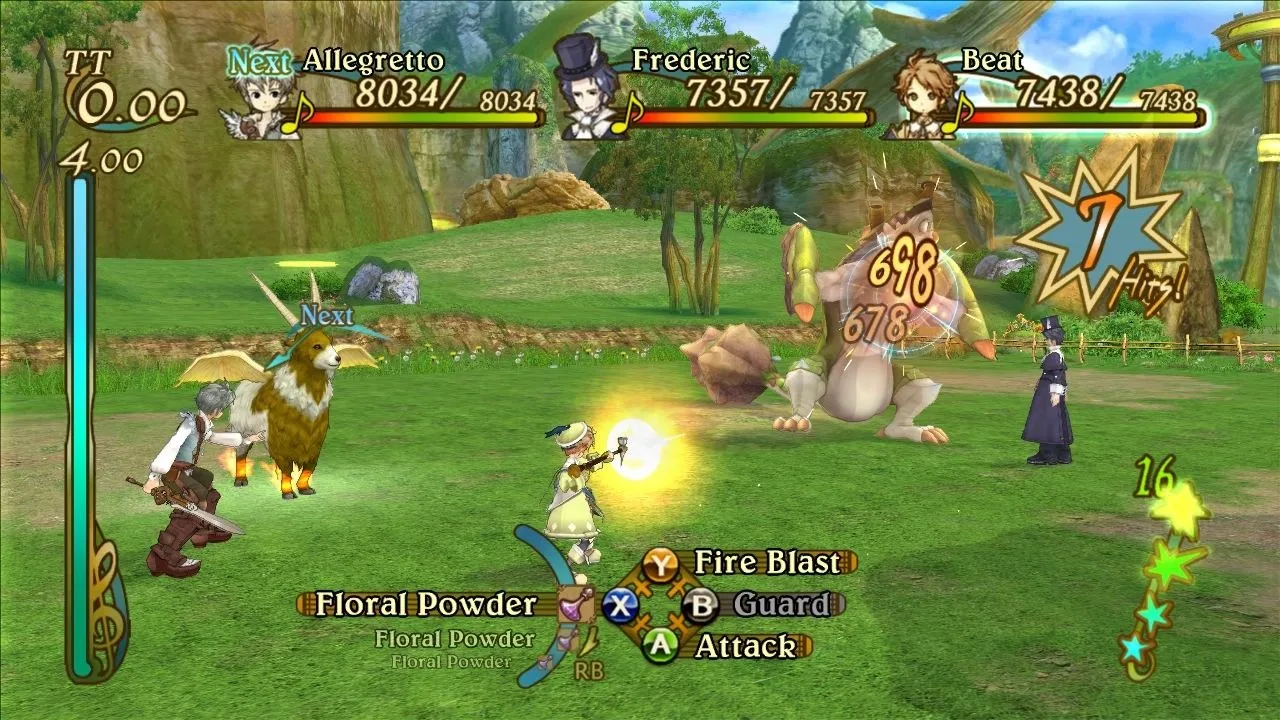
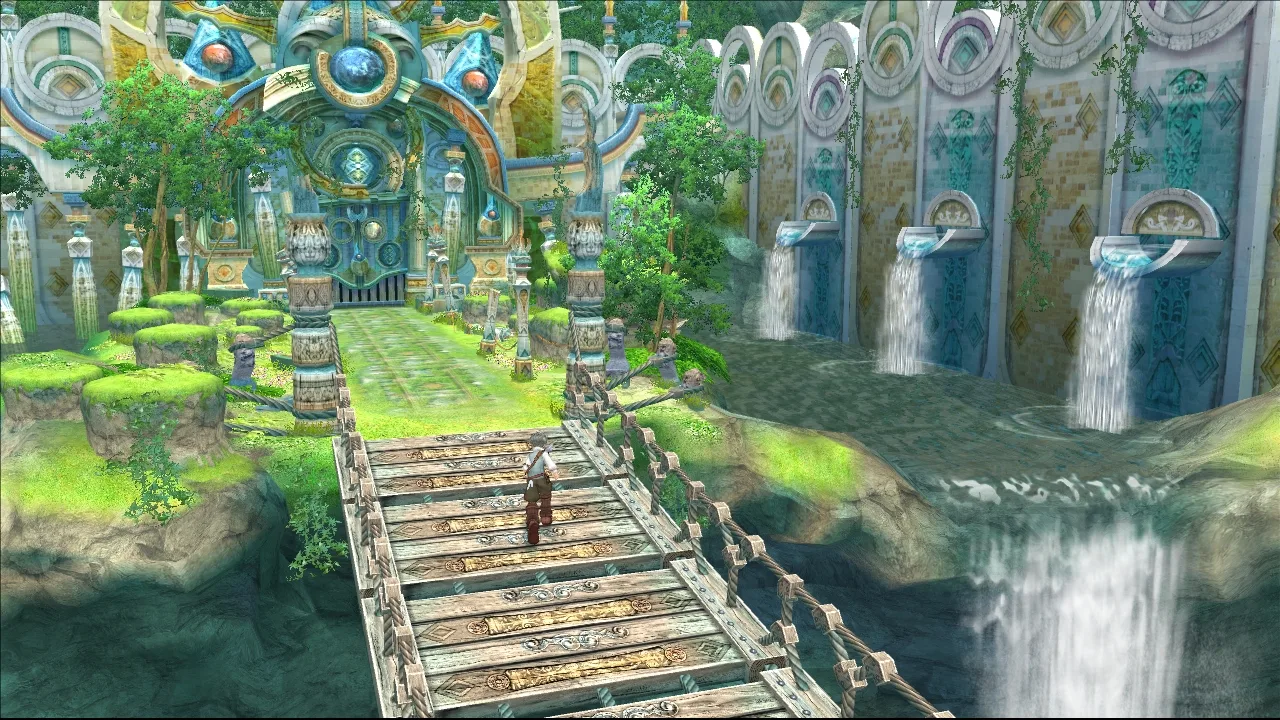
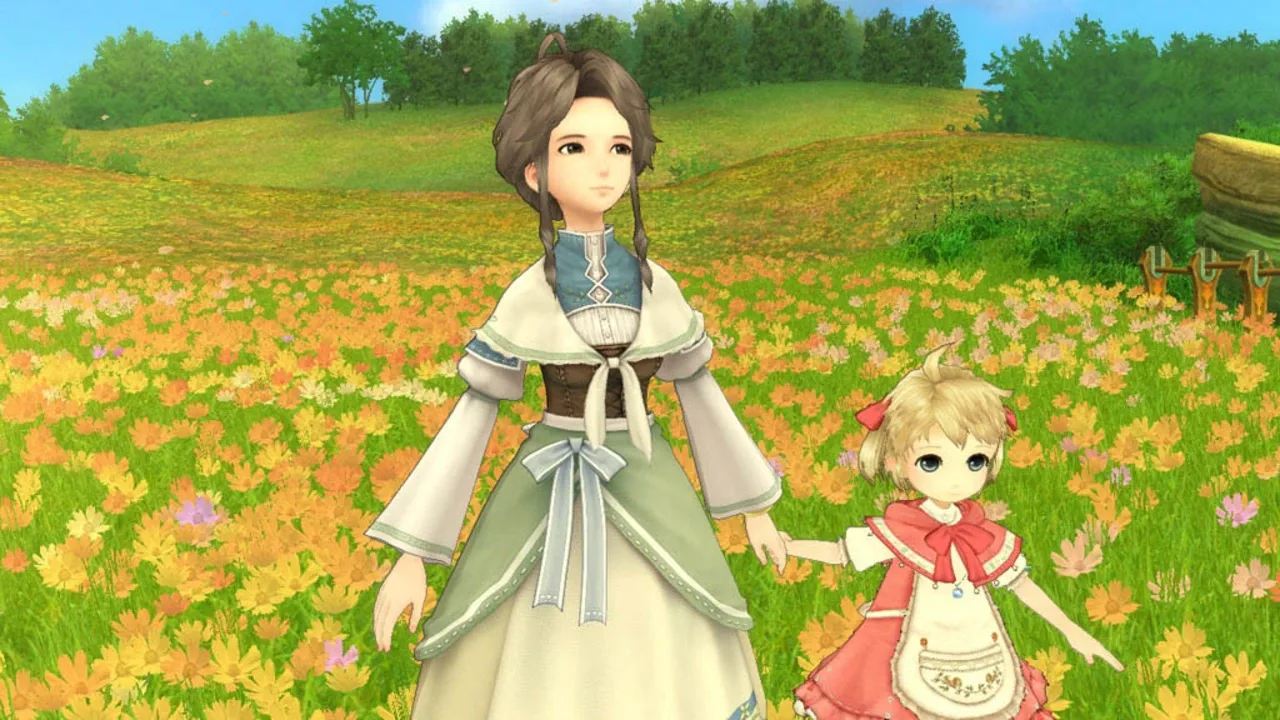
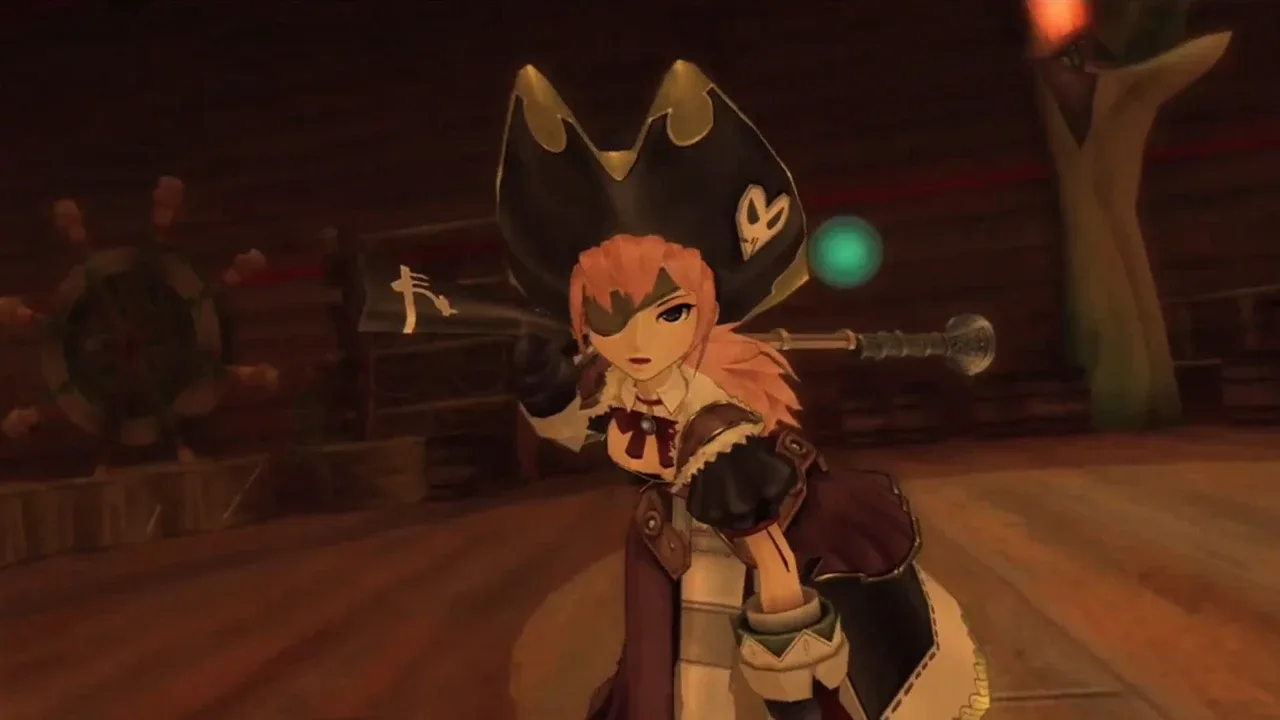
Eternal Sonata



Buy
Could be interesting
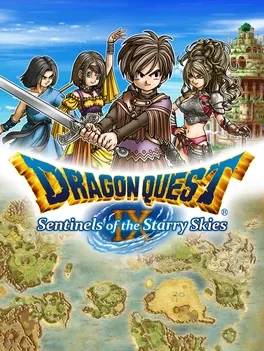
In Dragon Quest IX: Sentinels of the Starry Skies, players begin their adventure as a city guardian who is sent to retrieve a sacred trees fruits, which have the power to grant wishes. Players travel the world, conquer fearsome monsters and unravel an epic storyline. During their journey, players will encounter mighty opponents in fast-paced battles, and also interact with a colorful cast of characters.
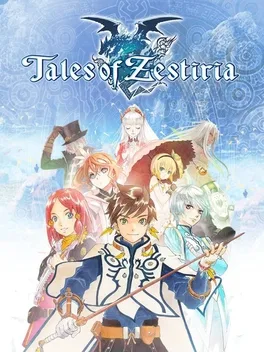
Tales of Zestiria is a Japanese role-playing game. It is the fifteenth main entry in the Tales series. As with previous entries in the Tales series, the game uses a variation of the action-based Linear Motion Battle System, with additional elements including a navigable open world, and the ability for certain characters to fuse into a single entity in battle to deliver powerful attacks. The story follows Sorey, a young man blessed with powers by a mystical spirit race known as the Seraphim who act as a stabilizing force in the land, as he travels to free the land of Glenwood from the threat of the Hellion, creatures spawned by negative emotions.
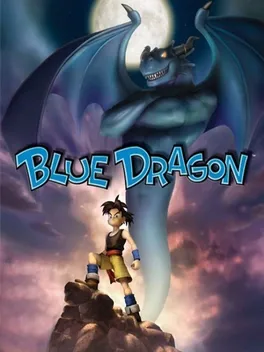
"Hironobu Sakaguchi, the Father of the Final Fantasy series, and Artoon present the world of Blue Dragon on Xbox 360. Featuring the character design of Akira Toriyama, the Father of "Dragon Ball Z", and music by Nobuo Uematsu, the composer for Final Fantasy, Blue Dragon is an epic role-playing game (RPG) centered on five youngsters who possess miraculous strength and magical power to control shadow creatures that mirror the actions of their masters." Blue Dragon follows the story of five friends (Shu, Jiro, Kluke, Zola, and Marumaro) as they travel across the world to confront Nene, the evil ruler of the Grand Kingdom. The setting inspired separate anime and manga adaptations, although these follow the story to different degrees and feature a different cast of characters. The game follows a traditional role-playing design, based around exploration and turn-based combat. The gameplay of Blue Dragon uses turn-based gameplay elements seen in older Japanese role-playing video games. The game world contains two major types of areas: towns, in which the player can rest and purchase items, and dungeon-like areas, with numerous foes to be defeated.
A MYSTERIOUS POWER...AN UNLIKELY HERO...A CLASSIC ADVENTURE... The lone survivor of a legendary dragon clan, a rebellious youth embarks on a great journey. One of discovery... and danger. The classic role-playing game now returns to continue the epic tales of Ryu and the dragon people. An inner power of uncertain origin matures Ryu into a warrior who ponders his purpose as he embarks on a mystical journey. What lies ahead is shrouded in mystery... yet strangely familiar. DRAGON GENE SPLICING LEGENDARY ROLEPLAYING AN EPIC 3-D ENVIRONMENT LEARN OR STEAL ADVANCE SKILLS AND TECHNIQUES POWERFUL MAGIC NOW YOU POSSESS THE POWER TO CONTROL RYU'S DESTINY.
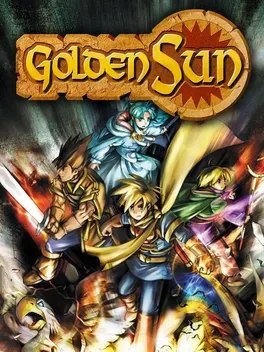
Evil is slowly covering the world. Forces of darkness are pursuing the lost art of Alchemy, and the fate of mankind hangs in the balance. You and your companions, armed with weapons, Psynergy magic, and a host of elemental creatures, must return peace to the world. Golden Sun is an epic role-playing game with an engrossing story, set in a massive world. Gather the elemental Djinn – fire, water, wind and earth – and combine them in unique ways to produce awesome magical effects.
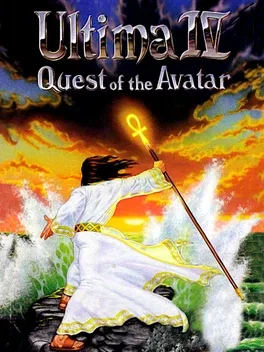
Following the defeat of the evil triad in the previous three Ultima games, the world of Sosaria changed beyond recognition: continents rose and sank, and new cities were built, heralding the advent of a different civilization. Unified by the reign of the benevolent monarch Lord British, the new world was renamed Britannia. Lord British wished to base people's well-being on the ethical principles of Truth, Love, and Courage, proclaiming the Eight Virtues (Honesty, Compassion, Valor, Justice, Sacrifice, Honor, Spirituality, and Humility) as the ideal everyone should strive for. The person who could accomplish full understanding and realization of these virtues would serve as a spiritual leader and a moral example for the inhabitants of Britannia; he alone would be able to obtain holy artifacts, descend into the Stygian Abyss, and access the Codex of Ultimate Wisdom. This person is the Avatar. The fourth game in the Ultima series features an improved game engine, with color graphics and enhanced character interaction: the player can have conversations with non-playable characters by typing names of various topics. However, the main difference between Ultima IV and its predecessors in the series (as well as other role-playing games) lies in the game's objectives and the ways to fulfill them. Instead of building up a character by any means possible in order to face a villain in the end of the game, in Ultima IV the player is trying to become the Avatar, a role model for people. This means upholding the Eight Virtues, basically trying to become a better person. Making morally conscious decisions and helping other people is not done expecting a material reward, but because it is the actual goal of the game and the main focus of its gameplay. The game frowns on behavior typical of most other RPGs, such as backstabbing fleeing enemies or picking up everything that isn't nailed down even if it does not belong to the protagonist. This different approach established the game's reputation as the first "true" Ultima, influencing the design philosophy of later installments and the overall spirit of the series. Character creation is done by choosing responses to morally ambiguous questions. Each of the Eight Virtues corresponds to a character class; by determining the player's personal priorities in the virtues, the game assigns a class and a starting location for the Avatar. After emerging in Britannia, the player is free to explore it in various ways (on foot, moongate teleportation, on horseback, by ship, etc.). Certain items must be collected in any order to enter the Stygian Abyss and complete the game. The Avatar also has to reach the highest level in all virtues. This is achieved by various means: donating blood increases Sacrifice, not fleeing from combat increases Valor, etc. The process, however, is not irreversible: should the Avatar overpay a blind seller, he gains Compassion points; should he, on the other hand, cheat the seller by underpaying, his level in several virtues would decrease. These unorthodox features of the game co-exist with plenty of traditional RPG elements, such as dungeons to explore and hostile monsters to kill. Enemies are encountered on the world map as well as in dungeons; combat takes place on separate top-down screens, allowing player-controlled and enemy parties freely move on them. Characters accumulate experience points and level up, gaining higher amount of hit points and access to stronger magic spells. Like in the previous installments of the series, world map, town exploration and combat are presented from a top-down view, while the dungeons are pseudo-3D and are explored from first-person perspective. Ultima IV also introduces several new gameplay features to the series and role-playing games in general. A number of initially non-playable characters living in various areas of the game world are able to to join the party and fight alongside the hero, replacing traditional player-generated characters or mercenaries and adventurers available only in special locations. Additional new elements include buying and combining reagents in order to cast spells, puzzle rooms in dungeons, and others.
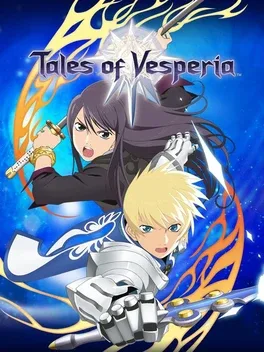
Set in a world reliant on a mysterious ancient technology known as "blastia," the game follows former knight Yuri as he delves into a shadowy plot to use these magical devices to control civilization, or destroy it. A bold new interpretation of the elements that made the Tales series a hit with gamers around the world, Tales of Vesperia promises a standard-setting RPG experience on the Xbox 360. Using an all-new graphics engine and character designs by the renowned Kosuke Fujishima (Ah! My Goddess, Sakura Taisen), the game delivers high-quality HD character models and environments that are indistinguishable from traditional cel-based anime.
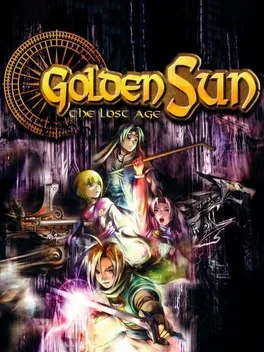
The story of Golden Sun: The Lost Age picks up right near the end of the first game. Golden Sun veterans will be surprised to learn that The Lost Age is played from the point of view of the party being chased as they try to light the remaining two lighthouses, which will unlock the power of alchemy for the world--or will it instead unlock the world's destruction? * LAN PVP mode via GBA Game Link Cable
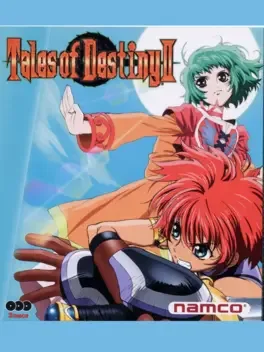
Tales of Eternia is an action japanese role playing game, with real time battle scenes (combos and spells can be assigned to the face buttons). The game is set in the fantasy world of Inferia, follows the story of a young hunter named Reid Hershel and his friends, Farah and Keele, as they meet a mysterious girl who speaks an unknown language. Their subsequent quest to discover her origins leads them across a dimensional boundary to an entirely different realm known as Celestia, where they become involved in an age-old conflict between the two worlds. It would later inspire a 13-episode anime co-produced by Production I.G loosely based on the game's plot.
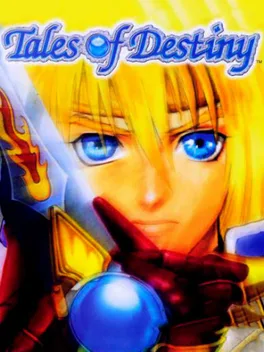
Tales of Destiny is a follow-up to Tales of Phantasia. Like its predecessor, it has the structure of traditional Japanese role-playing games, but substitutes turn-based combat for action-oriented one. Battles take place on separate side-scrolling screens and resemble those of a fighting game. The player controls the main hero, navigating him on the battle screen and performing various attacks and combos. Other party members are controlled by the game's AI, but it is possible to pause the battle at any time and assign new combat style to any one of them.